
For most travelers, a trip to Las Vegas conjures images of endless sunshine, shimmering pools, and neon-lit nights. Nestled within the Mojave Desert, the city is statistically one of the driest destinations in the United States. However, the weather in this basin can be deceptive. When clouds gather over the Spring Mountains, locals know that the rules of the desert can shift in an instant. Understanding the precipitation patterns of Nevada is essential for planning your itinerary, whether you are heading to the Las Vegas Strip or planning a hike in Red Rock Canyon.

Understanding the Desert Climate and Rain Patterns
The Las Vegas Valley experiences a subtropical hot desert climate, characterized by long, sweltering summers and short, mild winters. Because of the Rain Shadow Effect created by the Sierra Nevada range, moisture from the Pacific Ocean rarely reaches the city in significant quantities. This makes “rain” an anomaly rather than a seasonal expectation.
The Monsoon Season
During the late summer months, particularly July and August, the region experiences what is known as the North American Monsoon. This is not a tropical deluge, but rather a sudden influx of moisture from the Gulf of California. During this time, the heat of the desert floor causes rapid evaporation, leading to dramatic afternoon thunderstorms. These storms are often intense, short-lived, and localized. You might find yourself standing under a bright, clear sky while watching a downpour wash over Downtown Las Vegas just a few miles away.
Winter Precipitation
Winter rain in Las Vegas is different. It is generally associated with Pacific cold fronts that sweep across the Western United States. Unlike the monsoon rains, these events are often steady, grey, and can last for several hours. While the Las Vegas Strip rarely sees freezing rain, the temperatures can dip low enough that moisture accumulating on the nearby peaks of Mount Charleston translates into snow, providing a stunning, snowy backdrop to the desert heat below.
How Rain Impacts Your Las Vegas Itinerary
When the weather turns, many visitors assume their trip is ruined, but the reality is quite different. The city is designed to keep the momentum going regardless of the meteorological status. If you wake up to grey skies or a sudden shower, you simply need to pivot your strategy to match the indoor-centric infrastructure of the city.

Transitioning to Indoor Activities
The beauty of a destination built on tourism and gaming is the seamless transition between indoor and outdoor environments. If rain interrupts your plans to visit the High Roller Observation Wheel, you can easily pivot to the massive indoor retail and dining complexes like The Forum Shops at Caesars. These spaces are designed to provide a high-end experience that is entirely weather-proof.
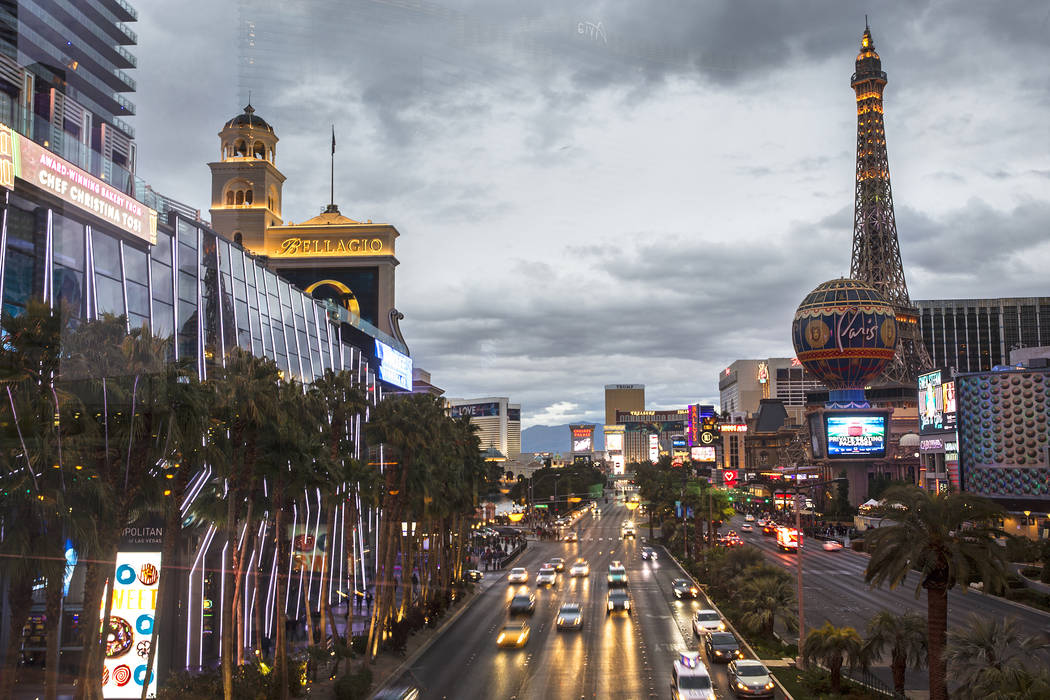
Similarly, if you were planning to visit the Neon Museum or explore the architecture of the Bellagio, rain often creates a unique, reflective quality on the pavement that makes for incredible photography. The lights of the city tend to pop with more intensity against the wet, dark surfaces, giving the Las Vegas Strip a moody, cinematic aesthetic that is rarely captured on sunny days.
Avoiding Flash Floods
While rain is rare, when it does occur in the desert, the ground is often too hard and parched to absorb water quickly. This leads to flash flooding, particularly in low-lying areas and dry wash beds. If there is a “Flash Flood Watch” or “Warning” in effect, it is critical to avoid hiking trails near Red Rock Canyon or Valley of Fire State Park. Always respect the barriers and warnings posted by park rangers. Your safety is paramount, and the desert landscape, while beautiful, is unforgiving when water gathers momentum.
Preparing for Unpredictable Weather
If you are traveling to the Nevada desert, the best approach is to prepare for the extremes. Even if the forecast calls for zero percent precipitation, the desert microclimates can defy satellite predictions.
What to Pack
- Layered Clothing: Even if it is raining, temperatures can fluctuate wildly. A light, water-resistant windbreaker is perfect for shielding yourself from a sudden monsoon shower without overheating.
- Sturdy Footwear: If you intend to do any walking, avoid sandals during a rain event. The streets of Las Vegas can become slick, and proper traction will keep you moving comfortably between resorts.
- Hydration Gear: It is a common misconception that you only need water when it is hot and sunny. The desert air remains incredibly dry, and dehydration can occur even on a cool, rainy day. Always carry a reusable bottle.
Using Local Resources
Before stepping out of your hotel, check the local news outlets or weather apps specifically tuned to the Las Vegas Valley. Because of the localized nature of desert storms, national weather reports often lack the granular detail required for city-specific travel. If you are staying at a major resort like the Wynn Las Vegas or the MGM Grand, the concierge desk will typically have the most up-to-date information regarding local road closures or weather-related interruptions to outdoor shows, such as the fountains at the Bellagio.
Ultimately, experiencing rain in this vibrant, man-made oasis is a rare and often refreshing occurrence. It cleans the dust from the air, cools the pavement, and forces visitors to slow down and enjoy the world-class interiors that make the city a global phenomenon. Whether the sun is beating down or the clouds are casting a shadow over the Mojave Desert, the pulse of the city remains unchanged. Embrace the weather, plan for the indoor alternatives, and enjoy everything the desert has to offer. The next time you ask yourself if it is going to rain, remember that in this city, a little weather is just another part of the adventure.
LifeOutOfTheBox is a participant in the Amazon Services LLC Associates Program, an affiliate advertising program designed to provide a means for sites to earn advertising fees by advertising and linking to Amazon.com. Amazon, the Amazon logo, AmazonSupply, and the AmazonSupply logo are trademarks of Amazon.com, Inc. or its affiliates. As an Amazon Associate we earn affiliate commissions from qualifying purchases.