
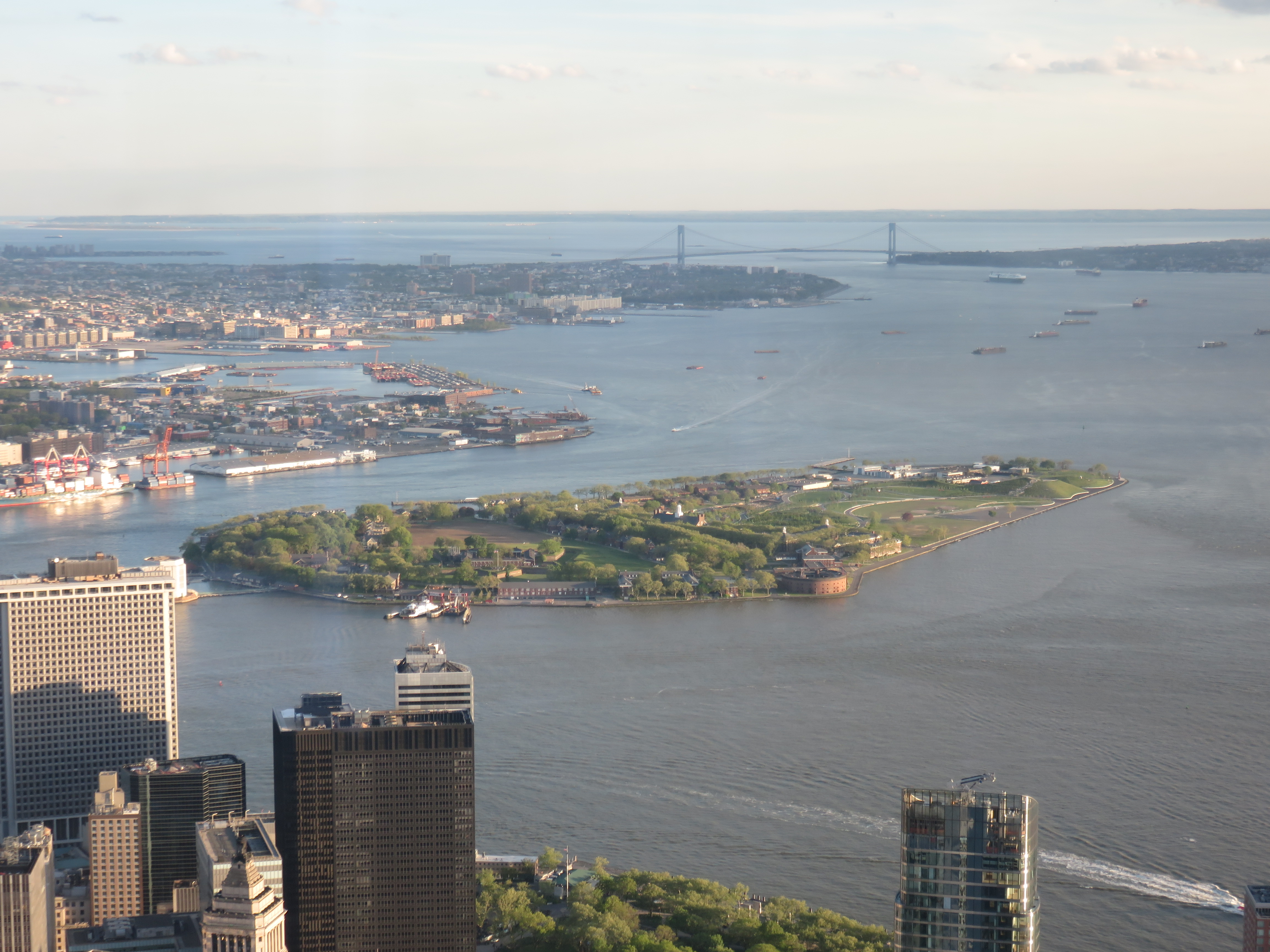
Nestled in the heart of New York Harbor, just a stone’s throw from the towering skyscrapers of Lower Manhattan and the historic waterfront of Brooklyn, lies a 172-acre oasis that feels a world away from the frantic energy of New York City. Governors Island is more than just a public space; it is a storied landmark that bridges the gap between military history, innovative urban planning, and seasonal recreation. For those seeking to understand what this unique destination offers, one must look at it as a layered experience—a place where the past informs the present and the future of public parkland.
A Storied Past: From Colonial Outpost to Military Stronghold
To truly appreciate the island, one must understand its strategic significance. For centuries, this small spit of land served as a defensive bastion for the surrounding region. Originally known as Paggank by the Lenape people, the island eventually became a command center for the United States Army and later the United States Coast Guard.
The Architecture of Defense
Walking through the National Historic District, visitors are treated to an architectural timeline that spans centuries. Two of the most iconic structures on the island, Fort Jay and Castle Williams, stand as silent sentinels of a bygone era. These massive sandstone fortifications were constructed in the early 19th century to protect the city from naval threats. Exploring these grounds offers a tangible connection to the War of 1812, providing a stark contrast to the modern skylines of Manhattan visible across the water.
Transitioning to Public Use
Following the departure of the military in the late 1990s, the island sat dormant, shrouded in mystery. It wasn’t until the early 2000s that the federal government sold the land to the public, setting the stage for its transformation. Today, the preservation of the Historic District ensures that while the island is a playground for contemporary visitors, the ghosts of the American military tradition remain well-tended and honored.
Landscape and Recreation: An Urban Sanctuary
The modern iteration of the island is defined by its innovative topography. Unlike the flat, paved streets of New York, this island features undulating hills and curated flora that invite exploration. The transformation led by West 8 landscape architects turned a flat former military base into a diverse ecosystem.
The Hills: A Vantage Point for the World
Perhaps the most famous feature of the island is “The Hills.” These man-made mounds rise significantly above the harbor, offering some of the most spectacular, uninterrupted views of the Statue of Liberty and the New York Harbor. Gritty, industrial views of Jersey City and the lush greenery of Staten Island are also visible from these heights, making it a favorite spot for photographers and tourists alike.

Active and Passive Leisure
Whether you are looking for high-octane activity or a quiet patch of grass to read a book, the island accommodates both. Biking is the primary mode of transportation, with long, car-free paths circumnavigating the perimeter. Throughout the summer months, the island hosts a vibrant array of programming, ranging from art installations and festivals to weekend markets. The Hammock Grove provides the quintessential relaxation spot, where dozens of red hammocks offer a place to sway while watching the ferries navigate the Buttermilk Channel.
Seasonal Vibrancy and Accessibility
One of the most important aspects of the island is that it is a seasonal treasure. Because of its reliance on ferry transport from the Battery Maritime Building or Pier 6 in Brooklyn Bridge Park, the island operates under a schedule that generally runs from late spring through autumn.
A Community-Focused Destination
Beyond the scenery, the island has become a hub for local culture. You might stumble upon a jazz age lawn party, where hundreds of guests dress in 1920s attire, or a contemporary art exhibition tucked inside a repurposed military warehouse. The presence of organizations such as the Lower Manhattan Cultural Council has ensured that the island remains a destination for creativity, not just recreation.
Logistics for the Modern Traveler
Accessibility remains a priority for the Trust for Governors Island. Visitors arriving via the ferry are greeted immediately by the cool, salty breeze of the harbor, a refreshing departure from the subway stations of Midtown Manhattan. Because the island is strictly pedestrian and bike-only, it preserves a serenity that is rare within the five boroughs. This commitment to a car-free environment is a core component of its appeal, allowing nature and architecture to dominate the visitor experience rather than the noise and chaos of urban traffic.
Sustainability and Future Development
Looking toward the future, the island is positioned to become a global leader in climate research and urban resilience. The recent establishment of the Center for Climate Solutions on the island signals a shift toward making the space an academic and scientific powerhouse.
Harmonizing Nature and Technology
The island acts as a testbed for sustainable practices. From the composting facilities that turn island waste into soil for its vast gardens to the use of renewable energy in its administrative buildings, the goal is to create a model for how a United States landmark can be both a tourist destination and a steward of the environment.

Why You Should Visit
For the traveler looking to peel back the layers of New York City, a trip to this island is essential. It is one of the few places where you can observe the Empire State Building from afar, walk through the history of the American Revolution, and participate in a modern community gathering all in one afternoon. Whether you are a history buff, a nature lover, or simply someone who needs a break from the relentless pace of the city, the island provides a necessary pause.
In conclusion, the island is a testament to the idea that urban spaces can evolve. It has shed its identity as a restricted military zone to become a communal backyard for the millions of people who call the Tri-State Area home. By balancing the preservation of historical artifacts like the Admiral’s House with the development of forward-thinking public spaces, the island ensures that its legacy remains relevant for generations to come. It serves as a reminder that even in the most built-up urban environments, there is always room for a sanctuary—a place where the land meets the water and the city meets the sky.
LifeOutOfTheBox is a participant in the Amazon Services LLC Associates Program, an affiliate advertising program designed to provide a means for sites to earn advertising fees by advertising and linking to Amazon.com. Amazon, the Amazon logo, AmazonSupply, and the AmazonSupply logo are trademarks of Amazon.com, Inc. or its affiliates. As an Amazon Associate we earn affiliate commissions from qualifying purchases.