
The thought of collecting rainwater often conjures images of self-sufficiency, sustainability, and perhaps a touch of defiance against traditional utility systems. For many, it seems like a fundamental right: rain falls from the sky, so why shouldn’t one be able to collect it? However, in the arid western United States, particularly in a state like Colorado, the answer to this seemingly simple question is far more complex than one might imagine. For decades, the notion of collecting rainwater in Colorado was met with legal skepticism, even outright prohibition, stemming from a deep-rooted and intricate system of water rights. Today, the legal landscape has shifted, offering a nuanced answer to the question. It is no longer broadly illegal, but rather permitted under specific conditions and limitations, reflecting the state’s ongoing efforts to balance conservation with its historical water allocation doctrines. Understanding these regulations is not just a matter of compliance but also offers a fascinating glimpse into the unique environmental and legal culture of Colorado.

Colorado’s Unique Water Rights: A Historical Perspective
To truly grasp the contemporary laws surrounding rainwater collection in Colorado, one must first delve into the historical context of water rights in the state. Water in the West has always been a precious commodity, shaping settlement patterns, economic development, and legal frameworks for generations.
The Doctrine of Prior Appropriation
The cornerstone of Colorado’s water law is the “Doctrine of Prior Appropriation,” often encapsulated by the phrase “first in time, first in right.” This doctrine, established during the Gold Rush era of the mid-19th century, dictates that the right to use water is granted to those who first diverted it from a natural source for a “beneficial use.” Unlike riparian rights, common in the humid eastern United States, where landowners adjacent to a water body have rights to its use, prior appropriation separates land ownership from water rights. Under this system, water flowing in streams and rivers is considered a public resource, but the rights to its use are privately held and meticulously managed by the state.
The implications of prior appropriation are profound. Every drop of water that falls as rain and eventually enters a stream system is considered “appropriated” by someone downstream. This includes what’s known as “tributary groundwater” and, crucially, precipitation that would naturally flow into these systems. Historically, collecting rainwater was viewed as an interference with these established downstream rights, as it prevented water from reaching its rightful appropriators. This perspective made rainwater harvesting a legal gray area, often interpreted as an infringement on existing water decrees.
Why Water is Different in the Arid West
The arid nature of Colorado’s climate fundamentally shaped its water law. With limited precipitation and significant demand from agriculture, municipalities, and industry, every source of water became critical. Early settlers and miners needed reliable water sources, leading to an elaborate system of canals, ditches, and reservoirs. The prior appropriation system ensured that those who invested in these diversion systems and put the water to beneficial use were protected. This historical necessity created a legal framework that treated all water, including rainwater, as part of an interconnected system of appropriations, making any unauthorized interception a potential violation of established rights.
Unpacking the Current Legal Framework
The rigid interpretation of prior appropriation regarding rainwater collection began to face increasing scrutiny in the 21st century, driven by growing public interest in sustainability, water conservation, and decentralized water management. After years of debate and legislative efforts, Colorado enacted significant changes to its water law.
The Colorado Rainwater Collection Act (HB 16-1005)
In 2016, Colorado passed the Colorado Rainwater Collection Act, codified as HB 16-1005, which officially legalized residential rainwater harvesting. This landmark legislation marked a significant departure from decades of strict prohibition. The bill’s passage reflected a growing recognition that small-scale rainwater collection, particularly for non-potable uses, could contribute to water conservation efforts without significantly impairing senior water rights.
The Act was a carefully crafted compromise, designed to permit rainwater collection while still upholding the fundamental principles of prior appropriation. It specifically aims to allow homeowners to use rainwater for outdoor irrigation and other non-potable household uses, thereby reducing their reliance on municipal or well water supplies.
What You Can and Cannot Do: Permissible Systems and Volumes
The Colorado Rainwater Collection Act comes with specific stipulations that define what is permissible:
- Residential Use Only: The law applies exclusively to residential properties. Commercial or industrial rainwater collection is generally not covered under this act and may require different permits or water rights.
- Two Rain Barrels Maximum: A single-family household or multi-family residence (e.g., duplex, townhouse) is permitted to collect rainwater using no more than two rain barrels.
- Maximum Storage Volume: The total capacity of these two rain barrels combined cannot exceed 110 gallons. This limit is critical to ensuring that the volume of water diverted is minimal and unlikely to impact downstream water rights holders significantly.
- Permitted Uses: The collected rainwater must be used on the property where it was collected. Permissible uses include outdoor irrigation (gardens, lawns, trees), flushing toilets, and other non-potable indoor uses. It cannot be used for drinking, cooking, or bathing, primarily due to potential health concerns related to untreated roof runoff.
- Roof Runoff Only: Rainwater must be collected from the roof of the residential property. Collection from other surfaces (e.g., driveways) is not permitted under this act.
- No Commercial Sale or Exchange: The collected rainwater cannot be sold, exchanged, or transferred to another property.
These strict limitations underscore the state’s cautious approach to integrating rainwater harvesting into its established water management system. They aim to allow homeowners a degree of self-sufficiency without undermining the complex prior appropriation system that governs most of Colorado’s water.
Exemptions and Specific Use Cases
While HB 16-1005 primarily addresses residential collection, certain exemptions and specific use cases existed even before its passage or operate under different regulatory frameworks:
- Exempt Wells: Some properties with exempt wells (typically domestic or livestock wells) may have broader allowances for rainwater collection, depending on their specific well permit conditions. However, this is distinct from the general residential rainwater harvesting law.
- Augmentation Plans: Larger-scale rainwater harvesting systems, especially for commercial, industrial, or municipal applications, or for those exceeding the 110-gallon limit, typically require an approved “augmentation plan.” These plans demonstrate that the collection and use of water will not injure vested senior water rights holders, often by replacing the depleted water with a different source or through a credit system. This is a complex and costly process, highlighting that significant water diversions still fall under strict water court oversight.
- Agricultural Uses: Farmers with established water rights for irrigation might have more flexibility, but their operations are governed by specific water decrees and not generally by the residential rainwater collection act.
The Rationale Behind the Regulations
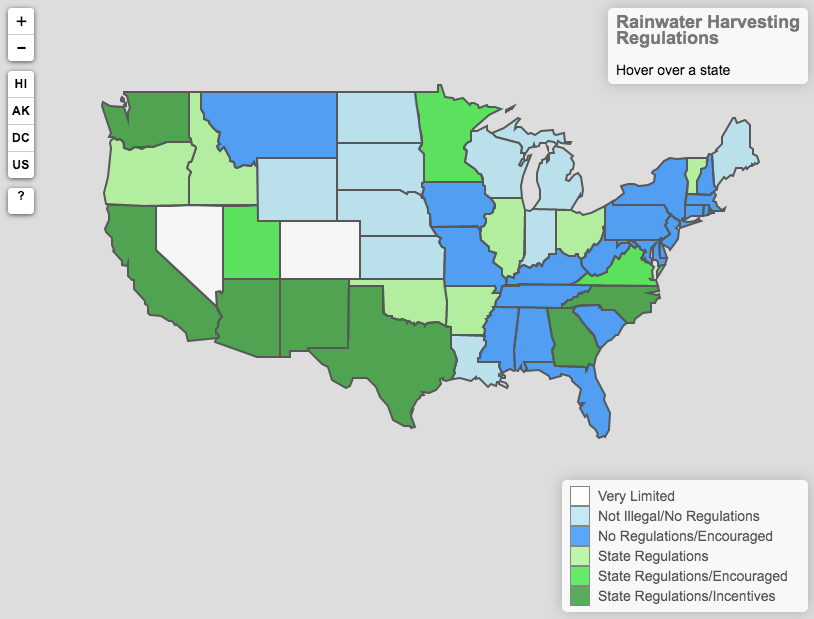
The Colorado Rainwater Collection Act wasn’t merely a capitulation to public demand; it was a carefully considered piece of legislation designed to achieve multiple objectives within the framework of Colorado’s unique water challenges.
Balancing Conservation and Existing Water Rights
The primary challenge for legislators was to find a way to encourage water conservation without jeopardizing the existing system of water rights. By limiting collection to two barrels and 110 gallons per household, the law minimizes the cumulative impact on downstream users. Studies conducted prior to the bill’s passage suggested that the amount of water collected by widespread residential rainwater harvesting would be negligible compared to the total volume of water flowing through Colorado’s river basins, thus ensuring that senior water rights holders would not be significantly injured. This balance allows individual households to contribute to localized conservation efforts by reducing their reliance on treated municipal water for non-potable uses.
Ensuring Water Quality and Safety
Another critical aspect of the legislation is the restriction of collected rainwater to non-potable uses. Rainwater collected from roofs can pick up various contaminants, including bird droppings, dust, pollutants from the air, and chemicals from roofing materials. Without proper filtration and treatment, consuming such water can pose health risks. By limiting its use to outdoor irrigation or toilet flushing, the law helps prevent potential public health issues, aligning with broader water safety standards. This ensures that while individuals can conserve, they do so safely and responsibly.
Economic and Environmental Considerations
From an economic perspective, rainwater harvesting can offer homeowners a way to reduce their water bills, especially during dry periods when outdoor irrigation demands are high. Environmentally, it promotes a more sustainable approach to water management by utilizing a free, natural resource and reducing the energy associated with pumping and treating municipal water. The act also serves as an educational tool, raising awareness about water scarcity and the importance of conservation in a state heavily reliant on its snowpack and river systems. It encourages citizens to think actively about their water footprint and participate in local environmental stewardship, which is an increasingly vital part of Colorado’s local culture.
Practical Tips for Colorado Residents and Prospective Visitors
For anyone living in or considering a move to Colorado, understanding these nuances is essential. It’s not just about collecting water; it’s about engaging responsibly with the local environment and its unique legal framework.
Understanding Your Property’s Water Rights
Before installing any rainwater collection system, even a small one, it’s always a good practice to understand your property’s specific water situation. If you have an exempt well, confirm its permit conditions. For municipal water users, the 110-gallon residential limit is the key. While the Colorado Rainwater Collection Act provides a clear pathway, being informed about the broader context of water rights in your specific locale is a valuable “local tip” for any Colorado resident or landowner.
Best Practices for Rainwater Harvesting
Even with the legal green light, implementing rainwater harvesting responsibly involves some best practices:
- Proper Installation: Ensure rain barrels are securely installed on a level surface to prevent tipping, especially when full. Connect them properly to downspouts to minimize spillage.
- Maintenance: Regularly clean your rain barrels and gutters to prevent debris buildup and mosquito breeding. Use screens on openings to keep out insects and leaves.
- Safety: Clearly label collected water as “non-potable” to prevent accidental consumption. Keep barrels covered and inaccessible to small children or pets.
- Efficient Use: Use the collected water efficiently for its intended purpose. Avoid overwatering plants, which can lead to runoff and waste.
Resources for Further Information
For the most up-to-date and specific information, consult official state resources. The Colorado Division of Water Resources and the Colorado Water Conservation Board are excellent starting points. Local municipalities or county extension offices may also offer guidance tailored to specific regions within Colorado, providing valuable local insights into water management practices.
Beyond the Law: The Future of Water Management in Colorado
The legalization of residential rainwater harvesting in Colorado is more than just a legislative change; it reflects an evolving understanding of water resources in the face of climate change, population growth, and increasing demands.
The Role of Sustainable Practices
Rainwater harvesting, even on a small scale, symbolizes a broader shift towards sustainable living. It empowers individuals to take a more active role in water conservation, aligning with Colorado’s commitment to environmental stewardship. As droughts become more frequent and severe, every drop saved becomes more valuable, fostering a culture of resourcefulness and responsibility that is crucial for the state’s long-term environmental health.
Ongoing Debates and Policy Evolution
While HB 16-1005 was a significant step, the debate over water rights in Colorado is far from over. Discussions continue regarding broader allowances for rainwater harvesting, particularly for larger systems, and the integration of new technologies for water reuse and conservation. The balance between protecting existing water rights and adapting to future needs remains a central challenge, continually shaping the legislative and cultural landscape surrounding water in the state.
In conclusion, collecting rainwater in Colorado is no longer broadly illegal, but rather a carefully regulated practice. While the state’s historical water laws created a strict environment, contemporary legislation permits residential collection under specific conditions, reflecting a thoughtful compromise between tradition and modern conservation needs. For residents and visitors alike, understanding these nuances is a key “tip” for engaging with the unique environmental and legal fabric of the Centennial State.
LifeOutOfTheBox is a participant in the Amazon Services LLC Associates Program, an affiliate advertising program designed to provide a means for sites to earn advertising fees by advertising and linking to Amazon.com. Amazon, the Amazon logo, AmazonSupply, and the AmazonSupply logo are trademarks of Amazon.com, Inc. or its affiliates. As an Amazon Associate we earn affiliate commissions from qualifying purchases.