
Embarking on a career in law enforcement in California is more than just choosing a job; it’s adopting a distinct lifestyle characterized by commitment, discipline, and a profound sense of public service. The journey begins with the police academy, a transformative experience designed to forge civilians into competent and ethical peace officers. Aspiring candidates often wonder about the duration of this intensive training. While a straightforward answer might suggest a few months, the true length of becoming a California peace officer extends far beyond the academy walls, encompassing a continuous commitment to learning and professional development that shapes an individual’s entire way of life. This article delves into the various formats and stages of police training in California, providing an insightful look into the rigorous path ahead and its profound impact on one’s lifestyle.
The Rigorous Path to Becoming a California Peace Officer
The foundation of law enforcement training in California is meticulously governed by the Peace Officer Standards and Training (POST) program. POST sets the statewide standards for recruitment, selection, training, and professional conduct, ensuring that all peace officers meet a consistent benchmark of excellence. The Basic Academy, mandated by POST, is the primary gateway to a law enforcement career, offering both intensive and modular formats to accommodate diverse candidate needs and agency requirements. Understanding these formats is crucial for anyone considering this demanding yet rewarding lifestyle.
Understanding the POST Basic Academy
The California POST Basic Academy curriculum is comprehensive, covering a vast array of subjects deemed essential for modern policing. This includes everything from criminal law and constitutional law to firearms proficiency, defensive tactics, emergency vehicle operations, and advanced communication skills. The academy isn’t merely a place for academic instruction; it’s a crucible where recruits are tested physically, mentally, and emotionally, preparing them for the unpredictable challenges of police work. The choice between the intensive and modular formats often depends on an individual’s personal circumstances, whether they are sponsored by an agency, and their existing life commitments. Each path, while differing in pace, leads to the same outcome: eligibility to serve as a peace officer.
The Intensive Format: A Full-Time Commitment
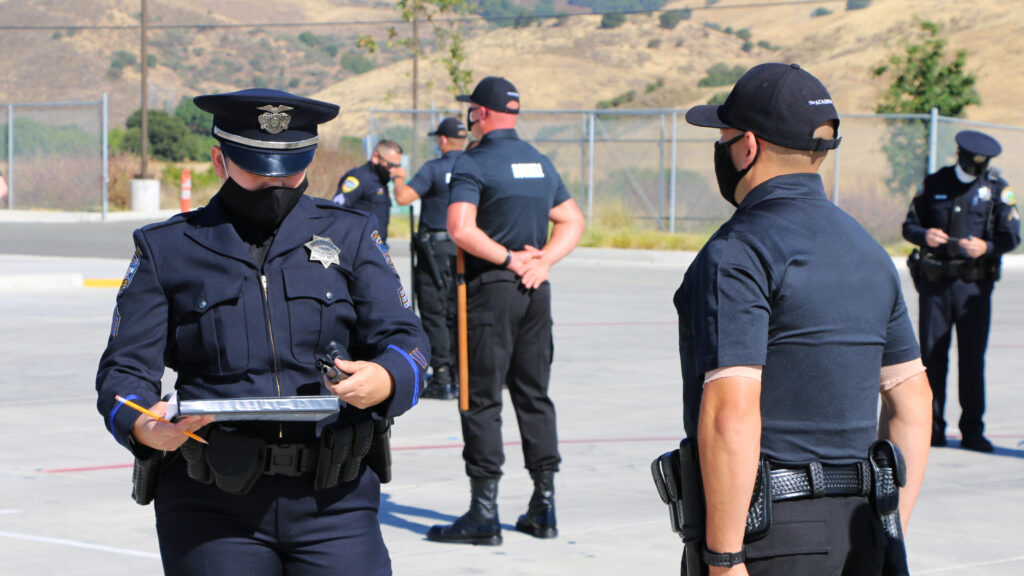
For most aspiring officers, the intensive format is the most common and direct route. This full-time program demands unwavering dedication, typically spanning approximately 24 to 34 weeks, or roughly six to eight months. During this period, recruits immerse themselves entirely in the academy experience, accumulating between 800 to 1,000 hours of instruction and practical training. Academies like the Golden West College Police Academy in Huntington Beach, the Sacramento Sheriff’s Academy, or the Los Angeles Police Academy operate with a para-military structure. Recruits live by strict schedules, often starting their days before dawn with physical training, followed by a full day of classroom instruction, tactical drills, and scenario-based exercises. Weekends are frequently consumed by studying, preparing uniforms, and managing the demands of academy life.
This intensive period is a complete lifestyle overhaul. Personal time is significantly curtailed, and recruits are expected to maintain peak physical condition, absorb vast amounts of information, and demonstrate unwavering discipline. It’s a test of resilience, teamwork, and commitment, designed to instill the core values of law enforcement and prepare individuals for the immense responsibilities they will soon bear. Graduating from an intensive academy signifies not just the completion of a course, but a fundamental shift in one’s identity and life trajectory.
The Modular Format: Flexibility for Life
For individuals who cannot commit to a full-time, intensive program due perhaps to existing family responsibilities, employment, or other personal circumstances, California POST offers the modular academy format. This option provides greater flexibility but extends the overall training duration significantly. The modular academy is divided into three distinct levels:
- Module III (Level III): Focuses on basic law enforcement procedures, patrol operations, and physical fitness, typically lasting 100-200 hours. Completion allows limited law enforcement functions, usually within private security or specialized community service roles.
- Module II (Level II): Builds upon Module III, adding more advanced topics like firearms, defensive tactics, and emergency vehicle operations, typically 200-300 hours. Completion allows for more extensive duties, often as a reserve officer with specific limitations.
- Module I (Level I): The final and most extensive module, covering advanced tactical training, criminal investigations, and community policing, typically 400-500 hours. This module completes the requirements of the Basic Academy.
Collectively, the modular academy accumulates the same number of training hours as the intensive program (800-1000 hours), but it can take anywhere from one to three years, or even longer, to complete all modules. While offering flexibility, this format requires sustained motivation and dedication over an extended period. It’s a testament to the commitment of those who pursue a law enforcement career while balancing other life obligations, demonstrating that the lifestyle of a peace officer is accessible through different pathways, each requiring its unique brand of perseverance.
Beyond the Classroom: Curriculum and Challenges
The police academy curriculum is meticulously designed to create well-rounded officers capable of handling the multifaceted demands of modern policing. It’s not just about learning laws; it’s about developing character, critical thinking, and practical skills. The challenges extend far beyond memorization, pushing recruits to their physical, mental, and emotional limits to ensure they are prepared for the realities of the field.
A Multifaceted Training Regimen
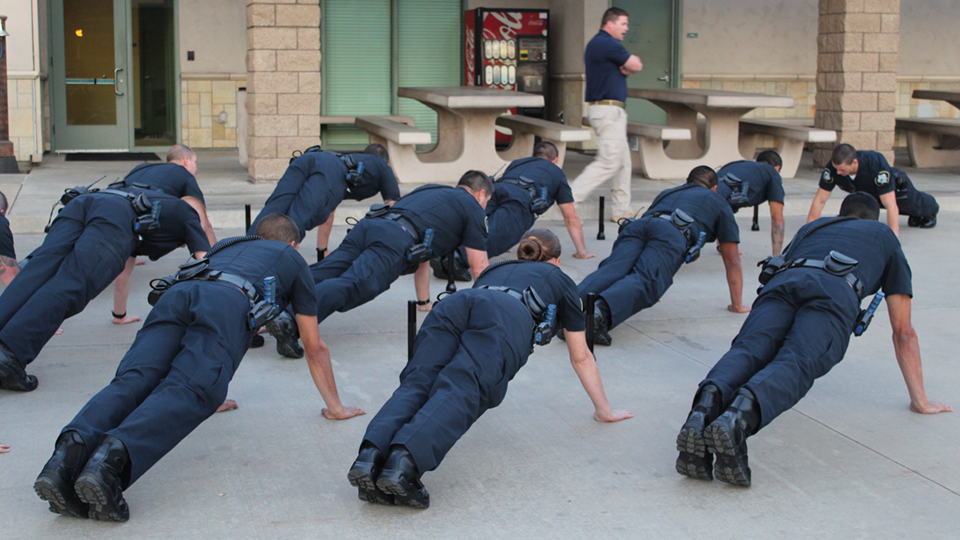
The training regimen is incredibly diverse, ensuring that every recruit develops a comprehensive skill set. Physical fitness is paramount, with daily exercises designed to build strength, endurance, and agility. This often includes running, calisthenics, obstacle courses, and defensive tactics training, where recruits learn techniques for self-defense, control, and apprehension. Firearms training is another critical component, encompassing safe handling, marksmanship, and tactical shooting scenarios. Recruits spend extensive time on the firing range, honing their precision and decision-making under stress.
Academically, the curriculum delves deep into criminal law, constitutional law, evidence, and court procedures. Ethics and professionalism are continuously emphasized, instilling the importance of integrity and accountability. Beyond the classroom, recruits participate in simulated scenarios covering everything from traffic stops and domestic disturbances to active shooter situations and crowd control. These practical exercises are vital for developing sound judgment, de-escalation techniques, and effective communication skills, all of which are hallmarks of a successful and ethical peace officer lifestyle. The rigorous nature of this training aims to make competent actions second nature when faced with real-world pressures.
The Mental and Emotional Demands
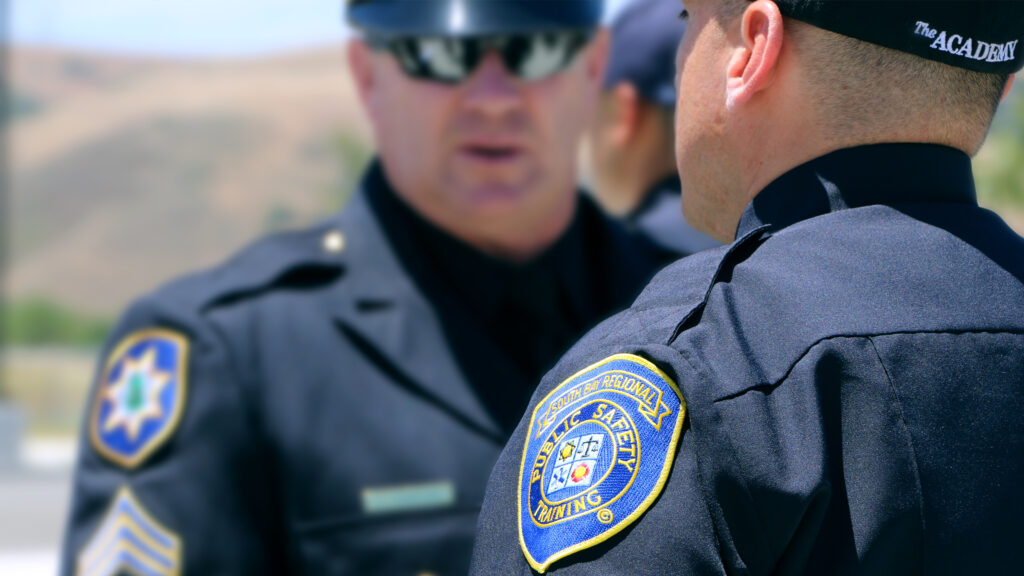
Perhaps the most underestimated aspect of the police academy is the immense mental and emotional toll it takes. Recruits are constantly under scrutiny, expected to perform flawlessly, and pushed to overcome personal limitations. The high-stress environment, coupled with sleep deprivation and constant pressure, tests resilience and character. Teamwork is relentlessly emphasized, as officers must rely on each other in the field. Leadership skills are fostered through various assignments and challenges, preparing individuals to take charge in critical situations.
The academy experience is fundamentally about transformation. It strips away old habits and instills new behaviors, fostering a mindset of discipline, respect, and service. Recruits learn to compartmentalize emotions, make split-second decisions under pressure, and maintain composure in chaotic circumstances. This psychological conditioning is crucial for developing the emotional fortitude required to face the daily traumas and moral dilemmas inherent in law enforcement, shaping a lifestyle where mental resilience is as important as physical strength.
Post-Academy Life: The Field Training Officer (FTO) Program
Graduating from the police academy is a monumental achievement, but it marks the beginning, not the end, of an officer’s training. The transition from the controlled environment of the academy to the unpredictable streets is bridged by the Field Training Officer (FTO) program, an essential next step in developing a fully competent and independent peace officer. This stage is arguably just as critical as the academy itself in shaping the professional lifestyle of a law enforcement professional.
Bridging Academy and Reality
Upon graduation, new officers are typically assigned to an FTO program, which usually lasts between 14 to 20 weeks, depending on the agency. During this period, the probationary officer (also known as a “rookie” or “probie”) is paired with an experienced FTO who provides one-on-one, hands-on training and mentorship in a real-world patrol setting. The FTO acts as a direct supervisor, trainer, and evaluator, guiding the new officer through actual calls for service, traffic stops, investigations, and community interactions.
The FTO program is where classroom theory meets street reality. It’s an intensive period of applying academy knowledge, refining practical skills, and learning the specific policies and procedures of their hiring agency. The FTO evaluates the rookie daily across numerous performance categories, providing feedback and correcting deficiencies. This phase is crucial for developing independent decision-making abilities, tactical proficiency, and the nuanced understanding of human behavior required for effective policing. It’s a continuous learning process that profoundly impacts the officer’s professional confidence and operational style.
The Probationary Period: Continued Growth
Following successful completion of the FTO program, new officers typically enter a one-year probationary period. While they are now operating independently, they remain under close supervision and continued evaluation by their immediate supervisors. This period is a final assessment of their suitability for the profession and their ability to uphold the agency’s standards and values. Performance, conduct, and judgment are continuously monitored, ensuring that the officer fully integrates into the department and consistently demonstrates the integrity and competence expected of a California peace officer.
The probationary period is a time of continued growth, where officers solidify their skills, build relationships within the community, and find their rhythm in the demanding lifestyle of law enforcement. It reinforces the understanding that becoming a police officer is not a finite process but a lifelong commitment to learning, adapting, and serving.
Factors Influencing Academy Duration and Success
The overall duration of training and the likelihood of success in a law enforcement career are influenced by various factors, ranging from individual preparedness to specific agency requirements. Understanding these elements is vital for anyone considering this demanding career path, as they significantly impact the journey and the resulting lifestyle.
Individual Readiness and Agency Requirements
Success in the police academy, regardless of its duration, heavily depends on individual readiness. Candidates who enter the academy with a solid foundation in physical fitness, strong academic skills, and a clear understanding of the commitment required tend to fare better. Pre-academy preparation, such as physical conditioning programs and studying basic legal concepts, can significantly ease the transition. Agencies, too, play a role; some, like the Los Angeles Police Department or the San Francisco Police Department, may have their own specific academy programs or additional requirements that extend beyond the POST minimums, tailoring training to the unique challenges of their respective jurisdictions. The selection process itself, involving background checks, psychological evaluations, and polygraph examinations, is also a lengthy endeavor that precedes academy entry, adding to the overall “duration” of becoming an officer.
The Lifestyle Transformation
Ultimately, the question “How long is the police academy in California?” transcends a simple number of months or years. It represents a fundamental and enduring lifestyle transformation. From the moment a recruit steps into the academy, their life changes irrevocably. They commit to a life of discipline, ethical conduct, continuous learning, and selfless public service. This lifestyle often involves irregular hours, high-stress situations, and the constant need for vigilance. It impacts personal relationships, social activities, and even one’s outlook on the world. The sacrifices are significant, but for those called to it, the rewards of protecting communities and upholding justice are immeasurable. The academy is merely the initiation into a lifelong journey dedicated to a unique and vital way of living.
In conclusion, the police academy in California typically lasts 6 to 8 months for the intensive format or 1 to 3+ years for the modular path. However, this period is just the beginning. When factoring in the subsequent FTO program and probationary year, the full training and assimilation into the law enforcement lifestyle often spans well over a year, and often closer to two years, of rigorous, structured development. This extensive duration underscores the immense dedication and profound lifestyle commitment required to become a California peace officer. It is a path not for the faint of heart, but for those ready to embrace a life defined by courage, service, and an unwavering commitment to public safety.
LifeOutOfTheBox is a participant in the Amazon Services LLC Associates Program, an affiliate advertising program designed to provide a means for sites to earn advertising fees by advertising and linking to Amazon.com. Amazon, the Amazon logo, AmazonSupply, and the AmazonSupply logo are trademarks of Amazon.com, Inc. or its affiliates. As an Amazon Associate we earn affiliate commissions from qualifying purchases.