
Living in California, a state renowned for its vibrant culture, stunning landscapes, and innovative spirit, comes with a myriad of considerations for residents. Beyond choosing where to live, what activities to pursue, or how to manage daily commutes, understanding the state’s healthcare landscape is a fundamental aspect of responsible lifestyle planning. A common question that arises for both long-term residents and newcomers alike is whether it is legally mandated to have health insurance. The short answer is yes, California does have an individual health insurance mandate, meaning most residents are required to have qualifying health coverage or potentially face a state tax penalty. This directive significantly influences the financial stability, health outcomes, and overall peace of mind that define one’s lifestyle within the Golden State.
The decision to secure health insurance isn’t just about avoiding a penalty; it’s a proactive step towards safeguarding one’s financial future and ensuring access to essential medical care. Without adequate coverage, a sudden illness or accident can quickly escalate into a catastrophic financial burden, disrupting an otherwise carefully planned lifestyle. From managing routine check-ups to navigating unexpected emergencies, health insurance plays a pivotal role in enabling individuals and families to thrive without the constant apprehension of overwhelming medical debt. This article delves into the specifics of California’s mandate, explores the profound lifestyle implications of being uninsured, and outlines the various avenues available for securing comprehensive health coverage, all aimed at fostering a more secure and enjoyable life in one of America’s most dynamic states.
Navigating Health Coverage as a California Resident
Understanding the legal framework around health insurance in California is crucial for anyone planning their life within the state. The individual mandate in California is a distinctive feature of its healthcare system, setting it apart from the federal landscape after the repeal of the federal individual mandate penalty. This state-level requirement underscores California’s commitment to ensuring its residents have access to healthcare and to stabilizing its insurance markets.
The Individual Mandate and Its Evolution
The federal Affordable Care Act (ACA) initially included an individual mandate that required most Americans to have health insurance or pay a tax penalty. However, effective January 1, 2019, the federal penalty for not having health insurance was reduced to $0, essentially eliminating the federal mandate. In response, and to protect its healthcare gains, California enacted its own state-level individual mandate, which took effect on January 1, 2020. This move was designed to ensure that as many residents as possible maintain health coverage, preventing a potential rise in uninsured rates, which could destabilize insurance markets and lead to higher premiums for everyone.
The California individual mandate, formally known as the Individual Shared Responsibility Penalty, requires California residents to either maintain minimum essential coverage for themselves and their dependents throughout the year, qualify for an exemption, or pay a penalty when filing their state income tax return. This legislative decision reflects a broader lifestyle philosophy in California that emphasizes collective well-being and shared responsibility in supporting a robust healthcare system. For individuals, it integrates health planning directly into their annual financial and lifestyle considerations, just like budgeting for housing or transportation.
Understanding the Penalties and Exemptions
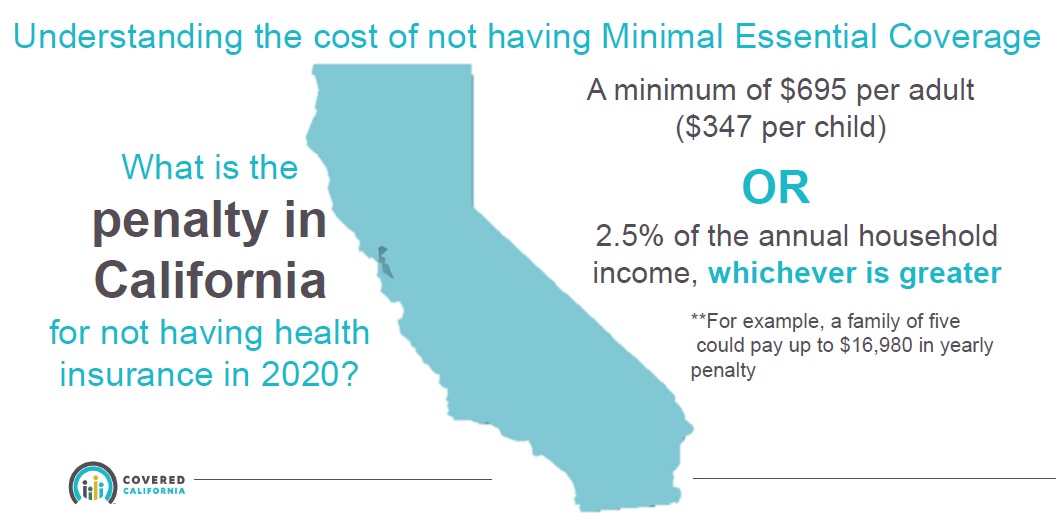
The penalty for not having qualifying health insurance in California can be substantial. For the 2023 tax year, for example, the penalty for an adult without coverage for the entire year is at least $850, and for a family of four, it could be $2,550 or more. This amount is adjusted annually for inflation. The penalty is calculated based on either a flat dollar amount per individual or a percentage of household income, whichever is greater. It’s a financial consequence that directly impacts a resident’s discretionary income and savings, making it a critical lifestyle consideration.
However, California also recognizes that not everyone can afford health insurance or may have unique circumstances. The state offers a range of exemptions from the mandate. These exemptions can be based on several factors, including:
- Financial Hardship: If the lowest-priced coverage available is deemed unaffordable based on a percentage of household income.
- Short Coverage Gaps: Gaps in coverage lasting less than three consecutive months.
- Religious Conscience: Certain religious sects that oppose accepting benefits from any private or public insurance system.
- Incarceration: Individuals who are incarcerated.
- Non-citizens: Those who are not lawfully present in the United States.
- Residency: Individuals who are not residents of California for the entire tax year.
Understanding these exemptions is vital for residents to assess their obligations and avoid unnecessary penalties. The California Franchise Tax Board (FTB) is the state agency responsible for administering the penalty and providing detailed information on exemptions. For a well-rounded California lifestyle, residents must factor this mandate into their annual planning, ensuring they either secure coverage or confirm their eligibility for an exemption.
The Lifestyle Impact of Being Uninsured in California
While the financial penalty for not having health insurance in California is a significant consideration, the broader lifestyle implications of being uninsured extend far beyond a tax bill. Living without health coverage introduces a pervasive sense of vulnerability, impacting financial stability, access to care, and overall quality of life. For residents striving to maintain a balanced and secure California lifestyle, these factors are paramount.
Financial Risks and Medical Debt
The most immediate and severe impact of being uninsured is the enormous financial risk posed by unexpected medical events. A single emergency room visit, a hospital stay for an illness, or even a diagnostic test can generate bills amounting to thousands, or even tens of thousands, of dollars. For someone without insurance, these costs fall directly on their shoulders, often leading to medical debt. Medical debt is a leading cause of bankruptcy in the United States and can severely derail an individual’s financial plans, impacting credit scores, ability to secure loans for housing or education, and long-term savings goals.
Imagine planning for a down payment on a home in Los Angeles or saving for a child’s college education, only to have those aspirations shattered by an unforeseen medical emergency that racks up overwhelming bills. This financial precarity forces individuals to make difficult choices, potentially delaying or forgoing other important lifestyle investments. Furthermore, without insurance, even routine preventative care or necessary medications can become unaffordable, leading to neglected health issues that worsen over time, culminating in more expensive and complex treatments down the line. This cycle of deferred care and escalating costs creates a perpetual state of financial stress, antithetical to the vibrant, worry-free lifestyle many seek in California.
Access to Care and Quality of Life
Beyond the financial strain, being uninsured significantly limits access to timely and quality healthcare services. Uninsured individuals often defer necessary medical appointments, skip preventative screenings, and delay seeking care for symptoms until they become critical. This not only jeopardizes individual health but also contributes to a lower overall quality of life. Regular check-ups, vaccinations, and early detection screenings are cornerstones of preventative medicine, enabling individuals to maintain their health and address potential issues before they become severe. Without insurance, these vital services are often out of reach.
When an uninsured person does seek care, they are often relegated to emergency rooms for non-emergency conditions, which are the most expensive point of entry into the healthcare system and not designed for continuous, comprehensive care. Establishing a relationship with a primary care physician, which is foundational for effective health management, becomes nearly impossible. This lack of continuity in care means conditions may be mismanaged, diagnoses delayed, and overall health outcomes diminished.
From a lifestyle perspective, this translates into chronic worry about health, reduced participation in activities due to untreated conditions, and a general feeling of insecurity. A healthy lifestyle in California often involves outdoor activities, sports, and community engagement; however, without the safety net of health insurance, the risk of injury or illness can deter participation, diminishing the enjoyment of all that the state has to offer. Ultimately, being uninsured in California isn’t just about a tax penalty; it’s about forfeiting peace of mind, risking financial ruin, and compromising one’s ability to live a full, healthy, and engaged life.

Options for Securing Health Insurance in California
For California residents, the options for securing health insurance are diverse, designed to cater to various income levels, employment statuses, and personal circumstances. Understanding these avenues is critical for making informed decisions that align with one’s lifestyle and financial planning goals, ensuring compliance with the state mandate while also protecting against unexpected health costs.
Covered California: Your Marketplace Gateway
Covered California is the state’s official health insurance marketplace, established under the Affordable Care Act. It serves as a central hub where individuals, families, and small businesses can compare and enroll in health insurance plans from various private insurance companies. All plans offered through Covered California are required to cover a set of “essential health benefits,” including doctor visits, hospital stays, prescription drugs, maternity care, and mental health services.
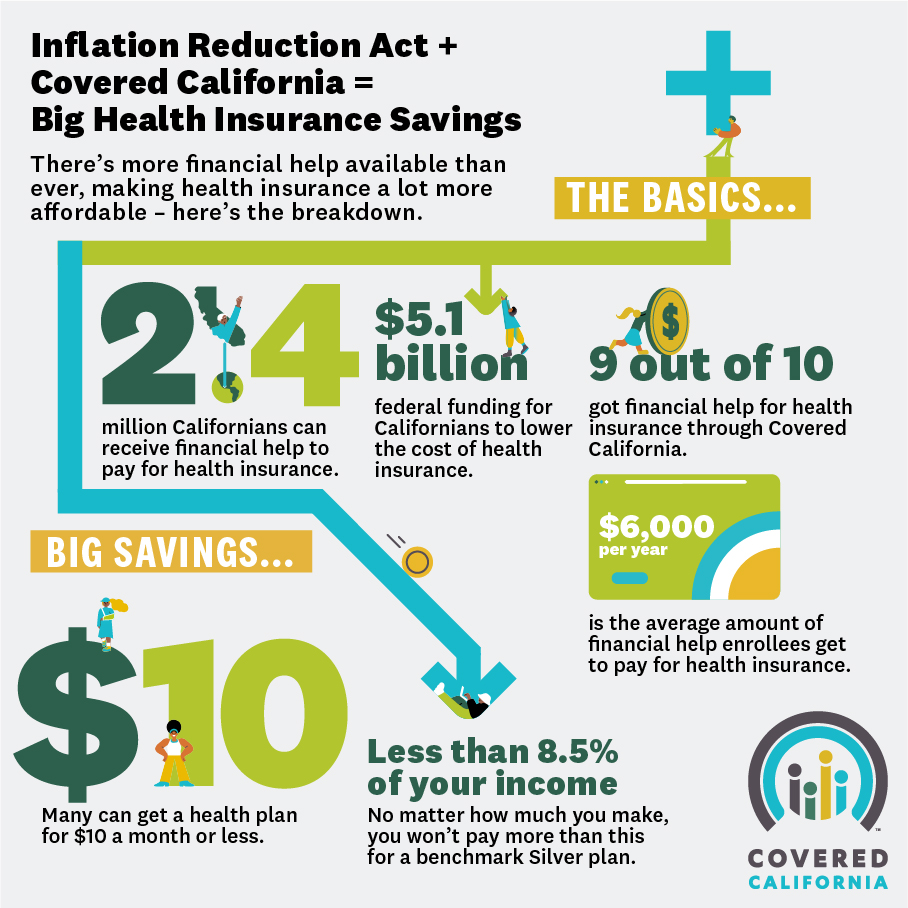
One of the most significant advantages of Covered California is the availability of financial assistance. Many individuals and families qualify for subsidies (tax credits) that reduce their monthly premium costs, and some may also qualify for cost-sharing reductions that lower out-of-pocket expenses like deductibles and co-pays. California has also implemented its own state subsidies, in addition to federal ones, making coverage even more affordable for middle-income residents who might not qualify for federal assistance. This robust system of financial aid is a cornerstone of California’s efforts to make healthcare accessible, directly impacting the lifestyle budget of millions. Enrollment typically occurs during an annual open enrollment period, though special enrollment periods are available for those experiencing qualifying life events, such as marriage, birth of a child, or loss of other coverage.
Employer-Sponsored Plans and Government Programs
For many California residents, their primary source of health insurance comes through their employer. Employer-sponsored plans are often comprehensive and can be a cost-effective option, as employers typically contribute a significant portion of the premium. If you are employed, checking with your human resources department about available health benefits should be your first step. These plans are generally considered qualifying health coverage under the state mandate.
Additionally, California offers several government-funded programs for those who meet specific income and eligibility requirements. Medi-Cal is California’s Medicaid program, providing free or low-cost health coverage to low-income adults, families with children, pregnant women, seniors, and individuals with disabilities. Eligibility for Medi-Cal is primarily based on income relative to the federal poverty level. For children and pregnant individuals, there are often higher income thresholds, making it a critical safety net for vulnerable populations. For those aged 65 or older, or individuals with certain disabilities, Medicare (a federal program) combined with supplemental plans can provide comprehensive coverage. Understanding eligibility for these programs is essential for those whose lifestyle budgets may not accommodate private insurance.
Private Insurance and Short-Term Solutions
Beyond Covered California and employer plans, individuals can also purchase health insurance directly from private insurance companies outside the marketplace. While these plans typically do not offer federal or state subsidies, they can be an option for those who do not qualify for financial assistance or prefer a different range of plan options. However, it’s crucial to ensure that any private plan meets the “minimum essential coverage” requirements of the California mandate to avoid penalties.
For individuals facing temporary gaps in coverage, short-term health insurance plans might seem like an attractive solution due to their lower premiums. However, it’s vital to understand that short-term plans often do not meet the minimum essential coverage requirements under California law. They typically offer limited benefits, often exclude pre-existing conditions, and do not provide the consumer protections mandated by the ACA. Relying solely on a short-term plan could still result in a state tax penalty and leave individuals vulnerable to significant medical costs. Therefore, for a stable California lifestyle, these are generally not recommended as a primary, long-term solution. When considering any insurance product, a thorough review of its compliance with the California mandate and its scope of coverage is paramount.
Proactive Health Planning: A Cornerstone of California Living
Embracing health insurance in California goes beyond merely fulfilling a legal obligation; it’s a strategic component of a well-rounded and resilient lifestyle. Proactive health planning, which inherently includes securing robust health coverage, ensures that residents can fully enjoy the diverse opportunities and experiences that California offers without the looming threat of financial catastrophe or compromised well-being. This approach integrates health considerations into the broader fabric of personal finance, family security, and mental tranquility.
Budgeting for Healthcare Costs
In a state with a relatively high cost of living like California, effective budgeting is key to financial stability. Healthcare costs, including premiums, deductibles, co-pays, and out-of-pocket maximums, are significant components of any household budget. By proactively researching and securing an appropriate health insurance plan, residents can accurately account for these expenses, integrating them into their monthly or annual financial planning. This foresight allows for better allocation of funds towards other lifestyle pursuits, such as housing, education, travel, or leisure activities without the constant stress of potential unforeseen medical bills.
When budgeting for healthcare, it’s not just about the monthly premium. Consider the total out-of-pocket maximum, which is the most you would have to pay for covered services in a plan year before your health insurance plan starts to pay 100% of the cost. Understanding this figure is vital for setting aside an emergency fund specifically for medical expenses. This comprehensive approach to budgeting empowers individuals to maintain control over their finances, ensuring that an unexpected illness doesn’t completely derail their financial health or their ability to enjoy their chosen California lifestyle.
The Peace of Mind Factor
Perhaps one of the most invaluable benefits of having health insurance is the profound peace of mind it provides. Knowing that you and your loved ones are covered in case of illness or injury alleviates a significant source of stress and anxiety. This mental tranquility is a foundational element of a high-quality lifestyle. It allows individuals to focus on their careers, hobbies, family, and community engagement without the constant worry of medical emergencies leading to insurmountable debt.
The ability to access medical care without hesitation, whether for a routine check-up, a sudden urgent care need, or a serious condition, contributes immensely to overall well-being. This sense of security fosters greater confidence in pursuing an active lifestyle, engaging in outdoor adventures in places like Yosemite National Park or enjoying the vibrant urban scenes of San Francisco and San Diego. It removes the internal barrier that prevents uninsured individuals from seeking necessary care, ensuring that minor health issues are addressed before they escalate into major problems. This proactive approach to health, underpinned by reliable insurance, empowers residents to live their fullest, most vibrant California lives.
Resources for Informed Decisions
California provides a wealth of resources to help residents navigate the complexities of health insurance. Covered California offers extensive online tools, including a shop-and-compare tool, and access to certified enrollment counselors who can provide personalized assistance in multiple languages. These counselors can help assess eligibility for financial assistance, explain plan options, and guide individuals through the enrollment process.
The California Department of Managed Health Care (DMHC) and the California Department of Insurance (CDI) also offer consumer protection and information regarding health plans. Additionally, community health centers and non-profit organizations often provide free or low-cost assistance and information on healthcare access. Utilizing these resources is a smart lifestyle choice, ensuring that decisions about health coverage are well-informed and tailored to individual and family needs. By actively engaging with these support systems, California residents can confidently fulfill their legal obligations while simultaneously investing in their personal health and financial resilience, ultimately enriching their experience of life in this dynamic state.
LifeOutOfTheBox is a participant in the Amazon Services LLC Associates Program, an affiliate advertising program designed to provide a means for sites to earn advertising fees by advertising and linking to Amazon.com. Amazon, the Amazon logo, AmazonSupply, and the AmazonSupply logo are trademarks of Amazon.com, Inc. or its affiliates. As an Amazon Associate we earn affiliate commissions from qualifying purchases.