
Florida, often referred to as the Sunshine State, beckons millions of travelers each year with its pristine beaches, world-famous theme parks, vibrant cities, and unique natural wonders. From the magical realm of Walt Disney World Resort in Orlando to the bustling cultural hubs of Miami and the historic charm of St. Augustine, there’s an endless array of experiences to capture. In an age where nearly everyone carries a smartphone capable of recording both audio and video, the urge to document every moment of a trip or even a simple interaction is strong. However, for those visiting or residing in Florida, understanding the specific laws regarding recording conversations is paramount. Unlike some other parts of the United States, Florida operates under a “two-party consent” rule, which carries significant implications for tourists, business travelers, and locals alike. Navigating these regulations is crucial to ensure your travel memories or daily interactions don’t inadvertently lead to legal complications. This comprehensive guide will delve into the nuances of Florida’s recording laws, offering practical advice for various travel and lifestyle scenarios, from enjoying a stay at a luxury resort to engaging with local services.
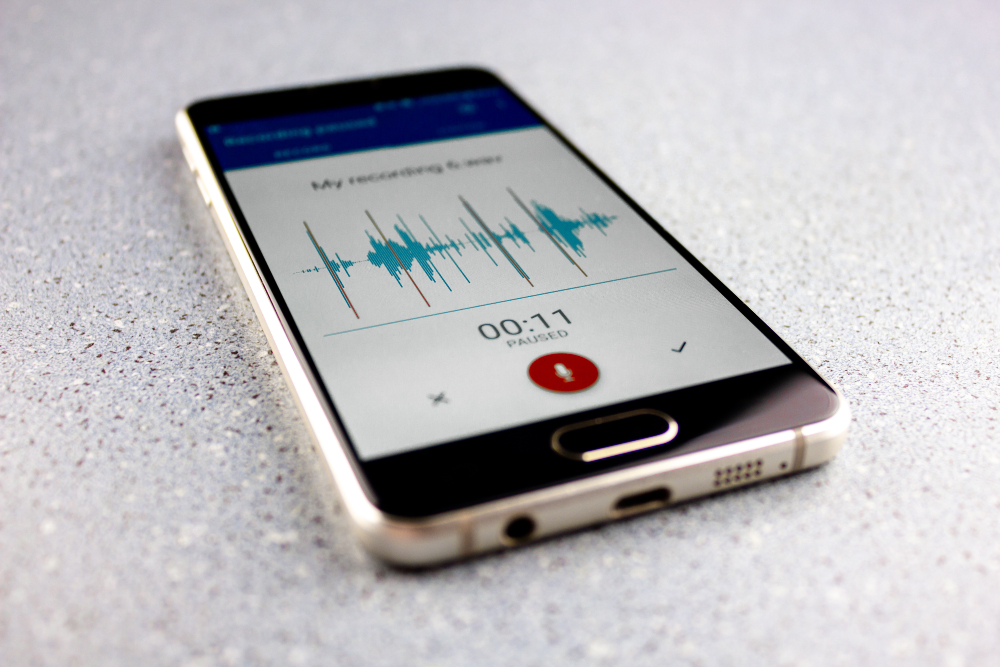
Understanding Florida’s Consent Laws: A Traveler’s Guide
When you pack your bags for a trip to the Sunshine State, whether it’s for a family vacation to Universal Studios Florida or a romantic getaway to the Florida Keys, you likely consider what to bring, where to stay, and what attractions to visit. What often goes unconsidered, however, are the specific legal frameworks governing seemingly innocuous actions like recording a conversation. Florida’s stance on recording is distinct and crucial for anyone wishing to document their experiences digitally.
The “Two-Party Consent” Rule Explained
At the heart of Florida’s wiretapping laws is the principle of “two-party consent.” This means that, with very few exceptions, it is illegal to record an in-person or telephonic conversation without the knowledge and consent of all parties involved in the conversation. This is enshrined in Florida Statute § 934.03. The law specifically addresses “interception” of oral communications, defining it broadly to include the use of any electronic, mechanical, or other device to acquire the contents of any wire, oral, or electronic communication.
This rule is a significant departure from “one-party consent” states, where you only need your own consent to record a conversation you are a part of. In Florida, if you’re speaking with someone, and you want to record the interaction, you must inform them that you are recording and obtain their explicit permission. This permission doesn’t necessarily have to be in writing; verbal consent is often sufficient, provided it is clear and unambiguous, and ideally, captured on the recording itself. Failing to secure this consent can lead to severe legal consequences, including felony charges and civil lawsuits, which can severely impact your travel plans or even your life back home. This applies whether you’re negotiating a booking for an Airbnb in Miami or simply chatting with a tour guide in Everglades National Park.
What Constitutes an “Expectation of Privacy”?
The “two-party consent” rule primarily applies to conversations where there is a reasonable expectation of privacy. This concept is central to understanding where and when you need consent. Generally, if people are in a setting where they would reasonably believe their conversation is not being overheard or recorded, an expectation of privacy exists.
- Private Settings: This unequivocally includes private residences, hotel rooms (like those found at a Ritz-Carlton or Four Seasons property), rented villas, private offices, and potentially even quieter corners of restaurants or hotel lobbies where a private discussion is clearly intended. Conversations over the phone also inherently carry an expectation of privacy. If you are having a conversation in your suite at The Don CeSar in St. Pete Beach, for instance, all parties certainly expect privacy.
- Public Settings (with Nuances): The line blurs in public spaces. While general public chatter in a crowded park, on a busy street in South Beach, or at a lively festival might not carry an expectation of privacy, an individual conversation between two people in a less public part of a park or a quiet café could still fall under the two-party consent rule if they are discussing private matters and reasonably believe their conversation is not for public consumption. For example, if you’re interviewing someone for a travel blog in a public square, it’s always safer and legally sound to ask for their consent. The key is whether the individuals involved have taken reasonable steps to ensure their conversation remains private. Video recording in public, without audio, is generally permissible, but adding audio to a private conversation without consent could cross the line.
Practical Scenarios for Visitors and Tourists
For those traveling through Florida, navigating the legalities of recording can be a constant concern. Whether you’re capturing the vibrancy of Tampa’s Riverwalk, documenting a frustrating customer service experience, or simply wanting to remember a funny anecdote from a tour, these laws apply.
Recording in Public Spaces vs. Private Settings
As discussed, the difference between public and private settings is critical. If you are walking through the Art Deco Historic District of Miami Beach, filming the streetscape and capturing ambient sounds, this is generally permissible as there is no reasonable expectation of privacy for general public sounds. However, if you zoom in on two people having a quiet conversation on a bench and intentionally record their private discussion, you could be violating the law if you don’t have their consent. The focus is on the content of the conversation and the intent to capture private oral communications. This distinction is especially important for travel vloggers or content creators documenting their journey across the Gulf Coast or Atlantic Coast. When in doubt about whether a conversation in a public space has an expectation of privacy, it is always safest to either refrain from recording or politely ask for consent.
Hotels, Resorts, and Accommodation: What You Need to Know
Your chosen accommodation, whether it’s a sprawling resort, a cozy boutique hotel, or a privately rented villa, offers a clear example of private space. Conversations within your hotel room or a rented apartment, like those found on Vrbo, are absolutely considered private. Recording a conversation with a travel companion, a family member, or a guest in your private room without their consent is illegal.
Even in common areas of hotels, such as lobbies, restaurants, or fitness centers, caution is advised. While you might be filming a general overview of the Loews Portofino Bay Hotel lobby, for instance, if you intentionally record a conversation between other guests or hotel staff who are having a private discussion, you could be in violation. Many establishments, including hotels and resorts, also have their own policies regarding recording on their premises, which visitors should be aware of. It’s not uncommon for luxury hotels to have explicit guidelines posted or provided during check-in to protect guest privacy and maintain a certain ambiance.
Business Interactions, Tours, and Customer Service
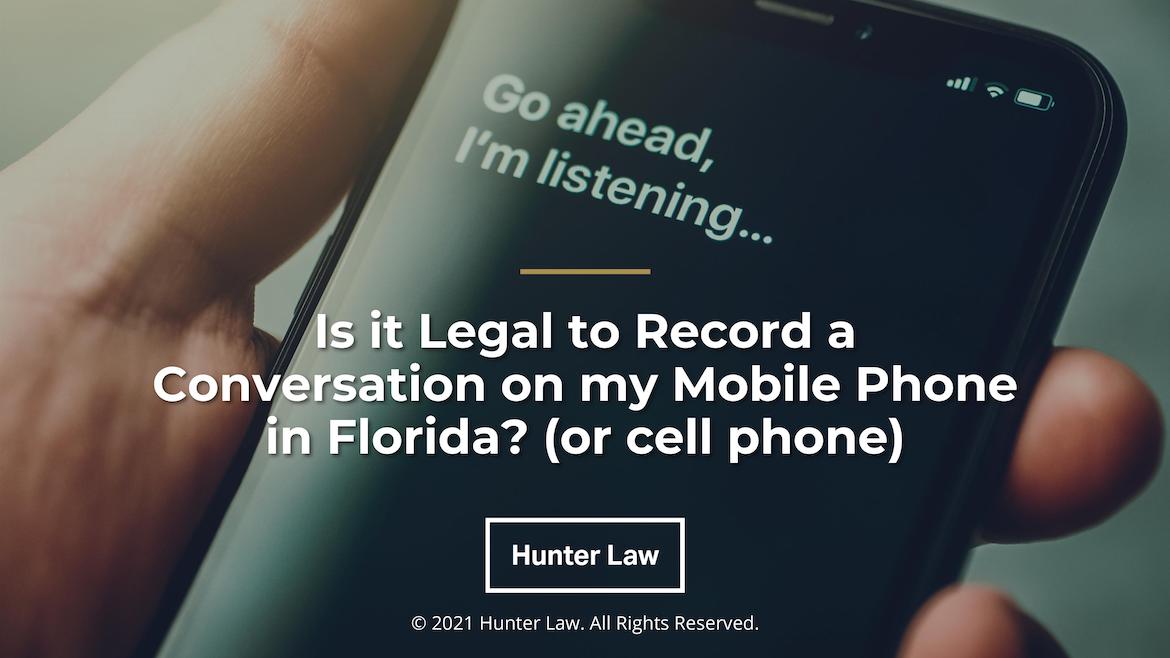
During your Florida trip, you’ll inevitably interact with various businesses and service providers, from booking excursions at Key West to resolving issues with your accommodation. If you have a dispute with a hotel (Marriott Bonvoy property, for example) or a tour operator, or are trying to document a problem with a service, it might seem logical to record the interaction for evidence. However, under Florida law, you must inform the other party that you are recording the conversation and obtain their consent. This applies whether you are speaking with a front desk agent at a Hilton Honors hotel, a rental car representative at Orlando International Airport, or a park ranger at Biscayne National Park. Without consent, any recording obtained could be inadmissible in court and could also lead to legal trouble for you.
When taking guided tours or participating in group activities, be mindful of capturing others’ conversations. While a guide might implicitly consent to being recorded if they are giving a public speech or presentation (as part of their job function, and often in a public setting), private conversations between fellow tourists or between the guide and an individual still require explicit consent.
Consequences of Illegal Recording and Important Exceptions
Ignoring Florida’s recording laws is not just a minor infraction; it carries serious repercussions that can impact your travel, finances, and legal standing. Understanding these consequences and the very narrow exceptions is essential for responsible travel and lifestyle choices in the Sunshine State.
Penalties for Non-Compliance
Illegally recording a conversation in Florida can result in both criminal and civil penalties.
- Criminal Charges: Under Florida Statute § 934.03, unlawfully intercepting an oral communication is generally a felony of the third degree. This can lead to imprisonment for up to five years and a fine of up to $5,000. Even attempting to intercept or disclosing the contents of an illegally obtained recording can carry similar penalties. For a visitor, this could mean significant legal fees, disruption to their travel, and potentially a criminal record that could affect future international travel or employment.
- Civil Lawsuits: In addition to criminal charges, the person whose conversation was illegally recorded can file a civil lawsuit against you. They can seek damages for actual harm suffered, punitive damages, and even attorney’s fees. This could result in substantial financial penalties that far exceed any initial fines. Imagine the cost and inconvenience of being involved in a civil suit while trying to enjoy a long-term stay in Clearwater Beach or a business trip to Jacksonville.
These penalties underscore the importance of strict adherence to Florida’s consent requirements. The intent of the law is to protect individual privacy, a fundamental aspect of the American legal system.
Exceptions: Law Enforcement and Public Officials
While the two-party consent rule is broad, there are limited exceptions. The most significant exceptions typically involve law enforcement officials acting under judicial authorization (e.g., a warrant) to investigate criminal activities. This is not a loophole for private citizens to exploit. Additionally, some legal interpretations suggest that very public statements made by public officials in public settings, particularly when they are clearly performing their official duties and speaking to the public or press, might not carry the same expectation of privacy. However, this is a complex area, and it’s always safer for private citizens to err on the side of caution. Even when interacting with public officials or law enforcement, if you are attempting to record a private conversation with them, their consent is still generally required unless they are actively being recorded as part of their official duties in a public forum. These exceptions are highly specific and do not generally apply to the casual recording activities of tourists or ordinary citizens.
Best Practices for Digital Documentation in the Sunshine State
Given the strict nature of Florida’s recording laws, it’s wise for anyone visiting or living in the state to adopt best practices for documenting experiences, particularly when audio is involved. This approach ensures you can create lasting memories without running afoul of the law, protecting both your privacy and the privacy of others.
Always Ask for Consent
The simplest and most effective strategy is to always ask for explicit consent before recording any conversation where an expectation of privacy exists.
- Be Clear: State clearly that you intend to record the conversation. For example, “I’d like to record this conversation for my personal records, is that okay with you?”
- Obtain Verbal Consent on Recording: If possible, ensure the other party’s verbal agreement is also captured on the recording itself. This provides undeniable proof that consent was given.
- Respect Refusals: If someone declines to be recorded, immediately cease recording or do not initiate it. Respecting their wishes is not only legally required but also a matter of courtesy.
- Context Matters: Consider the context. A casual chat with a stranger about directions might not seem to warrant consent, but if the conversation shifts to personal information or a dispute, the need for consent arises quickly.
Written vs. Verbal Consent
While verbal consent captured on the recording itself is often sufficient, there are scenarios where written consent might be preferable, especially for formal interviews, business negotiations, or content creation where the recording will be published.
- Formal Settings: For professional recordings, interviews for documentaries, or any situation where the content might be publicly broadcast, obtaining a signed consent form can provide an additional layer of legal protection and clarity. This is a common practice for media professionals and creators.
- Clarity and Proof: Written consent leaves no room for ambiguity and serves as tangible evidence that all parties agreed to be recorded. For most tourist interactions, however, clear verbal consent will suffice.
When in Doubt, Don’t Record (Audio)
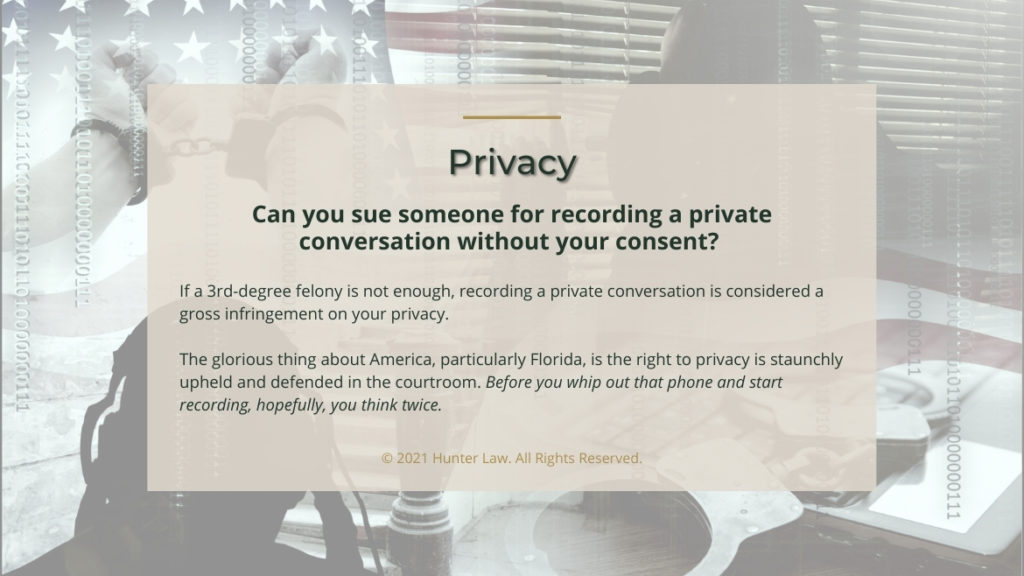
This is perhaps the most important piece of advice. If you are unsure whether a situation has an expectation of privacy, if you can’t obtain explicit consent, or if the interaction feels sensitive, the safest course of action is to refrain from recording the audio.
- Visual Documentation: Remember that you can often still capture excellent visual memories without audio. Taking photos or recording video without accompanying audio of private conversations in public spaces is generally permissible, as long as it doesn’t infringe upon other privacy rights (e.g., photographing someone in a private moment where they expect solitude).
- Note-Taking: If you need to remember details from a conversation for a review of your hotel stay, a complaint about a tour operator, or details about a landmark, consider taking written notes instead of relying on an audio recording. This is a legal and effective way to document information without risking legal penalties.
- Seek Legal Advice: For complex situations, particularly concerning business dealings or significant disputes, it is always advisable to consult with a legal professional familiar with Florida’s laws.
In conclusion, while the allure of digitally documenting every aspect of a Florida trip is understandable, exercising caution and respecting privacy laws is critical. Florida’s “two-party consent” rule is a serious legal requirement, designed to protect the privacy of its residents and visitors. By understanding and adhering to these regulations, you can ensure your adventures across Florida, from the white sands of Clearwater Beach to the vibrant nightlife of South Florida, remain joyous and free from legal complications. Enjoy the Sunshine State responsibly, creating memories that are both cherished and legally sound.
LifeOutOfTheBox is a participant in the Amazon Services LLC Associates Program, an affiliate advertising program designed to provide a means for sites to earn advertising fees by advertising and linking to Amazon.com. Amazon, the Amazon logo, AmazonSupply, and the AmazonSupply logo are trademarks of Amazon.com, Inc. or its affiliates. As an Amazon Associate we earn affiliate commissions from qualifying purchases.