
Planning a trip to the vast and picturesque landscapes of Montana? Whether you’re drawn to the rugged beauty of its national parks, the charm of its historic towns, or the allure of its vibrant cities, understanding the local time zone is a fundamental step in ensuring a smooth and enjoyable journey. For travelers, hoteliers, and anyone involved in tourism, navigating time differences isn’t just about knowing what time it is; it’s about optimizing experiences, coordinating bookings, and embracing the unique rhythm of a destination. Montana, the “Treasure State,” primarily operates within a single time zone, simplifying planning for most visitors, but there are still nuances to consider.
This comprehensive guide will delve into Montana’s time zone, explain its implications for various aspects of travel and accommodation, and provide invaluable tips to help you make the most of your adventure in this magnificent state. From booking flights and hotel suites to scheduling excursions and dining experiences, we’ll explore how time zone awareness can elevate your Montana getaway.
Understanding Montana’s Time Zone: Mountain Time
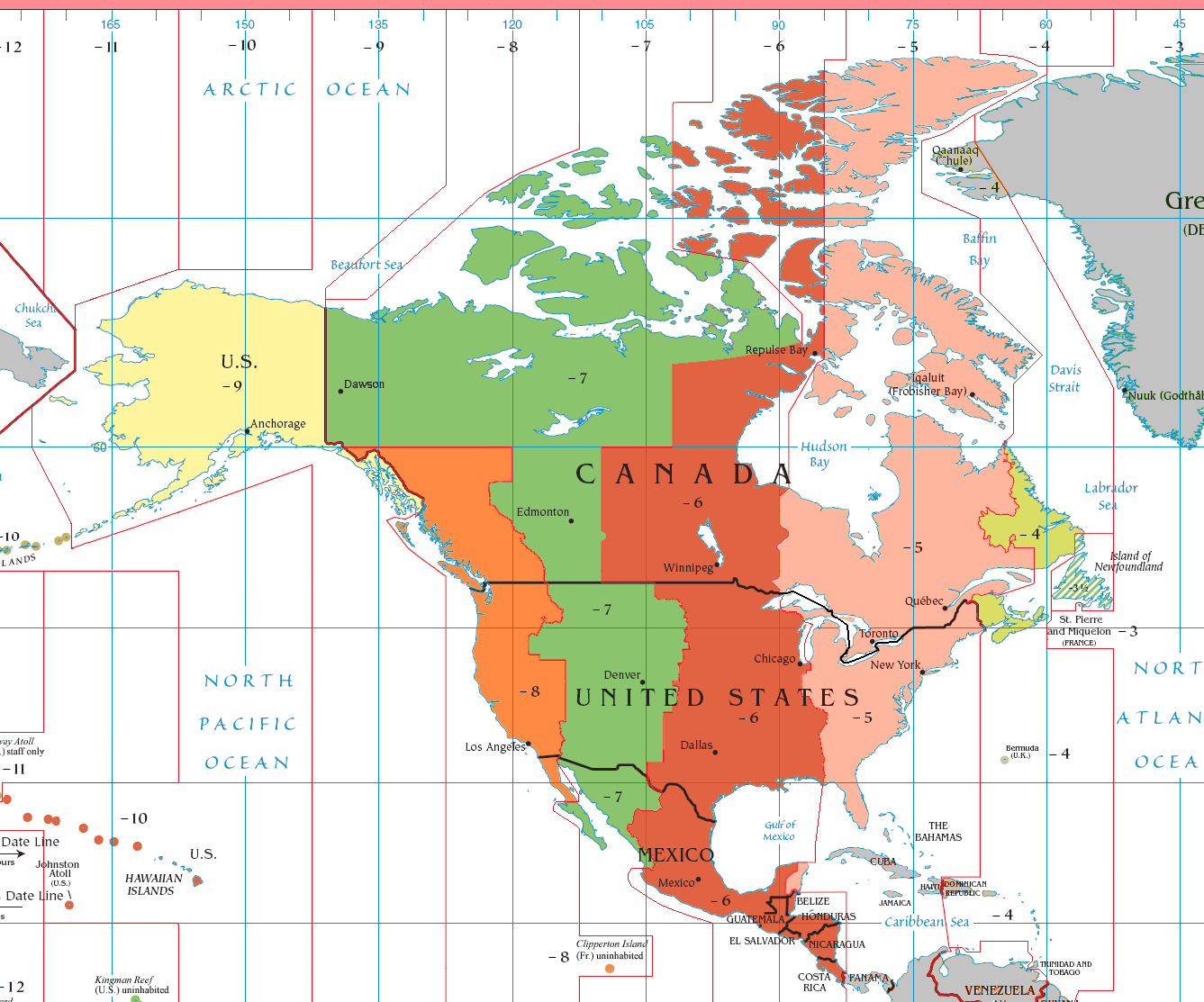
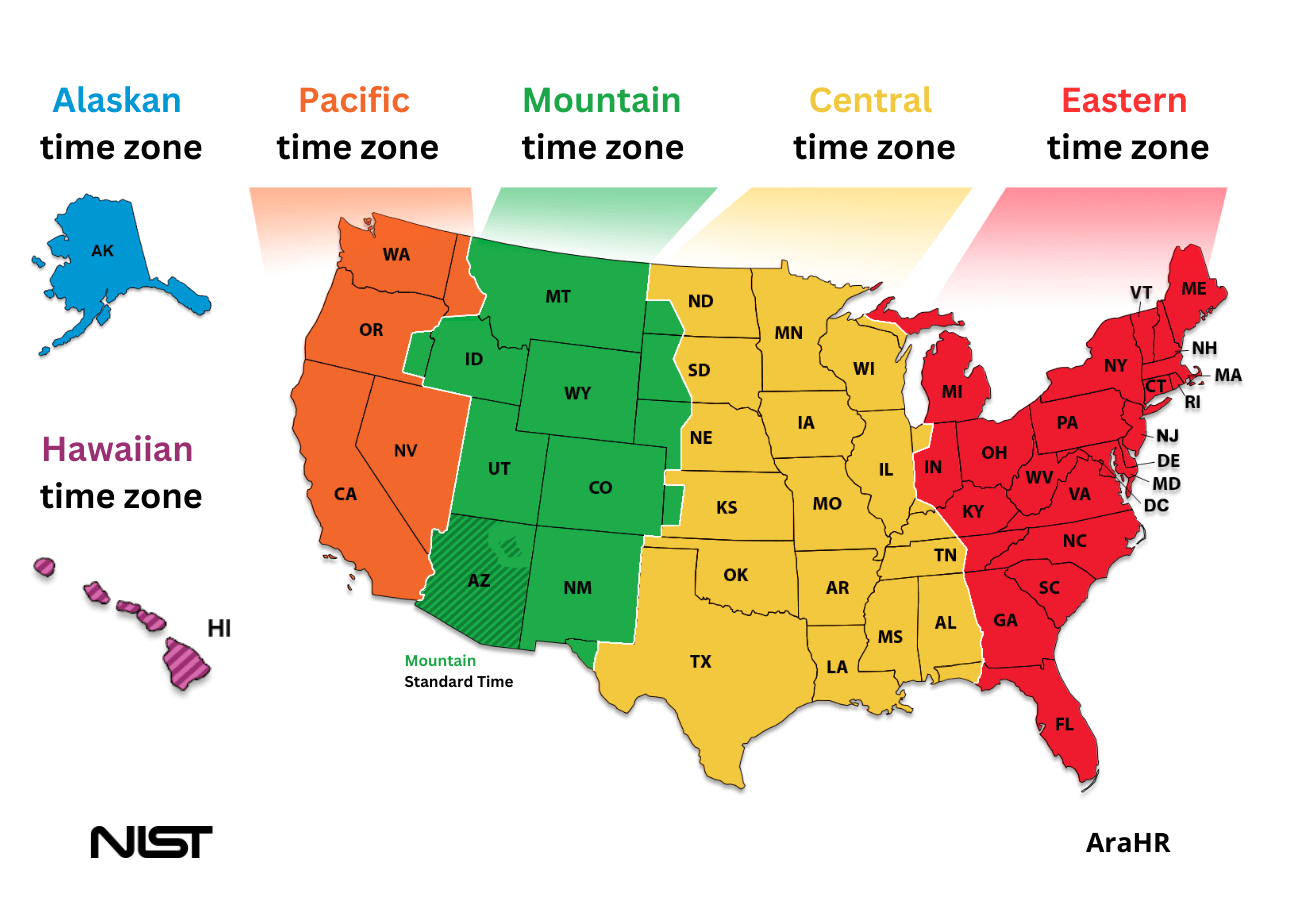
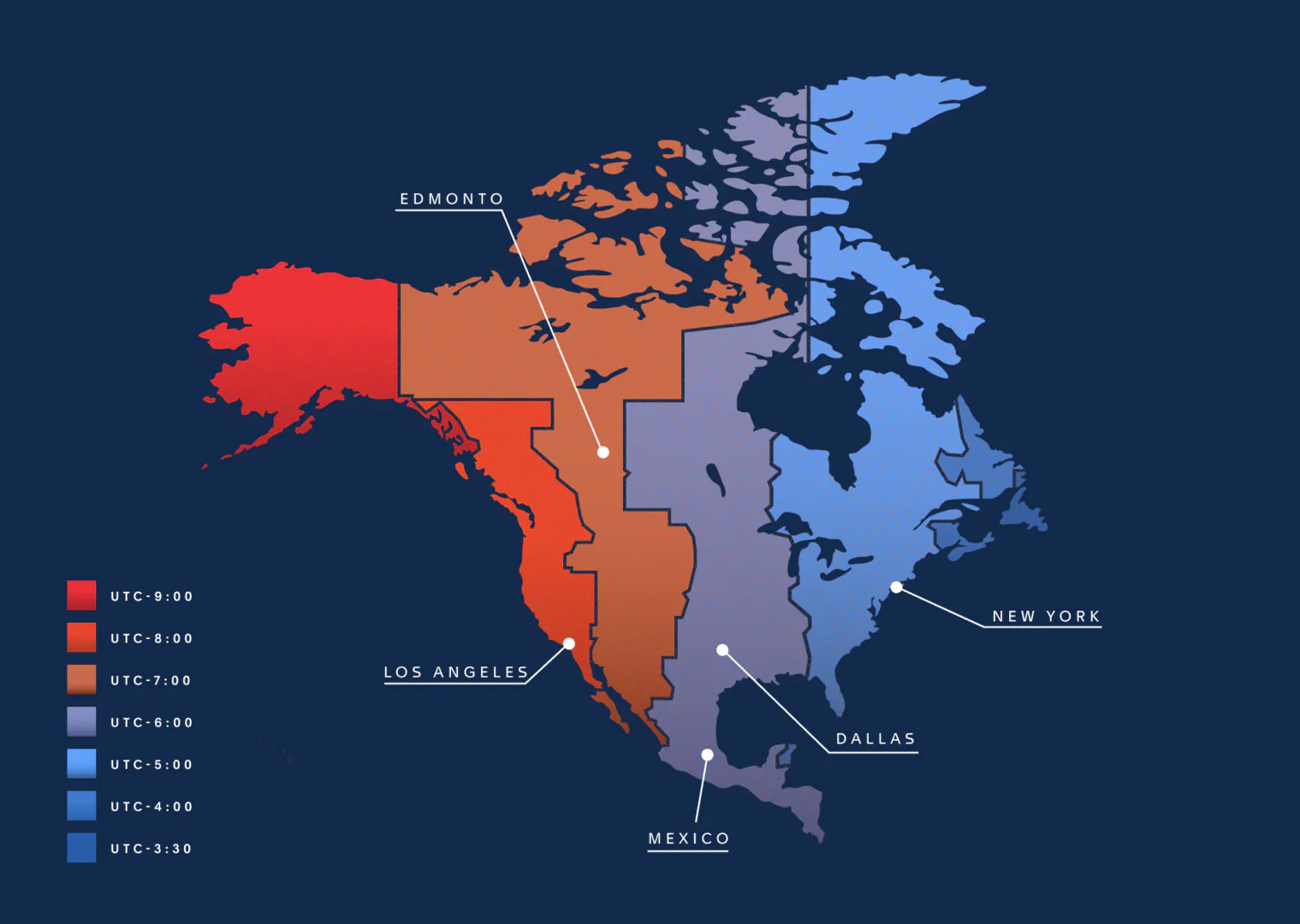
At its core, Montana observes the Mountain Time Zone (MT). This means that for the vast majority of the year, residents and visitors alike will be operating on a consistent schedule, which simplifies coordination significantly compared to states that straddle multiple time zones. The Mountain Time Zone is one of the four primary time zones within the contiguous United States, positioned between the Pacific Time Zone to the west and the Central Time Zone to the east. It’s also observed in parts of Canada and Mexico (though the latter is not directly relevant for US travel).
Mountain Standard Time (MST) vs. Mountain Daylight Time (MDT)
The concept of “Mountain Time” isn’t entirely static throughout the year. Like most of the United States, Montana observes Daylight Saving Time. This means there’s a shift in how the time zone is referenced:
- Mountain Standard Time (MST): This is the base time, observed during the fall and winter months. MST is UTC-7 (Coordinated Universal Time minus 7 hours).
- Mountain Daylight Time (MDT): This is the time observed during spring and summer when clocks are moved forward by one hour. MDT is UTC-6.
Typically, Daylight Saving Time begins on the second Sunday in March, when clocks “spring forward,” and ends on the first Sunday in November, when clocks “fall back.” This annual adjustment, while familiar to many, can still catch travelers off guard, especially those arriving from regions that do not observe Daylight Saving Time or have different start/end dates. It’s crucial to verify whether your travel dates fall within MST or MDT to avoid missed connections or appointments.
Why Time Zones Matter for Travelers
Understanding Montana’s time zone goes beyond mere curiosity; it has tangible impacts on nearly every aspect of your travel experience. For those flying into Montana from the East Coast, for instance, a two-hour time difference means you effectively “lose” hours on your travel day, making early morning arrivals feel even earlier. Conversely, travelers from the West Coast might find themselves with an extra hour in their day upon arrival. These subtle shifts can influence:
- Flight and Train Schedules: All departure and arrival times are local to the airport or station. A flight departing New York at 8:00 AM Eastern Time and arriving in Billings at 10:00 AM Mountain Time Zone has actually taken 5 hours, not 2.
- Hotel Check-in/Check-out: Adhering to the local check-in and check-out times is vital for accommodation. Arriving too early or departing too late without prior arrangements can lead to additional fees or inconvenience.
- Tour and Activity Bookings: Guided tours, rafting excursions, national park visits, and dinner reservations are all scheduled according to local time. Missing an appointment due to a time zone miscalculation can be disappointing and costly.
- Communication: Staying in touch with family, friends, or colleagues in different time zones requires careful planning, especially for business travelers needing to attend virtual meetings.
Navigating Time Differences: A Traveler’s Guide to Montana
Effective time zone management begins long before you pack your bags. Integrating time zone awareness into your planning process ensures a more relaxed and enjoyable trip to Montana.
Planning Your Arrival and Departure
When booking flights or making arrangements for ground transportation like Amtrak, always double-check the time zone indicated for both your departure and arrival points. Many online booking platforms display times in local zones, but a quick mental calculation or use of a world clock app can confirm the actual duration of your journey and your effective arrival time.
- Flights: If you’re flying from the Eastern or Central United States, factor in the time change when considering your arrival time. An afternoon flight landing in Montana in the late afternoon Mountain Time Zone might feel like evening to your body, influencing your immediate plans.
- Road Trips: For those driving into Montana from adjacent states, especially those in the Pacific or Central Time Zones, be mindful of the precise moment you cross into the Mountain Time Zone. Road signs often indicate time zone changes, but it’s wise to manually update your devices.
- Adjusting to the New Time: Upon arrival, try to switch to local Montana time as quickly as possible. Resist the urge to stick to your home time zone, particularly if the difference is significant. Exposure to natural light, staying hydrated, and avoiding heavy meals can help mitigate jet lag.
Maximizing Your Montana Itinerary
Montana offers a wealth of attractions, from the majestic peaks of Glacier National Park to the geothermal wonders of Yellowstone National Park. The time zone plays a critical role in how you structure your daily adventures.
- National Parks and Outdoor Activities: Many popular activities, like ranger-led programs in Glacier National Park or whitewater rafting excursions near Flathead Lake, have strict start times. Confirm these when booking. Also, consider daylight hours; during summer in MDT, the sun sets quite late, allowing for longer evenings outdoors, while winter MST means shorter daylight windows for skiing or hiking.
- Dining and Entertainment: Popular restaurants, especially in cities like Bozeman or Missoula, can fill up quickly. Making reservations for dinner or showtimes well in advance, and confirming them for local Mountain Time Zone, is a good practice. Remember that bars and entertainment venues operate on local time as well.
- Shopping and Services: Local businesses, from boutique shops in Whitefish to visitor centers, adhere to local operating hours. Be aware that smaller towns might have more limited hours, especially on weekends or during the off-season.
Staying Connected: Business and Personal Considerations
For business travelers or those working remotely, managing conference calls or virtual meetings across time zones is a common challenge. If your team is primarily in Eastern or Pacific Time, you’ll need to adjust your Montana schedule to align. Similarly, keeping in touch with family and friends means factoring in the time difference so you don’t call at an inconvenient hour. World clock apps are indispensable tools for these situations.
Montana’s Allure: Destinations and Experiences Across Time
Montana’s appeal lies in its diverse offerings, from vast wilderness to charming towns. Each destination, while operating under the same Mountain Time Zone umbrella, offers distinct experiences that require time-conscious planning.
Iconic National Parks and Natural Wonders
- Glacier National Park: Known as the “Crown of the Continent,” Glacier National Park is a must-see. Its famed Going-to-the-Sun Road has specific seasonal opening and closing times, which are all based on local Mountain Time Zone. During peak season, arriving early in the morning (local time) can help you avoid crowds at popular trailheads and viewpoints.
- Yellowstone National Park: While much of Yellowstone National Park is in Wyoming, its northern and western entrances are in Montana. The park consistently uses the Mountain Time Zone throughout its expanse, regardless of state lines, to prevent confusion. This is a vital detail for anyone planning to visit from nearby Idaho (which spans two time zones) or other surrounding states.
- Big Sky Resort: For winter sports enthusiasts, Big Sky Resort offers world-class skiing and snowboarding. Lift operating hours and resort activities are strictly observed in Mountain Time Zone. Similarly, summer activities like ziplining and mountain biking also have fixed schedules.
- Flathead Lake: The largest freshwater lake west of the Mississippi River offers boating, fishing, and scenic drives. Timing your visits to lakeside towns or boat rentals requires adhering to local business hours.
Vibrant Cities and Historic Towns
Montana’s urban centers and charming small towns each offer a glimpse into the state’s culture and history.
- Bozeman: A rapidly growing city, Bozeman is a hub for outdoor adventure and boasts a lively downtown. Check local event schedules for concerts, farmers’ markets, or gallery openings, all listed in Mountain Time Zone. Don’t miss the Museum of the Rockies, where hours are set to local time.
- Missoula: Known for its vibrant arts scene and proximity to rivers, Missoula has a relaxed, intellectual vibe. Plan your visits to breweries, bookstores, or local festivals using Mountain Time Zone as your guide.
- Helena: The state capital, Helena offers historic architecture and gold rush history. Government buildings, museums, and local tours operate on standard business hours, adhering to Mountain Time Zone.
- Billings: Montana’s largest city, Billings is a regional center for commerce and culture. It serves as a gateway to Custer Country and the Beartooth Highway. All local attractions, including its vibrant brewery district, operate within the Mountain Time Zone.
- Great Falls: Home to a rich Lewis and Clark National Historic Trail history and stunning waterfalls, Great Falls offers a blend of natural beauty and cultural insights, all guided by the local clock.
Accommodation Choices and Time Zone Impact
Whether you’re looking for luxury travel, a budget-friendly stay, or a family-friendly resort, Montana has diverse accommodation options.
- Resorts and Suites: High-end establishments like The Resort at Paws Up or Chico Hot Springs Resort & Day Spa often have elaborate check-in processes, spa appointments, and dining reservations that are all strictly time-sensitive. Confirming these times in advance, especially if you’re traveling from a significantly different time zone, is paramount. Many luxury resorts offer activities that start early in the morning, making prompt adjustment to the local time zone beneficial.
- Hotels and Apartments: Standard hotels and rental apartments will have specific check-in and check-out windows, usually between 3:00 PM and 11:00 AM local time. If your arrival or departure schedule doesn’t align, communicate with the property in advance to arrange for early check-in or late check-out, which may incur extra charges.
- Long-term Stays: For those planning an extended stay or digital nomad lifestyle in Montana, adapting to the Mountain Time Zone becomes second nature. This allows for seamless integration into local routines, from grocery shopping to community events.
Practical Tips for a Seamless Montana Trip
Beyond simply knowing the time zone, incorporating smart practices into your travel habits will ensure a smooth journey.
Adjusting to the Time Change
- Gradual Shift: If possible, try to gradually adjust your sleep schedule a few days before your trip. For example, if traveling east to west, go to bed an hour later each night.
- Hydration and Light Meals: Stay well-hydrated and avoid heavy, greasy foods on travel days. These can exacerbate jet lag symptoms.
- Embrace Daylight: Upon arrival, expose yourself to natural light, especially in the morning, to help reset your body clock. If you arrive late, try to get some sun the next morning.
- Avoid Napping (If Possible): While tempting, long naps can disrupt your adjustment. If you must nap, keep it short (20-30 minutes) and early in the day.
Essential Planning Tools
- World Clock Apps: Download a reliable world clock app on your smartphone to easily track multiple time zones, including your home zone and Montana’s Mountain Time Zone.
- Itinerary Planners: Use a digital or physical itinerary to jot down all your bookings, flight times, and activity schedules, noting whether they are in your home time zone or [Montana](https://lifeoutofthebox.com/montana]’s local time.
- Confirm Everything: Always confirm reservations (hotels, tours, restaurants) within 24-48 hours of the scheduled time, paying close attention to the time zone specified in the confirmation.
Embracing the Montana Pace
While it’s important to be punctual for scheduled activities, Montana generally offers a more relaxed pace of life compared to bustling metropolitan areas. This slower rhythm is part of its charm. Allow yourself some flexibility in your schedule to simply enjoy the scenery, strike up conversations with locals, or spontaneously discover a hidden gem. Whether you’re exploring Whitefish Mountain Resort, fishing a blue-ribbon trout stream, or savoring a meal in Livingston, being present and mindful of the local time ensures you fully immerse yourself in the experience.
In conclusion, Montana proudly operates within the Mountain Time Zone, transitioning between Mountain Standard Time and Mountain Daylight Time with the seasons. A clear understanding of this, coupled with proactive planning and smart travel practices, will not only prevent scheduling mishaps but also enhance every aspect of your “Big Sky Country” adventure. So set your watches, embrace the time, and prepare for an unforgettable journey through one of America’s most spectacular states.
LifeOutOfTheBox is a participant in the Amazon Services LLC Associates Program, an affiliate advertising program designed to provide a means for sites to earn advertising fees by advertising and linking to Amazon.com. Amazon, the Amazon logo, AmazonSupply, and the AmazonSupply logo are trademarks of Amazon.com, Inc. or its affiliates. As an Amazon Associate we earn affiliate commissions from qualifying purchases.