
California, often perceived as a bastion of progressive policies, presents a complex and evolving landscape when it comes to firearm regulations. For visitors and residents alike, understanding the legality of carrying a gun within the Golden State is not merely a matter of convenience but a critical aspect of legal compliance and personal safety. This exploration delves into the intricacies of California’s firearm laws, focusing on what travelers and individuals need to know to navigate this jurisdiction responsibly.
Understanding California’s Firearm Landscape
California operates under a stringent set of gun laws, which differ significantly from many other states. The state has adopted a “may-issue” policy for concealed carry permits, meaning that law enforcement agencies have discretion in issuing permits, and applicants must demonstrate a specific need beyond general self-defense. This contrasts with “shall-issue” states, where permits are generally granted if the applicant meets objective criteria.
Open Carry Laws
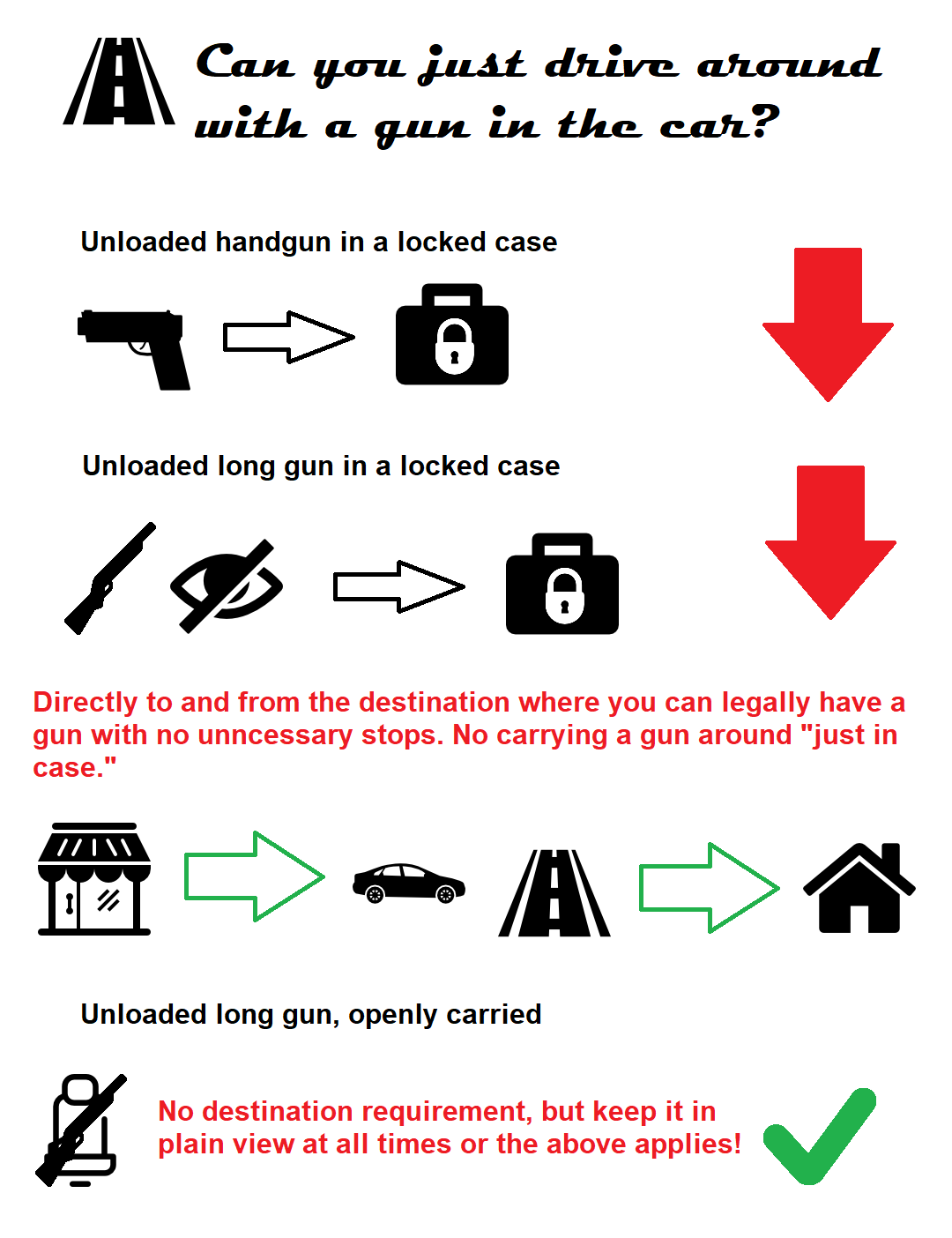
Openly carrying a firearm in California is largely prohibited. With very few exceptions, it is illegal to openly display a firearm in public. These exceptions are narrow and typically apply to individuals engaged in specific activities like hunting, target shooting at an authorized range, or while traveling to or from such activities. Even in these limited circumstances, the firearm must typically be unloaded and in a locked container. For the average traveler or resident, the assumption should be that open carry is not permitted.
Concealed Carry Permits
Obtaining a permit to carry a concealed weapon in California is a rigorous process. The legal framework allows for the issuance of permits by the chief or other head of a police department or by the sheriff of a county. To be granted a permit, an applicant must demonstrate “good cause.” This standard has been subject to significant legal interpretation and challenge. Historically, “good cause” has often been interpreted to require a clear and present danger to the applicant’s life or safety, such as documented threats or a history of violent victimization. General self-defense concerns, while valid, have often been deemed insufficient on their own.
The process typically involves a thorough background check, including fingerprinting, a review of criminal history, mental health records, and an interview with the issuing authority. Applicants must also complete a firearms safety course. The discretion afforded to issuing agencies means that permit availability can vary significantly from county to county. Some counties may be more permissive in their interpretation of “good cause” than others.
Transportation of Firearms
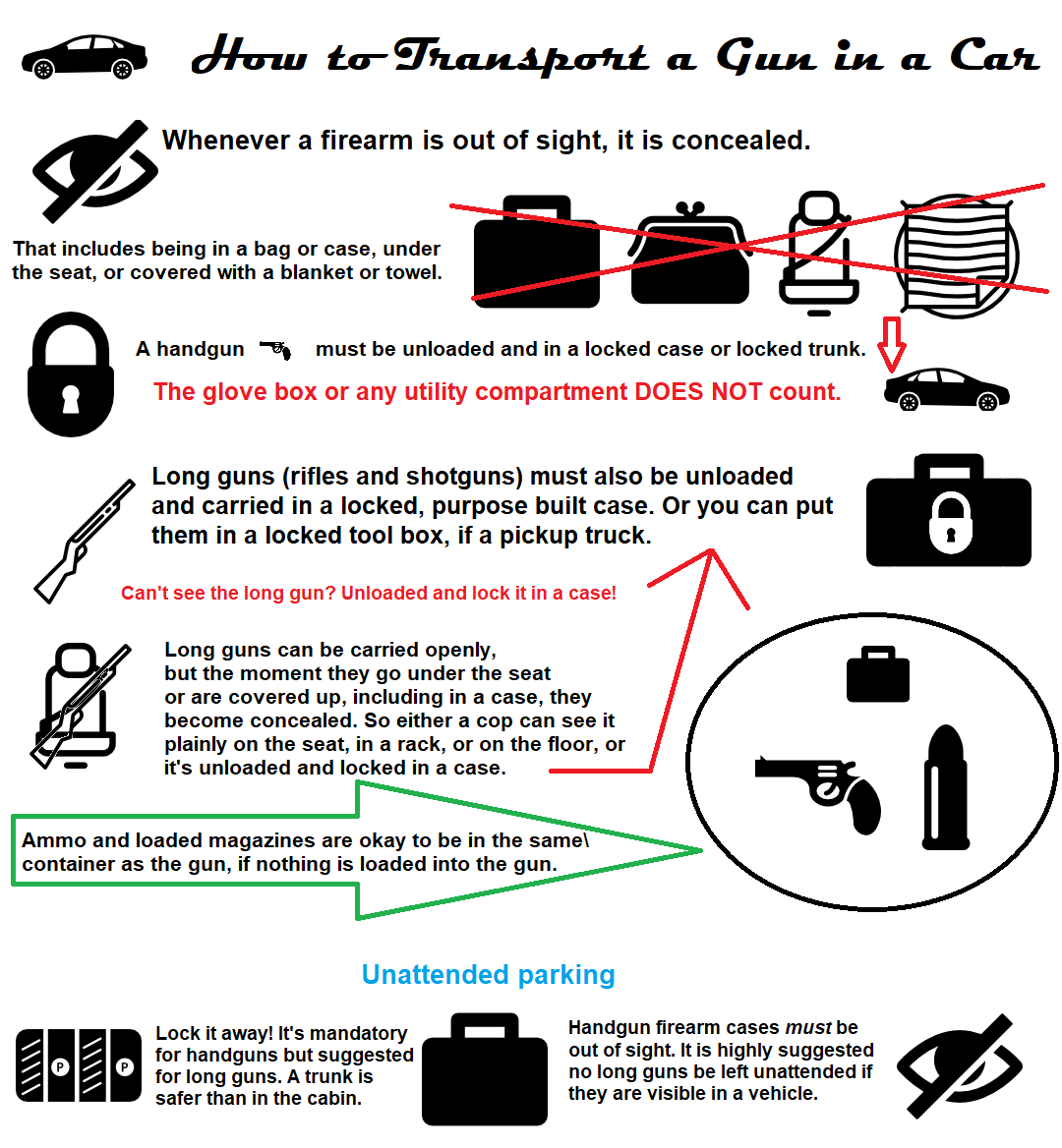
Even if you are legally permitted to possess a firearm, transporting it within California is subject to specific rules. Generally, unloaded firearms must be transported in a locked container, separate from ammunition. The firearm should not be readily accessible to the occupants of the vehicle. This applies to long guns (rifles and shotguns) as well as handguns.
For those traveling with firearms, it is imperative to understand that these regulations apply to all individuals within the state, including those who are merely passing through. Ignorance of these laws is not a valid defense.
Legal Ownership of Firearms in California
Beyond the ability to carry, the legal ownership of firearms is also heavily regulated. California has specific laws regarding the types of firearms that can be legally owned, registration requirements, and waiting periods for purchases.
Prohibited Firearms
California has a list of firearms classified as “assault weapons” that are generally illegal to possess unless they were legally owned prior to the ban and registered with the state. The definition of an assault weapon is broad and includes semi-automatic firearms with certain cosmetic or functional features. The state also prohibits magazines that hold more than 10 rounds of ammunition, often referred to as “large-capacity magazines.”
Purchase Requirements
Individuals seeking to purchase a firearm in California must be at least 21 years old. They must also pass a background check conducted through the California Department of Justice’s Dealer Record of Sale (DROS) system. There is a mandatory 10-day waiting period between the purchase and the release of the firearm. Additionally, purchasers must provide proof of completing a recognized firearms safety certificate (FSC) course.
Federal Law and Interstate Travel with Firearms
For individuals traveling into California from other states, federal law, specifically the Firearms Owners’ Protection Act (FOPA), can offer some protection regarding the interstate transportation of firearms. FOPA provides that a firearm shall be deemed to be “unloaded” and “out of reach” if it is “accepted for transportation without being carried by the person.”
However, this federal protection is often misunderstood and has critical limitations when entering California. FOPA does not grant individuals the right to carry firearms in a state where they are otherwise prohibited by state or local law. It primarily protects the right to transport a firearm unloaded and in a locked container, separate from ammunition, through states where carrying might otherwise be restricted, as long as the person is legally allowed to possess the firearm in their home state and in the destination state.
When traveling through California, even if you have a concealed carry permit from another state, it may not be recognized. California generally does not recognize permits from other states, and therefore, carrying a concealed firearm would still require obtaining a California permit, which, as previously discussed, is difficult to acquire. The safest approach is to comply strictly with California’s transportation laws: transport firearms unloaded, in a locked container, and separate from ammunition.
Navigating California’s Complexities
The legal landscape of firearm possession and carry in California is intricate and subject to ongoing legal challenges and legislative changes. For any individual considering bringing a firearm into the state, or for residents seeking to carry a firearm, a thorough understanding of current California Penal Code sections is paramount.
Seeking Expert Advice
Given the complexity and potential severity of penalties for violations, it is highly advisable to consult with a qualified legal professional specializing in firearm law in California before traveling with or carrying a firearm. An attorney can provide up-to-date information on statutes, case law, and any recent changes that may affect legality. This is particularly crucial for travelers who may be unaware of specific local ordinances or nuances within the state’s broader legal framework.

Responsible Firearm Handling and Storage
Regardless of legal permissibility, responsible firearm ownership and handling are crucial. This includes secure storage to prevent unauthorized access, especially in accommodations. When traveling, ensuring firearms are unloaded and properly secured in a locked container, as mandated by law, is the first step in compliance. Understanding that California has a strict approach to firearm laws is key to avoiding legal entanglements.
For individuals planning visits to popular destinations like Los Angeles, San Francisco, or San Diego, or considering stays at resorts such as the Ritz-Carlton Bacara, Santa Barbara or the Shutters on the Beach, it is vital to leave firearms at home unless you are a California resident who has obtained the necessary permits and strictly adheres to all transportation and carrying regulations. The emphasis in California is on public safety, and its firearm laws reflect this priority.
LifeOutOfTheBox is a participant in the Amazon Services LLC Associates Program, an affiliate advertising program designed to provide a means for sites to earn advertising fees by advertising and linking to Amazon.com. Amazon, the Amazon logo, AmazonSupply, and the AmazonSupply logo are trademarks of Amazon.com, Inc. or its affiliates. As an Amazon Associate we earn affiliate commissions from qualifying purchases.