
Navigating the legal landscape of carrying concealed weapons, even seemingly innocuous items like knives, can be a complex undertaking, particularly when traveling. For those planning a trip to the Golden State, understanding the intricacies of California knife laws is paramount to avoid unintended legal entanglements. This guide aims to demystify the regulations surrounding concealed knives, ensuring your visit to the vibrant attractions and diverse landscapes of California remains a safe and lawful experience.
Understanding California’s Knife Laws: A General Overview
California has a reputation for having some of the most stringent weapon laws in the United States. This extends to knives, where possession is regulated based on the type of knife, its intended use, and where it is carried. It’s crucial to distinguish between “open carry” and “concealed carry” as both have distinct legal implications. While open carry of many knives is generally permitted, the focus of this discussion is on concealed carry, which is where most restrictions lie.
The primary legislation governing knives in California is found in the California Penal Code. These laws are subject to interpretation and can be amended, making it essential for travelers to stay informed. Ignorance of the law is not a valid defense, and penalties for violations can range from fines to imprisonment. Therefore, a proactive approach to understanding these regulations is highly recommended before and during your travels within the state.
Key Definitions: What Constitutes a “Concealed” Knife?
In California, a knife is generally considered “concealed” if it is hidden from ordinary view. This means carrying it in a pocket, purse, bag, or under clothing in a manner that prevents it from being readily seen. The law doesn’t just apply to knives that are completely hidden; even if a portion of the knife is visible, but its overall nature and ability to be drawn readily are obscured, it could still be deemed concealed.
The intent behind carrying the knife is also a significant factor. If a knife is carried with the intent to commit a felony or with a demonstrated intent to use it as a weapon, it can lead to more severe charges, regardless of whether it is considered concealed or not. This intent element is often a critical point in legal proceedings.
The Nuances of “Switchblade” and “Assisted Opening” Knives
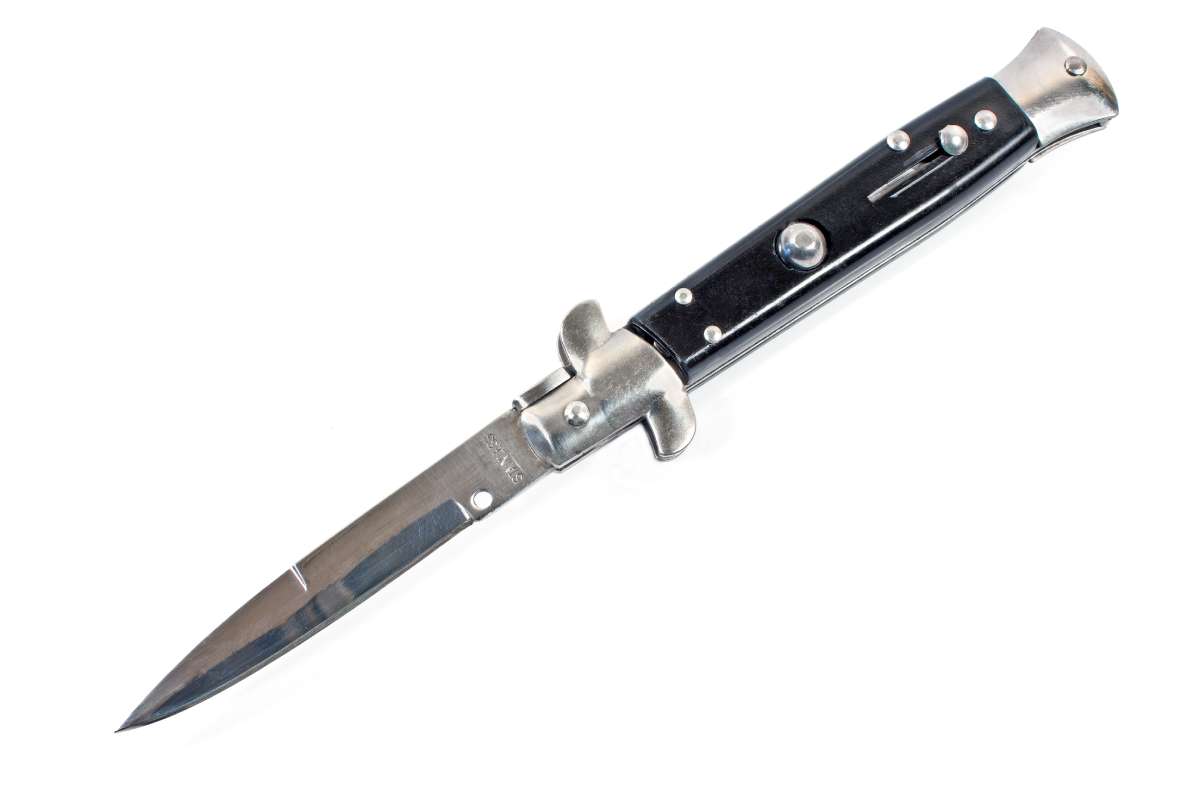
California law specifically prohibits the possession of “switchblade” knives. A switchblade, by definition, is a knife that opens automatically by spring pressure, gravity, or inertia when the blade is released from the handle or scabbard. This includes knives where a button or lever is pressed, causing the blade to spring open.
“Assisted opening” knives, often referred to as “out-the-front” (OTF) knives or knives that are partially automatic, can fall into a legal gray area. These knives require some manual manipulation to deploy, such as flicking the wrist or pushing a stud, but then a spring mechanism completes the opening. While not strictly switchblades, they are often viewed with suspicion by law enforcement and can lead to legal scrutiny. The interpretation of whether an assisted opening knife functions similarly to a switchblade can vary, making their concealed possession particularly risky. Many legal experts advise against carrying such knives in California if you are unsure of their precise classification under state law.
Prohibited Knives and Their Restrictions
Beyond the general rules of concealed carry, certain types of knives are outright prohibited or heavily restricted in California, regardless of whether they are carried openly or concealed. Understanding these prohibitions is vital for travelers to avoid accidental violations.
Beyond Switchblades: Other Prohibited Categories
California law also prohibits knives that are designed to primarily function as weapons. This includes, but is not limited to, the following categories:
- Daggers: Knives with a double-edged blade or a blade designed to inflict stab wounds. The defining characteristic of a dagger is its piercing point and double-edged blade, intended for thrusting.
- Dirks: Similar to daggers, dirks are short, pointed stabbing weapons with a double-edged blade. The distinction between a dirk and a dagger can be subtle and often depends on the specific legal interpretation in court.
- Ballistic Knives: These are knives that can discharge a blade from the handle as a projectile. Possession or manufacture of ballistic knives is strictly forbidden.
- Concealed Daggers: Even if a knife is not technically a dagger by its design, if it is carried in a concealed manner and appears to be intended for stabbing, it can be classified as a concealed dagger.
- “Shank” Type Knives: While not a formal legal term, this refers to improvised knives or blades that are clearly intended for use as stabbing weapons.
It is important to note that the context of possession matters. For example, while carrying a hunting knife in a sheath is generally permissible for hunting activities, carrying the same knife concealed in a backpack while exploring San Francisco without an apparent legitimate purpose could lead to legal issues.
Blade Length Restrictions and Their Implications
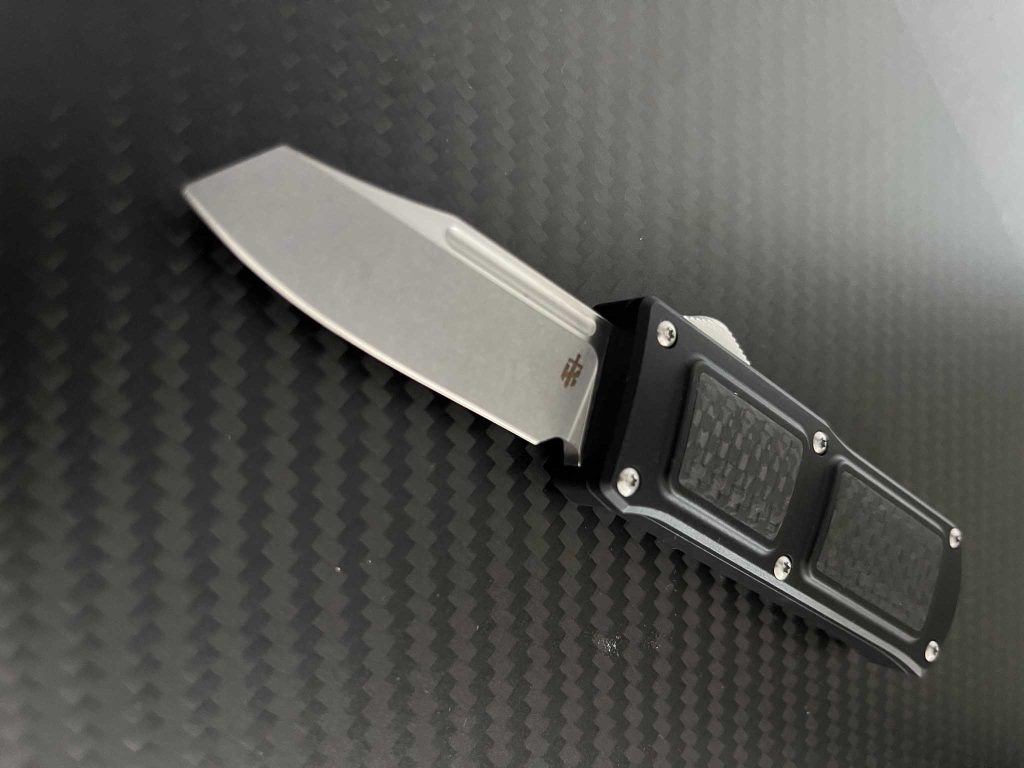
While California does not have a universal blade length restriction for all types of knives, certain restrictions do apply, particularly in specific locations or when combined with other factors. For instance, in many cities and counties, carrying a knife with a blade longer than a certain length (often around 2.5 to 3 inches) in a concealed manner, especially if it’s a folding knife with a spring-assist or perceived as a weapon, can draw scrutiny.
Furthermore, knives that are designed to be concealed within other objects, such as belt buckle knives or cane knives, are also illegal. The intent behind their design is to circumvent regulations, and California law actively targets such items.
Navigating Specific Locations and Situations
The legality of carrying a concealed knife can also vary depending on the specific location within California and the context of your visit. Certain sensitive locations have enhanced restrictions on the possession of any weapons, including knives.
Weapons Prohibited in Sensitive Places
California law prohibits carrying certain weapons, including knives that could be considered dangerous, in specific locations. These “sensitive places” often include:
- Schools and School Grounds: This is a strict prohibition covering all types of knives, regardless of size or mechanism, when on school property.
- Courthouses and Government Buildings: Entry into these facilities typically involves security checkpoints, and knives are generally not permitted.
- Airports: While not all knives are prohibited in checked baggage, carrying any knife in a carry-on bag or on your person within an airport terminal is against the law.
- Childcare Facilities: Similar to schools, these locations are protected under strict weapon-free zones.
- Bars and Nightclubs: In many jurisdictions, carrying a knife into a place that serves alcohol is prohibited, especially if it is considered a weapon.
- Public Gatherings and Demonstrations: Carrying knives to protests or large public events can be restricted due to potential safety concerns.
It is always advisable to err on the side of caution and leave any knives at your accommodation when visiting these sensitive locations. For example, if you are visiting the Getty Center or attending a performance at the Hollywood Bowl, it’s best to leave any pocketknives behind.
The Role of Local Ordinances and City Laws
Beyond state laws, individual cities and counties in California may have their own ordinances that further restrict the carrying of knives. These local laws can be more stringent than state regulations. For instance, a city might ban the concealed carry of any knife with a blade exceeding a certain length, even if state law permits it under specific circumstances.
When traveling to a particular destination within California, such as Los Angeles, San Diego, or Sacramento, it’s prudent to research any local knife ordinances that may apply. Tourist information centers or local law enforcement websites can sometimes provide this information.
Responsible Travel and Knife Possession in California
For travelers, the overarching principle when it comes to knives in California is responsible possession and adherence to the law. The goal is to enjoy your travels without encountering legal difficulties.
What is Considered “Legal” for a Traveler?
For most travelers, the safest approach is to avoid carrying any concealed knives. If you need a knife for practical purposes during your trip, such as opening packages or basic utility tasks, consider a simple folding knife with a blade that is not spring-assisted or automatic. Ensure the blade length is modest and that it is carried openly in a sheath or in a backpack in a non-concealed manner when appropriate for the context.
However, even with these precautions, the best advice for a visitor is often to forgo carrying any knife whatsoever. Most travel scenarios do not necessitate the concealed carrying of a knife, and the potential legal repercussions in California far outweigh any perceived benefits. If you are staying at a hotel like the Ritz-Carlton, Los Angeles or a resort in Napa Valley, and require a tool, consider purchasing one locally and leaving it at your accommodation or disposing of it properly before departure.

Seeking Professional Legal Advice
If you are a resident of California or have specific concerns about your circumstances, it is highly recommended to consult with a legal professional who specializes in California firearm and weapon laws. They can provide accurate and up-to-date advice tailored to your individual situation. For visitors, however, the simplest path to compliance is to assume that carrying a concealed knife is not permitted and to make alternative arrangements.
Ultimately, California offers an incredible array of experiences, from the theme parks of Anaheim to the natural beauty of Yosemite National Park. By understanding and respecting its laws regarding knife possession, you can ensure your journey is memorable for all the right reasons.
LifeOutOfTheBox is a participant in the Amazon Services LLC Associates Program, an affiliate advertising program designed to provide a means for sites to earn advertising fees by advertising and linking to Amazon.com. Amazon, the Amazon logo, AmazonSupply, and the AmazonSupply logo are trademarks of Amazon.com, Inc. or its affiliates. As an Amazon Associate we earn affiliate commissions from qualifying purchases.