
Venturing to the Golden State, with its iconic landmarks, vibrant cities, and diverse landscapes, is an experience on many travelers’ bucket lists. Whether you’re planning a leisurely trip through the vineyards of Napa Valley, exploring the bustling streets of Los Angeles, or marveling at the natural grandeur of Yosemite National Park, understanding local laws is paramount for a smooth and enjoyable journey. Among the most frequently overlooked yet critical legal considerations, especially in our hyper-connected world, is the legality of recording conversations.
California stands out among U.S. states for its stringent “two-party consent” law regarding audio recordings. This isn’t just a minor legal nuance; it’s a foundational aspect of privacy law that can have significant implications for tourists, business travelers, content creators, and even casual visitors. Unlike “one-party consent” states where you can record a conversation as long as you are a party to it, California requires explicit consent from all parties involved before a conversation can be legally recorded. Failing to adhere to this law can lead to serious legal consequences, including substantial fines and even imprisonment.
For those whose lifestyle involves frequent travel, documenting experiences, or conducting business in various locations, navigating these specific legal landscapes is crucial. This article delves into the intricacies of California’s recording laws, offering a comprehensive guide to ensure your travels through the state are not only memorable but also legally compliant. From hotel interactions to public tours, and from personal recollections to professional negotiations, understanding where and how you can record will protect you and respect the privacy of those around you.
Understanding California’s Two-Party Consent Law
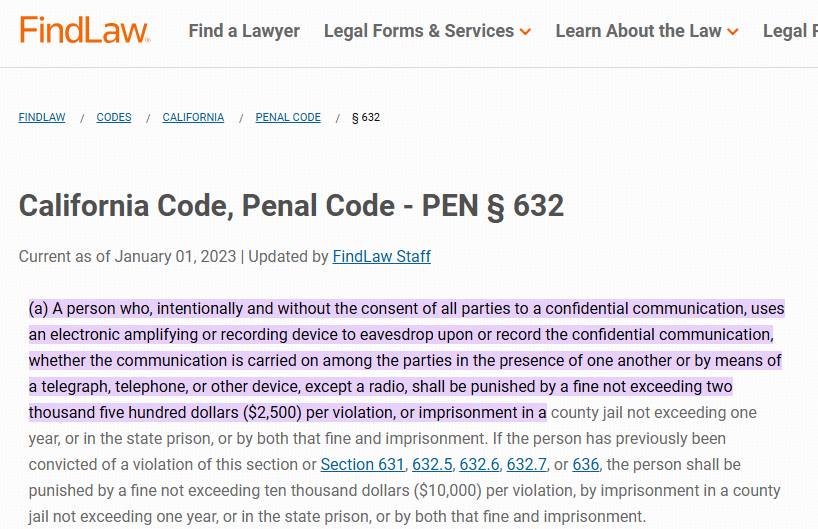
The legal framework governing audio recordings in California is enshrined in California Penal Code Section 632. This statute specifically addresses the issue of “eavesdropping on or recording confidential communications” and makes it clear that such actions, without the knowledge and consent of all parties, are illegal. The intent behind this law is to protect an individual’s reasonable expectation of privacy, ensuring that private conversations remain private unless all participants agree otherwise.
What Exactly is “Two-Party Consent”?
At its core, “two-party consent,” often more accurately referred to as “all-party consent,” means that every single person participating in a conversation must give their permission before that conversation can be legally recorded. This applies regardless of whether the recording device is visible or hidden, and whether the conversation occurs in person or over the phone. The key term here is “confidential communication,” which the law defines as any conversation carried on in circumstances that reasonably indicate that any party to the communication desires it to be confined to the parties thereto. Essentially, if you or anyone else involved expects the conversation to remain private, it falls under this protection.
This means if you’re talking to a hotel receptionist, a tour guide, a fellow tourist, or a business associate in California, and you wish to record the audio of that interaction, you must first inform them of your intention and receive their explicit permission. Silence or implied consent is generally not sufficient; verbal agreement is the safest route.
Exceptions to the Rule
While the two-party consent rule is broad, there are specific situations where it might not apply, primarily revolving around the concept of a “reasonable expectation of privacy.”
- Public Places (with no expectation of privacy): The law generally doesn’t prohibit recording conversations that occur in truly public places where there is no reasonable expectation of privacy. For example, if someone is shouting a conversation across a crowded park in San Francisco, or delivering a public speech, recording such an interaction may not require consent. However, the line is often blurry. Two people having a quiet conversation on a park bench, even in a public park, might still have a reasonable expectation of privacy. It’s crucial not to mistake “public place” for “no expectation of privacy.”
- Emergency Services: Conversations with emergency services (like 911 calls) are often recorded by the agencies themselves, and individuals calling these services generally do not have an expectation of privacy for those specific communications.
- Open and Obvious Recording: In some professional settings, particularly those involving public service or security, recordings may be openly and conspicuously made, with clear signage informing individuals. For instance, security cameras in retail stores or public transport often record audio alongside video, with explicit warnings. However, this is more about the entity doing the recording operating legally, rather than an individual’s right to record without consent.
Given the complexities, and the severe penalties, the safest approach for any traveler is to always assume that consent is required for audio recording unless you are absolutely certain there is no reasonable expectation of privacy, or the situation falls into a clearly defined, acknowledged exception.
Penalties for Non-Compliance
The consequences of violating California’s recording laws are significant. Recording a confidential communication without consent is considered a “wobbler” offense, meaning it can be prosecuted as either a misdemeanor or a felony, depending on the specifics of the case and the defendant’s criminal history.
- Misdemeanor: Punishments can include up to a year in county jail and fines of up to $2,500 for a first offense.
- Felony: If prosecuted as a felony, potential penalties escalate to imprisonment in state prison and fines up to $10,000.
- Civil Liability: Beyond criminal charges, individuals whose conversations were illegally recorded can also file civil lawsuits. This could lead to financial compensation for damages incurred, including an award of $5,000 per violation or three times the amount of actual damages suffered, whichever is greater.
These penalties underscore the serious nature of the law. A misstep, even an unintentional one by an unknowing tourist, can turn a dream vacation into a legal nightmare.
Navigating the Law as a Traveler in California
For anyone visiting or living in California, understanding how these laws apply to common travel scenarios is crucial. The unique blend of privacy expectations in various environments, from bustling tourist attractions to private hotel rooms, demands careful consideration.
Recording in Public Spaces vs. Private Settings
The distinction between public and private settings is perhaps the most confusing aspect for travelers. While you are generally free to film or photograph visually in public spaces like Hollywood Boulevard, outside Disneyland, or near the Golden Gate Bridge, the rules change dramatically when audio is involved, especially if it captures a private conversation.
- Public Spaces with Private Conversations: Even on a busy street in Santa Monica, if two people are engaged in a quiet conversation with the reasonable expectation that it will not be overheard or recorded, recording their audio without consent is illegal. This often arises with vloggers or content creators who might unintentionally pick up conversations in the background of their footage.
- Public Events and Performances: Recording a public concert, a street performer, or a political rally (where the speaker is addressing the public) is generally permissible as there’s no reasonable expectation of privacy for those engaging in public performance or speech. However, recording private conversations within the audience at such events could still be illegal.
- Transportation: On public buses, trains, or rideshares, if you are a passenger, you generally cannot record the private conversations of other passengers or the driver without their consent, even if you are in a “public” vehicle.
The safest rule of thumb is: if an individual (or individuals) is having a conversation that they reasonably expect to be private, you cannot record their audio without explicit permission.
Hotel Stays and Accommodation Considerations
Hotels, resorts, and vacation rentals like those booked via Airbnb present unique challenges regarding recording laws. When you check into a Marriott or a Hilton, you’re entering a space with heightened expectations of privacy.

- Hotel Common Areas: In lobbies, restaurants, or fitness centers, while these are publicly accessible within the hotel, individuals still hold a strong expectation of privacy for their conversations. Recording interactions with hotel staff (concierge, front desk, room service) or other guests without their consent is highly risky and likely illegal.
- Inside Your Room: Your hotel room, suite, or rented apartment is considered a private space. You can, of course, record your own thoughts or conversations among consented parties within your room. However, placing a hidden recording device to capture conversations of others (e.g., housekeepers, maintenance staff, or future occupants if you leave it behind) is a severe breach of privacy and a definite violation of California law. Conversely, travelers should also be aware that placing hidden recording devices by others (e.g., previous guests, unscrupulous landlords) in private accommodations is illegal and a serious privacy violation.
- Vacation Rentals: If you’re staying in an Airbnb or a similar vacation rental, the same principles apply. You cannot record the host or any staff entering the property without their explicit consent for audio.
When dealing with accommodation providers, whether it’s confirming a booking or resolving an issue, always assume that consent is needed if you plan to record the conversation.
Business Travel and Professional Interactions
California is a hub for business, particularly in Silicon Valley, Los Angeles, and San Francisco. For business travelers, the two-party consent law adds a critical layer of complexity to professional interactions.
- Meetings and Negotiations: Recording business meetings, client discussions, or contract negotiations without the explicit consent of all participants is illegal. This holds true whether the meeting is in an office, a restaurant, or a hotel conference room. Many professionals mistakenly believe that recording for “record-keeping” purposes is automatically allowed; in California, it is not without consent.
- Phone Calls and Video Conferences: If a business call involves someone located in California, even if you are in a one-party consent state, you must adhere to California’s laws for recording that conversation. This often means stating at the beginning of the call, “This call may be recorded for quality assurance or training purposes,” and allowing participants to opt-out or providing their consent. For video conferences, explicit consent for audio recording is still required.
- Employee Interactions: Employers and employees in California must also be mindful of this law. Recording conversations with colleagues, managers, or subordinates without their consent can lead to legal issues.
For business professionals, it’s not merely a matter of legal compliance but also professional ethics and maintaining trust. Always err on the side of transparency and obtain clear permission.
Practical Tips for Tourists and Visitors
Understanding the law is the first step; implementing it effectively during your travels is the next. For tourists, visitors, and digital nomads exploring California, adopting responsible recording habits ensures a hassle-free and respectful experience.
When in Doubt, Ask for Permission
This is the golden rule. If you are unsure whether a conversation falls under the “confidential communication” umbrella, or if there’s any ambiguity about the expectation of privacy, simply ask. A polite request such as, “Do you mind if I record this conversation for my personal notes?” or “I’d like to capture this for my travel vlog, is that okay?” can save you from significant legal trouble. Most people are amenable when approached respectfully and transparently.
If someone declines, respect their decision immediately. Continuing to record after a refusal, or attempting to record surreptitiously, will only compound the potential legal issues and demonstrate a disregard for privacy.
Documenting Your Travel Experiences Responsibly
California offers boundless opportunities for documenting incredible travel experiences, from the scenic vistas along the Pacific Coast Highway to the vibrant energy of Universal Studios Hollywood. The key is to distinguish between visual recording and audio recording.
- Visual Documentation: Generally, you are free to take photos and videos in public spaces. Capture the beauty of Yosemite National Park or the architectural marvel of the Golden Gate Bridge to your heart’s content.
- Audio Awareness: Be highly conscious of the audio your camera or phone is picking up. If you’re recording a video of a landmark, ensure that background conversations from passersby are not deliberately or clearly captured in a way that would make them identifiable and without their consent. Focus on the sights and sounds of the environment, rather than specific private dialogues.
- Interactions with Locals: If you want to interview a local artisan in Napa Valley or a street vendor in Los Angeles, explicitly ask for their consent to record their voice. This not only complies with the law but also fosters goodwill and genuine connection.
Special Considerations for Digital Nomads and Content Creators
For influencers, vloggers, podcasters, and other digital nomads whose lifestyle and livelihood depend on creating content, California’s recording laws require extra vigilance.
- Vlogging in Public: While filming your reactions or commentary in public is fine, be acutely aware of capturing conversations of others. Use directional microphones if possible to minimize ambient conversational pick-up, or consciously edit out identifiable voices. If engaging with fans or strangers for your content, always get explicit verbal consent for audio recording.
- Interviews: Any planned interview, whether formal or informal, absolutely requires consent from the interviewee before recording their voice. It’s often good practice to confirm consent at the beginning of the recording itself (e.g., “Just confirming we have your permission to record this, [Guest’s Name]?”).
- Podcasts and Remote Work: If your work involves recording remote interviews or calls, ensure that any participants located in California are fully aware and have consented to the recording. This may require setting up specific disclaimers or consent mechanisms in your recording software or during your onboarding process.
- Documenting Service Interactions: For reviews or customer service documentation, such as at a Hyatt resort or a local eatery, obtain permission from the staff member if you intend to record your interaction. While documenting an experience visually for a review is common, recording a staff member’s voice without consent is a different matter entirely.
The Broader Context: Privacy and Travel Culture
Beyond the strict legal definitions, understanding and respecting California’s two-party consent law also touches upon broader themes of privacy, ethics, and cultural sensitivity in travel. A truly enriching travel experience involves not just seeing new sights but also engaging with local culture and norms respectfully.
Balancing Documentation with Respect for Local Norms
In a world increasingly driven by sharing every moment, the act of documenting can sometimes overshadow the experience itself or infringe upon others’ privacy. California’s law reflects a societal value placed on individual privacy, particularly in spoken communication. Embracing this legal framework is also about embracing a cultural norm.
Travelers who prioritize authentic experiences often seek to connect with locals. Such interactions, whether they occur while exploring a farmers market in San Francisco or trying local cuisine in Beverly Hills, are built on trust and mutual respect. Asking for permission before recording is a fundamental gesture of respect that can open doors to more genuine interactions, rather than creating barriers. It communicates that you value their privacy as much as you value capturing your memories.
Protecting Your Own Privacy While Traveling
It’s also important to remember that as you navigate California with its two-party consent law, this protection extends to you as well. You have a reasonable expectation of privacy in your conversations. If you find yourself in a situation where you believe someone is recording your conversation without your consent, you have the right to address it. You can politely ask them to stop, or inform them that you do not consent to being recorded. Should they refuse, you may have legal recourse. This reciprocity underscores the importance of the law – it protects everyone’s right to private conversation.
Ultimately, your journey through California should be about discovery, enjoyment, and creating wonderful memories. By understanding and adhering to the state’s stringent recording laws, you ensure that your documentation practices are responsible, ethical, and fully compliant. This approach not only safeguards you from potential legal issues but also fosters a more respectful and harmonious travel environment for everyone. So, explore, capture, and share your adventures, but always remember to ask before you record.
LifeOutOfTheBox is a participant in the Amazon Services LLC Associates Program, an affiliate advertising program designed to provide a means for sites to earn advertising fees by advertising and linking to Amazon.com. Amazon, the Amazon logo, AmazonSupply, and the AmazonSupply logo are trademarks of Amazon.com, Inc. or its affiliates. As an Amazon Associate we earn affiliate commissions from qualifying purchases.