
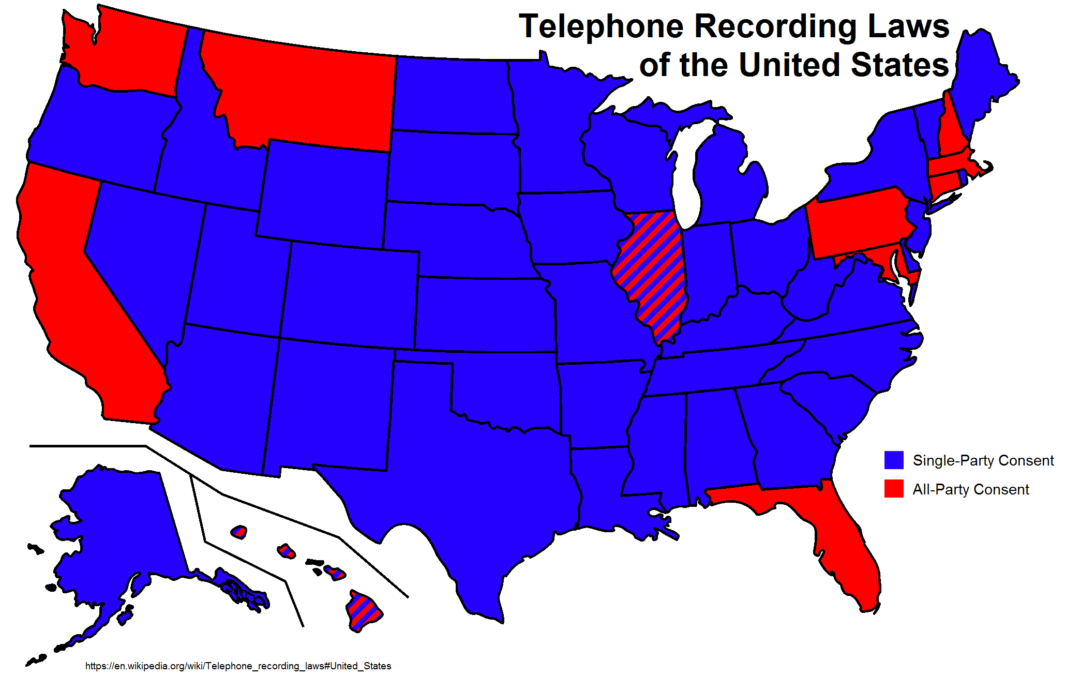
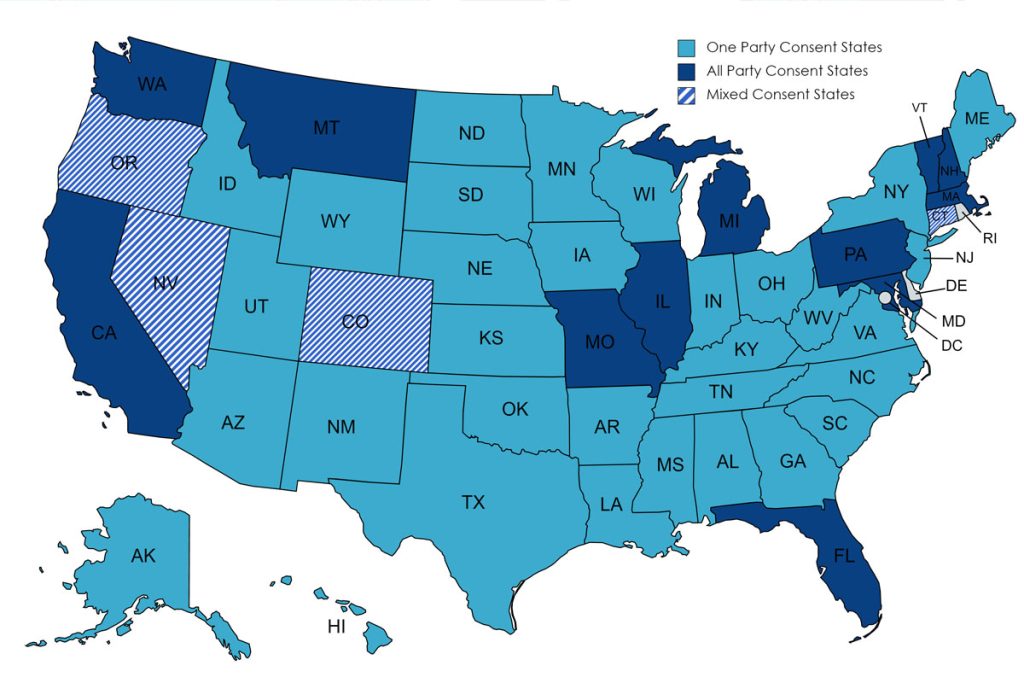
Navigating the legal landscape of recording conversations in California can be a complex undertaking, especially for travelers, business professionals, and even casual visitors. Understanding the state’s stance on this matter is crucial to avoid potential legal repercussions, protect your privacy, and ensure the lawful gathering of information. California operates under a “two-party consent” law, a critical distinction from “one-party consent” states. This means that in most situations, all parties involved in a conversation must agree to be recorded. This principle is rooted in the California Penal Code, specifically Section 632, which addresses the invasion of privacy through eavesdropping or recording confidential communications.

Understanding California’s Two-Party Consent Law
At its core, California’s two-party consent law, as codified in California Penal Code § 632, requires that all parties to a “confidential communication” must consent to its recording. A “confidential communication” is broadly defined as any communication carried on in circumstances that reasonably indicate that any party to the communication desires it to be confined to the parties thereto. This includes most face-to-face conversations, phone calls, and even digital communications where privacy is reasonably expected.
What Constitutes a “Confidential Communication”?
The key to understanding the law lies in the definition of a “confidential communication.” It’s not about whether the conversation is inherently sensitive or private in nature, but rather about the reasonable expectation of privacy at the time of the conversation. For instance, a business meeting held in a private office, a personal phone call from your hotel room at the Grand Hyatt Hotel, or a quiet discussion at a secluded table in a restaurant like The French Laundry would generally be considered confidential.
Conversely, conversations held in public places where there’s no reasonable expectation of privacy, such as shouting across a crowded street in San Francisco or during a tour of a popular attraction like Alcatraz Island, may not fall under the purview of the two-party consent law. However, even in public spaces, if the circumstances suggest an intent for privacy, the recording could still be deemed illegal. This nuanced interpretation underscores the importance of erring on the side of caution.
Exceptions to the Rule
While the two-party consent rule is the general standard, there are certain exceptions. These are often narrowly construed and apply to specific circumstances.
Law Enforcement and Public Investigations
In the context of criminal investigations, law enforcement officers may be permitted to record conversations under certain conditions, often requiring a warrant or specific legal authorization. This exception does not extend to private citizens attempting to conduct their own investigations.
Conversations in Public Forums
As mentioned, conversations occurring in places where there is no reasonable expectation of privacy are generally not protected under the two-party consent law. However, this is a fact-specific determination, and what constitutes a “public forum” can be debated.
Recording of Public Officials in Performance of Duties
In some limited scenarios, the recording of public officials while they are engaged in their official duties in public may be permissible, particularly if the recording is for informational or journalistic purposes. However, this is a complex area of law, and specific limitations often apply.
Practical Implications for Travelers and Visitors
For individuals visiting or conducting business in California, understanding these legal nuances is paramount to avoid inadvertent violations.
Business Meetings and Negotiations
When engaging in business meetings, particularly those involving sensitive information or negotiations, it is imperative to obtain the explicit consent of all participants before initiating any recording. This applies whether the meeting is held in a conference room at a business establishment, a hotel suite at the Beverly Wilshire, A Four Seasons Hotel, or a coworking space.
Obtaining Consent
Consent can be obtained verbally or in writing. A clear verbal statement at the beginning of the meeting, such as “I would like to record this conversation for my notes. Is that agreeable to everyone?” followed by affirmative responses from all parties, is generally sufficient. For more formal settings or when dealing with high-stakes negotiations, a written consent form might be advisable.
Technology and Consent
Be mindful of how technology can inadvertently capture conversations. Smart devices, voice assistants, and even certain applications on your phone can be programmed to record. Ensure these devices are either turned off or have their recording functions disabled when in the presence of others who have not consented to be recorded.
Personal Conversations and Tourism
Even during leisure travel, personal conversations can be inadvertently recorded.
Hotel Stays
When staying at hotels, such as the Post Ranch Inn or the Auberge du Soleil, conversations within your private room are generally considered confidential. Recording these without the consent of everyone present could lead to legal issues. This is particularly relevant if you are discussing personal or business matters that you wouldn’t want others to hear.
Dining and Social Gatherings
While dining at restaurants or attending social gatherings, the expectation of privacy can vary. A quiet, intimate dinner at a restaurant like Benu might lend itself to an expectation of confidentiality, whereas a boisterous group at a sports bar would not. Always assess the environment and the reasonable expectations of privacy of those around you.
Documenting Experiences
Tourists often wish to document their experiences. While recording the sounds of a bustling market in Los Angeles or the natural ambiance of Yosemite National Park might be permissible if no specific private conversations are being captured, actively recording individuals without their consent is problematic. If you plan to record interviews or conversations with people as part of your travel documentation, ensure you have their explicit consent.
Legal Ramifications of Violating the Law
The consequences of illegally recording a conversation in California can be severe. The California Penal Code outlines both civil and criminal penalties for violations of privacy laws.
Civil Penalties
An individual whose confidential communication has been illegally recorded may file a civil lawsuit seeking damages. These damages can include actual damages, statutory damages (which can be significant), and attorney’s fees. This means that not only could you face fines, but you could also be ordered to pay compensation to the aggrieved party and cover their legal costs.
Criminal Penalties
In addition to civil liability, illegal recording can lead to criminal charges. Violations of California Penal Code § 632 are considered a “wobbler” offense, meaning it can be charged as either a misdemeanor or a felony. Conviction can result in substantial fines and imprisonment.
Intent and Knowledge
Crucially, the law often considers the intent and knowledge of the person doing the recording. Recording a conversation with the knowledge that it is taking place without the consent of all parties can be viewed as a deliberate act to violate privacy.
Best Practices for Ensuring Legal Compliance
To avoid legal entanglements, adopting a proactive and cautious approach is essential when considering recording conversations in California.
Always Seek Consent
The simplest and most effective way to comply with the law is to always seek and obtain the explicit consent of all parties before recording any conversation. Be clear about your intentions and the purpose of the recording.
Be Aware of Your Surroundings
Understand the context of the conversation. If you are in a public place where no one has a reasonable expectation of privacy, the legal implications might differ. However, it is always best to err on the side of caution.
Educate Yourself and Your Team
If you are traveling for business or leading a group, ensure that everyone involved is aware of California’s recording laws. Provide clear guidelines and training to prevent accidental violations. This is especially important for companies conducting business in California and organizing events at venues like the Pasad Isabella Hotel or participating in conferences at the Moscone Center.
Consult Legal Counsel
If you are unsure about the legality of recording a specific conversation, especially in a business or sensitive context, it is highly recommended to consult with a legal professional specializing in California privacy law. They can provide tailored advice based on the specific facts of your situation.
Documenting Consent
Maintain records of consent, whether verbal or written. This documentation can serve as crucial evidence in the event of a dispute. For example, if you are conducting interviews for a documentary about a specific landmark like the Golden Gate Bridge, ensure you have signed release forms from all interviewees.
By adhering to these principles and maintaining a vigilant awareness of the legal framework, individuals can confidently navigate conversations in California while respecting privacy rights and ensuring lawful conduct.
LifeOutOfTheBox is a participant in the Amazon Services LLC Associates Program, an affiliate advertising program designed to provide a means for sites to earn advertising fees by advertising and linking to Amazon.com. Amazon, the Amazon logo, AmazonSupply, and the AmazonSupply logo are trademarks of Amazon.com, Inc. or its affiliates. As an Amazon Associate we earn affiliate commissions from qualifying purchases.