
For many, the mention of Arizona conjures images of scorching desert landscapes, saguaro cacti silhouetted against vibrant sunsets, and year-round sunshine. This perception holds true for vast swathes of the state, particularly its southern and central regions where cities like Phoenix and Tucson bask in mild winters. However, to exclusively define Arizona by its deserts would be to overlook one of its most surprising and spectacular secrets: a thriving, often abundant, winter wonderland. The answer to “Is it snowing in Arizona?” is a resounding yes, it absolutely does!
While the idea of snow in the Grand Canyon State might seem counterintuitive to first-time visitors or those unfamiliar with its diverse topography, Arizona boasts a remarkable range of elevations. From the Sonoran Desert’s arid plains to towering mountain peaks exceeding 12,000 feet, the state’s geography creates distinct climate zones. It’s in these higher elevations—primarily the northern half of the state and isolated mountain ranges elsewhere—that winter transforms the landscape into a canvas of pristine white, offering unique travel experiences that defy typical desert expectations. Travelers seeking a blend of adventure, serene beauty, and cozy retreats will find Arizona’s snowy regions to be an unparalleled destination, combining the rugged charm of the Southwest with the magical allure of a traditional winter season. This unexpected facet of Arizona opens up a whole new realm of tourism, from exhilarating ski slopes to breathtaking frosted vistas, making it an ideal choice for a diverse array of winter getaways.
The Surprising Winter Wonderland of the Grand Canyon State
The geographical diversity of Arizona is its secret weapon when it comes to snowfall. While the state’s lower elevations are synonymous with warmth and sun, its northern plateau and several isolated mountain ranges rise dramatically, reaching altitudes where winter temperatures frequently dip below freezing. This allows for significant snowfall, often accumulating several feet over the colder months, typically from December through March. These elevated areas, which include parts of the Mogollon Rim, the White Mountains, and mountain ranges surrounding cities like Flagstaff and Prescott, become true winter havens.
The contrast between the snow-capped peaks and the nearby desert valleys creates a stunning visual spectacle that is uniquely Arizona. Imagine driving just a couple of hours from the saguaro-studded deserts around Phoenix or Tucson and finding yourself amidst pine forests blanketed in deep snow. This dramatic shift offers travelers the incredible opportunity to experience two vastly different climates and lifestyles within a single trip. One day you could be hiking desert trails in a t-shirt, and the next, you could be skiing down a mountain, all within the same state. This dual nature makes Arizona a compelling destination for those looking to combine diverse experiences in one unforgettable journey, appealing to everyone from outdoor adventurers to families seeking a memorable holiday experience.
Where to Find Snow in Arizona
If you’re looking to experience snow in Arizona, you need to head to specific high-elevation destinations that transform into picturesque winter landscapes.
-
Flagstaff: Arizona’s Winter Capital
Perched at nearly 7,000 feet, Flagstaff is undoubtedly the epicenter of winter activity in Arizona. It consistently receives the most snowfall of any city in the state, averaging over 100 inches annually. The downtown area itself often glistens with snow, creating a charming, festive atmosphere. Just a short drive north of Flagstaff lies Arizona Snowbowl, a premier ski and snowboard resort situated on the slopes of Humphreys Peak, the state’s highest point. Arizona Snowbowl offers diverse terrain for all skill levels, modern lifts, and breathtaking views stretching across the Coconino National Forest. Beyond skiing, Flagstaff offers opportunities for snowshoeing, cross-country skiing, tubing at locations like Flagstaff Snow Park, and simply enjoying the cozy ambiance of a mountain town. The city also serves as an excellent base for exploring nearby winter attractions. -
Grand Canyon National Park
While the Grand Canyon is awe-inspiring year-round, seeing its vast expanse dusted with snow is an ethereal experience. The South Rim, which remains open through the winter, often receives significant snowfall, especially from December to February. The contrast of the white snow against the red and orange rock layers, with the deep chasm stretching into the distance, creates unparalleled photographic opportunities. Winter visitation means fewer crowds, a quiet solitude that enhances the majesty of the canyon, and crisp, clear air. Roads and trails can be icy, so proper footwear and caution are essential, but the rewards are immense. The North Rim typically closes for the winter due to heavy snow. -
White Mountains
Located in eastern Arizona, the White Mountains region is a true hidden gem for winter sports enthusiasts. Home to Sunrise Park Resort, owned and operated by the White Mountain Apache Tribe, this area offers extensive skiing and snowboarding terrain, snowshoe trails, and cross-country skiing opportunities. Towns like Pinetop-Lakeside provide cozy cabins and amenities, serving as a gateway to the Apache-Sitgreaves National Forests. The White Mountains offer a more secluded and authentic winter experience, perfect for those looking to escape the crowds and immerse themselves in nature. -
Sedona
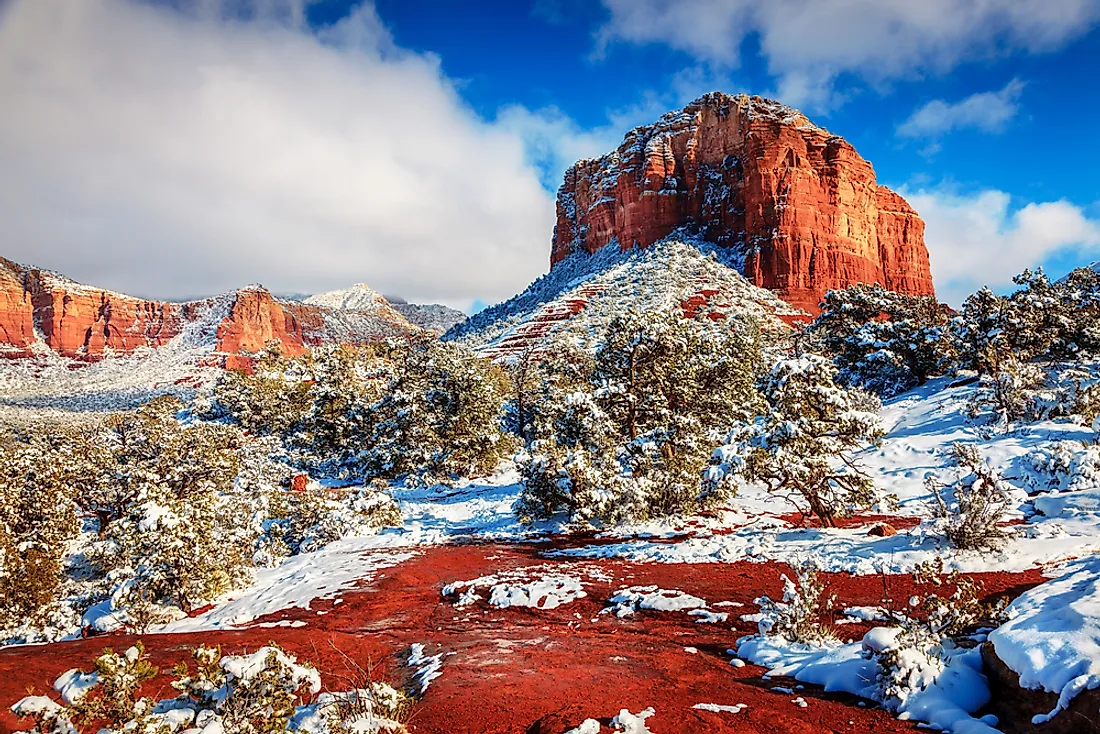
Snowfall in Sedona is less frequent and typically doesn’t last long, but when it does occur, it’s nothing short of magical. The iconic red rock formations dusted with a delicate layer of white snow create a breathtaking, almost surreal landscape that photographers dream of. Even a light dusting transforms the scenery into something truly special. While you won’t find ski resorts here, a fresh snowfall offers unique opportunities for scenic drives along Oak Creek Canyon and gentle winter hikes amidst unparalleled beauty. If visiting Sedona in winter, keep an eye on the forecast; you might just witness this rare and stunning phenomenon. -
Mount Lemmon (Near Tucson)
For those in southern Arizona, Mount Lemmon offers a remarkably accessible winter escape. Rising over 9,000 feet above the desert floor near Tucson, it’s home to Ski Valley, the southernmost ski area in the continental U.S. A scenic drive up the Mount Lemmon Highway takes you from saguaros to pine forests, culminating in snow-covered slopes. While smaller than Arizona Snowbowl or Sunrise Park Resort, Ski Valley provides a charming, family-friendly atmosphere for skiing, snowboarding, and playing in the snow, offering a delightful day trip for desert dwellers looking for a quick dose of winter.
Embracing Winter Tourism: Activities and Experiences
The presence of snow in Arizona’s high country unlocks a plethora of winter activities and unique tourism experiences that draw visitors from around the globe. This transforms the typical perception of the state from solely a warm-weather destination to a vibrant, year-round adventure hub.
- Skiing and Snowboarding: This is arguably the most popular winter pursuit in Arizona. Arizona Snowbowl near Flagstaff and Sunrise Park Resort in the White Mountains boast extensive runs for all skill levels, from gentle beginner slopes to challenging black diamonds. Ski Valley on Mount Lemmon offers a more intimate, local experience, perfect for families or those looking for a casual day on the snow. All three resorts provide equipment rentals, lessons, and comfortable lodge facilities.
-
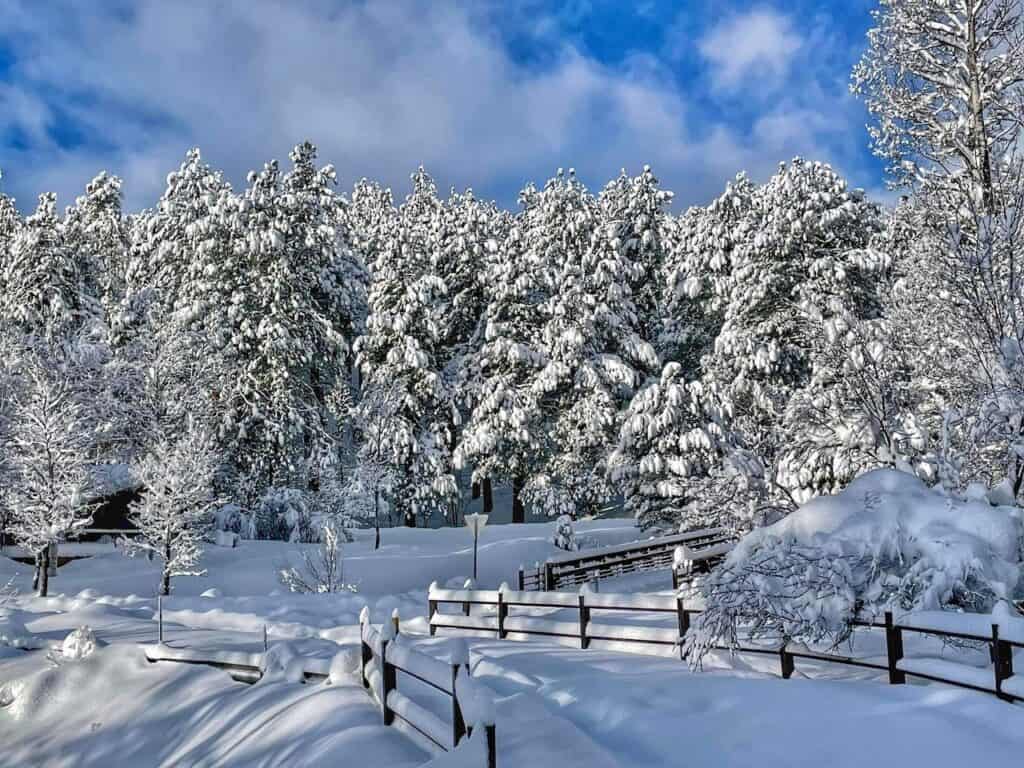
Snowshoeing and Cross-Country Skiing: For those who prefer a quieter, more immersive experience in nature, snowshoeing and cross-country skiing are ideal. The Coconino National Forest around Flagstaff, the Prescott National Forest near Prescott, and the vast Apache-Sitgreaves National Forests in the White Mountains offer miles of groomed and ungroomed trails. These activities provide a fantastic way to explore the serene beauty of frosted pine forests, spot winter wildlife, and enjoy crisp mountain air away from the bustling slopes.
-
Scenic Drives and Photography: Winter transforms Arizona’s already stunning landscapes into something truly magical. A drive through Oak Creek Canyon after a fresh snowfall, or along the rim roads of the Grand Canyon, offers unparalleled photographic opportunities. The dramatic contrast of white snow against red rocks or dark green pines under a clear blue sky is unforgettable. Remember to take your camera and allow extra time for photo stops.
-
Winter Hiking: Many trails remain accessible in winter, especially at lower elevations of snowy regions. However, for higher trails, proper gear, including waterproof boots, microspikes, or snowshoes, is essential. The quiet solitude of a winter hike, with the sound of crunching snow underfoot and the crisp air invigorating your senses, is a uniquely rewarding experience. Always check trail conditions and weather forecasts before heading out.
-
Holiday Festivities and Local Culture: Arizona’s snowy towns embrace the winter season with a variety of holiday events and local traditions. Flagstaff, for instance, often hosts tree lightings, parades, and festive markets, enhancing its ‘winter capital’ reputation. These events provide a glimpse into the local culture and a chance to mingle with residents who truly cherish their snowy months. Cozy restaurants and cafes offer warm comfort food and beverages, perfect for warming up after a day in the snow.
Planning Your Snowy Arizona Getaway: Accommodation and Logistics
Venturing into Arizona’s winter landscapes requires thoughtful planning, especially concerning where to stay and how to navigate the conditions. The right preparation can transform a good trip into an extraordinary one, ensuring comfort, safety, and maximum enjoyment of your winter adventure.
Choosing Your Winter Retreat
Accommodation options in Arizona’s snowy regions are as diverse as its landscapes, catering to various preferences and budgets.
- Hotels and Resorts: For those seeking convenience and amenities, resort hotels near ski areas or in towns like Flagstaff and Pinetop-Lakeside are excellent choices. Options range from luxury establishments offering spa services, fine dining, and even ski-in/ski-out access, to more moderately priced hotels. The Little America Hotel Flagstaff is a popular choice for its beautiful grounds and comprehensive facilities. For a unique blend of luxury and natural beauty, consider properties in Sedona like L’Auberge de Sedona, which, while not a ski resort, offers stunning views that occasionally include snow-dusted red rocks and an incredibly serene atmosphere.
- Cabins and Vacation Rentals: For a more private or rustic experience, renting a cabin or a vacation home is ideal. These are particularly popular in the White Mountains, around Flagstaff, and in charming towns like Williams or Prescott. Many come equipped with fireplaces, full kitchens, and ample space for families or groups, offering a true home-away-from-home feel. This is perfect for those who enjoy cooking their own meals and having a cozy retreat after a day of outdoor activities.
- Boutique Hotels and Inns: Quaint boutique hotels and bed & breakfasts offer personalized service and a cozy ambiance. These can be found in the historic downtowns of Flagstaff or Prescott, providing a charming base from which to explore the local culture and winter festivities.
- Booking Tips: Winter is a popular time for Arizona’s snowy regions, especially during holiday periods and weekends. It is highly recommended to book your accommodation well in advance, often several months ahead, to secure your preferred dates and lodging type. Comparing rates and amenities across various platforms will help you find the best deal for your winter getaway.
Essential Winter Travel Tips
Preparing for winter travel in Arizona is crucial for a safe and enjoyable trip.
- Packing Smart: Layers are key. Bring warm, waterproof outerwear (jacket, pants, gloves, hats, scarf), thermal base layers, and moisture-wicking socks. Waterproof boots with good traction are essential for navigating snowy and icy conditions. Don’t forget sunglasses and sunscreen, as the sun can be intense even in winter, especially with snow reflection.
- Road Conditions and Vehicle Preparation: Roads in high-elevation areas can become hazardous with snow and ice. Always check the Arizona Department of Transportation (ADOT) website or app for current road conditions before you travel, especially if you plan to drive through mountain passes. A 4-wheel drive (4WD) or all-wheel drive (AWD) vehicle is highly recommended, and carrying tire chains might be required or advisable for certain routes, particularly when heavy snowfall is expected. Ensure your vehicle has good tires, a full tank of gas, and an emergency kit.
- Altitude Sickness Awareness: Some of Arizona’s snowy destinations, like Flagstaff (7,000 feet) and Mount Lemmon (over 9,000 feet), are at high altitudes. If you’re coming from sea level, take it easy on your first day, stay hydrated, and avoid excessive alcohol. Be aware of symptoms like headaches, nausea, or dizziness.
- Safety First: When engaging in outdoor activities, always inform someone of your plans. Stick to marked trails, especially if snowshoeing or hiking. Hypothermia is a risk; know its symptoms and how to prevent it by staying dry and warm.
- Best Time to Visit: For the best chance of encountering snow, plan your visit between December and early March. January and February typically offer the deepest snowpacks and prime conditions for winter sports.
The Unique Arizona Lifestyle: A Tale of Two Seasons
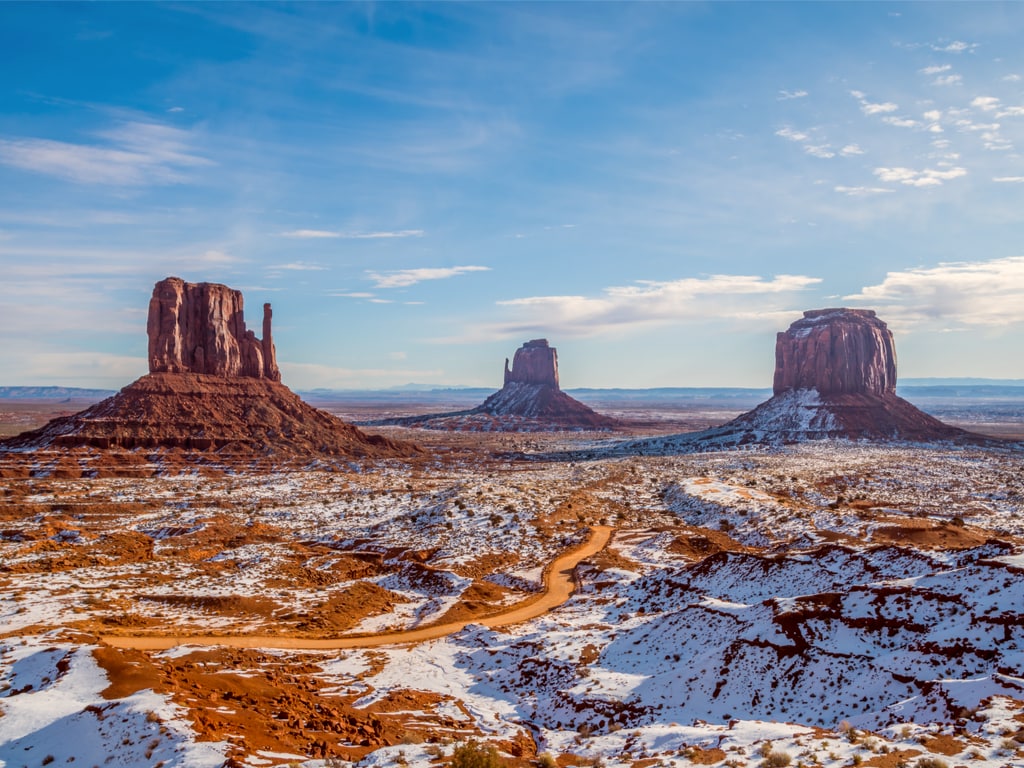
The lifestyle in Arizona during winter is a fascinating duality, a stark contrast that truly defines the state’s diverse appeal. While the desert lowlands continue to enjoy mild, sunny days perfect for golfing, hiking, and patio dining, just a few hours’ drive north, a completely different world unfolds. This “tale of two seasons” within a single state offers an unparalleled lifestyle experience for both residents and visitors.
For many Arizonans, the ability to escape the heat of the desert for the cool, snowy mountains is a cherished aspect of their lives. A weekend trip might involve soaking up the sun in Tucson on Saturday and then hitting the ski slopes of Mount Lemmon on Sunday. This unique geographical advantage means that outdoor enthusiasts can indulge in a wide spectrum of activities, from rock climbing in Sedona’s red rocks to backcountry skiing in the White Mountains, all within a reasonable drive. This diverse offering supports a vibrant tourism sector, attracting those who seek adventure, relaxation, or a blend of both.
Family trips can be uniquely enriching, allowing children to experience building snowmen and sledding in Flagstaff one day, and then exploring a desert botanical garden in Phoenix the next. This provides an educational and exciting blend of ecosystems and activities that few other states can match. For luxury travelers, Arizona offers high-end resorts and sophisticated dining experiences in both its warm and cold regions, allowing for tailored itineraries that combine a desert spa retreat with an upscale mountain lodge stay. Conversely, budget travelers can find affordable cabins and camping options, enabling them to enjoy the natural beauty without breaking the bank. This adaptability ensures that the “Arizona lifestyle” caters to every kind of traveler, offering an abundance of choices for unforgettable winter experiences that seamlessly bridge the gap between sun-drenched warmth and snowy enchantment. It’s a testament to Arizona’s extraordinary natural beauty and its capacity to continually surprise and delight visitors with its incredible versatility.
LifeOutOfTheBox is a participant in the Amazon Services LLC Associates Program, an affiliate advertising program designed to provide a means for sites to earn advertising fees by advertising and linking to Amazon.com. Amazon, the Amazon logo, AmazonSupply, and the AmazonSupply logo are trademarks of Amazon.com, Inc. or its affiliates. As an Amazon Associate we earn affiliate commissions from qualifying purchases.