
The question “Is it snowing in Miami?” is one that often elicits a chuckle from anyone familiar with this vibrant Florida metropolis. Synonymous with year-round sunshine, pristine beaches, and a pulsating cultural scene, the mere notion of snow falling on the palm-lined streets of Miami seems like something out of a whimsical fantasy. Yet, this intriguing query highlights a common misconception or perhaps a playful curiosity about one of the world’s most sought-after travel destinations. This article delves into the climatic reality of Miami, dispelling myths and illuminating the true nature of its tropical allure for travelers seeking an unforgettable escape.
The Myth vs. The Reality: Miami’s Tropical Climate
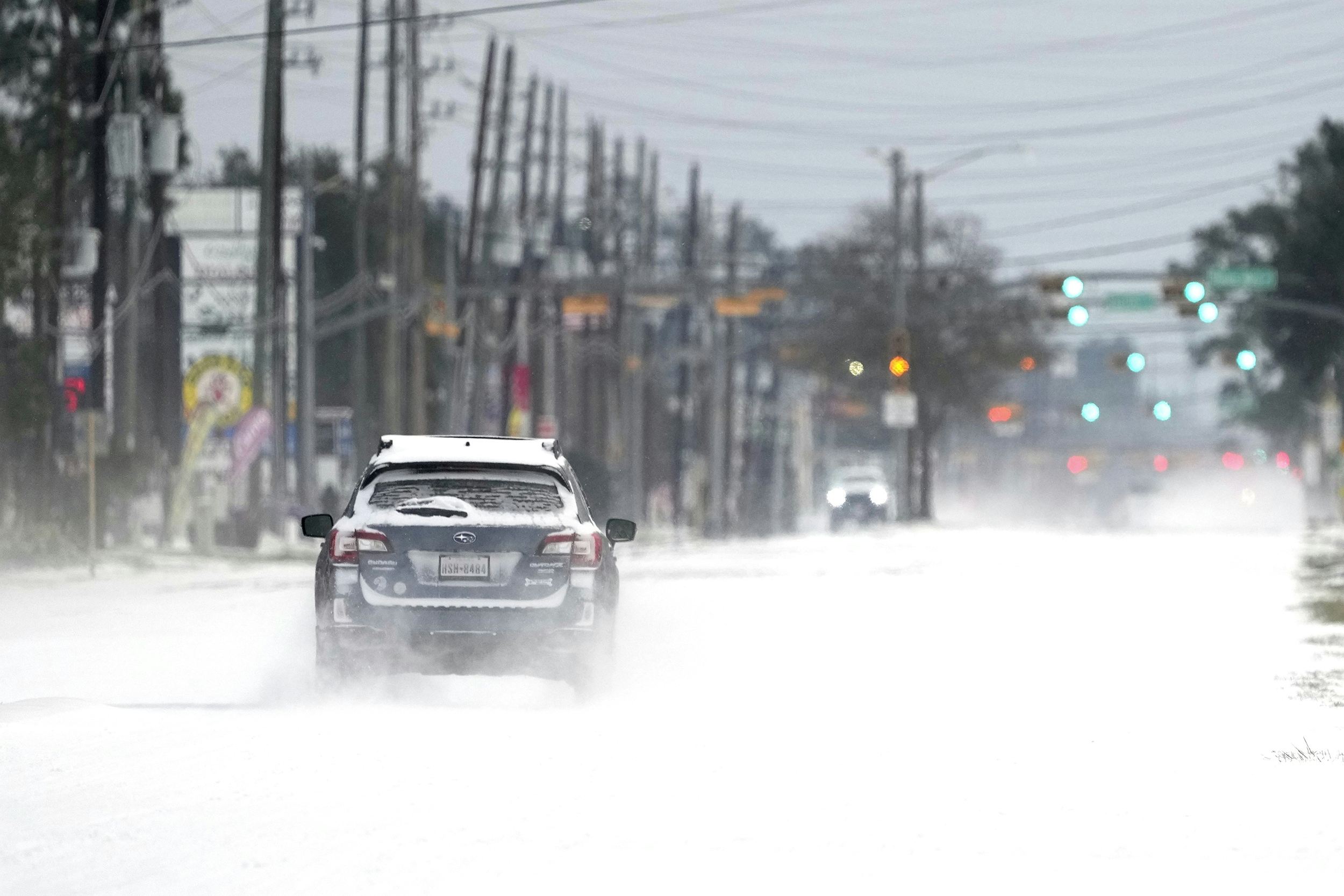
To put it unequivocally, snow is an exceptionally rare phenomenon in Miami. The city boasts a tropical monsoon climate, characterized by hot, humid summers and warm, dry winters. This classification places Miami squarely in a zone where freezing temperatures are an anomaly rather than a seasonal expectation. The perception of snow in Miami stems from an understandable lack of familiarity for those accustomed to four distinct seasons, but the reality on the ground is consistently warm and inviting.
A Glimpse into Miami’s Weather Patterns
Miami’s climate is heavily influenced by its proximity to the Atlantic Ocean and the warm waters of the Gulf Stream. These geographical factors contribute to high average temperatures throughout the year, with daytime highs rarely dipping below the mid-60s Fahrenheit (around 18°C) even in the “cooler” winter months. Summers are decidedly hot and humid, with temperatures frequently soaring into the high 80s or low 90s Fahrenheit (around 30-35°C), often accompanied by brief, heavy afternoon thunderstorms that provide a refreshing, albeit temporary, respite from the heat.
The city experiences a distinct wet season from May to October and a dry season from November to April. The wet season brings the majority of the annual rainfall, often in dramatic, short-lived downpours, while the dry season is marked by abundant sunshine, lower humidity, and more comfortable temperatures, making it a prime time for visitors. This consistent warmth and ample sunshine are precisely what make Miami a beloved destination for those escaping colder climates, reinforcing its image as a perpetual summer paradise.
The Rarity of Freezing Temperatures
While snow is virtually non-existent, the question of freezing temperatures is a slightly different matter, though still incredibly rare. The last time actual snow flurries were observed in Miami was on January 19, 1977, an event so unusual it became a legendary local anecdote. Even then, it was just flurries, not an accumulation, and it quickly melted. Since then, temperatures have occasionally dipped close to freezing in outlying areas of South Florida during extreme cold fronts, but sustained freezing temperatures within the urban core of Miami proper are exceedingly uncommon. The urban heat island effect, combined with its coastal location, helps moderate temperatures, preventing them from plummeting to freezing points typical of more northern latitudes. Travelers can therefore confidently pack light, knowing that heavy winter gear will be entirely unnecessary.
Embracing Miami’s Signature Warmth: What to Expect
Instead of preparing for snow, travelers to Miami should prepare to revel in perpetual warmth and sunshine. This consistent tropical weather is the cornerstone of the Miami experience, influencing everything from the architecture and fashion to the outdoor-centric lifestyle and vibrant recreational opportunities. It’s a destination designed for enjoyment under the sun, where the ocean is always inviting and outdoor activities are the norm.
Sunshine and Ocean Breezes Year-Round
One of Miami’s most defining characteristics is its abundance of sunshine. The city boasts an impressive average of 248 sunny days per year, ensuring that brilliant blue skies are a frequent backdrop to any visit. Complementing this sunshine are the gentle, often refreshing, ocean breezes that sweep in from the Atlantic and Biscayne Bay. These breezes are particularly noticeable along the coast, offering a pleasant respite from the heat, especially during the warmer months. They make walks on South Beach, dining at outdoor cafes, and enjoying watersports incredibly comfortable and enjoyable.
This consistent climate fosters an outdoor lifestyle that defines the city. From sunrise yoga on the beach to sunset cruises, Miami encourages engagement with its natural beauty. The ever-present warmth means that pools are always open, outdoor dining is a year-round affair, and the city’s parks and green spaces are continually teeming with activity. It’s a destination where you can shed layers and truly relax into a sun-drenched rhythm.
Best Seasons for a Sunny Getaway
While Miami is a fantastic destination any time of year, certain seasons offer a slightly more optimal experience for travelers, depending on their preferences.
- Winter (November to April): This is considered Miami’s peak tourist season, and for good reason. Temperatures are comfortably warm, humidity is lower, and rainfall is minimal. The days are sunny and pleasant, perfect for beach activities, exploring the city, and enjoying outdoor dining without the intense summer heat. This period is ideal for those escaping colder climates and seeking guaranteed sunshine.
- Spring (March to May): A beautiful shoulder season, offering a gentle transition from the dry winter to the wetter summer. Temperatures begin to climb, but humidity remains manageable, and rain showers are still infrequent. It’s a great time to visit for good weather and potentially fewer crowds than the peak winter months.
- Summer (June to August): Hot and humid defines Miami summers. While temperatures are high, so are the energy levels, particularly around water activities. Expect daily afternoon thunderstorms, which are usually short-lived and help cool things down. Travelers who don’t mind the heat and enjoy lush, tropical greenery will find this season appealing, often with better deals on accommodations.
- Fall (September to October): Still warm and relatively humid, but with hurricane season tapering off towards the end of October. Crowds are thinner, and you can still enjoy plenty of sunshine. Travelers seeking a quieter experience before the winter rush may find this a good time to visit.
No matter the season, the underlying constant is Miami’s signature warmth, offering a consistent escape from the cold.

Top Travel Experiences in a Snow-Free Paradise
With the myth of snow thoroughly debunked, travelers can focus on the myriad of incredible experiences that Miami’s tropical climate truly enables. The city is a mosaic of diverse cultures, stunning natural beauty, and vibrant urban landscapes, all best enjoyed under its characteristic sunny skies.
Beach Life and Water Sports
The quintessential Miami experience revolves around its spectacular beaches. From the iconic white sands of South Beach in Miami Beach, famed for its Art Deco Historic District and vibrant atmosphere, to the quieter shores of Crandon Park or Bill Baggs Cape Florida State Park on Key Biscayne, there’s a stretch of sand for every preference. The warm waters of the Atlantic Ocean are perfect for swimming, sunbathing, and a vast array of water sports.
Travelers can indulge in jet-skiing, paddleboarding, kayaking, and parasailing along the coast. Snorkeling and diving are popular, especially in the clear waters around John Pennekamp Coral Reef State Park, a short drive south. For those who prefer to stay on the surface, sailing excursions on Biscayne Bay offer breathtaking views of the Miami skyline. The warm weather ensures these activities are accessible and enjoyable throughout the year, making Miami a paradise for water enthusiasts.
Exploring Miami’s Vibrant Neighborhoods
Beyond the beaches, Miami is a city of distinct and dynamic neighborhoods, each offering a unique cultural tapestry.
- South Beach: Famous for its pastel-colored Art Deco buildings, lively Ocean Drive, and pulsating nightlife. It’s a place to see and be seen, offering high-end shopping, diverse dining, and beautiful people-watching.
- Little Havana: A cultural heartland, home to Cuban exiles and a vibrant reflection of Cuban heritage. Stroll down Calle Ocho, listen to live salsa music, watch cigars being hand-rolled, and savor authentic Cuban coffee and cuisine.
- Wynwood Walls and the Design District: These areas have transformed into global epicenters for street art, fashion, and cutting-edge design. Wynwood is an outdoor gallery of massive murals, while the Design District showcases luxury boutiques and innovative architecture.
- Brickell: Miami’s financial hub, known for its towering skyscrapers, upscale restaurants, and vibrant urban energy. It offers a sophisticated, cosmopolitan experience.
These neighborhoods are easily explored thanks to Miami’s consistent sunny weather, making walking tours and open-air exploration a pleasure.
Cultural Immersion and Culinary Delights
Miami’s cultural scene is as diverse as its population. The city is a melting pot of Latin American, Caribbean, and American influences, evident in its music, art, and most notably, its food.
- Art and Museums: Visit the impressive Pérez Art Museum Miami (PAMM) for contemporary art, or the Phillip and Patricia Frost Museum of Science for interactive exhibits. The opulent Vizcaya Museum & Gardens, a European-inspired estate, offers a glimpse into Miami’s gilded past.
- Culinary Scene: Miami’s food scene is a global culinary journey. From fresh seafood and classic Cuban fare to innovative fusion cuisine and farm-to-table restaurants, the options are endless. Don’t miss sampling ceviche, stone crabs (in season), key lime pie, and the ubiquitous Cuban sandwich. Many restaurants offer outdoor seating, allowing diners to enjoy the pleasant climate while savoring their meals.
- Festivals and Events: The warm weather year-round means Miami hosts numerous outdoor festivals and events, from international art fairs like Art Basel Miami Beach to music festivals and cultural celebrations, adding another layer of excitement for travelers.
Planning Your Perfect Miami Escape
Planning a trip to Miami means preparing for sun, warmth, and an abundance of activities. Forget the heavy coats and snow boots; think light, airy, and ready for adventure.
Packing Essentials for a Tropical Climate
Given Miami’s consistently warm climate, packing smart is key. Focus on light, breathable fabrics like cotton, linen, and rayon.
- Clothing: Swimsuits are a must, along with shorts, t-shirts, sundresses, and light casual wear. If planning for upscale dining or nightlife, include a few dressier outfits. A light jacket or cardigan might be useful for cooler evenings, especially during the winter months, or for air-conditioned indoor spaces.
- Footwear: Comfortable sandals, flip-flops, and walking shoes are essential.
- Sun Protection: Sunglasses, a wide-brimmed hat, and high-SPF sunscreen are non-negotiable items to protect against the strong Florida sun.
- Other Essentials: Reusable water bottle to stay hydrated, insect repellent (especially if visiting during the warmer, wetter months or venturing into natural areas like Everglades National Park), and a compact umbrella or light rain jacket during the wet season.

Navigating Miami: Transportation and Tips
Miami is a sprawling city, and understanding its transportation options is crucial for an enjoyable visit.
- Rideshares and Taxis: Services like Uber and Lyft are widely available and often the most convenient way to get around, particularly between different neighborhoods or for late-night outings. Taxis are also plentiful, especially around popular tourist areas and PortMiami.
- Public Transportation: Miami-Dade Transit operates the Metrobus, Metrorail, and Metromover. The Metromover is a free, elevated rail system that loops through Downtown Miami and Brickell, connecting major attractions and business districts. The Metrobus provides extensive coverage throughout the city and beyond.
- Car Rental: Renting a car offers the most flexibility, especially if you plan to explore areas outside the immediate urban core, such as Everglades National Park or other cities in South Florida like Fort Lauderdale or the Florida Keys. Be prepared for traffic and parking challenges, particularly in popular areas like South Beach.
- Walking and Biking: In specific neighborhoods like South Beach, Wynwood, or Little Havana, walking and biking are excellent ways to experience the local atmosphere. Many areas have dedicated bike lanes, and bike-sharing services are available.
In conclusion, while the question “Is it snowing in Miami?” makes for a whimsical thought experiment, the reality is far more appealing for most travelers: a consistent, inviting tropical paradise. Miami promises sun-drenched days, warm ocean breezes, vibrant cultural experiences, and endless opportunities for adventure, making it a dream destination for those seeking an escape from winter’s chill and an immersion in a truly unique American city.
LifeOutOfTheBox is a participant in the Amazon Services LLC Associates Program, an affiliate advertising program designed to provide a means for sites to earn advertising fees by advertising and linking to Amazon.com. Amazon, the Amazon logo, AmazonSupply, and the AmazonSupply logo are trademarks of Amazon.com, Inc. or its affiliates. As an Amazon Associate we earn affiliate commissions from qualifying purchases.