
Planning a trip to Arizona, the sun-drenched Grand Canyon State, often involves a myriad of exciting decisions – from choosing the perfect hiking trail to reserving a unique desert experience. Amidst all the anticipation, a crucial detail frequently arises: “What time is Arizona on?” While seemingly straightforward, Arizona’s approach to time is distinct and holds significant implications for any traveler. Understanding this unique time zone status is not merely a logistical note; it’s a cornerstone for seamless travel planning, effective communication, and ultimately, a more enjoyable and stress-free adventure through one of the United States’ most captivating destinations.
This guide will delve into Arizona’s time zone intricacies, explaining why it stands apart and offering practical advice to ensure your travel plans align perfectly with the rhythm of the desert. From booking flights and scheduling tours to connecting with loved ones back home, mastering the clock in Arizona is your first step towards an unforgettable journey.
Understanding Arizona’s Unique Time Zone Status
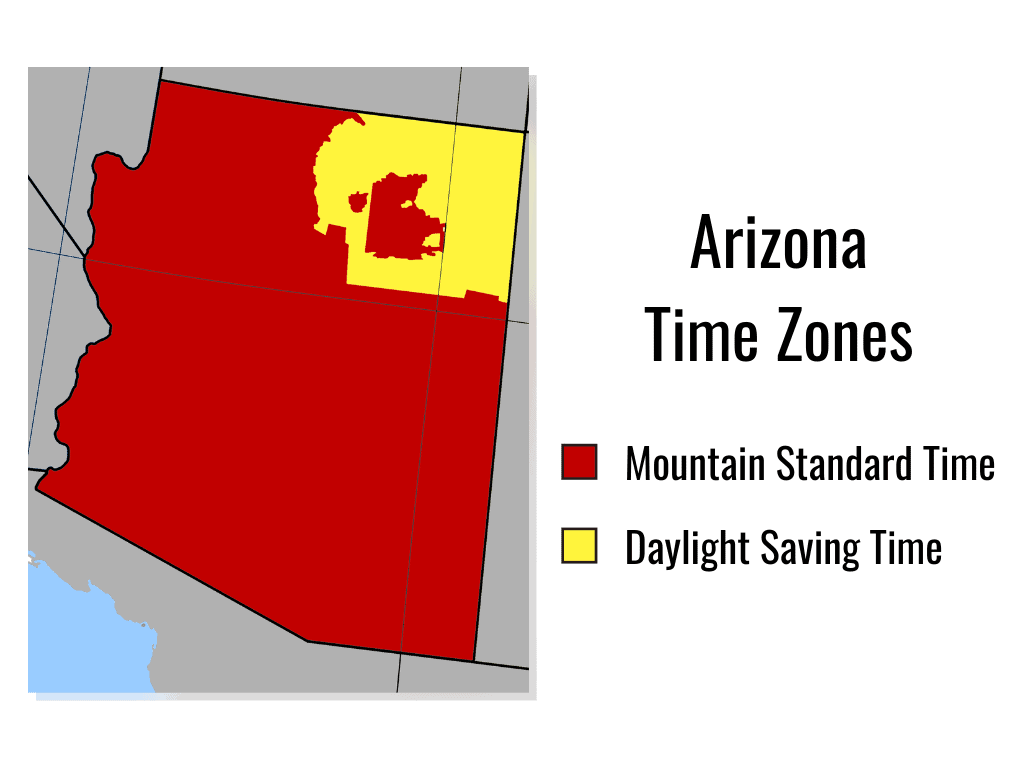
Arizona holds a fascinating and somewhat uncommon position on the time zone map of North America. Unlike most other states in the continental United States, Arizona largely foregoes the biannual ritual of adjusting clocks for Daylight Saving Time (DST). This decision, rooted in practical considerations given the state’s extreme heat and abundant daylight, significantly impacts how travelers perceive and interact with local time throughout the year.
Mountain Standard Time (MST) Year-Round
For the vast majority of the year, and across the majority of the state, Arizona observes Mountain Standard Time (MST). This time zone is UTC-7, meaning it is seven hours behind Coordinated Universal Time. The key distinction, however, is that while states observing MST typically switch to Mountain Daylight Time (MDT) (UTC-6) during the spring and summer months, Arizona does not. This steadfast adherence to MST means that the state’s clocks remain unchanged regardless of the season.
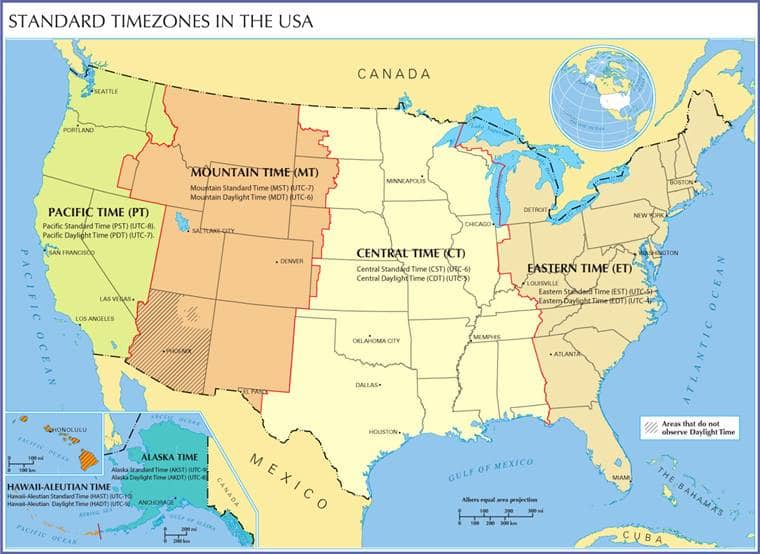
This consistency can be a blessing for travelers, eliminating the confusion of “spring forward” or “fall back” that often accompanies cross-country journeys. However, it also means that Arizona’s time relative to other regions shifts throughout the year. For example, during the summer months, when most of the United States observes Daylight Saving Time (DST), Arizona will be on the same time as Pacific Daylight Time (PDT) (UTC-7) but an hour behind Mountain Daylight Time (MDT) (UTC-6) and three hours behind Eastern Daylight Time (EDT) (UTC-4). This nuance is critical for anyone coordinating itineraries or simply trying to figure out when to call home.
The Navajo Nation Exception
While most of Arizona remains on MST year-round, there is one significant exception: the Navajo Nation. This vast autonomous territory, which spans parts of northeastern Arizona, New Mexico, and Utah, does observe Daylight Saving Time (DST).
This means that during the months when Daylight Saving Time (DST) is in effect (typically from early March to early November), the Navajo Nation will be on Mountain Daylight Time (MDT) (UTC-6), an hour ahead of the rest of Arizona. For travelers exploring iconic sites within the Navajo Nation such as Monument Valley or Antelope Canyon, this is an absolutely essential detail. Missing a timed tour or a scheduled meeting due to a one-hour discrepancy could easily disrupt carefully laid plans. Always double-check the local time specifically for your destination within the Navajo Nation to avoid any missteps.
Practical Implications for Travelers
Understanding Arizona’s time zone policies is more than just a trivial fact; it’s a critical component of successful travel planning. From the moment you begin organizing your trip until your departure, time considerations will influence several key aspects of your journey.
Planning Your Arrival and Departure
When booking flights into Arizona’s major airports, such as Phoenix Sky Harbor International Airport (PHX) or Tucson International Airport (TUS), pay close attention to the arrival and departure times listed. Flight schedules are typically shown in local time, but it’s crucial to know what “local time” means for Arizona relative to your origin city.
If you are traveling during the summer months from a state that observes Daylight Saving Time (DST), remember that Arizona will effectively be an hour “behind” what you might expect for the Mountain Time Zone. This means if you’re flying from Denver (MDT) to Phoenix (MST), a 9 AM flight from Denver might land at 9 AM in Phoenix after a two-hour flight, despite the geographical distance, because Phoenix is an hour behind Denver during that period. This can be disorienting, but anticipating it will prevent missed connections or early/late arrivals for pre-booked transport.
Coordinating Activities and Reservations
Arizona is replete with time-sensitive activities, from guided tours of the Grand Canyon to reservations at popular Scottsdale restaurants or sunset hot air balloon rides over Sedona. When making these bookings, always confirm the local time. If your itinerary includes a visit to the Navajo Nation, be extra vigilant. For instance, a tour of Antelope Canyon, which is on Navajo Nation land, will adhere to MDT during Daylight Saving Time (DST). This means if you’re driving from Page, Arizona (MST) to a tour starting at 10 AM in Antelope Canyon (MDT), you’ll need to depart from Page by 8:30 AM (MST) to arrive on time, effectively “losing” an hour as you cross into the Navajo Nation. Many tour operators are adept at guiding visitors through this, but ultimate responsibility for punctuality lies with the traveler.
Managing Jet Lag and Time Adjustments
While Arizona’s consistent MST can simplify local coordination, travelers arriving from distant time zones will still experience the usual effects of jet lag. The absence of Daylight Saving Time (DST) means your internal clock will need to adjust to a fixed offset. If you’re coming from the East Coast (EST/EDT), you’ll be adjusting to a two or three-hour difference depending on the season. From the West Coast (PST/PDT), the difference is usually negligible, with Arizona being either an hour ahead or on the same time during Daylight Saving Time (DST) months. Preparing for this adjustment, especially if you have early morning excursions planned, can make a significant difference in your initial days. Stay hydrated, try to expose yourself to natural light upon arrival, and gradually shift your sleep schedule to the local time.
Navigating Time Across Arizona’s Diverse Landscapes
Arizona’s appeal lies in its breathtaking diversity, from towering red rocks to vast deserts and cool mountain towns. Understanding how time works in each region will enhance your exploration and ensure a smooth transition between these distinct environments.
From Phoenix to the Grand Canyon
The sprawling metropolis of Phoenix and its surrounding areas, including Scottsdale and Mesa, operate on MST year-round. This is your base for many Arizona adventures. When you journey north towards the Grand Canyon, the situation becomes slightly more intricate. The majority of the Grand Canyon National Park, including the popular South Rim, observes Arizona time (MST) throughout the year.
However, as you approach the eastern sections of the park or travel towards the North Rim through the Navajo Nation, you might encounter the time zone shift. For instance, if your journey takes you through Cameron or Page (both within Arizona proper, thus on MST), but then you venture into areas like Monument Valley or Antelope Canyon (both within the Navajo Nation), you will need to adjust your clock by an hour during Daylight Saving Time (DST) periods. Always clarify times for specific tours or park services if there’s any doubt about proximity to the Navajo Nation boundary.
Exploring Northern Arizona (Flagstaff, Sedona)
The cool, pine-scented regions of Northern Arizona, including vibrant Flagstaff and the mystical red rocks of Sedona, also consistently observe Mountain Standard Time (MST) year-round. This makes planning activities in these popular destinations relatively straightforward. Whether you’re hiking Sedona’s vortexes, exploring Flagstaff’s historic downtown, or stargazing at the Lowell Observatory, your schedule will align with the stable MST. This consistency allows for easier coordination of day trips from Phoenix or within the northern region itself, as the time doesn’t change relative to the state’s main hubs.
Southern Arizona’s Charms (Tucson, Yuma)
Venturing south to the saguaro-filled landscapes around Tucson or the border city of Yuma also means staying on Mountain Standard Time (MST) year-round. Whether you’re exploring Saguaro National Park, delving into Tucson’s rich cultural heritage, or experiencing the historic Yuma Territorial Prison State Historic Park, the consistent time zone simplifies your travel plans. This uniformity across the vast majority of the state outside the Navajo Nation is one of Arizona’s practical quirks, streamlining experiences for visitors moving between its diverse regions.
Enhancing Your Arizona Travel Experience
Beyond simply knowing the time, strategically leveraging Arizona’s unique time zone can significantly enhance your travel experience. It offers opportunities for seamless exploration and mindful communication.
Leveraging the Constant Time for Seamless Exploration
The consistent Mountain Standard Time (MST) across most of Arizona means you can move between major cities and natural attractions without constantly worrying about adjusting your watch, except when entering the Navajo Nation. This stability reduces mental fatigue and allows you to focus more on the stunning scenery and unique experiences. Plan your road trips with confidence, knowing that a 9 AM start in Phoenix will translate to a 9 AM arrival (plus driving time) at your Grand Canyon lodge, without the confusion of a time zone change. This consistency is particularly beneficial for multi-day itineraries that traverse various parts of the state.
Best Practices for Communication Back Home
Communicating with friends, family, or colleagues in other time zones requires a little forethought, especially during the months when Daylight Saving Time (DST) is in effect elsewhere.
- From March to Early November: Arizona (MST) will be on the same time as Pacific Daylight Time (PDT) (UTC-7). It will be an hour behind Mountain Daylight Time (MDT) (UTC-6), two hours behind Central Daylight Time (CDT) (UTC-5), and three hours behind Eastern Daylight Time (EDT) (UTC-4).
- From Early November to Early March: When most of the United States reverts to standard time, Arizona (MST) will be an hour ahead of Pacific Standard Time (PST) (UTC-8) and on the same time as Mountain Standard Time (MST) (UTC-7). It will be two hours behind Central Standard Time (CST) (UTC-6) and three hours behind Eastern Standard Time (EST) (UTC-5).
Using a world clock app on your smartphone or a quick online search before making calls or sending time-sensitive messages is always a good idea. This simple step ensures you connect with loved ones at a convenient time for everyone, avoiding inadvertent late-night calls.
Embracing the Rhythm of the Grand Canyon State
Arizona’s unique time zone choice is deeply intertwined with its climate and lifestyle. By not observing Daylight Saving Time (DST), the state avoids extending daylight hours into the late evening during the scorching summer months, when residents typically prefer to conduct outdoor activities earlier in the day or after sunset. As a traveler, embracing this rhythm can enrich your experience. Plan early morning hikes to beat the heat, enjoy longer, cooler evenings for dining al fresco or stargazing, and appreciate the consistent light cycles. This thoughtful approach to time is just one more facet of what makes Arizona such a distinctive and memorable destination.

Key Takeaways for Your Arizona Adventure
In summary, the answer to “What time is Arizona on?” is predominantly Mountain Standard Time (MST) year-round, making it one of the few states that does not observe Daylight Saving Time (DST). The critical exception is the Navajo Nation, located in the northeastern part of the state, which does switch to Mountain Daylight Time (MDT) during the summer months.
For a seamless Arizona travel experience:
- Verify time differences with your origin city, especially during the Daylight Saving Time (DST) period (roughly March to November).
- Double-check all reservations and tour times, particularly if you plan to visit attractions within the Navajo Nation.
- Utilize a world clock or your phone’s automatic time zone features to stay oriented.
- Communicate wisely with those outside Arizona, acknowledging the shifting time difference.
By understanding and respecting Arizona’s unique time zone, you can navigate its stunning landscapes and vibrant cities with confidence, ensuring that your focus remains squarely on the incredible experiences awaiting you in the Grand Canyon State. Safe travels!
LifeOutOfTheBox is a participant in the Amazon Services LLC Associates Program, an affiliate advertising program designed to provide a means for sites to earn advertising fees by advertising and linking to Amazon.com. Amazon, the Amazon logo, AmazonSupply, and the AmazonSupply logo are trademarks of Amazon.com, Inc. or its affiliates. As an Amazon Associate we earn affiliate commissions from qualifying purchases.