
When you picture the vibrant, sultry, and rhythm-filled city of New Orleans, what comes to mind? Likely, it’s the humid embrace of a Southern summer, the intoxicating scent of beignets wafting from Café Du Monde, the lively strains of jazz spilling from the clubs of the French Quarter, and perhaps the gentle lapping of the Mississippi River against its banks. Snow, however, is rarely part of this iconic mental collage. The idea of snow falling on the genteel balconies of Bourbon Street or dusting the historic St. Louis Cathedral seems almost fantastical. Yet, as with many things in this uniquely enchanting city, the reality is a little more nuanced and, in its own way, just as fascinating.

While a blizzard blanketing Louisiana is an exceedingly rare meteorological event, snow in New Orleans is not entirely unprecedented. These instances, however, are so infrequent and often so fleeting that they become the stuff of local legend and excited whispers. When they do occur, they transform the city in a way that few other phenomena can, offering a surreal and beautiful contrast to its usual tropical temperament.
The Infrequent Frost: When Winter Whispers in the Crescent City
The climate of New Orleans is characterized by its subtropical nature. Winters are generally mild, with average temperatures hovering in the comfortable range, rarely dipping below freezing. This makes the city a popular winter escape for those seeking respite from colder climes, offering a unique blend of mild weather and its characteristic vibrant culture. However, this very mildness makes any significant snowfall a noteworthy event.
The most memorable snowfall in New Orleans history occurred in December 1895. This event was not just a light dusting; it was a significant snowstorm that brought the city to a standstill. For a full day, a blanket of snow covered the streets, transforming familiar landscapes into something entirely alien. Locals, unaccustomed to such conditions, marveled at the sight, with many experiencing snow for the very first time. Children, bewildered and delighted, ventured out to build snowmen and engage in snowball fights, activities usually reserved for colder regions. The city’s infrastructure, not built for such weather, struggled to cope, but the overriding sentiment was one of wonder and a shared, almost childlike, joy.
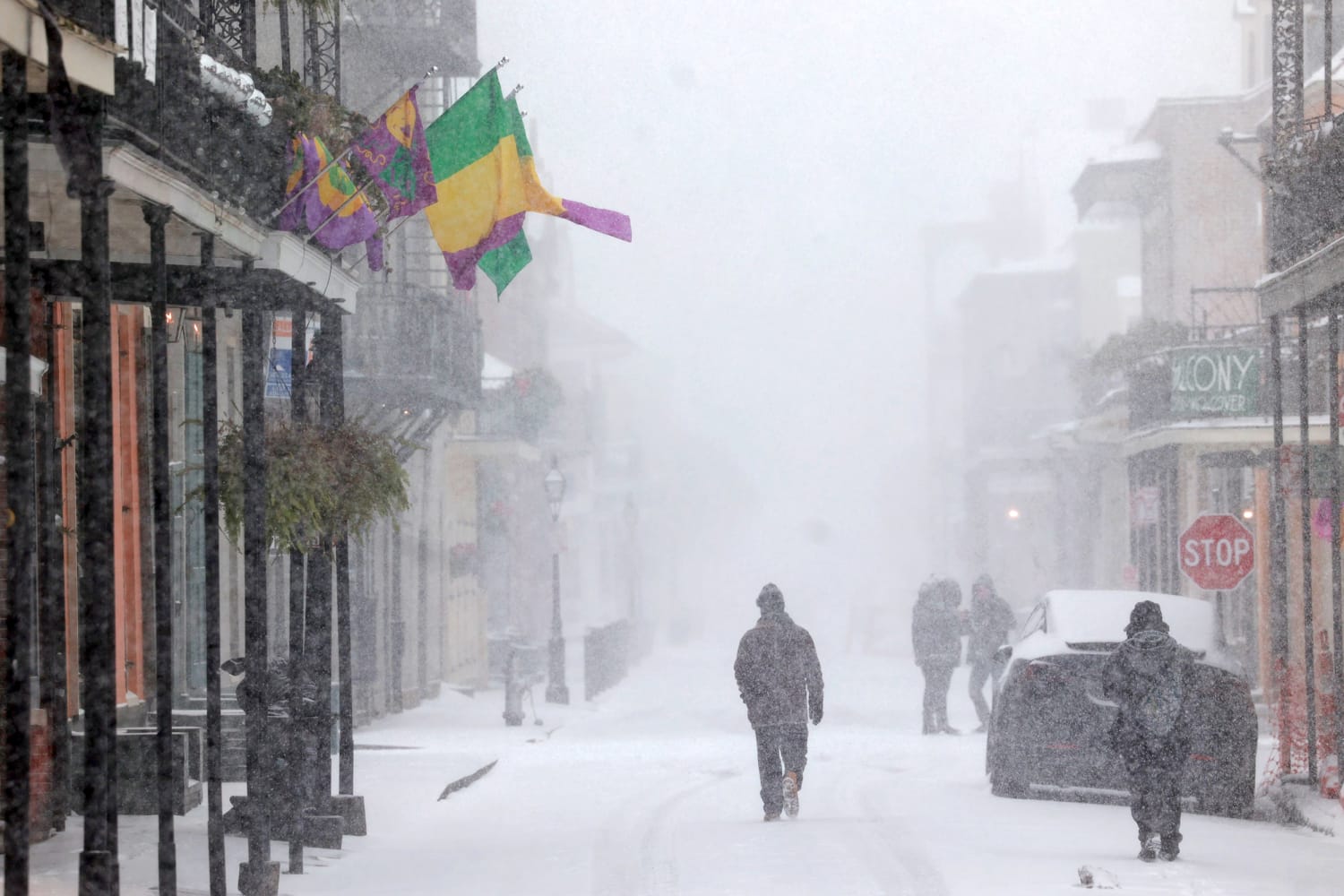
Another notable, though less impactful, snowfall occurred in January 2018. While not as heavy as the 1895 event, it was enough to cause significant disruption. Schools were closed, and traffic slowed to a crawl as drivers navigated unfamiliar icy patches. For many residents, particularly younger generations who had never witnessed snow, it was an exhilarating experience. The French Quarter took on a magical, quiet beauty under a thin layer of white, a stark contrast to its usual boisterous energy. The iconic iron balconies seemed to hold their breath, adorned with delicate frost. Even the ever-present humidity seemed to pause, replaced by a crisp, cool air that was a welcome, albeit temporary, change.
Understanding the Climate: Why Snow is Such a Spectacle
The rarity of snow in New Orleans is rooted in its geographical location and oceanic influence. Situated in the southern United States, it lies far enough south to generally avoid the prolonged periods of freezing temperatures required for snow to accumulate. The Gulf of Mexico plays a crucial role in moderating its climate. Its warm waters provide a consistent source of moisture, which is essential for precipitation, but the sheer warmth of the water also tends to keep air masses from dropping to sufficiently low temperatures for extended periods.
For snow to fall in New Orleans, a specific confluence of atmospheric conditions is required. Typically, this involves a strong cold air mass pushing south from the north, meeting with sufficiently moist air. When these two elements align just right, and the atmospheric temperature is at or below freezing from the cloud base to the ground, snow is possible. However, the window for such conditions is very narrow. Often, even if snowflakes begin to fall, they may melt before reaching the ground due to warmer air layers closer to the surface, resulting in a cold rain instead of snow.
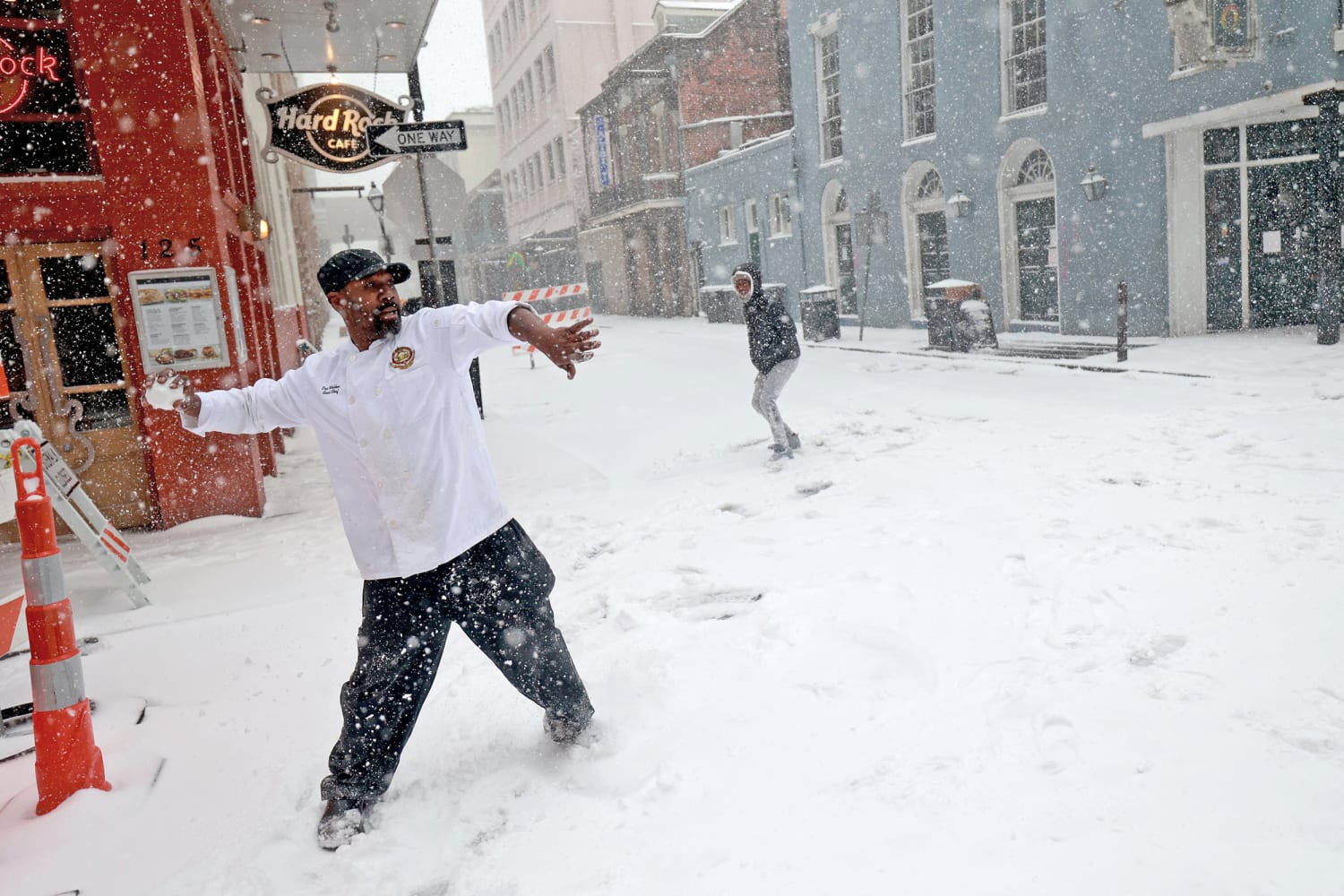
The impact of even a light snowfall can be disproportionately large in a city not equipped for it. The roads, often damp from the pervasive humidity, can become slick and treacherous. Public transportation systems may falter, and everyday routines can be significantly disrupted. Yet, this disruption is often accompanied by a palpable sense of shared experience and childlike delight. Businesses might close early, encouraging residents to embrace the unusual weather, perhaps by enjoying a hot chocolate while watching the surreal spectacle unfold outside their windows. Hotels, like the historic The Roosevelt New Orleans, A Waldorf Astoria Hotel, might see guests, accustomed to warmer climes, peering out with a mixture of surprise and amusement.
Experiencing a White New Orleans: Beyond the Ordinary Travel
While planning a trip to New Orleans with the expectation of seeing snow would be highly impractical, the possibility adds a layer of intrigue to its already rich travel tapestry. For the intrepid traveler, the chance to witness this anomaly can be a story to tell for a lifetime. It transforms the city into a destination that offers not just its renowned cultural experiences but also a rare meteorological spectacle.
If by some stroke of luck you find yourself in New Orleans during a snow event, embracing the experience is key. Forget your usual itinerary for a moment and step outside. Walk through the deserted streets of the Garden District, where the opulent mansions usually draped in Spanish moss are suddenly adorned with a delicate, ethereal white. Imagine the sounds of horse-drawn carriages on cobblestones muffled by the soft falling snow.
Embracing the Unexpected: Activities and Considerations
For those fortunate enough to witness snow in New Orleans, the experience is about savoring the unusual. While official tourist activities might be curtailed due to safety concerns, there are still ways to enjoy the magic:
- Photography: The contrast between the city’s vibrant architecture and the pristine white snow offers unparalleled photographic opportunities. Capture the iconic streetcars dusted with frost, or the wrought-iron balconies transformed into icy artworks.
- Local Delights: Seek out warm treats to combat the unusual chill. A café au lait and a beignet from Café Du Monde (if open!) can be even more comforting when enjoyed against a snowy backdrop.
- Embrace the Local Reaction: New Orleanians are known for their resilience and zest for life. Join in the local sentiment of wonder and adapt your plans to whatever the weather allows.
Accommodation: During such rare events, staying in a well-appointed hotel can offer a warm and comfortable refuge. Consider establishments known for their cozy ambiance and excellent service. For instance, a historic hotel in the French Quarter might provide a unique vantage point from a balcony overlooking the transformed streets. Many hotels, from luxury resorts to boutique inns, offer a welcome escape from the elements. Planning your stay through platforms that allow for comparison and reviews can help you find the perfect base, whether you’re looking for a suite with a view or a charming apartment for a longer immersion.
Travel Tips: If you are traveling to New Orleans during the winter months, it is always wise to check the weather forecast regularly. Pack layers, including a warm coat, hat, and gloves, just in case. While you shouldn’t pack for a blizzard, being prepared for colder-than-usual temperatures and the slim possibility of snow is prudent. Remember, even without snow, New Orleans offers a rich tapestry of experiences, from the historic French Quarter and the majestic St. Louis Cathedral to the vibrant music scene and unparalleled culinary delights.
Ultimately, the question “Is it snowing in New Orleans?” is less about predicting a common occurrence and more about appreciating the subtle nuances of a truly unique destination. It’s a reminder that even in a city synonymous with warmth and perpetual festivity, nature can occasionally surprise us, painting the familiar in an entirely new, and wonderfully unexpected, light. The memory of a snowy New Orleans is a testament to the city’s enduring charm – a place that constantly offers more than meets the eye, whether it’s the vibrant pulse of jazz or the silent beauty of falling snowflakes.
LifeOutOfTheBox is a participant in the Amazon Services LLC Associates Program, an affiliate advertising program designed to provide a means for sites to earn advertising fees by advertising and linking to Amazon.com. Amazon, the Amazon logo, AmazonSupply, and the AmazonSupply logo are trademarks of Amazon.com, Inc. or its affiliates. As an Amazon Associate we earn affiliate commissions from qualifying purchases.