
Oregon, a state renowned for its dramatic natural beauty and diverse landscapes, often sparks curiosity about its weather patterns, especially when it comes to that magical white blanket of snow. The question “Is It Snowing In Oregon?” is more nuanced than a simple yes or no, as it depends entirely on where you are in the state and the time of year. From the snow-capped peaks of the Cascade Mountains to the rain-soaked coast, Oregon’s weather is a captivating tapestry woven with sunshine, rain, and, yes, plenty of snow in the right places. This exploration delves into the fascinating world of Oregon’s snowfall, guiding you through its snowy destinations, the best times to experience it, and how to plan your winter adventures.

Understanding Oregon’s Snowy Climate
Oregon’s varied topography plays a pivotal role in determining its snowfall. The state can be broadly divided into distinct climatic regions, each with its own precipitation patterns.
The Majestic Cascade Mountains: A Winter Wonderland
The Cascade Mountains form the spine of Oregon and are the undisputed champions of snowfall. These towering peaks receive abundant snow, transforming them into a prime destination for winter sports enthusiasts and those seeking breathtaking snowy vistas.
Mount Hood: Oregon’s Snowy Crown Jewel
Standing sentinel over northern Oregon, Mount Hood is a dormant stratovolcano that is synonymous with snow. As Oregon’s highest peak, it consistently receives vast amounts of snow, making it a year-round destination for snow lovers.
- Skiing and Snowboarding: Mount Hood is home to several world-class ski resorts, including Timberline Lodge, Mount Hood Meadows, and SkiBowl. Timberline Lodge, a historic and iconic landmark, offers skiing and snowboarding from November through July, thanks to its high elevation and abundant snowpack. Mount Hood Meadows boasts extensive terrain for all skill levels, while SkiBowl is known for its challenging slopes and night skiing.
- Snowshoeing and Cross-Country Skiing: Beyond the groomed slopes, the Mount Hood National Forest offers miles of trails perfect for snowshoeing and cross-country skiing. These trails wind through serene, snow-laden forests, providing an immersive winter experience. Popular areas include Trillium Lake and trails around Government Camp.
- Winter Scenery and Photography: Even if you’re not hitting the slopes, the sheer beauty of a snow-covered Mount Hood is a sight to behold. The lodge at Timberline Lodge itself is a stunning architectural marvel, often dusted in snow, offering a cozy retreat and incredible views. Driving up to the mountain on a clear winter day presents panoramic vistas that are truly unforgettable.
Central Oregon’s High Desert Snowfall
While not as consistently snowy as the Cascades, Central Oregon experiences significant snowfall, particularly around the ski areas near Bend.
- Mount Bachelor: Located west of Bend, Mount Bachelor is Oregon’s largest ski resort and is renowned for its natural snowfall and challenging terrain. Its high elevation ensures a long ski season, often extending into late spring. The resort offers fantastic opportunities for downhill skiing, snowboarding, and backcountry adventures.
- Smith Rock State Park (Winter Charm): While Smith Rock is more famous for its rock climbing in warmer months, a dusting of snow can transform this iconic landscape into something truly magical. Though snow is less common and doesn’t last long in the immediate Smith Rock area, higher elevations nearby can experience it. Visitors can still enjoy the dramatic rock formations against a backdrop of wintery hillsides, offering a unique perspective on this beloved Oregon landmark.
- Winter Activities in Bend: The city of Bend itself, nestled in the high desert, can receive snow, transforming its charming downtown and surrounding areas into a festive winter scene. Visitors can enjoy ice skating, exploring local breweries, and taking scenic drives through snow-dusted landscapes.
The Coast Range: A Different Kind of Winter
Oregon’s coast is a world apart from the mountains, characterized by milder temperatures and a more temperate climate. Snowfall is rare on the immediate coastline but can occur at higher elevations within the Coast Range.
- Occasional Snowfall: While the Oregon Coast is more accustomed to rain, occasional cold snaps can bring a light dusting of snow to areas like Cannon Beach or Manzanita. These events are infrequent and usually melt quickly, but when they do occur, they create a surreal and beautiful contrast with the rugged coastline and the Pacific Ocean.
- Higher Elevations: Moving inland and up in elevation within the Coast Range, snowfall becomes more probable. Towns like Tillamook might see occasional snow, and the higher ridges can hold snow for short periods. These areas offer a more subdued winter experience compared to the Cascades, with a focus on the moody, dramatic beauty of the coastal forests in winter.
The Willamette Valley: A Mix of Rain and Occasional Snow
The fertile Willamette Valley, home to Portland and many of Oregon’s major cities, experiences a climate that is primarily defined by rain in the winter months. However, snow is not entirely unheard of.
- Portland’s Winter: Portland sees very little accumulated snow, with most winter precipitation falling as rain. When snow does fall, it is often a light dusting that quickly melts. However, on rare occasions, Portland can be hit with a significant snow event, causing disruptions but also creating a beautiful, albeit temporary, winter wonderland in the city. Iconic landmarks like Powell’s City of Books or the Portland Japanese Garden take on a different charm under a blanket of white.
- Surrounding Foothills: The foothills of the Coast Range and the western edges of the Cascades, accessible from the Willamette Valley, will experience more consistent snowfall. Day trips from Portland to areas like Silver Falls State Park can offer opportunities to see snow-dusted trails and waterfalls, providing a taste of winter without venturing too far.
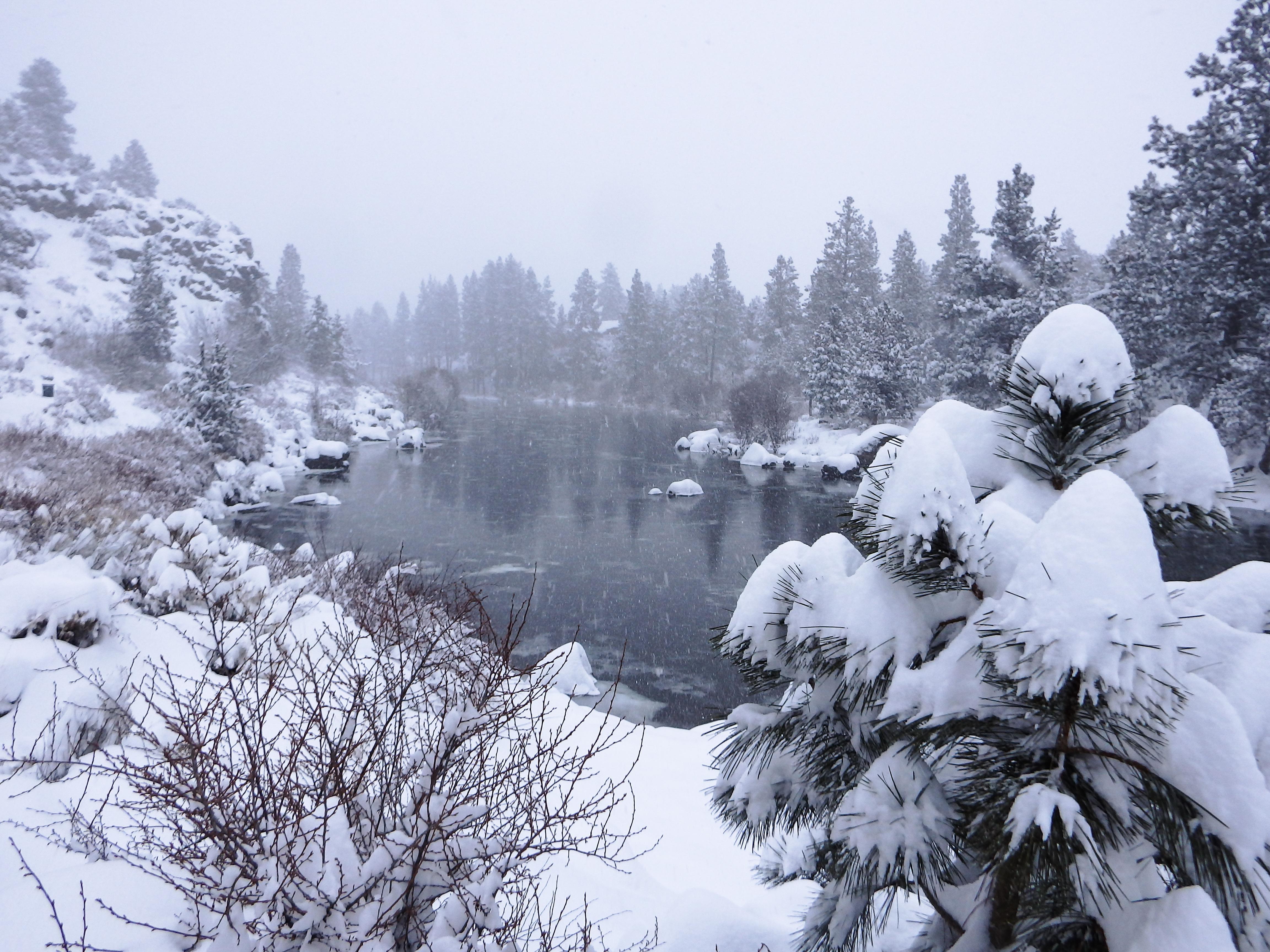
When to Chase the Snow in Oregon
The question of “Is it snowing in Oregon?” is directly tied to the timing of your visit. For those actively seeking a snowy experience, the prime winter months are your best bet.
Peak Snow Season: November through March
The heart of Oregon’s winter, from November through March, is when you’ll find the most reliable snowfall, especially in the mountain regions.
- Early Winter (November – December): Resorts like Mount Bachelor and Mount Hood Meadows typically open for the ski season in November or December, depending on the snowpack. This is a great time for early-season powder and festive holiday experiences in the snow.
- Mid-Winter (January – February): These months usually offer the deepest snowpack and the most consistent conditions for skiing, snowboarding, and other winter activities. The Cascades are at their most majestic, draped in snow.
- Late Winter (March): While still offering good snow conditions, March can bring a mix of snow and spring-like weather, especially at lower elevations. However, higher mountain resorts like Timberline Lodge often continue to offer excellent skiing well into the spring.
Shoulder Seasons: Snow Possibilities
While less predictable, there are opportunities to experience snow in the shoulder seasons as well.
- Late Autumn (October): High elevations in the Cascades, particularly around Mount Hood, can see their first snows in October. This is often a brief prelude to the main winter season but can offer stunning early-season beauty.
- Early Spring (April – May): For those looking for late-season snow adventures, Mount Bachelor and Timberline Lodge on Mount Hood can still have substantial snow cover well into April and sometimes even May. This is a great time for spring skiing with longer daylight hours.
Planning Your Snowy Oregon Adventure
If the allure of Oregon’s snow has captured your imagination, careful planning is key to a successful and enjoyable trip.
Choosing Your Snowy Destination
Your choice of destination will depend on the type of winter experience you’re seeking.
- For Serious Skiers and Snowboarders: Focus on Mount Bachelor near Bend or the resorts on Mount Hood, such as Mount Hood Meadows and Timberline Lodge.
- For Scenic Beauty and Winter Hiking: Explore the Mount Hood National Forest, Silver Falls State Park, or consider a winter visit to the Oregon Coast for its dramatic, moody atmosphere.
- For a City Experience with Snow Potential: Portland offers a vibrant urban environment with the possibility of experiencing occasional snow, and it serves as a great base for day trips to nearby snowy foothills.
Accommodation and Amenities
Oregon offers a wide range of accommodation options to suit every budget and travel style, from luxurious resorts to cozy cabins.
- Mountain Resorts: For an immersive snow experience, consider staying at a ski resort. Timberline Lodge on Mount Hood offers a historic and luxurious stay, while Mount Bachelor has lodges and nearby hotels in Bend that cater to winter sports enthusiasts.
- Cozy Cabins and Vacation Rentals: Many areas in the Mount Hood National Forest and around Bend offer charming cabins and vacation rentals, perfect for families or groups seeking a private, home-away-from-home experience. Websites dedicated to vacation rentals can help you find the perfect secluded spot.
- Hotels in Cities and Towns: If you prefer to be closer to amenities and dining options, hotels in Portland, Bend, and smaller towns throughout Oregon provide comfortable bases for exploring. Many hotels offer packages that include lift tickets or other winter activity discounts.
- Amenities to Look For: When booking, consider amenities like fireplaces, hot tubs (perfect for warming up after a day in the snow), shuttle services to ski resorts, and on-site dining.

Essential Travel Tips for Snowy Oregon
- Check Road Conditions: Mountain roads, especially in the Cascades, can be treacherous in winter. Always check Oregon Department of Transportation (ODOT) road conditions before you travel and be prepared for snow and ice.
- Vehicle Preparedness: Ensure your vehicle is equipped with appropriate tires (snow tires or chains may be required). Carry an emergency kit with blankets, water, snacks, and a first-aid kit.
- Dress in Layers: Oregon’s winter weather can be unpredictable. Dressing in layers is crucial for staying comfortable, allowing you to adjust to changing temperatures. Waterproof and windproof outer layers are essential.
- Book in Advance: During peak winter seasons, popular accommodations and activities can book up quickly. It’s advisable to book your lodging and any desired tours or lessons well in advance.
- Embrace the Rain (and Snow!): Oregon is known for its rain, particularly on the coast and in the valleys. Even if snow is your primary goal, be prepared for wet conditions and enjoy the unique beauty that rain and snow bring to the landscape.
Whether you’re dreaming of carving down powdery slopes on Mount Bachelor, snowshoeing through silent, snow-laden forests on Mount Hood, or simply enjoying the rare spectacle of snow falling on Portland’s iconic bridges, Oregon offers a diverse and captivating winter experience. By understanding its varied climate and planning accordingly, you can ensure your journey into Oregon’s snowy wonderland is filled with unforgettable moments.
LifeOutOfTheBox is a participant in the Amazon Services LLC Associates Program, an affiliate advertising program designed to provide a means for sites to earn advertising fees by advertising and linking to Amazon.com. Amazon, the Amazon logo, AmazonSupply, and the AmazonSupply logo are trademarks of Amazon.com, Inc. or its affiliates. As an Amazon Associate we earn affiliate commissions from qualifying purchases.