
Colorado, often called the Centennial State, is a land of breathtaking contrasts, where towering peaks meet expansive plains, and arid deserts give way to lush forests. This dramatic topography is the primary driver behind Colorado’s notoriously diverse and often unpredictable climate. For any traveler planning a visit, understanding the state’s temperature patterns is not merely a matter of curiosity; it is essential for packing appropriately, planning activities, and ensuring a comfortable and memorable experience. Unlike many destinations where a single forecast might suffice, Colorado’s temperature can vary wildly not just from season to season, but from one side of a mountain range to another, or even within a single day. Preparing for this climatic variability is the secret to unlocking the full potential of your Colorado adventure.
Colorado’s Diverse Climate: A State of Extremes
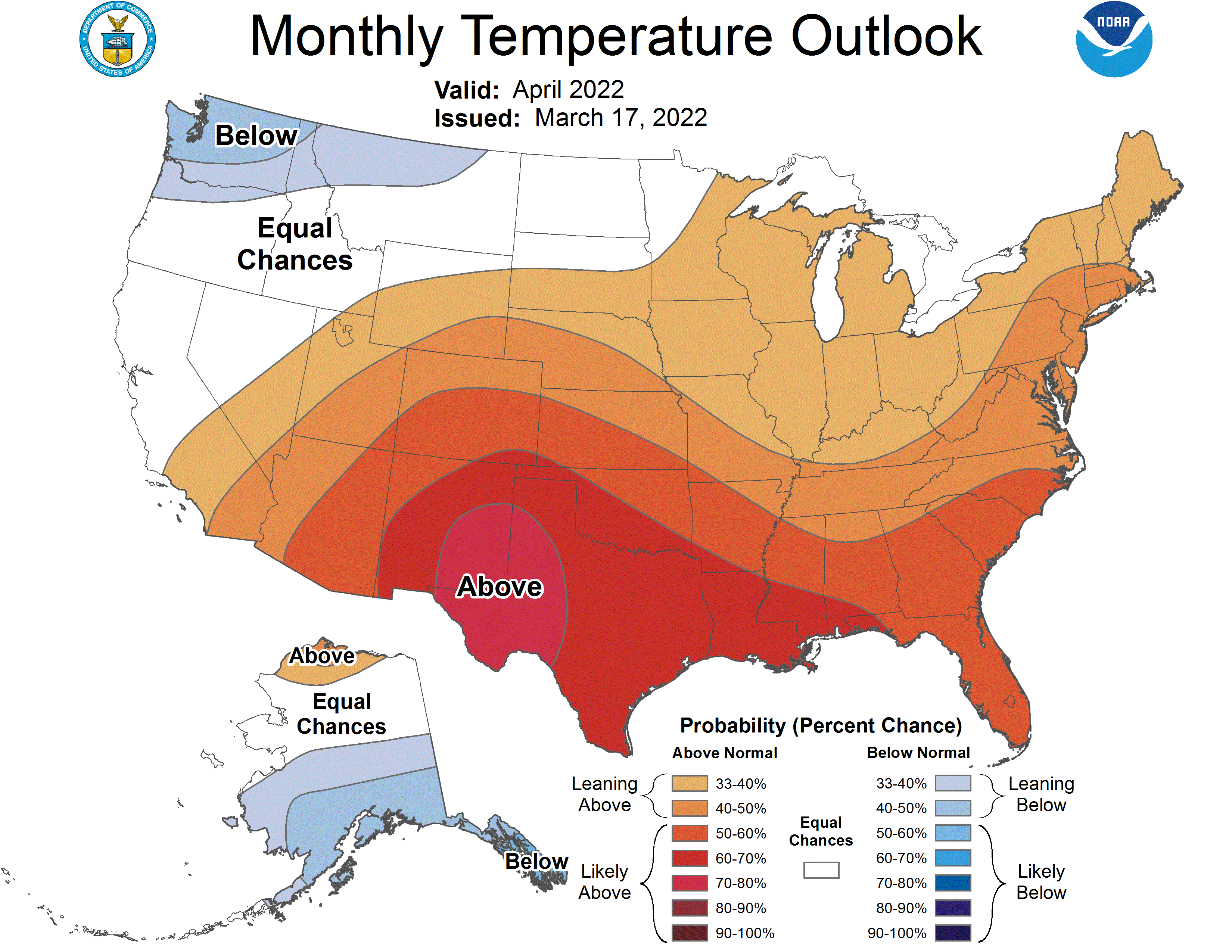
The answer to “What’s the temperature in Colorado?” is rarely simple. It’s a question that requires nuance, taking into account altitude, geography, and time of year. The state’s unique position in the heart of the United States, combined with the dramatic elevation changes of the Rocky Mountains, creates a mosaic of microclimates. From the sun-drenched eastern plains to the snow-capped western peaks, temperatures can swing by tens of degrees over short distances, demanding a flexible approach to travel planning.
Mountains vs. Plains: A Tale of Two Climates
The most significant factor influencing Colorado’s temperature is its elevation. The state can be broadly divided into two major climatic zones: the high-altitude Rocky Mountains and the lower-elevation eastern plains.
In the Rocky Mountains, temperatures are consistently cooler than on the plains, with significant drops for every thousand feet of elevation gained. Summits above 10,000 feet, common in areas like Rocky Mountain National Park or near resort towns like Aspen and Vail, can experience freezing temperatures and snow even in July. During winter, these areas are true alpine environments, characterized by heavy snowfall, sub-zero temperatures, and strong winds, creating ideal conditions for skiing and snowboarding. Even on a clear winter day, daytime temperatures rarely climb above freezing in the high country.
Conversely, the eastern plains, which include cities like Fort Collins and Colorado Springs, experience a semi-arid climate. Summers here are typically hot and dry, with daytime highs often exceeding 90°F (32°C), though the low humidity makes the heat more bearable than in more humid climates. Winters on the plains are generally milder than in the mountains, characterized by cold nights and generally sunny, dry days, with average highs in the 40s°F (4-9°C). Snowfall does occur but tends to melt quickly due to abundant sunshine and the occasional warm chinook winds, which can rapidly raise temperatures.
The Mile High City Effect: Denver’s Unique Weather Patterns
Denver, the state capital and largest city, sits at approximately 5,280 feet (1,609 meters) above sea level, earning it the moniker “The Mile High City.” Its location at the transition point between the mountains and the plains gives it a unique and often surprising weather pattern. While Denver experiences all four seasons distinctively, its proximity to the Front Range of the Rocky Mountains means it can be subject to both mountain weather influences and plains conditions.
Denver is famous for its abundant sunshine, averaging over 300 sunny days a year. Even in winter, clear skies are common, leading to relatively pleasant daytime temperatures that can reach into the 50s°F (10-15°C), even if mornings are frosty. Snowfall can be significant, but it rarely lingers for extended periods due to the high sun angle and chinook winds. Summers in Denver are warm, with average July highs around 89°F (32°C), but evenings cool down considerably, often into the low 60s°F (15-18°C), making for comfortable sleeping conditions. The humidity is typically low, and afternoon thunderstorms are common, bringing brief but intense downpours and welcome relief from the heat. This “mile high” elevation also contributes to more intense sun exposure, making sun protection a year-round necessity.
Seasonal Temperature Guide for Travelers
Understanding Colorado‘s climate by season is crucial for planning your visit. Each season offers a distinct experience, dictated largely by temperature and precipitation.
Summer in Colorado: Warm Days, Cool Nights
Summer, from June to August, is prime travel season in Colorado, particularly for outdoor enthusiasts. Expect warm, sunny days across most of the state, but with significant variations depending on your location.
- Eastern Plains & Front Range Cities (Denver, Boulder, Colorado Springs, Fort Collins): Daytime temperatures typically range from 80-95°F (27-35°C), with some days exceeding 100°F (38°C). Nights cool down significantly, usually to 55-65°F (13-18°C), making for pleasant evenings. Afternoon thunderstorms are common, especially in July and August.
- Mountain Towns (Aspen, Vail, Telluride): Much milder, with daytime highs generally between 70-85°F (21-29°C). Nights are cool, often dropping into the 40s°F (4-9°C), or even lower at higher elevations. This makes for ideal hiking and outdoor activity weather.
- High Alpine Areas: Above 10,000 feet, temperatures can remain in the 50s-60s°F (10-20°C) during the day, with nighttime lows often dipping below freezing. Snow patches can persist year-round.
Autumn’s Golden Embrace: Pleasant Temperatures and Crisp Air
September and October bring some of Colorado’s most beloved weather, characterized by clear skies, comfortable temperatures, and stunning fall foliage.
- Statewide: Temperatures are generally pleasant, with daytime highs ranging from 60-75°F (15-24°C) in September, gradually cooling to 45-60°F (7-15°C) by late October. Nights become increasingly chilly, often falling into the 30s-40s°F (0-9°C).
- Mountain Areas: The first snows can begin to fall in the high country by late September, though significant accumulation usually waits until October or November. The crisp air and brilliant yellow aspens create an unforgettable landscape.
- Plains: Experience a prolonged period of mild, sunny days, perfect for exploring urban areas or enjoying less crowded outdoor spaces.
Winter Wonderland: Snowy Peaks and Sunny Valleys
November through March transforms much of Colorado into a winter sports paradise, but again, with marked differences between regions.
- Mountain Resorts (Breckenridge, Steamboat Springs, Winter Park): Cold temperatures are the norm, with daytime highs typically in the 20s-30s°F (-6 to -1°C) and nighttime lows well below freezing, often in the single digits or even negative Fahrenheit (-10 to -20°C). Heavy snowfall is expected and welcomed for skiing.
- Front Range & Plains Cities (Denver, Colorado Springs): While cold, winters here are often sunnier and milder than expected. Daytime highs frequently reach the 40s°F (4-9°C), with nights dropping into the 20s°F (-6 to -1°C). Snowfall occurs in bursts; major storms can bring significant accumulation, but the snow often melts quickly in between.
- Western Slope (Grand Junction): Tends to be a bit milder and drier than the Front Range, with less snow and warmer daytime temperatures due to its lower elevation and desert influence.

Spring’s Unpredictable Charm: Thaw and Renewal
April and May in Colorado are a season of transition, marked by highly variable weather. It can feel like a mix of winter, spring, and even early summer within a single week.
- Statewide: Temperatures generally begin to warm, with highs ranging from 50-70°F (10-21°C) across the plains and lower mountain valleys. Nights remain cool, from 30-45°F (-1 to 7°C).
- Mountain Areas: Many ski resorts are still open in April, benefiting from late-season snowfall, while lower trails begin to thaw. By May, most resorts have closed, and hiking trails at lower elevations become accessible, though high-altitude trails can remain snow-covered until late June.
- Front Range & Plains: April and May are often the wettest months, with rain and occasional heavy wet snowstorms. The weather can change dramatically from warm and sunny one day to cold and snowy the next. This variability, however, is what nurtures the vibrant spring wildflowers.
Preparing for Colorado’s Climate: Packing Essentials
Given Colorado’s extreme temperature fluctuations, proper packing is crucial for a comfortable and enjoyable trip, regardless of the season.
Layering is Key: Dressing for Colorado’s Variability
The golden rule for dressing in Colorado is layering. This strategy allows you to adapt quickly to changing temperatures throughout the day and as you move between different elevations or environments.
- Base Layer: Moisture-wicking fabrics (like merino wool or synthetics) are ideal for regulating body temperature, especially if you plan on being active.
- Mid-Layer: A fleece jacket, sweater, or down vest provides insulation and warmth.
- Outer Layer: A waterproof and windproof jacket is essential year-round to protect against sudden rain, snow, or strong winds, particularly in the mountains.
- Bottoms: Depending on the season and activity, bring convertible hiking pants, jeans, shorts, or snow pants.
- Accessories: Don’t forget a hat (for sun or warmth), gloves (even in summer for high altitudes), and sturdy, broken-in walking or hiking shoes. Insulated, waterproof boots are a must for winter.
Even if the forecast looks warm, always carry an extra layer, especially when heading into the mountains. A sunny 70°F (21°C) afternoon can quickly turn into a chilly 50°F (10°C) evening, or even colder with cloud cover and wind.
Sun Protection at Altitude: Beyond Just Warm Weather
One often-overlooked aspect of Colorado’s climate is the intensity of the sun at high altitudes, regardless of the ambient temperature. For every 1,000 feet (300 meters) of elevation gain, UV radiation increases by approximately 4-5%. This means you can get a severe sunburn even on a cloudy winter day while skiing.
- Sunscreen: Apply broad-spectrum sunscreen with at least SPF 30 generously and often, even on cloudy days.
- Hats: A wide-brimmed hat in summer and a beanie in winter are crucial for protecting your face and scalp.
- Sunglasses: High-quality sunglasses are non-negotiable, protecting your eyes from intense UV rays and glare, especially on snow.
- Lip Balm: Protect your lips with SPF lip balm to prevent chapping and sunburn.
- Hydration: The dry air and higher altitude can lead to dehydration. Drink plenty of water throughout the day, more than you think you need, to stay comfortable and mitigate altitude sickness.
Best Times to Visit Colorado Based on Temperature and Activities
The “best” time to visit Colorado is entirely dependent on what you plan to do, as each season offers unique temperature-dependent activities.
Summer Adventures: Hiking, Biking, and Whitewater Rafting
For those seeking to explore Colorado’s vast network of hiking and biking trails, scale a fourteener, or experience the thrill of whitewater rafting, summer (June through August) is unequivocally the best time. The warmer temperatures ensure that most trails are clear of snow (except for the highest peaks), rivers are flowing well, and comfortable conditions prevail for sustained outdoor activity. Water temperatures in rivers will be cold, but refreshing on a hot day. Towns like Ouray and Telluride offer perfect bases for mountain adventures during these months.
Winter Sports: Skiing and Snowboarding in the Rockies
If your dream Colorado vacation involves carving down powdery slopes, then winter (December through March) is your season. The cold temperatures ensure consistent snowfall and excellent conditions at world-renowned ski resorts like Vail, Aspen, and Breckenridge. Even when temperatures drop significantly, the dry nature of the cold combined with sunny days can make for exhilarating experiences. Beyond downhill skiing, this season is also ideal for cross-country skiing, snowshoeing, and ice skating.
Shoulder Seasons: Avoiding Crowds and Enjoying Mild Weather
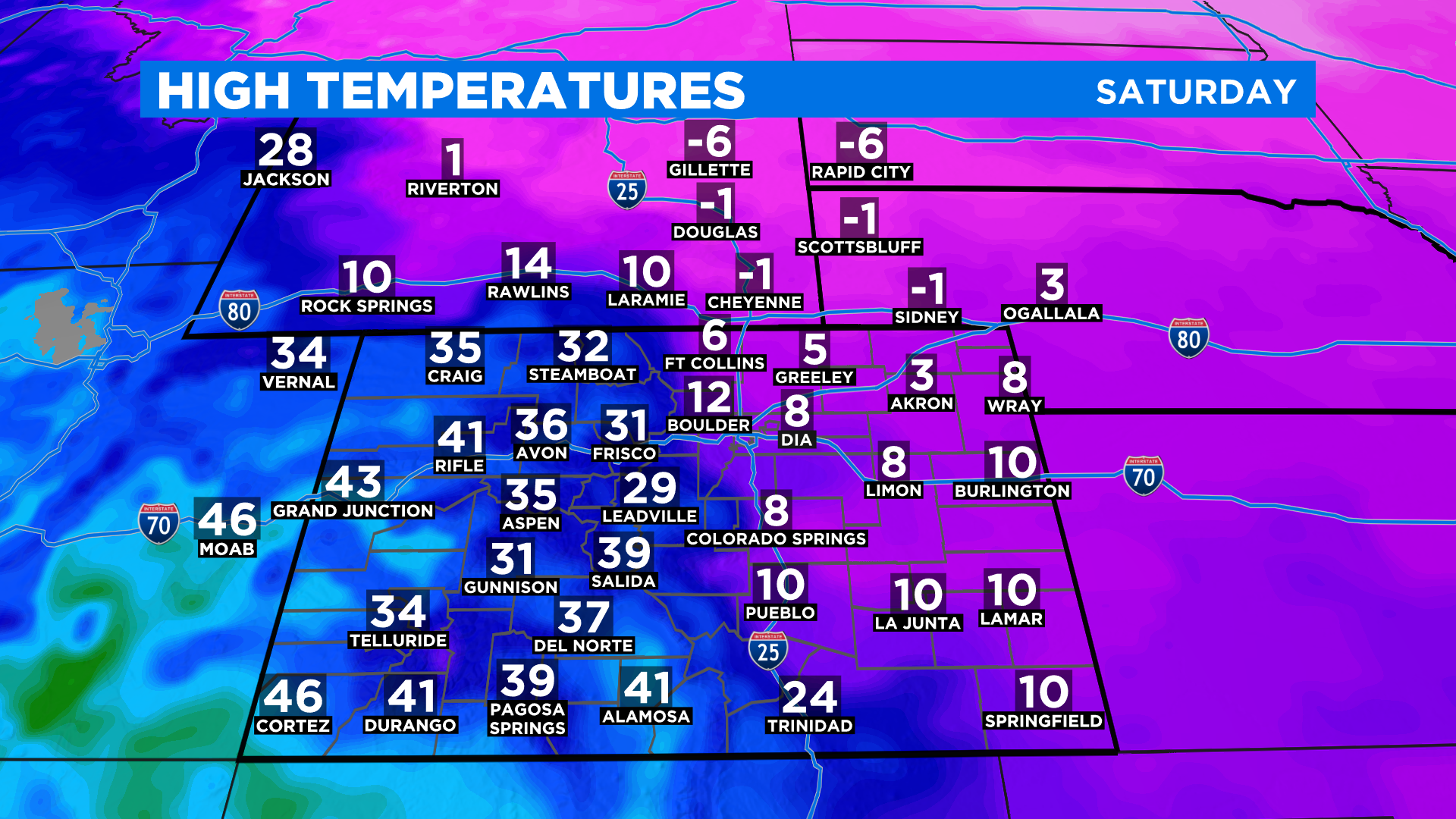
The shoulder seasons – late spring (April-May) and early fall (September-October) – offer a compelling alternative for travelers looking to avoid the peak season crowds and enjoy a mix of activities with more moderate temperatures.
- Spring: As the snow melts, waterfalls swell, and rivers run high, making it a great time for photography and early-season whitewater rafting (for the intrepid). Lower elevation hikes open up, and wildflowers begin to bloom. It’s a fantastic time to visit cities like Boulder or Colorado Springs before the summer rush.
- Fall: Arguably the most beautiful time to visit [Colorado](https://lifeoutofthebox.com/colorado], especially for leaf peepers. The mild temperatures and dazzling autumn colors, particularly the golden aspens in the mountains, create a stunning backdrop for hiking, scenic drives, and photography. Destinations such as the San Juan Mountains or around Crested Butte are especially popular. The crowds are typically thinner than in summer, but the beauty is arguably greater.
In conclusion, “What’s the temperature in Colorado?” is a question that invites exploration into a dynamic and diverse climate. From scorching summer days on the plains to sub-zero winter nights in the high Rockies, the state offers a full spectrum of thermal experiences. Travelers who embrace this variability, pack smart, and align their visit with their desired activities will find Colorado to be an endlessly engaging and rewarding travel destination, no matter the mercury reading.
LifeOutOfTheBox is a participant in the Amazon Services LLC Associates Program, an affiliate advertising program designed to provide a means for sites to earn advertising fees by advertising and linking to Amazon.com. Amazon, the Amazon logo, AmazonSupply, and the AmazonSupply logo are trademarks of Amazon.com, Inc. or its affiliates. As an Amazon Associate we earn affiliate commissions from qualifying purchases.