
For many, the very notion of snow in Florida sounds like an oxymoron, a geographical paradox that defies the state’s well-earned moniker, “The Sunshine State.” Images of palm trees swaying in a gentle breeze, sun-drenched beaches, and year-round warmth are firmly etched in the global imagination when one thinks of Florida. Yet, the question, “Is it still snowing in Florida?” occasionally surfaces, perhaps fueled by a fleeting news report of an unusual cold snap decades ago, or simply a curiosity about extreme weather phenomena. This article aims to definitively address that question, while also guiding prospective travelers through the true, diverse, and perpetually appealing landscape of Florida as a premier travel destination.
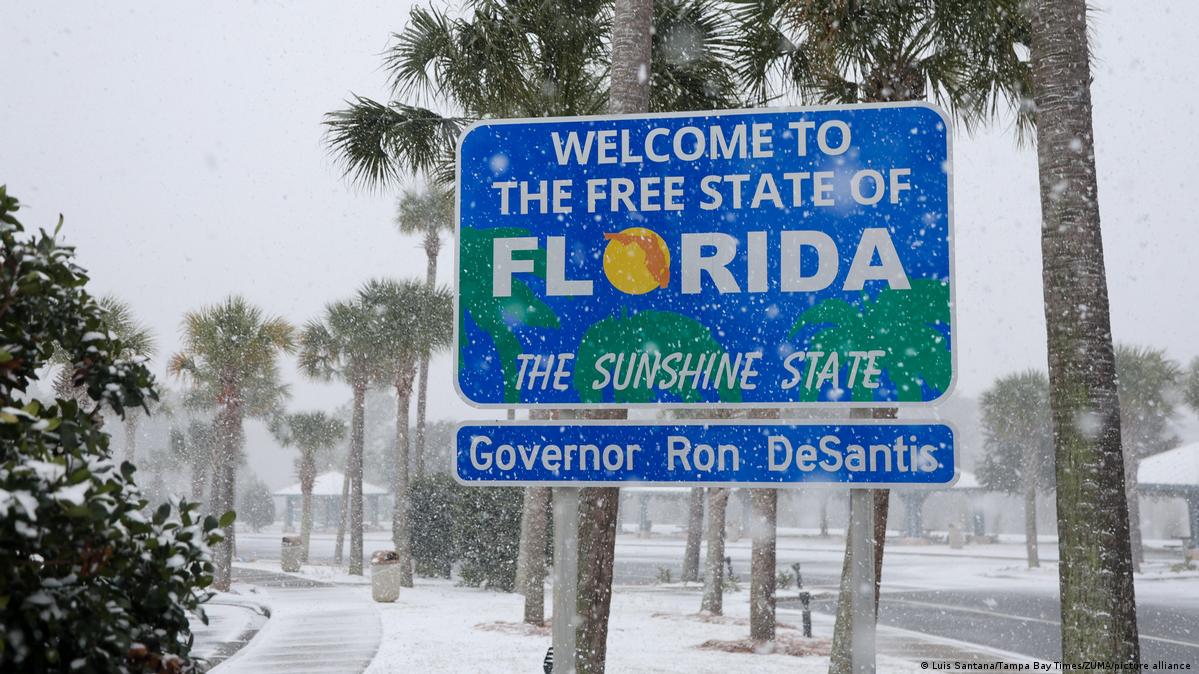
Dispelling the Myth: Snow in the Sunshine State
To cut directly to the chase: no, it is not “still snowing” in Florida, nor is it a regular occurrence. The instances of snow in Florida are historically rare, isolated, and almost exclusively confined to the northern parts of the state. When snow does fall, it is typically a light dusting that melts almost immediately upon contact with the relatively warm ground, often more akin to graupel or sleet than true accumulating snowfall.
A Glimpse into Florida’s Scarcest Weather Event
The most significant and widespread snowfall event in Florida’s modern history occurred on January 19, 1977. On that day, snow fell as far south as Miami, marking the first and only time on record that snow has been observed in Miami proper. While the accumulation was minimal, it was a truly historic event that remains a vivid memory for older Floridians. Other sporadic, minor snowfalls have been recorded in northern cities like Jacksonville and Tallahassee over the decades, but these are exceptions rather than the rule.
The reason for this rarity lies in Florida’s’s geographical position and prevailing climate patterns. The state is largely subtropical, with its southernmost tip, including the Florida Keys and Key West, experiencing a true tropical climate. For snow to form and stick, temperatures at multiple atmospheric levels must be at or below freezing, and there must be sufficient moisture. While cold fronts occasionally push far south enough to bring freezing temperatures to northern Florida, the necessary combination of sustained cold and moisture rarely aligns for significant snowfall, especially in the central and southern regions.
Florida’s Enduring Appeal: A Climate of Perpetual Summer
Having put the “snow” myth to rest, we can now turn our attention to what truly defines Florida as a travel destination: its unparalleled climate. Florida promises warm weather, abundant sunshine, and a generally pleasant environment for exploration and relaxation year-round. This consistent climate is the bedrock of its tourism industry, drawing millions from colder climes seeking respite and recreation.
The Sunshine State’s Climatic Zones
Florida can generally be divided into two main climatic zones:
- Subtropical North and Central Florida: This region, encompassing cities like Orlando, Tampa, and St. Augustine, experiences warm, humid summers and mild, drier winters. While winter nights can occasionally dip into the low 40s or even 30s Fahrenheit (around 4-0°C), daytime temperatures usually rebound quickly into the 60s and 70s (15-25°C), making it ideal for outdoor activities.
- Tropical South Florida and the Florida Keys: From Naples on the Gulf Coast across to Miami on the Atlantic Coast and extending through the Keys, this area enjoys a true tropical climate. Here, winters are barely distinguishable from summer in terms of warmth, though they are notably drier and less humid. Average winter temperatures rarely fall below 60°F (15°C), making it a haven for those seeking guaranteed warmth.
This consistent warmth means that outdoor attractions, water sports, and beach activities are viable nearly every day of the year across much of the state, making Florida an evergreen choice for travelers.
Beyond the Beaches: Diverse Travel Experiences Across Florida
While its beaches are legendary, Florida’s travel appeal extends far beyond its sandy shores. The state is a mosaic of distinct regions, each offering unique attractions and experiences that cater to every type of traveler. From world-class theme parks to pristine natural wilderness and vibrant cultural hubs, Florida truly has something for everyone.
Thrills and Fantasy: Central Florida’s Entertainment Capital
Orlando stands as the undisputed capital of theme park entertainment. Millions flock annually to experience the magic of Walt Disney World Resort, an expansive complex featuring multiple theme parks like Magic Kingdom, Epcot, Hollywood Studios, and Animal Kingdom, alongside numerous water parks and entertainment districts. Nearby, Universal Studios Florida offers immersive experiences, including The Wizarding World of Harry Potter, and thrilling rides at Islands of Adventure. For space enthusiasts, the Kennedy Space Center Visitor Complex on the Space Coast provides an awe-inspiring look into space exploration history and ongoing missions.
Coastal Charms and Urban Vibrancy
Florida’s extensive coastline offers distinct experiences on both its Gulf and Atlantic sides. On the Atlantic, Miami pulsates with Latin energy, art deco architecture in South Beach, and a dynamic arts and culinary scene. Further north, the historic city of St. Augustine, the nation’s oldest continuously inhabited European-established settlement, offers cobblestone streets, ancient forts, and a captivating glimpse into colonial history. The Gulf Coast boasts calmer, emerald waters and soft, white sand beaches in destinations like Sarasota and Naples, known for their cultural attractions, upscale dining, and breathtaking sunsets.
Natural Wonders and Outdoor Adventures
Beyond the theme parks and urban centers, Florida is home to an extraordinary array of natural landscapes. The Everglades National Park, a vast wetlands ecosystem, offers unique wildlife viewing opportunities, including alligators, wading birds, and the elusive Florida panther. Kayaking, airboat tours, and hiking trails allow visitors to immerse themselves in this designated UNESCO World Heritage Site. The Florida Keys offer world-class diving and snorkeling amidst coral reefs, fishing charters, and a laid-back island vibe culminating in the quirky charm of Key West. Further out, the remote Dry Tortugas National Park combines historical fortification with pristine marine environments.
Planning Your Ideal Florida Escape
With the myth of perpetual snow dispelled, travelers can confidently plan their visit to Florida, keeping in mind a few key considerations to maximize their experience.
Seasonal Considerations for Travelers
- Winter (December to February): This is Florida’s peak tourist season, especially in the central and southern regions. The weather is typically glorious – dry, sunny, and pleasantly warm. It’s ideal for outdoor activities, beaches, and escaping colder climates. However, expect higher prices and larger crowds at popular attractions.
- Spring (March to May): A beautiful time to visit, with warm temperatures and less humidity than summer. Spring break periods can see an influx of visitors, particularly in coastal areas and theme parks.
- Summer (June to August): Hot and humid, with daily afternoon thunderstorms being common. While the heat can be intense, it’s perfect for water parks, swimming, and enjoying the cooler morning and evening hours. Crowds can still be significant at theme parks due to school holidays.
- Fall (September to November): The start of hurricane season (which runs from June to November) means a small risk of tropical storms, but it’s also a time of decreasing humidity and pleasant temperatures, especially later in the season. Crowds begin to thin out, making it an excellent time for a more relaxed visit.

Essential Packing and Preparation
Regardless of the season, packing light, breathable clothing, swimwear, and sun protection (hats, sunglasses, high-SPF sunscreen) is essential for any Florida trip. Comfortable walking shoes are a must, especially for theme park excursions or exploring historic districts. Staying hydrated is also crucial, particularly during the warmer months. Travelers should also consider purchasing travel insurance, especially during hurricane season, for peace of mind.
In conclusion, the thought of snow in Florida is an intriguing anomaly rather than a recurring reality. The state’s true allure lies in its consistent warmth, radiant sunshine, and a breathtaking array of destinations and activities that promise an unforgettable travel experience, anytime of the year. So, pack your shorts and swimsuits, leave your snow boots at home, and prepare to discover the vibrant, sun-soaked paradise that is Florida.
LifeOutOfTheBox is a participant in the Amazon Services LLC Associates Program, an affiliate advertising program designed to provide a means for sites to earn advertising fees by advertising and linking to Amazon.com. Amazon, the Amazon logo, AmazonSupply, and the AmazonSupply logo are trademarks of Amazon.com, Inc. or its affiliates. As an Amazon Associate we earn affiliate commissions from qualifying purchases.