
Navigating the sprawling sun-drenched streets of Los Angeles is an adventure in itself, but for the savvy traveler, the adventure often includes a fair amount of shopping and dining. Whether you are strolling through the luxury boutiques of Beverly Hills or picking up vintage finds in Silver Lake, there is one practical detail that every tourist must understand: the sales tax. In the United States, prices displayed on tags and menus rarely include the final tax, which is added at the point of sale. For those visiting California, understanding the nuances of the tax system in Los Angeles County is essential for accurate budgeting and a stress-free vacation.
Understanding the Sales Tax Landscape in Los Angeles
When you make a purchase in Los Angeles, the total amount you pay is a combination of the state base rate and various local district taxes. Unlike some countries where a Value Added Tax (VAT) is baked into the price, California utilizes a transparent—though sometimes complex—sales tax system. This ensures that consumers see exactly how much they are contributing to state and local coffers with every transaction.
The Breakdown of Tax Rates
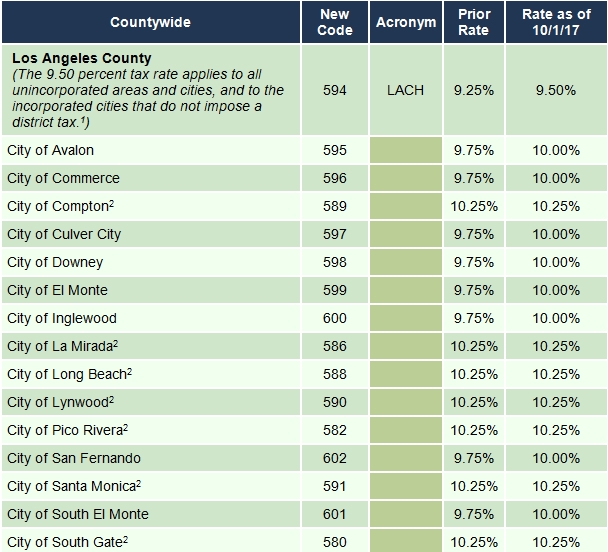
As of the current fiscal period, the standard sales tax rate for most of Los Angeles is 9.5%. However, this is not a uniform figure across the entire metropolitan area. Because Los Angeles County is comprised of 88 different incorporated cities, local governments have the authority to implement additional “district taxes” to fund specific projects like public transportation, homelessness initiatives, or park maintenance.
For instance, if you are shopping in Santa Monica or Culver City, you might find the rate slightly higher, reaching up to 10.25%. Similarly, Long Beach and Pasadena often have their own specific adjustments. When planning a high-value purchase, such as a designer handbag on Rodeo Drive or high-end electronics, knowing which side of the city line you are on can save you a noticeable percentage.
Tax-Free Exemptions and Specifics
Not everything you buy in Southern California is subject to sales tax. To ease the burden on residents and visitors alike, California law exempts most “cold” groceries. If you visit a supermarket like Whole Foods Market to stock up on fresh fruit, bread, and milk for your stay at an apartment in West Hollywood, these items are generally tax-free. However, “hot prepared foods”—such as a rotisserie chicken or a meal at a restaurant—are taxable.
Prescription medicines and certain medical devices are also exempt. For the international tourist, it is important to note that the United States does not generally offer a VAT refund for visitors. Unlike in Europe, where you can claim back taxes at the airport before flying home from London or Paris, the sales tax paid in Los Angeles is non-refundable.
Navigating Shopping and Dining in the City of Angels
Shopping is a cornerstone of the Los Angeles experience. From the high-energy atmosphere of The Grove to the eclectic stalls of the Original Farmers Market, the city offers retail therapy for every budget. However, the sales tax will be your constant companion at the checkout counter.
High-End Shopping in Beverly Hills and West Hollywood
For many, a trip to Los Angeles is incomplete without visiting the “Golden Triangle.” While Beverly Hills is technically its own city, its tax rates are closely aligned with the county standards. When you are browsing the flagship stores of Gucci or Prada, remember to mentally add roughly 10% to the price tag. This “mental math” is a habit locals have perfected, ensuring there are no surprises when the credit card is swiped.
Just a short drive away, the Sunset Strip in West Hollywood offers a different vibe, with trendy boutiques and rock-and-roll history. Because West Hollywood focuses heavily on tourism and nightlife, the tax revenue here is vital for maintaining the pristine streets and public safety that visitors enjoy while hopping between Chateau Marmont and the various clubs.
Exploring Local Markets and Boutiques
If you prefer a more bohemian shopping experience, Abbot Kinney Boulevard in Venice Beach is the place to be. Known as the coolest block in America, it features artisan jewelry, unique home decor, and local fashion. Here, the sales tax contributes to the local Los Angeles economy, supporting the very infrastructure that keeps the beach communities vibrant.

Similarly, shopping at Melrose Avenue or the Arts District in Downtown Los Angeles allows you to engage with the city’s creative heart. In these areas, small business owners often price their goods competitively, but they are legally required to collect the 9.5% to 10.25% tax rate, so always factor that into your haggling or budgeting.
Practical Tips for Managing Your Tourism Budget
A well-planned trip to California requires a clear understanding of the total cost of ownership for your experiences. Beyond sales tax, tourism in Los Angeles involves other fees that can impact your wallet.
Calculating the Final Cost of Souvenirs
When you visit major attractions like Universal Studios Hollywood or the Griffith Observatory, you will likely want to bring home a memento. A $20 t-shirt at a gift shop will ultimately cost you about $21.90 or $22.05 after tax. While this seems like a small difference, these costs accumulate over a week-long trip. If you are purchasing expensive equipment, such as a professional camera to capture the Hollywood Sign, the tax could easily add $100 or more to your expenditure.
A helpful tip for international visitors: download a tax calculator app on your smartphone. By inputting the local zip code (such as 90210 for Beverly Hills or 90401 for Santa Monica), you can get an instant calculation of the final price. This is particularly useful at places like Third Street Promenade, where the temptation to shop is high.
Dining Out: Tax vs. Tip
One of the most common points of confusion for tourists in Los Angeles is the difference between sales tax and the tip (gratuity). When your server brings the bill at a restaurant near Hollywood Boulevard, you will see a line for the subtotal, a line for the sales tax, and then a space for you to add a tip.
In Los Angeles, it is standard to tip between 18% and 22% of the pre-tax amount. Some restaurants in tourist-heavy areas like TCL Chinese Theatre might include an automatic “service charge.” Always check your receipt carefully to see if a charge has already been added so you do not double-tip. The sales tax you see on the bill is mandatory and goes to the government, while the tip goes to the staff.
Beyond the Receipt: The Impact of Sales Tax on Local Culture
While no one enjoys paying extra at the register, the sales tax in Los Angeles plays a fundamental role in maintaining the city’s status as a premier global destination. The revenue generated from millions of tourists each year is reinvested into the very things that make the city attractive.
Supporting Public Services and Infrastructure
The iconic Metro rail lines that connect Downtown Los Angeles to Santa Monica are largely funded by local sales tax measures. When you pay that extra percentage on a meal near the Walt Disney Concert Hall, you are helping to fund the expansion of public transit, making it easier for future visitors to navigate the city without a car.
Furthermore, sales tax revenue supports the maintenance of public spaces. The beautiful landscaping around the Getty Center and the cleanliness of the parks in Glendale are supported by the collective contributions of residents and visitors. It is a cycle of investment that ensures Los Angeles remains a world-class hub for culture and tourism.
How Tourism Taxes Enhance the Los Angeles Experience
In addition to general sales tax, visitors staying in hotels like The Beverly Hills Hotel or the Hollywood Roosevelt will encounter the Transient Occupancy Tax (TOT), often called a “bed tax.” While this is separate from the standard sales tax on goods, it follows the same principle: taxing consumption to improve the locale. This specific tax often funds the Los Angeles Tourism and Convention Board, which works to bring major events like the Grammy Awards and the Olympics to the city.
Ultimately, being aware of the sales tax in Los Angeles is about more than just numbers; it is about being an informed and responsible traveler. By understanding that your final bill at Pink’s Hot Dogs or your ticket to the Los Angeles County Museum of Art includes a small contribution to the city’s future, you can appreciate the intricate workings of this vibrant metropolis. Whether you are arriving through LAX or driving in from Las Vegas, keep these figures in mind, budget accordingly, and enjoy everything the City of Angels has to offer.
LifeOutOfTheBox is a participant in the Amazon Services LLC Associates Program, an affiliate advertising program designed to provide a means for sites to earn advertising fees by advertising and linking to Amazon.com. Amazon, the Amazon logo, AmazonSupply, and the AmazonSupply logo are trademarks of Amazon.com, Inc. or its affiliates. As an Amazon Associate we earn affiliate commissions from qualifying purchases.