
When planning an expansive journey across the United States, understanding the local regulations of each destination is just as important as booking the right flights or finding the best local eateries. For those setting their sights on the heart of the Midwest, specifically the scenic state of Kansas, a common question arises regarding personal interactions with law enforcement: “Is Kansas a stop and identify state?”
For tourists exploring the sprawling prairies, vibrant urban centers like Wichita, or historic sites in Dodge City, being informed about your rights and responsibilities ensures a stress-free experience. This guide delves into the nuances of local laws within the context of tourism, providing the essential tips every traveler needs when navigating the Sunflower State.

Understanding the Legal Landscape for Kansas Visitors
Tourism in the Midwest often involves long road trips and stops in various jurisdictions. While the United States Constitution provides overarching protections, individual states have specific statutes regarding how police officers may interact with the public. In Kansas, these rules are clearly defined but require a bit of explanation for those unfamiliar with American legal terminology.
Defining the “Stop and Identify” Statute
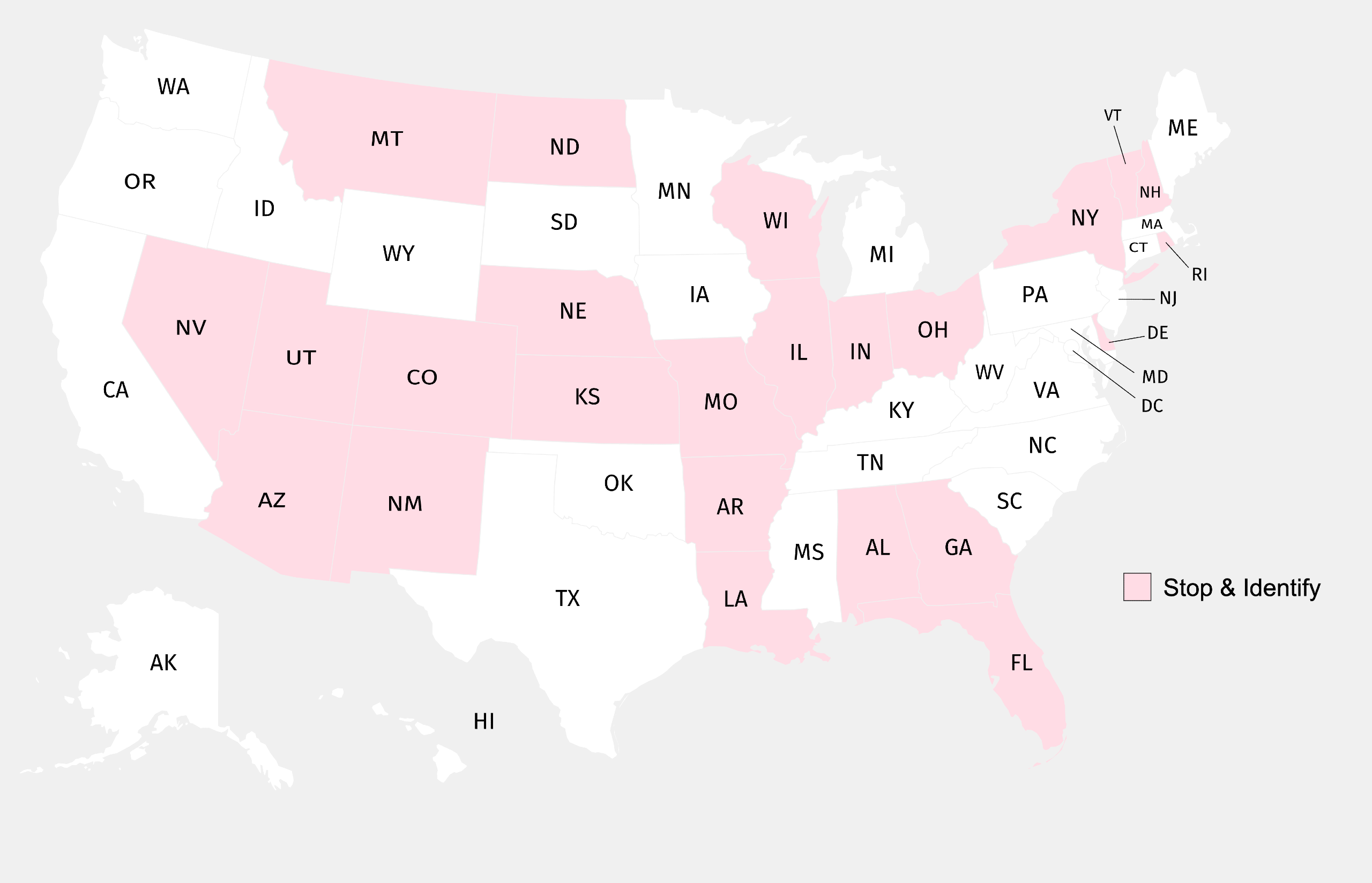
To answer the primary question: yes, Kansas is considered a “stop and identify” state. Under Kansas Statute 22-2402, a law enforcement officer may stop any person in a public place whom the officer reasonably suspects is committing, has committed, or is about to commit a crime.
For a visitor, this means that if you are exploring a public park or walking through a downtown district, an officer has the legal authority to demand your name, address, and an explanation of your actions if they have “reasonable suspicion.” This is a lower threshold than “probable cause,” which is required for an actual arrest. Understanding this distinction is vital for travelers who wish to remain compliant while enjoying the local culture.
When Can a Police Officer Ask for Identification?
While the law permits officers to ask for identification under specific circumstances, it does not mean they can stop you arbitrarily without cause. For tourists visiting landmarks like the Eisenhower Presidential Library in Abilene, interactions are typically friendly and helpful. However, should a stop occur, the officer must be able to point to specific facts that led them to suspect a crime was involved.
If you are operating a motor vehicle, the rules are slightly different. In any part of the United States, including Topeka or Kansas City, drivers must provide a valid driver’s license, registration, and proof of insurance upon request during a valid traffic stop. For pedestrians, while you must provide your name and address in Kansas under the stop-and-identify rule, you are generally not required to produce a physical ID card unless you are engaged in a regulated activity like driving or purchasing age-restricted goods.
Navigating Kansas Cities: From Wichita to Overland Park
Each city in Kansas offers a unique flavor of Midwestern hospitality. Whether you are drawn to the cosmopolitan energy of Overland Park or the collegiate atmosphere of Lawrence, knowing the local environment helps you blend in and travel safely.
Exploring the Vibrant Culture of Wichita
As the largest city in the state, Wichita is a hub for aviation history and modern art. Travelers frequently flock to Botanica Wichita to see the stunning themed gardens or visit the Museum of World Treasures to view dinosaur exhibits and Egyptian mummies.
In a bustling city environment, law enforcement is active to ensure the safety of both residents and visitors. When visiting the Keeper of the Plains, a massive Cor-Ten steel sculpture that stands at the confluence of the Big and Little Arkansas Rivers, it is common to see patrols. Being aware of your surroundings and understanding that Kansas law requires identification upon reasonable suspicion allows you to focus on the breathtaking sunset fire drums that illuminate the statue nightly.
Family Fun and Safety in Overland Park
Overland Park is often cited as one of the best places to visit for families. With attractions like the Deanna Rose Children’s Farmstead, the city prioritizes a safe, welcoming atmosphere. Because this area is a major suburban center within the Kansas City metropolitan area, traffic can be heavy.
For international tourists or those from out of state, adhering to local traffic laws is the best way to avoid a “stop and identify” situation. If you are pulled over while heading to the Museum at Prairiefire, remain calm, keep your hands visible, and provide the necessary documentation. The police in Overland Park are generally known for their professionalism and focus on community safety.
The Historic Streets of Lawrence
Home to the University of Kansas, the city of Lawrence has a distinct, eclectic vibe. Its downtown area, centered on Massachusetts Street, is famous for independent boutiques, music venues, and local breweries. Due to the high density of pedestrians and the lively nightlife, visitors should be mindful of local ordinances.
In Lawrence, as in the rest of Kansas, the “stop and identify” law applies. Staying within well-lit public areas and following local guidance on pedestrian safety will ensure that your visit to this historic town remains focused on its rich Civil War history and vibrant modern culture.
Practical Tips for a Seamless Kansas Road Trip
A road trip through the Flint Hills or along the historic Santa Fe Trail is the quintessential Kansas experience. However, rural travel presents different scenarios than urban exploration.
Interaction with Law Enforcement at Tourist Sites
When visiting remote natural landmarks such as Monument Rocks in Western Kansas, you might find yourself far from the nearest town. In these areas, the Kansas Highway Patrol is the primary law enforcement presence. They are tasked with assisting motorists and enforcing safety on the long stretches of interstate.
If you are stopped while photographing the “Chalk Pyramids” of Monument Rocks, remember that the officer’s primary concern is usually your safety or the protection of the site. While the “stop and identify” statute is in effect, a polite conversation often suffices. If they ask for your name, providing it promptly is the best way to comply with Kansas law and continue your journey.
Safety Regulations in State Parks like Tallgrass Prairie National Preserve
The Tallgrass Prairie National Preserve offers a glimpse into an ecosystem that once covered a vast portion of North America. When hiking the trails or participating in a bus tour of the bison pastures, it is important to follow all park rules.
State park rangers have the authority to enforce state laws, including the stop-and-identify provisions. Always carry some form of identification when visiting state or federal lands. While you might not be required to show it unless there is suspicion of a violation—such as hiking off-trail in restricted areas—having it on hand is a practical tip for any traveler.
Cultural Nuances and Local Etiquette in the Sunflower State
Understanding the law is one part of the puzzle; understanding the culture is what truly enriches a trip. Kansas is known for its “Kansas Nice” philosophy, where locals are often eager to help visitors find their way.
Hospitality in Dodge City
Dodge City is synonymous with the Wild West. Visitors today can experience this history at the Boot Hill Museum. While the town once had a reputation for lawlessness in the 1800s, today it is a community-focused destination.
When interacting with locals or officials in Dodge City, a respectful and professional demeanor goes a long way. The legal requirement to identify yourself if suspected of a crime is a standard part of modern American policing, but in a place that prides itself on its history of law and order, following these rules is seen as a sign of mutual respect.

Culinary Traditions and Community Values
From the world-famous barbecue of Kansas City to the authentic German-Russian cuisine in Hays, food is a central part of the Kansas experience. Engaging with the local community at a farmers’ market or a small-town diner is the best way to learn about the state.
Travelers should feel confident that Kansas is a safe and welcoming destination. While the “stop and identify” law is a technical aspect of the legal system, it rarely impacts the average tourist who is simply there to enjoy the sights. By staying informed, carrying proper documentation, and respecting local customs, you can ensure that your visit to the United States heartland is filled with nothing but positive memories.
In summary, while Kansas does require individuals to identify themselves if law enforcement has reasonable suspicion of involvement in a crime, this law is a tool for public safety rather than a hurdle for tourism. Whether you are exploring the Sedgwick County Zoo or driving the scenic byways, the state offers a wealth of experiences for those willing to discover its quiet beauty and rich heritage. Be prepared, be respectful, and enjoy everything the Sunflower State has to offer.
LifeOutOfTheBox is a participant in the Amazon Services LLC Associates Program, an affiliate advertising program designed to provide a means for sites to earn advertising fees by advertising and linking to Amazon.com. Amazon, the Amazon logo, AmazonSupply, and the AmazonSupply logo are trademarks of Amazon.com, Inc. or its affiliates. As an Amazon Associate we earn affiliate commissions from qualifying purchases.