
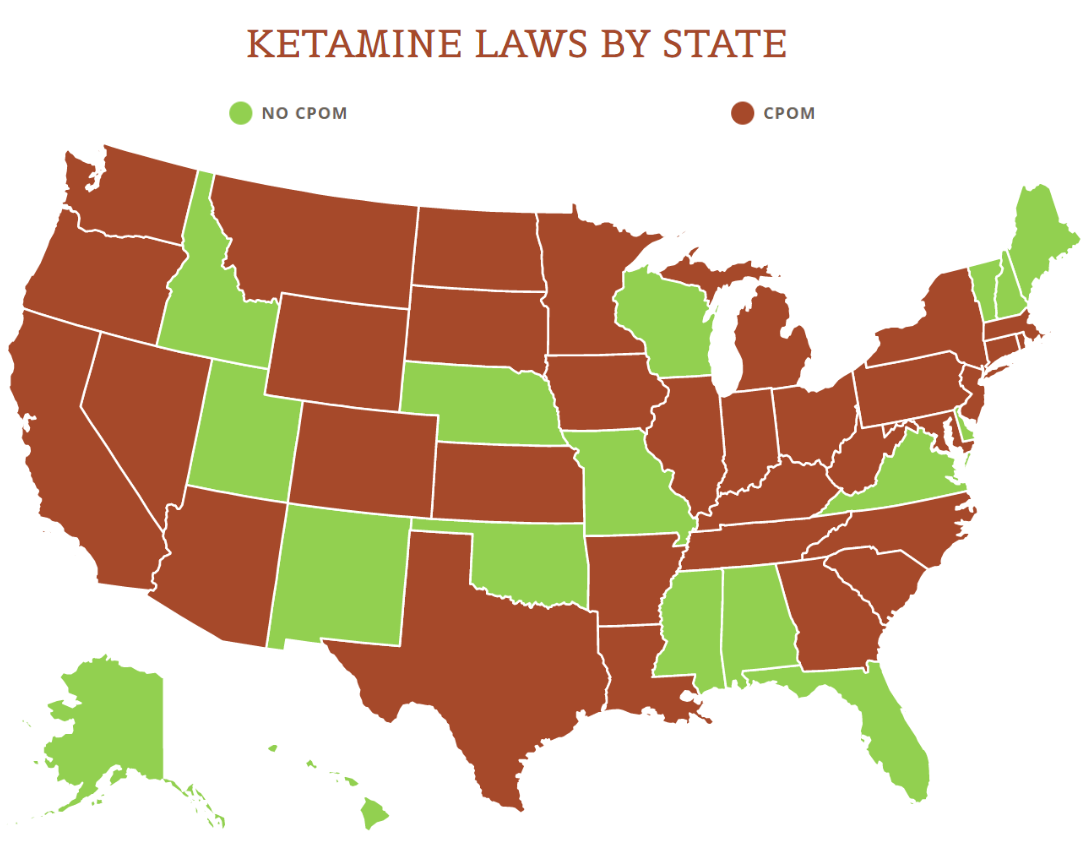
The question of ketamine’s legality in Colorado is multifaceted, touching upon its use as a prescription medication, its status in mental health treatments, and its classification under federal drug laws. While not broadly legal for recreational use, its therapeutic applications are gaining traction, leading to a complex legal and regulatory landscape for those seeking its benefits within the state. Understanding these nuances is crucial for patients, healthcare providers, and anyone interested in the evolving therapeutic options available.
Ketamine as a Prescription Medication
In the United States, including Colorado, ketamine is classified as a Schedule III controlled substance by the Drug Enforcement Administration (DEA). This classification means it has a moderate to low potential for physical and psychological dependence and has accepted medical uses. As a Schedule III substance, ketamine can be legally prescribed by licensed healthcare professionals for legitimate medical purposes.

Approved Medical Uses
Historically, ketamine has been recognized for its anesthetic properties. It is widely used in hospitals and surgical settings as a general anesthetic, particularly in veterinary medicine and for certain human procedures where its unique profile—such as preserving respiratory drive—is advantageous. Its use as an anesthetic is well-established and legal under strict medical supervision.
Off-Label Prescribing and Mental Health Treatment
Beyond its anesthetic capabilities, ketamine has emerged as a groundbreaking treatment for various mental health conditions, most notably treatment-resistant depression, suicidal ideation, and post-traumatic stress disorder (PTSD). While these mental health applications are often considered “off-label” in the traditional sense, the practice of off-label prescribing is legal and common in the United States when supported by scientific evidence and professional judgment.
The legality of off-label prescribing hinges on the physician’s discretion and their belief that the treatment is in the patient’s best interest. Numerous studies and clinical trials have demonstrated ketamine’s rapid antidepressant effects, often observed within hours or days of administration, a stark contrast to traditional antidepressants which can take weeks to show efficacy. This has spurred significant interest and demand for ketamine-based mental health therapies.
In Colorado, licensed psychiatrists, anesthesiologists, and other qualified medical professionals can prescribe ketamine for these off-label indications. However, this is not a decision taken lightly. Patients are typically thoroughly evaluated to determine their suitability for ketamine therapy, and the treatment is administered in a controlled clinical setting.
Regulation and Oversight
The legal framework governing ketamine prescription in Colorado involves several layers of regulation:
- Federal Control: As a Schedule III substance, ketamine is subject to federal regulations under the Controlled Substances Act, which dictates prescription, dispensing, and record-keeping requirements.
- State Medical Boards: The Colorado Board of Medicine and other relevant state licensing bodies oversee the practice of medicine within the state. They ensure that physicians adhere to professional standards and ethical guidelines when prescribing controlled substances, including ketamine.
- DEA Registration: Healthcare providers who prescribe, dispense, or administer ketamine must be registered with the DEA.
- Prescription Drug Monitoring Programs (PDMPs): Colorado participates in a PDMP, which helps track controlled substance prescriptions to prevent abuse and diversion. While ketamine might not be as frequently flagged as opioids, its use can still be monitored.
Ketamine Clinics and Treatment Centers in Colorado
The growing recognition of ketamine’s therapeutic potential has led to the establishment of specialized ketamine clinics and treatment centers across Colorado, particularly in cities like Denver and Boulder. These facilities are legally permitted to administer ketamine under medical supervision, offering various treatment modalities.
Treatment Modalities
- Intravenous (IV) Infusions: This is one of the most common methods. Patients receive a slow infusion of ketamine directly into a vein over a period of about 40-60 minutes. This allows for precise dosage control and continuous monitoring.
- Intramuscular (IM) Injections: Ketamine can be administered via injection into a muscle, offering a faster administration than IV infusions but with potentially less precise dosage control.
- Sublingual Troches/Sprays: Some clinics offer ketamine in forms that dissolve under the tongue or are sprayed into the mouth. While these are often available through mail-order pharmacies for at-home use, their legality and efficacy for certain conditions are still subjects of ongoing discussion and regulatory scrutiny, especially when not prescribed directly by a physician for in-clinic administration. In Colorado, these are typically prescribed by a physician as part of a comprehensive treatment plan, but the direct-to-consumer model without direct medical supervision is less common and raises regulatory questions.
Legal Requirements for Clinics
Clinics offering ketamine treatments in Colorado must adhere to strict legal and regulatory requirements. These include:
- Licensing: Facilities must be properly licensed by the state to operate as healthcare facilities.
- Medical Supervision: All treatments must be overseen by qualified medical professionals, including physicians and nurses.
- Patient Screening: Rigorous screening processes are essential to ensure that ketamine therapy is appropriate and safe for each individual. This involves assessing medical history, current medications, and mental health status.
- Monitoring: Patients are closely monitored during and after ketamine administration for any adverse reactions or side effects. This typically includes vital sign monitoring and assessment of psychological effects.
- Emergency Preparedness: Clinics must have protocols and resources in place to handle any medical emergencies that may arise.
Distinguishing Therapeutic Use from Illicit Use
It is critical to differentiate the legal, medically supervised use of ketamine in Colorado from its illicit use. Possession, distribution, or use of ketamine outside of a legitimate prescription or medical setting is illegal and subject to severe penalties under both state and federal law.
Legal Ramifications of Illicit Use
- Criminal Charges: Illicit possession or distribution of ketamine can lead to felony charges, significant fines, and lengthy prison sentences.
- DEA Classification: Its Schedule III status means it is a controlled substance, and violations of controlled substance laws are taken very seriously.
- Public Health Risks: Illicit use often occurs without medical supervision, increasing the risk of overdose, dangerous drug interactions, and long-term health consequences, including potential bladder damage (ketamine cystitis) and cognitive impairment.
The Importance of Medical Consultation
For individuals in Colorado experiencing severe depression, anxiety, PTSD, or other mental health challenges who believe ketamine therapy might be beneficial, the legal and safe path is through consultation with a qualified healthcare professional. This ensures that any treatment undertaken is within the bounds of the law, medically sound, and tailored to the individual’s needs. Seeking ketamine outside of this framework carries significant legal and health risks.
The Future of Ketamine Therapy in Colorado
The legal status and accessibility of ketamine therapy in Colorado are dynamic. As research continues to illuminate its therapeutic potential and refine treatment protocols, the legal and regulatory landscape is likely to evolve.
Emerging Trends and Research
- EsCketamine (Spravato): The FDA-approved nasal spray esCketamine, a derivative of ketamine, offers an alternative delivery method for treatment-resistant depression. Its availability through certified healthcare providers adds another layer to the legal therapeutic options.
- Expanding Indications: Research is ongoing into ketamine’s efficacy for other conditions, such as obsessive-compulsive disorder (OCD), chronic pain, and substance use disorders.
- Harm Reduction and Access: As more clinics open and understanding grows, there is an ongoing conversation about ensuring safe and equitable access to these therapies for those who can benefit, while maintaining robust oversight to prevent misuse.

Navigating the Legalities
For patients and providers in Colorado, staying informed about the latest regulations and best practices is paramount. This includes understanding:
- Prescribing Guidelines: Adhering to current state and federal guidelines for prescribing Schedule III substances.
- Treatment Protocols: Following evidence-based protocols for administration and monitoring.
- Legal Compliance: Ensuring all aspects of treatment and facility operation meet legal requirements.
In conclusion, ketamine is legal in Colorado when prescribed and administered by licensed medical professionals for legitimate therapeutic purposes, primarily as an anesthetic or for treating severe mental health conditions. Its use is governed by strict federal and state regulations. Illicit possession or use of ketamine remains illegal and carries severe consequences. As therapeutic applications continue to expand, the legal framework will likely adapt to ensure both patient safety and access to effective treatments.
LifeOutOfTheBox is a participant in the Amazon Services LLC Associates Program, an affiliate advertising program designed to provide a means for sites to earn advertising fees by advertising and linking to Amazon.com. Amazon, the Amazon logo, AmazonSupply, and the AmazonSupply logo are trademarks of Amazon.com, Inc. or its affiliates. As an Amazon Associate we earn affiliate commissions from qualifying purchases.