
For visitors planning a trip to the sun-drenched landscapes and vibrant cities of Arizona, understanding local regulations is an essential part of responsible tourism. Among the many considerations, questions often arise regarding the legality of certain substances, including Kratom. Whether you’re exploring the breathtaking vistas of the Grand Canyon, wandering through the spiritual red rocks of Sedona, or enjoying the urban delights of Phoenix and Tucson, being informed about the legal status of Kratom is a critical “tip” for a hassle-free experience.
The straightforward answer is: Yes, Kratom is legal in the state of Arizona. However, its legality comes with specific regulations designed to protect consumers, which every tourist and resident should be aware of. This guide will delve into the nuances of Arizona’s Kratom laws, providing crucial insights for those traveling through or considering a stay in the Grand Canyon State.
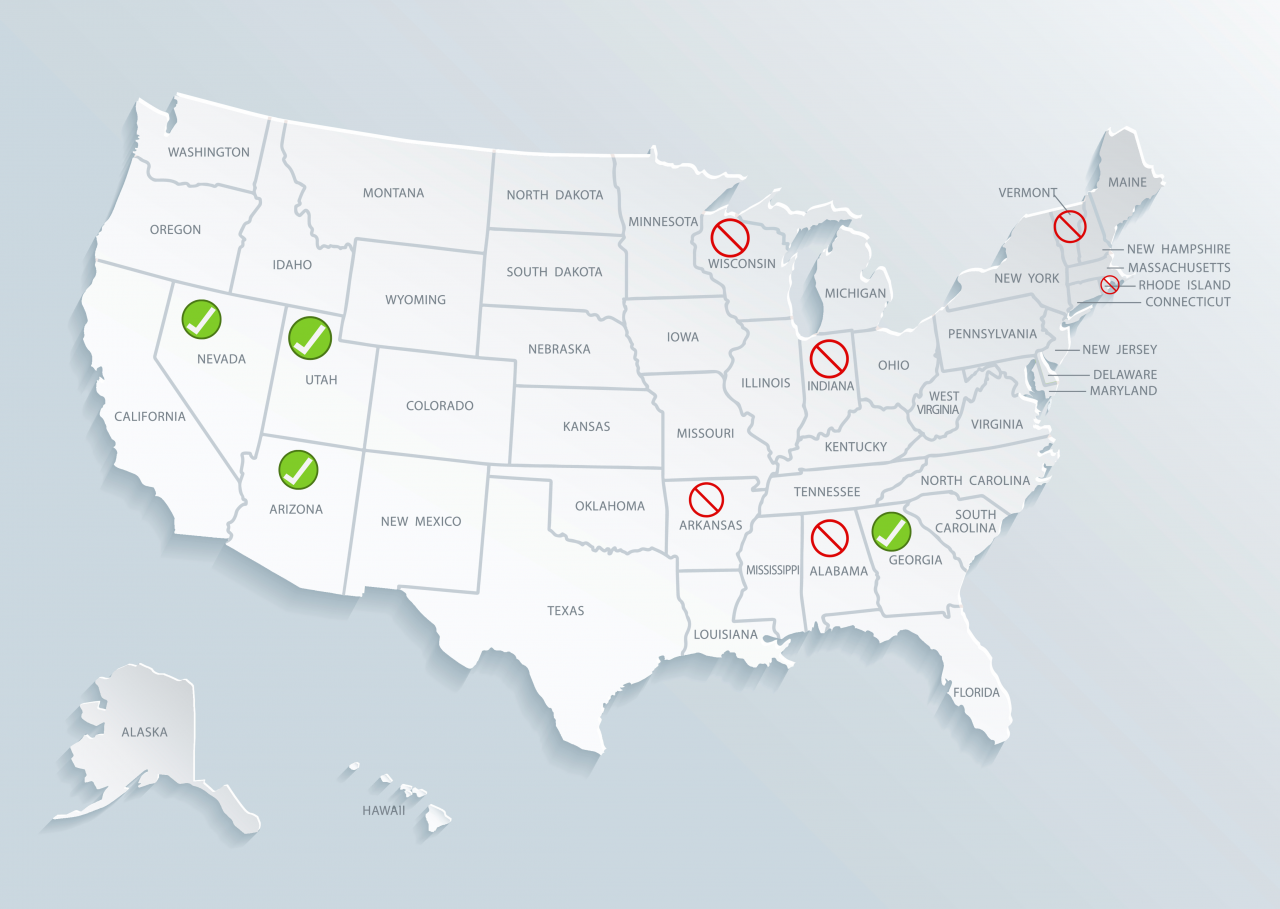
Understanding Kratom’s Legal Status in Arizona
The legal landscape surrounding Kratom in the United States is complex and varies significantly from state to state, and even within different counties or cities. This patchwork of regulations often leads to confusion for travelers. In Arizona, the situation is generally clear: Kratom is regulated but not banned. This stands in contrast to some other states where it might be completely illegal, or certain municipalities have enacted local prohibitions.
For a tourist arriving in Arizona, it’s important to understand that while possession and sale are permitted, they are not without oversight. The state has proactively moved to establish a regulatory framework rather than imposing an outright ban, recognizing both the concerns and the growing interest in the substance. This approach aims to ensure product safety and consumer protection, which are vital considerations for visitors who might encounter Kratom products during their travels. This progressive stance offers a degree of clarity that can be reassuring for tourists who are accustomed to Kratom being legal in their home states or countries, but it also underscores the importance of adhering to Arizona’s specific guidelines.
The Arizona Kratom Consumer Protection Act (KCPA)
The cornerstone of Kratom legality and regulation in Arizona is the Kratom Consumer Protection Act (KCPA). Signed into law in 2019, the KCPA was a landmark piece of legislation, largely championed by advocates like the American Kratom Association, who sought to prevent bans and instead implement sensible regulations. This act makes Arizona one of the pioneering states in the United States to enact comprehensive state-level rules for the sale and labeling of Kratom.
The KCPA addresses several key areas pertinent to both consumers and sellers:
- Age Restrictions: It prohibits the sale of Kratom to individuals under the age of 18. This is a crucial “tip” for younger travelers or those traveling with minors, as attempting to purchase Kratom if underage could lead to legal issues for the vendor and potentially complications for the individual.
- Purity and Adulteration: The act makes it illegal to sell adulterated Kratom. This means products must not contain any poisonous or deleterious substances that might render them injurious to health. For tourists, this regulation offers a layer of protection against potentially harmful or impure products that might be found in unregulated markets.
- Labeling Requirements: All Kratom products sold in Arizona must be clearly labeled with ingredients, directions for safe use, and the amount of mitragynine and 7-hydroxymitragynine (the primary active alkaloids in Kratom). This transparency is invaluable for tourists who may not be familiar with different strains or dosages, allowing them to make informed choices.
- False Advertising: The KCPA also prohibits false or misleading advertising related to Kratom products. This helps ensure that what tourists read about a product accurately reflects its nature.
These regulations are designed to safeguard public health and ensure that consumers, including visitors, have access to safe and accurately represented products. It positions Arizona as a state that balances individual liberty with public safety concerns, an important aspect for any destination that aims to cater to a diverse range of visitors.
What Tourists Need to Know About Kratom in the Grand Canyon State
For a tourist exploring Arizona, knowing that Kratom is legal under the KCPA is a good starting point, but practical application requires more specific “tips.” The availability and purchasing experience can vary, and understanding these nuances will help ensure a smooth visit.
Where to Purchase Kratom in Arizona

Kratom products can be found in various retail outlets across Arizona. Common places include:
- Smoke Shops and Head Shops: These are perhaps the most prevalent locations, especially in larger cities like Phoenix, Tucson, Mesa, and Flagstaff. When buying from these establishments, always look for products that clearly adhere to the KCPA’s labeling requirements.
- Specialty Kratom Vendors: Some stores specialize solely in Kratom and related herbal products. These vendors often have a more knowledgeable staff and a wider selection, making them a good option for those seeking specific strains or more detailed information.
- Online Retailers: While traveling, you might consider ordering Kratom online to be delivered to your accommodation. Many reputable online vendors adhere to stringent quality control measures, often exceeding state requirements. However, ensure the vendor ships legally to Arizona and is compliant with the KCPA.
It is always advisable for tourists to purchase Kratom from reputable sources that demonstrate compliance with the KCPA. Look for products with clear labels, ingredient lists, and age verification practices.
Travel Considerations and Inter-State Laws
One of the most crucial “tips” for any traveler is to be aware that Kratom’s legal status changes at state borders. While legal in Arizona, it might be illegal in a neighboring state or even in specific counties or cities within otherwise legal states.
For instance, if your trip to Arizona involves driving through states where Kratom is banned (e.g., Alabama, Arkansas, Indiana, Rhode Island, Vermont, Wisconsin), carrying Kratom with you could lead to legal repercussions. The same applies if you are flying: while domestic flights within Arizona with Kratom are generally fine, transporting it across state lines where it’s illegal, especially through airports or by air travel, could pose significant risks. Always research the laws of all states you plan to enter or pass through when traveling with Kratom.
Responsible Kratom Use and Awareness for Visitors
Beyond legality, responsible consumption and an awareness of the ongoing dialogue surrounding Kratom are important for visitors. While Arizona has a clear legal framework, the substance is still subject to scrutiny by federal agencies like the Food and Drug Administration (FDA), which has issued warnings about its use.
Safety and Dosage
If you choose to use Kratom while visiting Arizona, especially if you are new to it, start with very small doses. The labeling requirements under the KCPA are there to guide you, but individual reactions can vary significantly. Be mindful of how it interacts with any other medications or health conditions you may have, particularly given that you might be engaging in activities like hiking in the Grand Canyon National Park, exploring the Sonoran Desert, or rafting down the Colorado River. These activities require full alertness and physical capability.
Do not mix Kratom with alcohol or other substances, as this can amplify potential adverse effects. Always prioritize your health and safety, particularly when traveling in an unfamiliar environment.
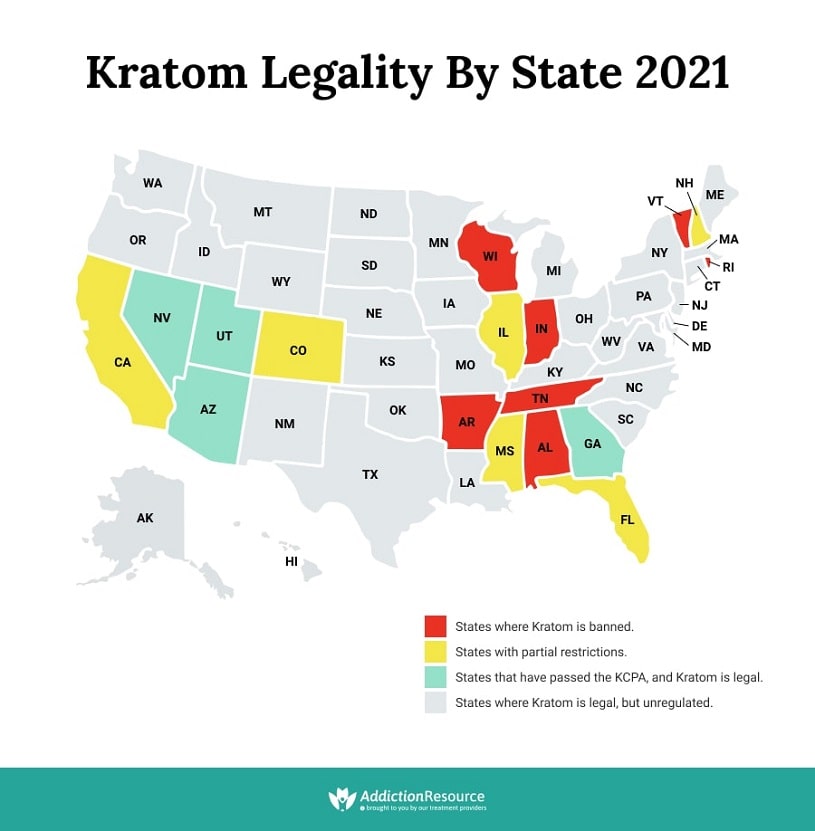
Staying Informed About Regulatory Changes
The legal status of Kratom is subject to ongoing debate and potential changes at both state and federal levels. While Arizona’s KCPA provides stability for now, it’s a good “tip” for repeat visitors or those planning long-term stays to briefly check for any updates to the law before each trip. Reputable sources such as the American Kratom Association or official state government websites can provide the most current information. Being proactive in checking for legal updates ensures you remain compliant and well-informed, contributing to a stress-free and enjoyable experience in the beautiful state of Arizona.
In summary, for tourists visiting Arizona, Kratom is legal under the comprehensive regulations of the Kratom Consumer Protection Act. This means visitors can purchase and possess it, provided they are over 18 and buy products that adhere to the state’s strict labeling and purity standards. However, awareness of inter-state laws and a commitment to responsible use are paramount for any traveler. By staying informed and exercising caution, your visit to Arizona can be as legally compliant as it is memorable.
LifeOutOfTheBox is a participant in the Amazon Services LLC Associates Program, an affiliate advertising program designed to provide a means for sites to earn advertising fees by advertising and linking to Amazon.com. Amazon, the Amazon logo, AmazonSupply, and the AmazonSupply logo are trademarks of Amazon.com, Inc. or its affiliates. As an Amazon Associate we earn affiliate commissions from qualifying purchases.