
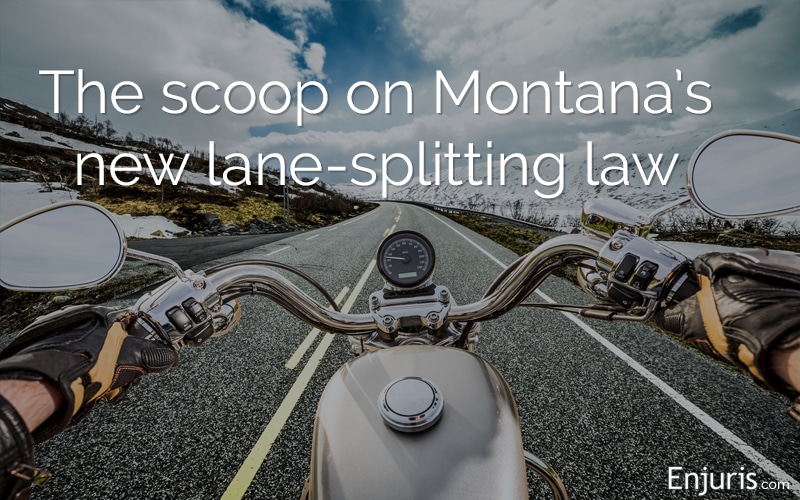
For many motorcycle enthusiasts, the open road is an irresistible call, and few places offer a more breathtaking backdrop than the expansive landscapes of Montana. Known as Big Sky Country, this northwestern U.S. state beckons riders with its majestic Rocky Mountains, pristine forests, and iconic national parks. As tourists flock to explore its scenic byways and vibrant communities, a common question arises among motorcyclists planning their visit: Is lane splitting legal in Montana? Understanding the local traffic laws is paramount not only for compliance but also for ensuring a safe and enjoyable experience. This guide delves into the specifics of Montana’s stance on lane splitting, offering crucial insights for every motorcyclist touring this magnificent state.
Understanding Lane Splitting: A Key Concept for Motorcycle Tourists
Before delving into Montana’s specific regulations, it’s essential to clarify what lane splitting entails and why it’s a significant topic for motorcyclists, particularly those venturing into unfamiliar territories.
Defining Lane Splitting and Filtering
Lane splitting, often referred to as lane filtering or white-lining, is the practice of a motorcyclist riding between lanes of slow-moving or stopped traffic traveling in the same direction. This maneuver typically occurs on multi-lane highways or at congested intersections, allowing the motorcycle to bypass traffic queues. While closely related, “lane filtering” is sometimes used to describe the practice of moving through traffic at low speeds, such as to the front of a traffic light, whereas “lane splitting” often implies moving at a higher relative speed alongside or past other vehicles. For the purposes of this discussion, we will treat them as similar concepts often covered by the same legislation. The primary arguments for lane splitting often revolve around reducing traffic congestion, decreasing motorcycle exposure to rear-end collisions, and improving fuel efficiency. However, concerns about safety, driver awareness, and potential conflicts with other motorists frequently fuel debates against its legality. For tourists navigating Montana’s roads, understanding these nuances is critical to anticipating driving conditions and adhering to local laws.
Global and National Perspectives on Lane Splitting
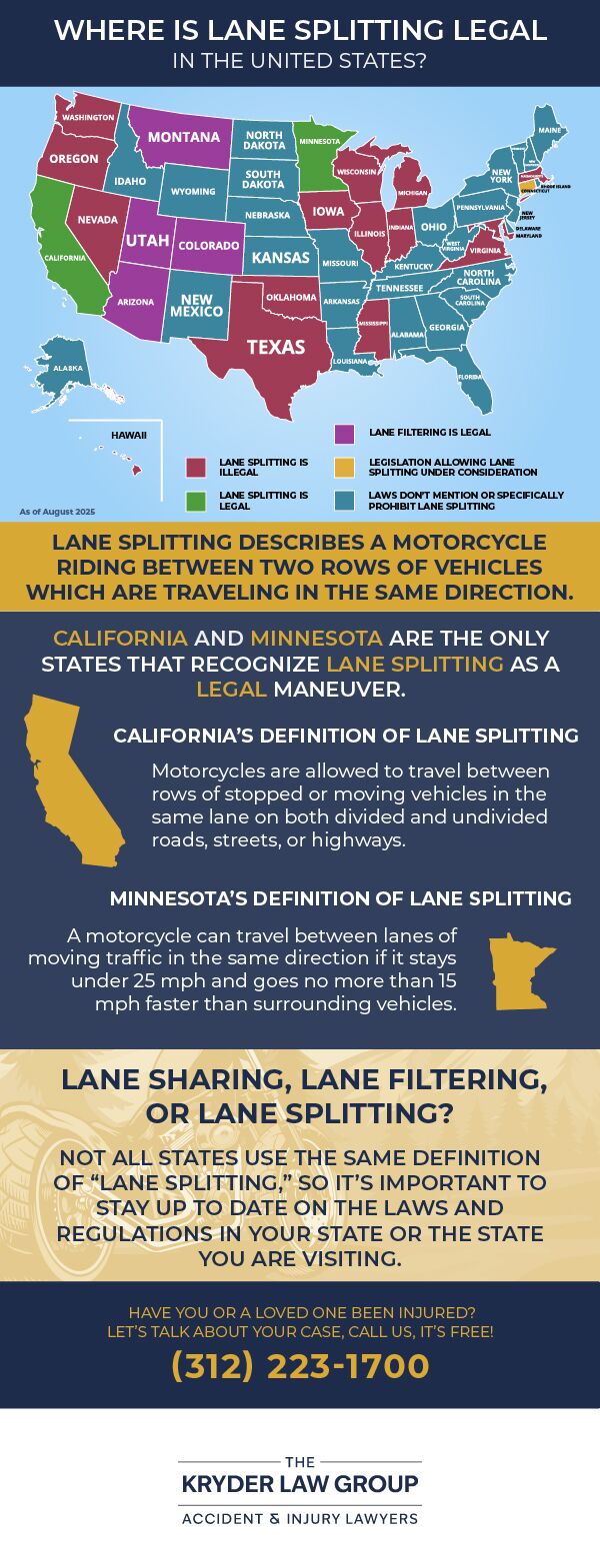
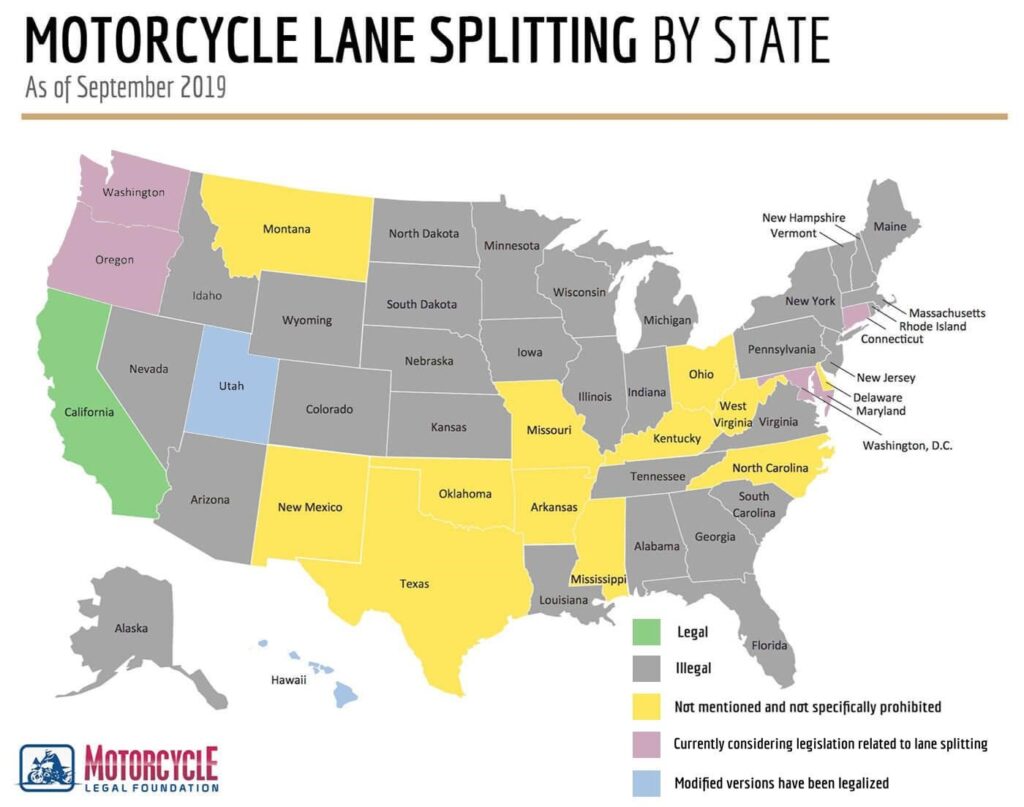
The legality of lane splitting varies widely across the globe and even within the United States. In many parts of Europe, Asia, and other continents, lane filtering or splitting is a common and accepted practice, often recognized for its ability to ease urban congestion and improve motorcycle safety by allowing riders to escape dangerous traffic jams. Conversely, in the United States, the practice has historically been met with more resistance. Until recently, California was the only state where lane splitting was explicitly legal and regulated. However, a growing number of states have begun to legalize lane filtering under specific conditions, particularly at low speeds and in congested traffic. This patchwork of regulations means that a motorcyclist touring across state lines must be diligent in checking the specific laws of each jurisdiction. For those planning a cross-country motorcycle adventure that includes Montana, being aware of these differences is not just good practice, but a legal necessity to avoid fines or accidents.
Montana’s Stance: The Current Legal Landscape for Motorcyclists
Motorcyclists planning to ride through Montana’s majestic landscapes will find that the state’s legal framework regarding lane splitting is clear, yet often surprising to those accustomed to different regulations elsewhere.
Is Lane Splitting Legal in Montana? The Definitive Answer
As of the current legislative understanding, lane splitting is illegal in Montana. Unlike some states that have moved to legalize lane filtering under specific conditions, Montana’s traffic laws do not permit motorcyclists to ride between lanes of traffic, whether moving or stopped. The state’s statutes generally define a lane as a distinct pathway for a single line of vehicles, and passing within the same lane or between lanes is not allowed. This means that a motorcyclist in Montana must operate their vehicle within a single lane, just like any other motor vehicle. For visiting motorcyclists, this is a crucial piece of information that dictates how they must navigate traffic, especially in more urban areas such as Missoula, Bozeman, or Billings. Adhering to this law is not just about avoiding legal repercussions; it’s also about promoting road safety and maintaining predictable traffic flow for all road users.
Penalties and Enforcement for Non-Compliance
Operating a motorcycle in violation of Montana’s lane splitting prohibition can lead to legal consequences. While specific penalties can vary based on the discretion of law enforcement officers and the circumstances of the violation, common outcomes include traffic citations and fines. These fines can range from moderate to significant, potentially impacting a tourist’s travel budget. More importantly, a violation could also result in points on a driving record, which might have implications for insurance or even lead to further legal complications, especially for out-of-state riders. Beyond the legal ramifications, attempting to lane split where it is illegal carries significant safety risks. Other drivers may not anticipate a motorcycle moving between lanes, leading to an increased risk of collisions. For tourists who are unfamiliar with local driving habits and road conditions, the potential for an accident is amplified. Therefore, understanding and strictly adhering to Montana’s traffic laws is not merely a suggestion but a critical directive for a trouble-free and secure motorcycle tour.
Implications for Motorcycle Tourism in Montana
The illegality of lane splitting in Montana directly influences the experience of motorcycle tourists, shaping trip planning, expectations, and road interactions. Recognizing these implications allows riders to prepare more effectively for their Big Sky Country adventure.
Navigating Traffic and Congestion for Visitors
Without the option to lane split, motorcyclists touring Montana must adhere to the same traffic rules as other vehicles. This means remaining in a single lane, waiting in queues, and not advancing between stopped or slow-moving cars. While Montana is famous for its wide-open spaces and generally less congested roads compared to densely populated areas, traffic can still build up in popular tourist destinations and urban centers, especially during peak summer months. Areas around Glacier National Park, the northern entrances to Yellowstone National Park, and cities like Bozeman and Kalispell can experience significant delays. For riders, this means factoring in potential traffic delays, particularly when planning itineraries with tight schedules or aiming to catch specific scenic overlooks. Patience becomes a virtue, and maintaining adequate following distances is even more critical in stop-and-go situations. Tourists should also be aware that local drivers, unaccustomed to lane splitting, may react unpredictably if a motorcyclist attempts such a maneuver, further underscoring the importance of compliance.
Enhancing Safety and Road Sharing
The prohibition of lane splitting in Montana inherently promotes a different kind of road sharing behavior. By requiring motorcyclists to occupy a full lane, it simplifies expectations for other drivers, reducing potential confusion and conflicts. While lane splitting advocates argue its safety benefits in specific contexts, in a jurisdiction where it’s not expected, its absence can contribute to a more predictable traffic environment. For motorcycle tourists, this means focusing on defensive riding within the established lanes, assuming that other drivers are not looking for vehicles to emerge from between lanes. It emphasizes the need for high visibility gear, proper signaling, and maintaining an acute awareness of surroundings. Engaging with Montana’s roads in this compliant manner fosters a safer environment for everyone. It encourages respect among all road users and ensures that the focus remains on enjoying the journey through one of America’s most beautiful states, rather than navigating legal ambiguities or risky maneuvers.
Planning Your Montana Motorcycle Adventure: Beyond the Law
While understanding legalities is foundational, a truly memorable motorcycle tour through Montana involves comprehensive planning that goes beyond traffic laws. For tourists, this means embracing the state’s unique offerings and preparing for an unparalleled riding experience.
Discovering Montana’s Iconic Routes and Attractions
Montana offers an abundance of spectacular routes perfect for motorcycling. Iconic journeys include the breathtaking Going-to-the-Sun Road in Glacier National Park (seasonal access is crucial), the scenic drives around Flathead Lake, and the numerous byways tracing the Continental Divide. Each route provides distinct vistas, from sweeping prairies to dense forests and towering peaks. Planning your itinerary around these renowned paths allows for maximum enjoyment of Montana’s natural splendor. Consider visiting towns like Whitefish, Livingston, or Helena for a taste of local culture, unique eateries, and historic sites. Researching local motorcycle clubs or online forums can also uncover hidden gems and lesser-known scenic routes shared by seasoned riders, enriching the tourist experience significantly.
Essential Gear and Preparedness for the Open Road
Given the varied terrain and sometimes unpredictable weather in Montana, proper preparation is paramount. Motorcyclists should ensure their bikes are in excellent mechanical condition, paying close attention to tires, brakes, and fluid levels. Essential riding gear should include protective clothing for all weather conditions—layers are key, as temperatures can fluctuate dramatically, especially in mountainous regions. Rain gear is a must, even on sunny days, as sudden showers are not uncommon. Beyond personal gear, carrying a basic tool kit, a tire repair kit, and first-aid supplies is highly recommended. Given that cell service can be spotty in remote areas, a physical map or a reliable GPS device with offline capabilities is invaluable. Staying hydrated and planning fuel stops, especially on longer stretches in less populated areas, are also critical considerations. These preparations ensure that tourists are not only compliant with laws but also ready for any challenge the open road of Montana might present, allowing for an uninterrupted exploration of its beauty.
Conclusion: Riding Responsibly Through Big Sky Country
Navigating the roads of Montana on a motorcycle offers an unparalleled sense of freedom and adventure. While the call of the open road is strong, understanding and adhering to local traffic laws, particularly regarding lane splitting, is crucial for both safety and legal compliance. By recognizing that lane splitting is illegal in Montana, motorcyclists can plan their routes and manage their expectations more effectively, ensuring a smooth journey through congested areas. This adherence not only prevents potential fines and accidents but also fosters a respectful driving environment for everyone sharing Big Sky Country’s magnificent roads.
For tourists, the emphasis shifts from speed and bypassing traffic to savoring the journey, soaking in the panoramic views, and engaging with Montana’s unique character. With proper planning, the right gear, and a commitment to responsible riding, your motorcycle tour through Montana promises to be an unforgettable experience, rich in scenic beauty and authentic adventure. Enjoy the ride, stay safe, and respect the laws that help make Montana a welcoming destination for all who travel its roads.
LifeOutOfTheBox is a participant in the Amazon Services LLC Associates Program, an affiliate advertising program designed to provide a means for sites to earn advertising fees by advertising and linking to Amazon.com. Amazon, the Amazon logo, AmazonSupply, and the AmazonSupply logo are trademarks of Amazon.com, Inc. or its affiliates. As an Amazon Associate we earn affiliate commissions from qualifying purchases.