
To understand the identity of someone from Louisiana, one must look far beyond a simple dictionary definition. While the official term for a resident of this vibrant state in the United States is a Louisianian, the cultural reality is a rich tapestry of history, ethnicity, and geography. In this deep dive into the tourism and local culture of the Pelican State, we explore the nuances of identity that define the people who call this unique corner of the world home.
Understanding the Louisianian Identity
The term Louisianian serves as the formal demonym for anyone residing within the state borders. However, for those who travel through the moss-draped bayous of the south or the rolling hills of the north, it becomes clear that “Louisianian” is merely the surface layer of a much deeper cultural identity. Unlike many other states, Louisiana was shaped by a complex colonial history involving France and Spain, resulting in a social fabric that feels distinctly international.

The Formal Demonym and Its Origins
The word Louisianian is derived from the state’s name, which was itself named in honor of King Louis XIV of France. When the territory was part of the Louisiana Purchase in 1803, the inhabitants were suddenly integrated into a burgeoning America. Today, when you visit the capital city of Baton Rouge, you will hear the term used in official capacities, from political speeches to news broadcasts. It is the inclusive umbrella under which all residents—whether from the bustling streets of New Orleans or the quiet pine forests near Shreveport—rightfully sit.
The Influence of Colonial History
Tourism in Louisiana is often centered around its history, which directly informs how locals identify themselves. The state’s legal system, based on the Napoleonic Code, and its division into parishes rather than counties, are constant reminders of its European roots. This history has fostered a sense of “otherness” that many locals take great pride in. To be from Louisiana is to belong to a place that has successfully preserved a non-Anglo-Saxon heritage longer than almost any other part of the North American continent.
Cajuns and Creoles: The Heart of the Culture
Perhaps the most famous sub-identities within the state are the Cajuns and the Creoles. For a tourist visiting the French Quarter or venturing into Cajun Country, understanding the distinction between these two groups is essential for a respectful and insightful experience.
The Cajun Experience
The term “Cajun” is a corruption of “Acadian.” The Cajuns are descendants of French-speaking settlers who were expelled from Acadia (present-day Nova Scotia and New Brunswick in Canada) by the British in the mid-18th century. Many of these refugees eventually found a home in the wetlands of South Louisiana, a region now known as Acadiana.
When you visit towns like Lafayette or Breaux Bridge, you are in the heart of Cajun culture. Locals here are known for their hospitality, their unique French dialect, and their “joie de vivre” (joy of living). Cajun culture is rural, rooted in the land and the water, and characterized by a resilient spirit that turned hardship into a vibrant lifestyle.
The Creole Heritage
The term “Creole” is more complex and has evolved over centuries. Originally, it referred to people born in the colony rather than in the mother country. In the context of Louisiana tourism today, “Creole” usually refers to a blend of French, Spanish, African, and Native American cultures.
Creole culture is traditionally more urban, centered in New Orleans. It is an identity built on sophisticated city life, grand architecture like that found in the Garden District, and a highly refined culinary tradition. While Cajun food might be seen as “country” cooking (one-pot meals like jambalaya), Creole food is “city” cooking, often involving complex sauces and expensive ingredients, reflective of the wealthy merchant class of old New Orleans.
Exploring the Regions: From North to South
Geography plays a significant role in what a person from Louisiana calls themselves and how they experience their surroundings. The state is often culturally divided by the I-10 corridor.
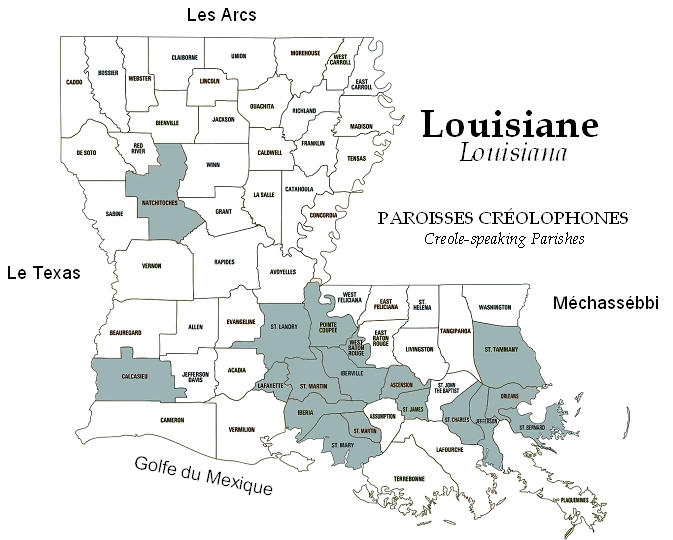
New Orleans and the Delta
New Orleans is a world unto itself. Residents here often identify first as “New Orleanians” and then as Louisianians. The city’s identity is tied to the Mississippi River and the Gulf of Mexico. Tourists flocking to Jackson Square or the St. Louis Cathedral are witnessing a culture that is deeply Catholic, festive, and steeped in the traditions of Mardi Gras. In this region, identity is tied to your neighborhood, your favorite parade krewe, and where you get your morning coffee.
Sportsman’s Paradise: The North
In Northern Louisiana, including cities like Shreveport, Monroe, and Alexandria, the identity shifts toward something more akin to the American South. Often referred to as “Sportsman’s Paradise” because of its abundance of outdoor activities, this region is characterized by rolling hills, pine forests, and a Protestant-inflected culture. Residents here might feel a closer kinship with Mississippi or Arkansas than with the Creole-saturated streets of the south. For the traveler, this region offers incredible fishing, hiking, and a slower pace of life that is equally “Louisianian” but vastly different in flavor.
Cultural Immersion: Tips for the Curious Traveler
When you travel to Louisiana, the best way to understand the locals is to participate in their cultural rituals. Identity in this state is performative; it is found in the music, the food, and the festivals.
Festivals and Celebrations
Louisiana is the festival capital of the United States. Beyond the world-famous Mardi Gras, there are hundreds of local celebrations. In Lafayette, you can experience Festival International de Louisiane, which celebrates the state’s Francophone ties. In Lake Charles, the Contraband Days festival celebrates pirate lore.
Attending these events allows tourists to see how locals identify with their specific heritage. You might meet a “Cajun” at the Crawfish Festival in St. Martinville or a “Creole” jazz enthusiast at the Jazz Fest in New Orleans. Each festival is a masterclass in local pride.
Culinary Etiquette and Identity
Food is perhaps the most significant marker of identity in Louisiana. To call yourself a Louisianian is to have a strong opinion on how to make a roux. For the visitor, food is the gateway to understanding the people.
- Cajun Cuisine: Focuses on locally available ingredients like crawfish, shrimp, and sausage. It is hearty and seasoned with the “holy trinity” of onions, bell peppers, and celery. A trip to Acadiana isn’t complete without trying boudin, a specialized sausage that locals take very seriously.
- Creole Cuisine: Often uses tomatoes (rarely found in Cajun gumbo) and cream. It is the food of the aristocracy, influenced by the chefs of Europe who came to New Orleans.
Dining at an institution like Antoine’s Restaurant provides a window into the Creole high-society past, while a roadside stand in Houma offers a glimpse into the salt-of-the-earth Cajun lifestyle.
The Modern Louisianian: A Global Citizen
As the world becomes more connected, the identity of someone from Louisiana continues to evolve. While the roots remain firmly planted in the silt of the Mississippi River delta, the modern Louisianian is often a global citizen.
Preservation and Progress
There is a massive movement within the state to preserve the French language and traditional music styles like Zydeco. Organizations such as COFIL work to ensure that the unique linguistic heritage of the state is not lost to time. For tourists, this means that a visit to Louisiana today is more culturally immersive than it might have been thirty years ago.

The Resilience of the People
Perhaps the most defining characteristic of any Louisianian is resilience. Having faced numerous natural disasters, from Hurricane Katrina to the more recent Hurricane Ida, the people of this state have a shared identity forged in recovery and rebuilding. This resilience is visible in the warm smiles of the vendors at the French Market and the soulful melodies played on Frenchmen Street.
In conclusion, what do you call someone from Louisiana? You call them Louisianians, but you also call them Cajuns, Creoles, New Orleanians, and explorers of the Sportsman’s Paradise. They are a people defined by their history, bound by their geography, and united by a culture that is unlike anything else in the United States. Whether you are exploring the Atchafalaya Basin or enjoying the nightlife of Bourbon Street, you are meeting individuals who carry a complex, beautiful, and enduring legacy. For the traveler, the greatest joy of visiting Louisiana isn’t just seeing the sights—it’s meeting the people who make those sights come alive with their stories and their spirit.
LifeOutOfTheBox is a participant in the Amazon Services LLC Associates Program, an affiliate advertising program designed to provide a means for sites to earn advertising fees by advertising and linking to Amazon.com. Amazon, the Amazon logo, AmazonSupply, and the AmazonSupply logo are trademarks of Amazon.com, Inc. or its affiliates. As an Amazon Associate we earn affiliate commissions from qualifying purchases.