
Motorcycle enthusiasts often seek the thrill of the open road, and for many, the freedom of navigating traffic on two wheels is an integral part of that experience. A common practice among riders, known as lane splitting or lane filtering, involves operating a motorcycle between lanes of slower-moving or stopped vehicles. While this maneuver can offer potential benefits, such as reducing travel time and mitigating the risk of being rear-ended in stop-and-go traffic, its legality varies significantly from state to state. For those planning a motorcycle journey through the diverse landscapes of New Mexico, understanding the specific regulations surrounding lane splitting is paramount for a safe and lawful trip. This article delves into the legal status of lane splitting in New Mexico, offering insights into current laws, potential changes, and crucial safety considerations for riders.
Understanding Lane Splitting: Definitions and Context
Lane splitting, also referred to as lane filtering or lane sharing, is the practice where a motorcyclist rides their vehicle in the space between two lanes of traffic. This space, often called a “lane’s shoulder” or “no man’s land,” is typically where adjacent vehicles are stopped or moving at a significantly slower pace than the motorcycle.
The Rationale Behind Lane Splitting
The primary motivations for riders to engage in lane splitting often include:
- Traffic Congestion Mitigation: In heavily congested urban areas, lane splitting can allow motorcyclists to bypass traffic jams, thereby reducing their overall travel time and the frustration associated with being stuck in traffic. This is particularly relevant for commuters in cities like Albuquerque or Santa Fe.
- Reduced Risk of Rear-End Collisions: When motorcycles are stopped in traffic behind other vehicles, they are more vulnerable to being rear-ended by distracted or inattentive drivers. Lane splitting, when performed safely, can help motorcyclists avoid these stationary or slow-moving situations.
- Improved Rider Comfort: Riding in extreme temperatures, whether heat or cold, can be uncomfortable when stationary. Lane splitting allows for continuous movement, which can help maintain a more comfortable body temperature.
Lane Splitting vs. Other Maneuvers
It’s important to distinguish lane splitting from other potentially illegal or unsafe maneuvers. Lane splitting specifically refers to riding between lanes of traffic. It does not involve weaving between vehicles within a single lane or riding on the shoulder of the road, which may have different legal implications and safety concerns.
The Legal Landscape of Lane Splitting in New Mexico
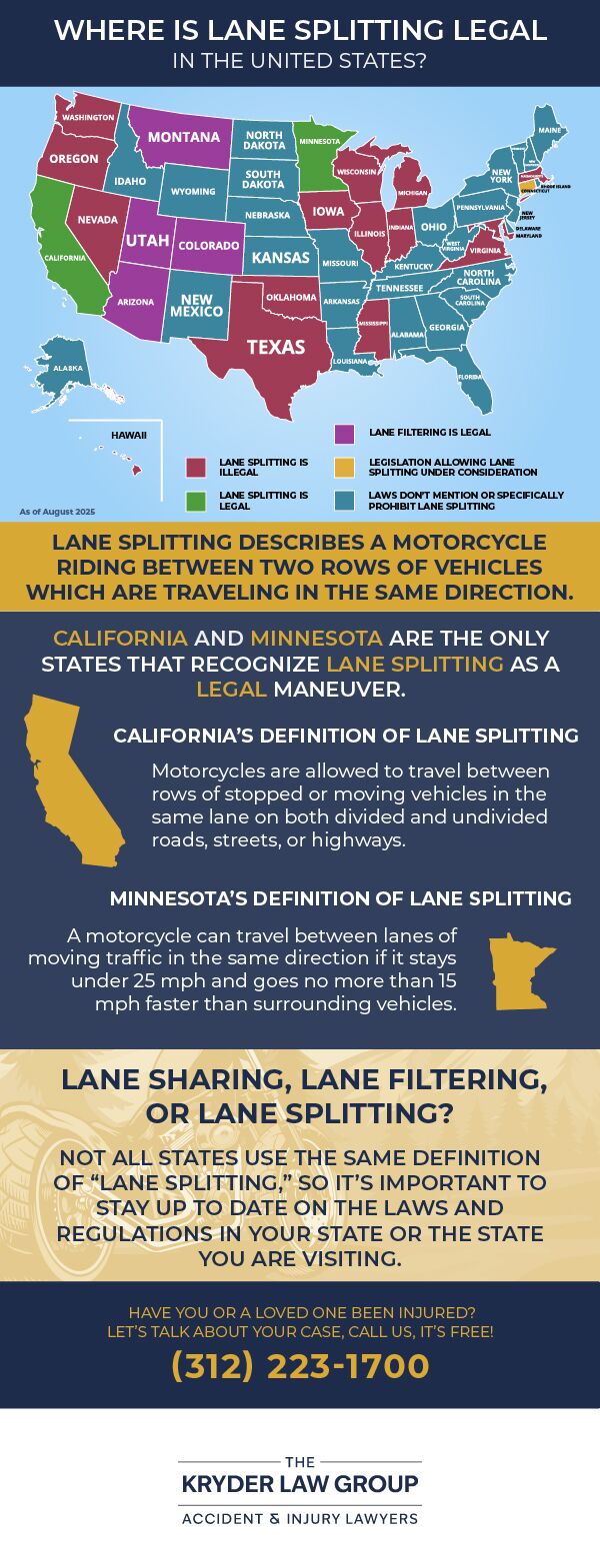
The question of whether lane splitting is legal in New Mexico has been a subject of discussion and evolving legislation. Historically, and for a significant period, lane splitting was not explicitly permitted by state law in New Mexico, often falling under a general prohibition against operating a vehicle in a manner that could be deemed unsafe or impede traffic.
Current Legal Status
As of the most recent legislative updates, lane splitting remains not explicitly legal in New Mexico. This means that while some riders may engage in the practice, it is not a codified right. Under current statutes, a motorcyclist could potentially be cited for unsafe lane changes, impeding traffic, or other related offenses if observed performing lane splitting by law enforcement. The interpretation and enforcement of these laws can vary depending on the specific circumstances and the discretion of individual officers.
Historical Context and Legislative Efforts
There have been discussions and proposals in [New Mexico](https://lifeout தேதி/new-mexico) to legalize lane splitting, mirroring trends seen in other states such as California, Arizona, and [Utah](https://lifeout தேதி/utah). Proponents of legalization argue that it can improve safety for motorcyclists and help alleviate traffic congestion. However, these efforts have not yet resulted in a formal legislative change that permits lane splitting. The debate often centers on balancing rider safety and convenience against the potential risks to other motorists and the complexities of enforcement.
Potential Future Changes
The legal landscape surrounding lane splitting is dynamic. As more research is conducted and as other states enact legislation, [New Mexico](https://lifeout தேதி/new-mexico) may revisit this issue. Riders and advocacy groups continue to engage with lawmakers, presenting data and arguments in favor of legalizing and regulating lane splitting. Should [New Mexico](https://lifeout தேதி/new-mexico) decide to legalize it in the future, it would likely be accompanied by specific guidelines and restrictions designed to ensure rider and public safety.
Safety Considerations for Motorcyclists in New Mexico
Regardless of the legal status, safety must always be the foremost concern for any motorcyclist, especially when considering maneuvers like lane splitting. Even in states where it is legal, lane splitting requires a high degree of skill, awareness, and caution.

Factors Influencing Safety
Several factors contribute to the safety of lane splitting:
- Speed Differential: The most critical factor is the speed difference between the motorcycle and surrounding vehicles. Lane splitting is generally considered safer when the speed differential is minimal (e.g., less than 10-15 mph). Riding at high speeds between slow-moving vehicles significantly increases risk.
- Lane Width and Markings: Wider lanes and clear lane markings provide more space and predictability. Narrow lanes or poorly marked roadways increase the danger.
- Road Conditions: Potholes, debris, oil slicks, gravel, and uneven pavement can be treacherous for motorcyclists, especially when maneuvering between vehicles.
- Driver Behavior: The behavior of other drivers is a major variable. Distracted drivers, aggressive lane changes, and drivers who are not expecting motorcycles to filter pose a significant threat.
- Weather Conditions: Rain, fog, ice, and strong winds can drastically reduce traction and visibility, making lane splitting extremely dangerous.
Best Practices for Riders
For riders who choose to lane split (where legal) or are navigating [New Mexico](https://lifeout தேதி/new-mexico)’s roads, adhering to best practices is crucial:
- Maintain Situational Awareness: Constantly scan your surroundings, paying attention to the movements of all vehicles, pedestrians, and potential hazards.
- Be Visible: Wear bright, reflective gear. Use your headlights at all times. Position yourself in a way that maximizes your visibility to other drivers.
- Control Your Speed: Keep your speed within a safe range relative to surrounding traffic. Avoid rapid acceleration or deceleration.
- Ride Defensively: Assume that other drivers may not see you. Be prepared for sudden actions from other vehicles.
- Know Your Motorcycle’s Capabilities: Understand how your motorcycle handles at different speeds and in various conditions.
- Be Predictable: Avoid sudden or erratic movements. Signal your intentions clearly.
- Assess the Environment: Before considering lane splitting, evaluate the lane width, road surface, traffic density, and the behavior of other drivers. If any of these factors seem unfavorable, it is best to refrain from the maneuver.
- Obey Traffic Laws: Even if lane splitting were legal, riders must still obey all other traffic laws, including speed limits and traffic signals.
Exploring New Mexico by Motorcycle: Beyond Lane Splitting
While the legality of lane splitting is a specific concern for motorcyclists in [New Mexico](https://lifeout தேதி/new-mexico), the state offers a wealth of incredible experiences for two-wheeled adventurers. The allure of [New Mexico](https://lifeout தேதி/new-mexico) lies in its stunning natural beauty, rich cultural heritage, and unique historical sites.
Scenic Routes and Destinations
Motorcyclists can explore iconic routes and destinations that showcase the diverse tapestry of the Land of Enchantment:
- The High Road to [Taos](https://lifeout தேதி/taos): This scenic byway winds through charming adobe villages, offering breathtaking mountain vistas and a glimpse into traditional [New Mexican](https://lifeout தேதி/new-mexico) life.
- [U.S. Route 66](https://lifeout தேதி/us-route-66): A portion of the historic “Mother Road” cuts through [New Mexico](https://lifeout தேதி/new-mexico), passing through towns like [Tucumcari](https://lifeout தேதி/tucumcari) and [Gallup](https://lifeout தேதி/gallup), offering a nostalgic journey into Americana.
- The [Jemez Mountain Trail](https://lifeout தேதி/jemez-mountain-trail) National Scenic Byway: This route offers dramatic landscapes, including volcanic formations, ancient pueblo ruins, and the tranquil [Jemez Springs](https://lifeout தேதி/jemez-springs).
- [White Sands National Park](https://lifeout தேதி/white-sands-national-park): The surreal landscape of endless gypsum dunes provides a unique backdrop for exploration.
- [Carlsbad Caverns National Park](https://lifeout தேதி/carlsbad-caverns-national-park): While primarily known for its subterranean wonders, the drive through the surrounding [Guadalupe Mountains](https://lifeout தேதி/guadalupe-mountains) offers scenic vistas.
Cultural and Historical Stops
[New Mexico](https://lifeout தேதி/new-mexico) is a treasure trove of cultural and historical experiences:- [Santa Fe](https://lifeout தேதி/santa-fe): The vibrant art scene, historic Plaza, and [Palace of the Governors](https://lifeout தேதி/palace-of-the-governors) are must-sees.
- [Taos Pueblo](https://lifeout தேதி/taos-pueblo): A UNESCO World Heritage Site, this ancient pueblo offers a glimpse into centuries of Native American history and culture.
- [Old Town Albuquerque](https://lifeout தேதி/old-town-albuquerque): Explore historic adobe buildings, unique shops, and authentic [New Mexican](https://lifeout தேதி/new-mexico) cuisine.
- [Bandelier National Monument](https://lifeout தேதி/bandelier-national-monument): Discover ancestral Pueblo cliff dwellings and mesa top sites.
Planning Your Motorcycle Trip
When planning a motorcycle trip to [New Mexico](https://lifeout தேதி/new-mexico), it’s advisable to:
- Check Current Road Conditions: Especially important for mountainous and rural areas.
- Book Accommodation in Advance: Popular destinations, especially during peak seasons, can fill up quickly. Consider unique stays like historic inns or charming bed and breakfasts.
- Pack Appropriately: [New Mexico](https://lifeout தேதி/new-mexico)’s climate can vary greatly. Be prepared for heat in the southern deserts and cooler temperatures in the northern mountains, as well as potential afternoon thunderstorms.
- Stay Informed on Local Laws: Beyond lane splitting, familiarize yourself with [New Mexico](https://lifeout தேதி/new-mexico)’s helmet laws and other motorcycle-specific regulations.
Conclusion: Navigating Legalities and Embracing the Ride
In [New Mexico](https://lifeout தேதி/new-mexico), lane splitting is not currently a legal practice. Riders should be aware of this and operate their motorcycles accordingly to avoid potential citations. While the conversation around legalizing lane splitting continues, safety and adherence to existing laws remain paramount. For motorcyclists eager to explore the breathtaking landscapes and rich culture of the Land of Enchantment, a well-planned trip, mindful of all regulations, promises an unforgettable adventure. The freedom of the open road in [New Mexico](https://lifeout தேதி/new-mexico) awaits, offering an experience steeped in natural beauty and historical wonder.
LifeOutOfTheBox is a participant in the Amazon Services LLC Associates Program, an affiliate advertising program designed to provide a means for sites to earn advertising fees by advertising and linking to Amazon.com. Amazon, the Amazon logo, AmazonSupply, and the AmazonSupply logo are trademarks of Amazon.com, Inc. or its affiliates. As an Amazon Associate we earn affiliate commissions from qualifying purchases.