
For many, Las Vegas conjures images of neon lights, high-stakes gambling, and world-class entertainment. It is a city defined by the transient nature of tourism, a place where people go to lose track of time—and often, their money. However, beneath the glimmer of the Las Vegas Strip, there exists a sprawling, functional city where hundreds of thousands of people call home. If you are considering a move to this desert metropolis, the question of affordability is paramount. Is Nevada’s largest city a financial black hole, or does it offer a realistic path to sustainable living?

The Reality of Housing Costs in the Silver State
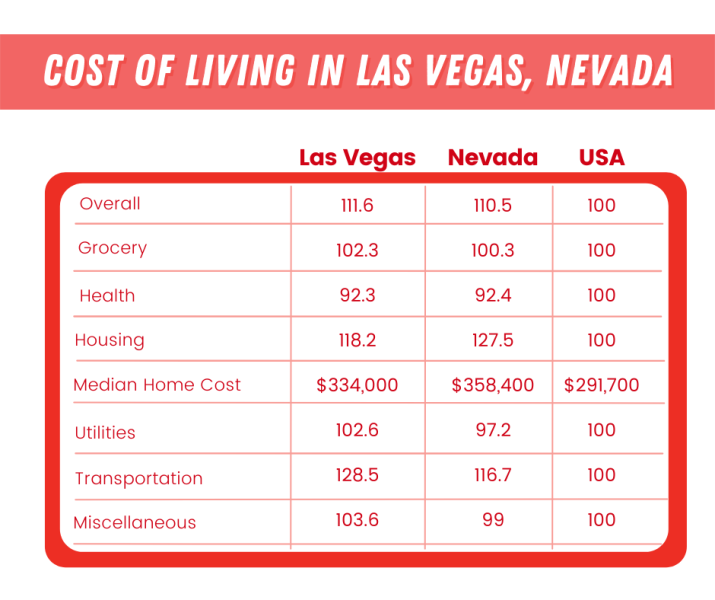
The most significant factor in determining the cost of living in any major city is housing. Over the last decade, Las Vegas has transitioned from one of the most affordable urban centers in the United States to a market experiencing significant price appreciation.
Rental Market Dynamics
Renters moving to the area will find a diverse landscape of options. If you choose to live near the tourist corridors, such as Summerlin or Henderson, you can expect to pay a premium for master-planned community amenities, manicured parks, and proximity to high-end shopping centers like Downtown Summerlin. Conversely, seeking housing further from the city center often yields more square footage for your dollar. However, because Las Vegas is geographically constrained by the surrounding Mojave Desert, the supply of land is finite, which keeps upward pressure on rental rates.
Purchasing Real Estate
For those looking to buy, the median home price in Clark County has historically fluctuated with broader national economic trends. While prices rose sharply post-2020, they remain more competitive than coastal markets like Los Angeles or San Francisco. The lack of a state income tax in Nevada acts as a significant “hidden” subsidy for residents, effectively increasing your take-home pay compared to living in neighboring California. When calculating your budget, it is vital to account for property taxes and HOA fees, which are common in the valley’s many residential associations.
Daily Expenditures and Economic Incentives
Beyond the roof over your head, day-to-day life involves a variety of expenses that are unique to the desert climate and the city’s economy.
The Tax Advantage
Perhaps the most persuasive argument for moving to Las Vegas is the tax structure. As mentioned, Nevada has no state income tax. This policy provides an immediate 4% to 9% raise for most professionals compared to states with progressive income taxes. This surplus income can be redirected toward housing, savings, or the wide variety of recreational activities available in the region.

Utilities and Energy Consumption
Living in the desert requires an adjustment in utility spending. While electricity costs can be moderate for much of the year, the summer months—when temperatures routinely exceed 100 degrees—will cause your cooling bills to spike. Investing in a home with modern insulation, energy-efficient windows, and smart thermostats is not just a luxury; it is a prerequisite for keeping monthly overhead manageable. Water conservation is also a major focus in the Colorado River basin, so be prepared for utility billing structures that penalize excessive outdoor water usage.
Grocery and Consumer Goods
Because the city is a major logistics hub, the cost of groceries and general goods is fairly aligned with the national average. You are not paying a “tourist premium” at your local Costco or Smith’s Food and Drug. However, you must exercise discipline. The city is designed to encourage spending; if you succumb to the temptations of the Fremont Street Experience or the constant lure of high-end dining every weekend, your “living expenses” will naturally inflate to match your lifestyle choices.
The Cost of a Lifestyle: Balancing “Local” vs. “Tourist”
The perception that Las Vegas is expensive often stems from conflating the cost of a vacation with the cost of residency. If you live like a tourist, you will go broke; if you live like a local, the city is surprisingly manageable.
Entertainment on a Budget
One of the distinct benefits of living in a world-class tourism destination is the abundance of low-cost or free entertainment. While a concert at the Sphere or a Cirque du Soleil show carries a steep price tag, there are endless opportunities to explore the Red Rock Canyon National Conservation Area or Mount Charleston for a nominal fee. Locals often benefit from resident discounts at casinos, restaurants, and museums, which can significantly offset entertainment costs.
Transportation and Accessibility
Most residents find that owning a vehicle is essential in Las Vegas. While the Regional Transportation Commission of Southern Nevada provides a decent bus network, the city’s suburban sprawl makes car ownership the most efficient way to navigate. Gas prices can be higher than the national average due to supply chain logistics from refineries in California, but the absence of long, grueling commutes—compared to other major metros—often balances out the total cost of transportation.
Weighing the Economic Pros and Cons
Is the city expensive? The answer is relative. Compared to rural areas or lower-cost states, Las Vegas can feel pricey. Compared to major international hubs like New York City or Seattle, it offers a high degree of economic freedom and a manageable cost of living.
Key Takeaways for Potential Residents
- Leverage the Tax Breaks: Take advantage of the lack of state income tax to aggressively pay down debt or build a retirement fund.
- Choose Your Location Wisely: Research the HOA fees and utility efficiency of homes before signing a lease or mortgage.
- Separate Lifestyle from Necessity: Acknowledge that the proximity to Caesars Palace and Bellagio is a luxury, not a daily requirement.
- Embrace the Outdoors: Use the natural beauty of Nevada to keep your recreation costs low and your physical health high.
In conclusion, Las Vegas is not inherently expensive; it is a high-opportunity environment that rewards the financially disciplined. By avoiding the common pitfalls of impulsive spending and utilizing the unique tax advantages afforded to its citizens, you can enjoy a standard of living that would be unattainable in many other parts of the United States. Whether you are drawn by the professional opportunities in the hospitality industry or the tax benefits for your small business, the city remains a viable and attractive option for those who balance their ledger with care.
LifeOutOfTheBox is a participant in the Amazon Services LLC Associates Program, an affiliate advertising program designed to provide a means for sites to earn advertising fees by advertising and linking to Amazon.com. Amazon, the Amazon logo, AmazonSupply, and the AmazonSupply logo are trademarks of Amazon.com, Inc. or its affiliates. As an Amazon Associate we earn affiliate commissions from qualifying purchases.