
When people think of Las Vegas, the imagery often shifts between extremes: the high-rolling billionaire sipping vintage champagne at a private table, and the budget-conscious traveler hunting for the legendary 99-cent shrimp cocktail. The truth is that Nevada’s most famous city is as expensive as you choose to make it. In the United States, few destinations offer such a polarizing range of lifestyle options. Whether you are visiting for a high-stakes business conference, a luxury retreat, or a frugal weekend getaway, understanding the financial landscape of this desert oasis is essential for setting expectations.
The Financial Spectrum of the Las Vegas Strip
The primary driver of cost in Las Vegas is your proximity to The Strip. This four-mile stretch of Las Vegas Boulevard houses some of the most iconic architecture in the world, and the prices reflect its status as a global tourism hub. However, the lifestyle you adopt while walking these neon-lit streets will determine whether your bank account remains intact or vanishes like a mirage.

Luxury Living and High-Stakes Hospitality
For those seeking a lifestyle of opulence, Las Vegas is arguably the premier destination in North America. Resorts such as the Wynn Las Vegas and its sister property, Encore at Wynn Las Vegas, set a gold standard for luxury. Here, the “expensive” label is worn as a badge of honor. A stay in a Sky Suite at Aria Resort and Casino or a villa at Caesars Palace can cost thousands of dollars per night.
The luxury lifestyle here extends beyond the room. It includes personalized butler service, private poolside cabanas that cost more than a standard hotel room, and access to exclusive lounges. If your lifestyle involves “bottle service” at world-renowned clubs like Omnia Nightclub or XS Nightclub, you should prepare for a significant financial commitment. In this tier, Las Vegas is undeniably expensive, rivaling the costs of Paris or Monaco.
Navigating the Middle Ground and Budget Stays
On the opposite end of the spectrum, Las Vegas remains surprisingly accessible. Travelers who prioritize experiences over five-star pillows can find refuge in “Old Vegas” or Downtown Las Vegas. Properties like The D Las Vegas or Golden Nugget Las Vegas offer a more vintage, cost-effective lifestyle. Even on The Strip, older establishments like Flamingo Las Vegas or Excalibur Hotel and Casino provide a gateway for those on a tighter budget.
A budget lifestyle in Las Vegas involves leveraging the competition between resorts. Many properties offer mid-week rates that are a fraction of their weekend counterparts. By choosing to visit during the “off-season”—typically during the height of the summer heat or the weeks following New Year’s Eve—the city becomes one of the most affordable metropolitan areas in the United States.
Managing Expenses: Dining, Entertainment, and Beyond
In Las Vegas, the cost of your lifestyle is often dictated more by what you consume than where you sleep. The city has transformed from a place of cheap buffets to a global culinary capital, and the pricing has shifted accordingly.
Fine Dining vs. Street Food and Casual Eateries
If your lifestyle centers on gastronomy, Las Vegas can be an expensive playground. The city boasts a staggering concentration of Michelin-starred chefs. Dining at Joël Robuchon at MGM Grand or Guy Savoy at Caesars Palace is a multi-hundred-dollar endeavor per person. Even “celebrity” casual spots like Gordon Ramsay Hell’s Kitchen carry a premium price tag due to the brand name and the prime location near The Forum Shops at Caesars.
However, a savvy lifestyle choice is to explore the Chinatown Las Vegas district on Spring Mountain Road. Located just minutes from the main tourist corridor, this area offers some of the best food in the city at local prices. Additionally, the rise of food halls, such as Proper Eats Food Hall at Aria, allows visitors to sample high-quality cuisine without the overhead of a formal sit-down service and gratuity.
The Cost of World-Class Entertainment
Entertainment is another area where costs can spiral. Tickets for a flagship Cirque du Soleil show like “O” at the Bellagio or “Mystère” at Treasure Island are priced similarly to Broadway shows. The recent addition of the Sphere has introduced a new tier of high-priced tickets, making a single night out a major expense.
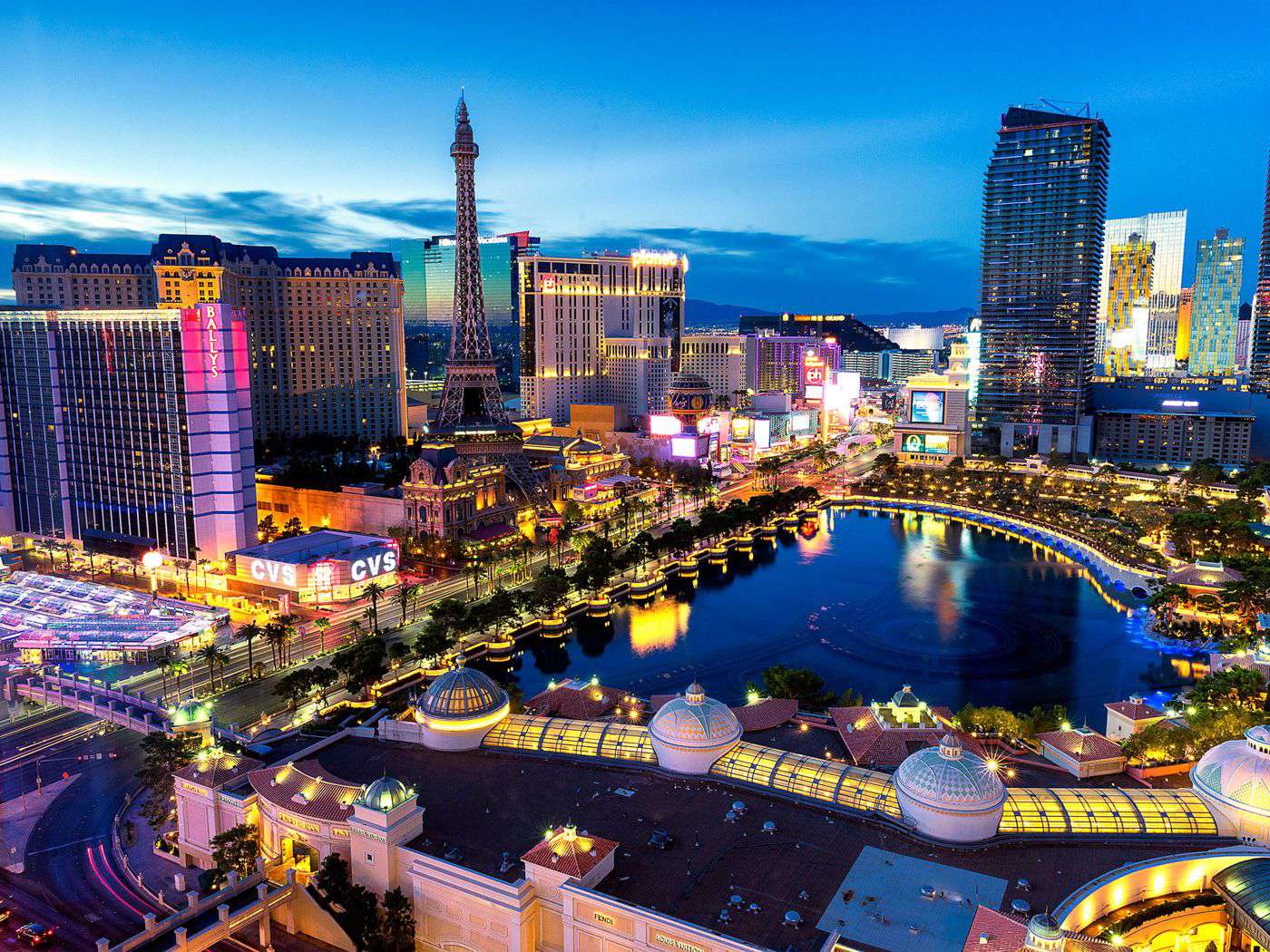
To mitigate these costs, many lifestyle travelers focus on “free” attractions. The Bellagio Fountains, the Conservatory & Botanical Gardens, and the volcano at The Mirage offer world-class visuals at no cost. Walking the Fremont Street Experience in Downtown Las Vegas provides hours of people-watching and live music for free, proving that an engaging lifestyle in the city doesn’t always require a cover charge.
Strategic Budgeting for the Modern Traveler
Is Las Vegas expensive? The answer is often found in your calendar. The city operates on a dynamic pricing model that can see a room’s price quadruple from Tuesday to Saturday.
Seasonal Trends and Timing Your Visit
Timing is the most potent tool in managing a Las Vegas budget. Major events such as the Formula 1 Las Vegas Grand Prix or the Super Bowl can send prices into the stratosphere. Similarly, massive trade shows like CES (the Consumer Electronics Show) draw hundreds of thousands of people, causing even basic hotels like Circus Circus to command premium rates.
If your lifestyle allows for flexibility, visiting during the midweek (Sunday through Thursday) is the best way to enjoy a luxury lifestyle on a moderate budget. You can often stay at a high-end resort like The Cosmopolitan of Las Vegas for the same price a budget motel would charge on a holiday weekend.
Hidden Costs and How to Avoid Them
One of the most frequent complaints about the Las Vegas lifestyle is the “resort fee.” Almost every major hotel on The Strip and Downtown Las Vegas adds a mandatory daily fee (ranging from $30 to $50+) to cover amenities like Wi-Fi and fitness center access. This can turn a “cheap” $40 room into a $100 room instantly.
Transportation is another hidden expense. While the city is walkable in theory, the heat and the sheer scale of the resorts make it difficult. Using Uber or Lyft repeatedly adds up. A more cost-effective lifestyle choice is using the Las Vegas Monorail or the Deuce bus, which runs 24/7 along The Strip. For those wanting to explore further, such as a day trip to Red Rock Canyon or the Hoover Dam, renting a car might be more economical than multiple ride-shares.
Business Stays and Corporate Travel Considerations
A significant portion of visitors to Las Vegas are there for business. For the corporate traveler, the city offers a lifestyle of efficiency and networking, but it comes with its own financial logic.
Networking in the Desert
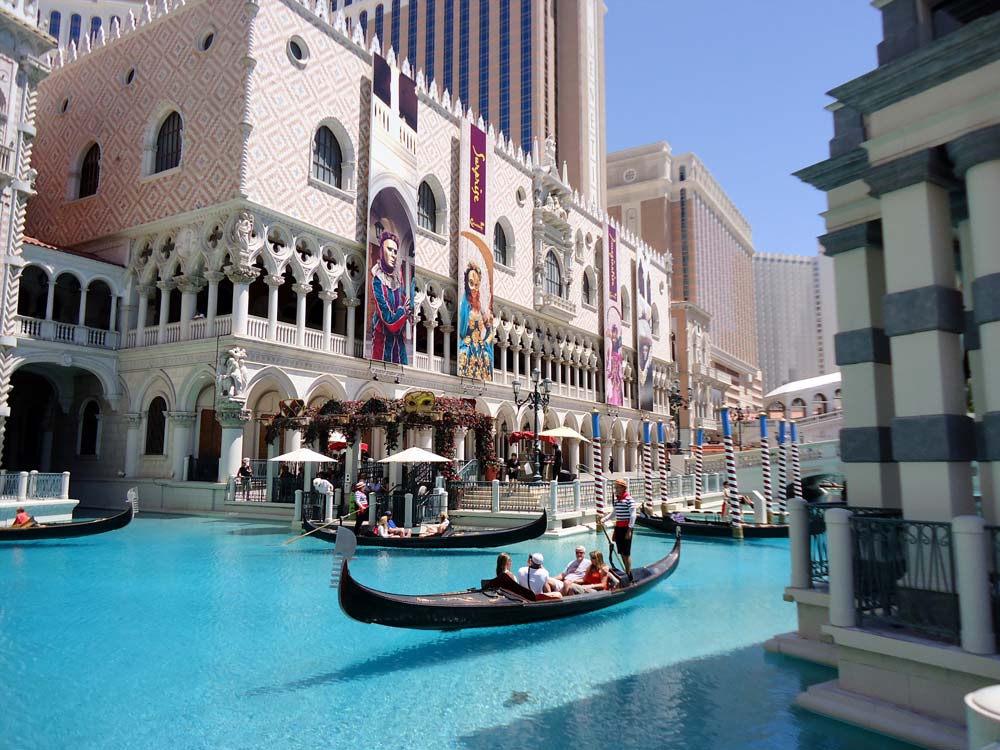
Business travelers often congregate at the Las Vegas Convention Center or the Venetian Expo. For this group, “expensive” is often measured in time and convenience. Staying at The Venetian Las Vegas or Palazzo at The Venetian allows for direct access to meeting spaces, but these rooms are priced for the corporate account.
The business lifestyle in Las Vegas also revolves around the “power lunch” or the “client dinner.” Restaurants like The Capital Grille or SW Steakhouse at Wynn are designed for this purpose. While expensive, these venues provide the environment necessary for high-level negotiations, making the cost an investment rather than just an expenditure.
Expenses for the Business Professional
For the business professional, managing costs often involves looking at properties slightly off the main thoroughfare. Renaissance Las Vegas Hotel or Westgate Las Vegas Resort and Casino offer proximity to the convention centers without the peak “Strip” pricing. Furthermore, many business travelers are opting for a lifestyle that incorporates wellness, utilizing the world-class spas at Waldorf Astoria Las Vegas to decompress after a long day of seminars.
In conclusion, Las Vegas is as expensive as your lifestyle dictates. It is a city of choice. You can spend $10,000 on a single bottle of wine at Pétrus or find a hidden gem in the Arts District where a craft beer is $6. By understanding the tiers of spending—from the luxury suites of Encore to the budget-friendly neon of Fremont Street—you can tailor your Nevada experience to fit your personal economy. The “expensive” nature of the city is not a barrier, but rather a spectrum of possibilities that caters to every type of traveler.
LifeOutOfTheBox is a participant in the Amazon Services LLC Associates Program, an affiliate advertising program designed to provide a means for sites to earn advertising fees by advertising and linking to Amazon.com. Amazon, the Amazon logo, AmazonSupply, and the AmazonSupply logo are trademarks of Amazon.com, Inc. or its affiliates. As an Amazon Associate we earn affiliate commissions from qualifying purchases.