
Florida, often affectionately known as the Sunshine State, beckons millions with its vibrant culture, stunning beaches, and diverse opportunities. Whether you’re relocating, starting a new business, or simply enjoying the state’s recreational offerings, navigating the bureaucratic landscape of licensing is an essential part of establishing your life here. Far beyond mere paperwork, obtaining the correct licenses is crucial for legal compliance, personal mobility, and professional legitimacy, forming a foundational element of your lifestyle in Florida. This comprehensive guide delves into the various types of licenses you might need, detailing the processes and providing essential tips to ensure a smooth transition and a compliant experience in this dynamic state. From getting behind the wheel to launching a new venture or enjoying the state’s natural wonders, understanding Florida’s licensing requirements is your first step towards a seamless integration into the local way of life.
Navigating the Sunshine State’s Licensing Landscape
Embarking on a new chapter in Florida comes with its share of exciting possibilities and practical considerations. One of the most fundamental aspects of settling in and enjoying the lifestyle is understanding and obtaining the necessary licenses. These aren’t just arbitrary requirements; they are designed to ensure public safety, professional standards, and orderly conduct across various facets of life in the state. From the moment you plan to drive on its extensive highway network to pursuing a career or setting up a business, licenses serve as your official authorization.
Driver’s Licenses: Your Key to Mobility
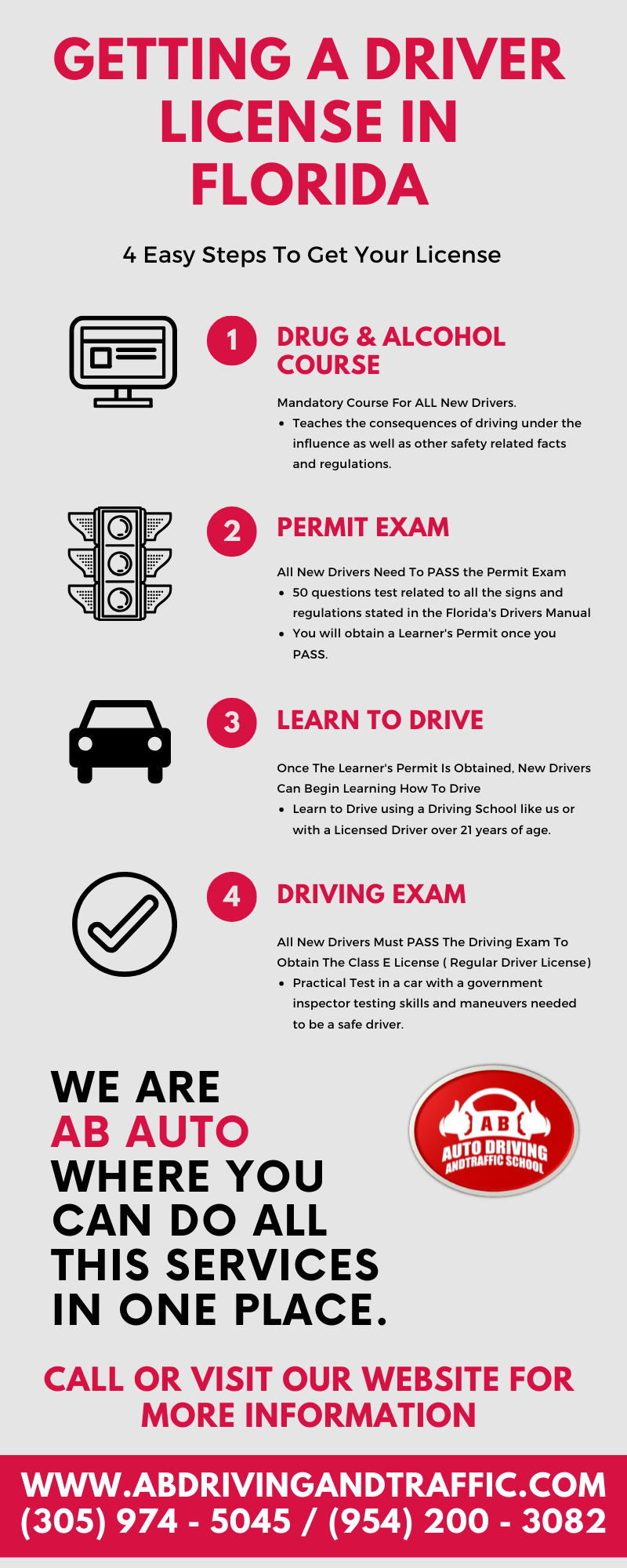
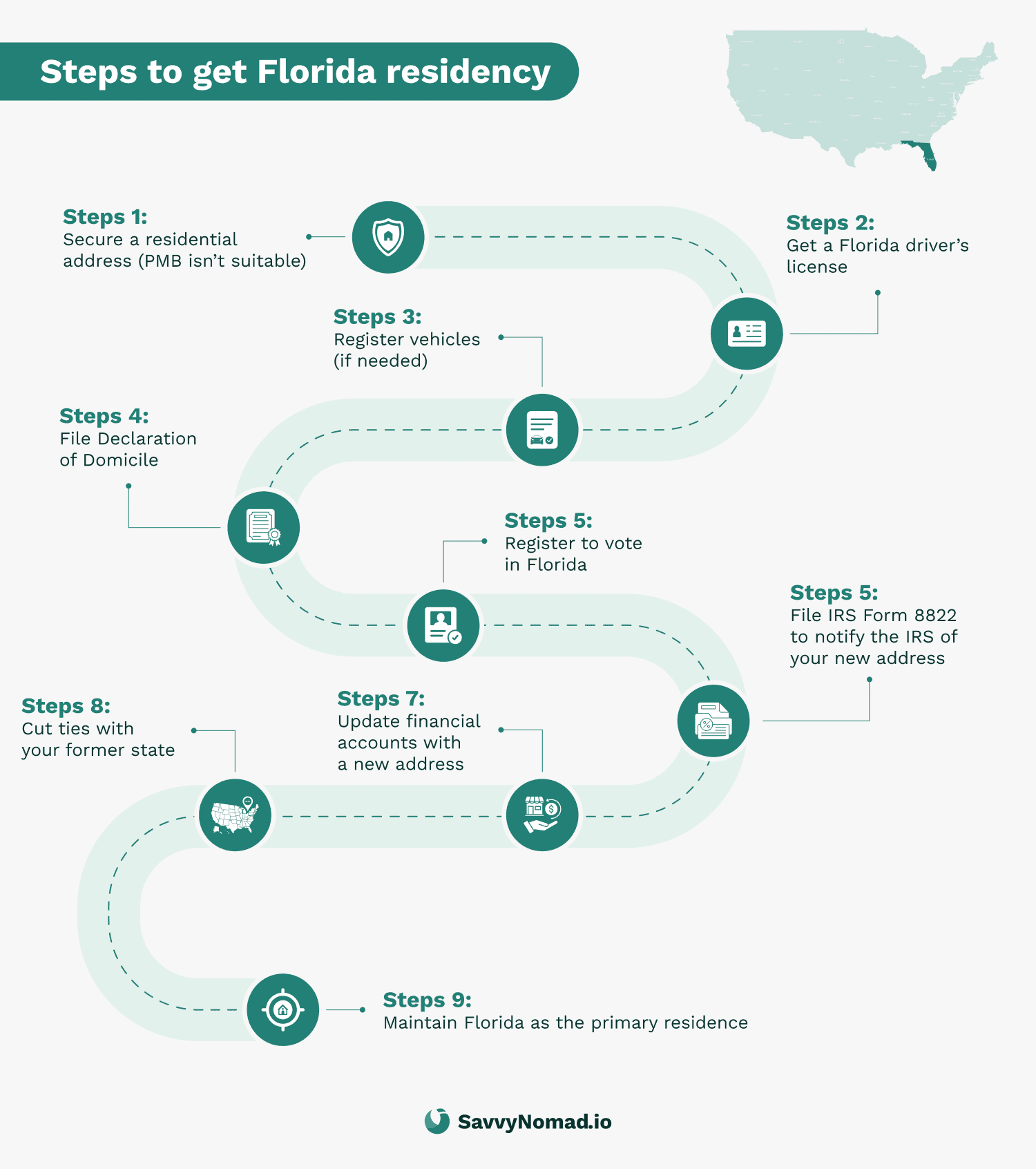
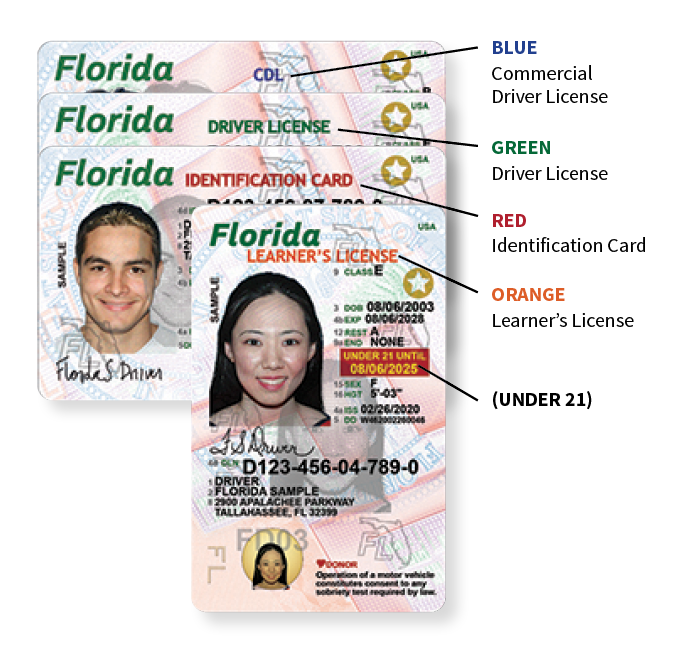
For most newcomers and residents alike, a driver’s license is arguably the most critical license to acquire. It’s not just about driving; it often serves as a primary form of identification. Florida requires new residents to obtain a Florida driver’s license within 30 days of establishing residency.
For Florida Residents: First-Time and Transfers
If you’re moving from another state, the process generally involves transferring your out-of-state license. This typically requires a visit to a Florida Department of Highway Safety and Motor Vehicles (FLHSMV) service center or a local Department of Motor Vehicles (DMV) office. You’ll need to surrender your out-of-state license, pass a vision test, and possibly a written knowledge test if your existing license has expired or if you don’t hold a valid license from certain countries. A driving skills test is usually waived if you hold a valid, unexpired driver’s license from another U.S. state, U.S. territory, or specific foreign countries.
First-time drivers in Florida who are over 18 and have never held a driver’s license must complete a Traffic Law and Substance Abuse Education (TLSAE) course, pass a written knowledge test, a vision test, and a driving skills test. Younger drivers have additional requirements, including holding a learner’s permit for a certain period.
Required Documents
Regardless of whether you’re a first-time applicant or transferring a license, you’ll need to furnish several key documents to prove your identity, residency, and social security number. These commonly include:
- Proof of Identity: Original birth certificate, valid U.S. passport, or a certificate of naturalization.
- Proof of Social Security Number (SSN): Your social security card, a W-2 form, or a pay stub showing your SSN.
- Proof of Residential Address: Two different documents showing your Florida address, such as a utility bill, lease agreement, or bank statement.
- Proof of Legal Presence: For non-U.S. citizens, this could include a valid visa, I-94 form, or Permanent Resident Card.
It’s crucial to check the FLHSMV website for the most current and specific document requirements, as these can occasionally change.
International Driver’s Permits
For visitors or new residents who are awaiting their Florida driver’s license, an International Driver’s Permit (IDP) can be a useful, though not always legally required, document. An IDP is a translation of your home country’s driver’s license and must always be accompanied by your original, valid driver’s license. It is generally recognized in Florida for up to one year for non-residents.
Professional Licenses: Building Your Career in Florida
For many seeking to build a career in Florida, obtaining a professional license is a non-negotiable step. The state regulates a wide array of professions to ensure practitioners meet specific standards of education, experience, and ethical conduct.
Overview of Regulated Professions
Florida has stringent licensing requirements for professions ranging from healthcare (doctors, nurses, dentists) and legal services to construction contractors, real estate agents, cosmetologists, and even barbers. Each profession falls under the purview of a specific state board or a division within the Florida Department of Business and Professional Regulation (DBPR).
For instance, becoming a licensed real estate agent requires completing a pre-licensing course, passing a state exam administered by the Florida Real Estate Commission (FREC), and submitting an application. Similarly, healthcare professionals must be licensed by their respective boards, such as the Florida Board of Medicine or the Florida Board of Nursing, which typically involve specific educational degrees, clinical experience, and successful completion of licensure examinations.
General Steps for Professional Licensing
While the specifics vary by profession, the general pathway to obtaining a professional license often includes:
- Education: Completing an approved degree or certification program.
- Examination: Passing one or more state or national examinations.
- Experience: Fulfilling supervised practical experience requirements.
- Application: Submitting a detailed application to the relevant state board or DBPR, often including background checks and fingerprinting.
- Continuing Education: Many licenses require ongoing education to maintain validity.
It is paramount to consult the official website of the specific licensing board or the DBPR for precise and up-to-date requirements for your chosen profession.
Business Licenses and Permits: Fueling Entrepreneurship
For entrepreneurs and businesses looking to tap into Florida’s thriving economy, a robust understanding of business licenses and permits is indispensable. These licenses operate at both the state and local levels, ensuring that all commercial operations adhere to legal and safety standards.
State-Level Business Registrations
The journey for most businesses in Florida begins with state-level registrations.
Florida Department of State
If you plan to operate as a corporation, Limited Liability Company (LLC), or other formal business entity, you must register with the Florida Department of State, specifically its Division of Corporations. This is where your business entity is legally formed and recognized. Additionally, if your business operates under a name different from its legal name (e.g., a sole proprietorship or partnership using a trade name), you may need to register a fictitious name (DBA – Doing Business As).
Florida Department of Revenue
Nearly all businesses in Florida will interact with the Florida Department of Revenue. This department handles registrations for sales tax, reemployment tax (unemployment insurance), and other state taxes. If your business sells goods or taxable services, collecting and remitting sales tax is a fundamental requirement.
Local Business Licenses: City and County Specifics
Beyond state mandates, businesses must also comply with local licensing requirements, which vary significantly by city and county.
Occupational Licenses and Zoning Permits
Most cities, such as Miami, Orlando, Tampa, and Jacksonville, and counties like Miami-Dade County or Orange County, require businesses to obtain a local business tax receipt (formerly known as an occupational license) to legally operate within their jurisdiction. This fee-based license often needs to be renewed annually.
Furthermore, businesses must ensure their operations comply with local zoning ordinances. A zoning permit confirms that your business location is approved for the type of commercial activity you plan to conduct. Before signing a lease or purchasing property, it’s wise to verify zoning compliance with the local planning department.
Specialized Business Licenses
Certain industries require additional specialized licenses and permits due to their nature or the products/services they offer. Examples include:
- Food Service: Restaurants, cafes, and any establishment handling food must obtain permits from the Florida Department of Business and Professional Regulation (DBPR) (for restaurants) or the Florida Department of Agriculture and Consumer Services (FDACS) (for food manufacturers/processors).
- Alcoholic Beverages: Selling alcoholic beverages requires a license from the DBPR’s Division of Alcoholic Beverages and Tobacco.
- Childcare Facilities: Childcare centers must be licensed and regulated by the Florida Department of Children and Families.
- Environmental Permits: Businesses impacting air, water, or hazardous waste may need permits from the Florida Department of Environmental Protection (FDEP).
Thorough research into your specific industry and location is crucial to identify all applicable state, county, and municipal requirements.
Specialized Licenses for Recreation and Lifestyle
Beyond driving and professional pursuits, Florida’s unique environment and culture often necessitate specific licenses for popular recreational activities. These licenses help preserve the state’s natural resources and ensure public safety, contributing to the overall quality of life for residents and visitors.
Boating and Fishing Licenses
Given Florida’s extensive coastline, numerous lakes, and intricate river systems, boating and fishing are integral parts of the lifestyle for many.
Florida Fish and Wildlife Conservation Commission (FWC)
The Florida Fish and Wildlife Conservation Commission (FWC) is the primary agency responsible for managing fishing and hunting licenses, as well as boating safety education. Anyone fishing in fresh or saltwater from the shore, a boat, or a pier generally needs a Florida fishing license, unless exempt. Different licenses exist for residents and non-residents, and various endorsements may be required for specific types of fishing (e.g., lobster, snook).
Boaters born on or after January 1, 1988, are required to complete an approved boating safety course and obtain a Boating Safety Education Identification Card to operate a motorboat of 10 horsepower or more. This is an essential safety measure in a state where recreational boating is extremely popular.
Concealed Weapon or Firearm Licenses
For those who wish to exercise their right to carry a concealed weapon or firearm, Florida offers a licensing program managed by the Florida Department of Agriculture and Consumer Services (FDACS).
Requirements and Application Process
Obtaining a Concealed Weapon or Firearm License (CWFL) in Florida involves meeting several strict eligibility criteria, including being at least 21 years old (with exceptions for military personnel), demonstrating competence with a firearm (typically through a training course), and passing a background check. The application process includes submitting an application, fingerprints, and proof of training, among other documents. It’s a significant aspect of personal lifestyle for many responsible gun owners in the state.
Essential Tips for a Smooth Application Process
Navigating the various licensing procedures in Florida can seem daunting, but with a structured approach and careful attention to detail, you can streamline the process.
Gather Your Documents Early
The most common cause of delays in any licensing application is incomplete documentation. Before you even begin filling out forms, compile all necessary identification, proofs of residency, social security information, educational transcripts, and any other relevant certificates. Ensure all documents are current, valid, and, if required, original or certified copies. A checklist approach, cross-referencing with the official agency websites, can prevent multiple trips or rejections.
Understand the Specific Requirements
Each license type and every issuing agency in Florida has its unique set of rules, fees, and processing times. Do not assume that the requirements for one license are identical to another. Thoroughly read all instructions, frequently asked questions (FAQs), and guides provided by the official state, county, or city agencies. When in doubt, utilize their contact information to clarify any ambiguities directly with the source. Relying on outdated information or unofficial sources can lead to significant setbacks.
Be Patient and Persistent
Government processes, especially those involving applications and background checks, can take time. Expect varying processing periods, from a few days for a driver’s license renewal to several weeks or even months for complex professional or business licenses. While patience is key, persistence is also valuable. Keep copies of all submitted documents and correspondence, note down application numbers, and politely follow up if a reasonable timeframe has passed without communication. Utilizing online portals where available can also help track your application’s status.
In conclusion, obtaining the right licenses in Florida is more than a formality; it’s a critical step toward fully immersing yourself in the Sunshine State’s lifestyle, whether you’re driving its scenic routes, pursuing a thriving career, launching an innovative business, or enjoying its abundant recreational opportunities. By diligently researching requirements, meticulously preparing your documents, and approaching the process with patience, you can ensure a smooth and compliant experience, setting a strong foundation for your life or venture in Florida.
LifeOutOfTheBox is a participant in the Amazon Services LLC Associates Program, an affiliate advertising program designed to provide a means for sites to earn advertising fees by advertising and linking to Amazon.com. Amazon, the Amazon logo, AmazonSupply, and the AmazonSupply logo are trademarks of Amazon.com, Inc. or its affiliates. As an Amazon Associate we earn affiliate commissions from qualifying purchases.