
Yes, Las Vegas is definitively located within the Pacific Time Zone (PST/PDT). This vibrant city, nestled in the Mojave Desert of Nevada, United States, operates on Pacific Standard Time (PST) during the winter months and switches to Pacific Daylight Time (PDT) for the spring and summer. Understanding this crucial detail is key for anyone planning a visit, whether it’s for leisure, business, or a long-term stay. The implications of Las Vegas’s time zone extend to every aspect of the travel experience, from booking flights and accommodation to planning activities and managing jet lag. For a destination that prides itself on its 24/7 lifestyle and non-stop entertainment, knowing the exact time can make all the difference in maximizing your Las Vegas adventure.
Understanding Time Zones in North America
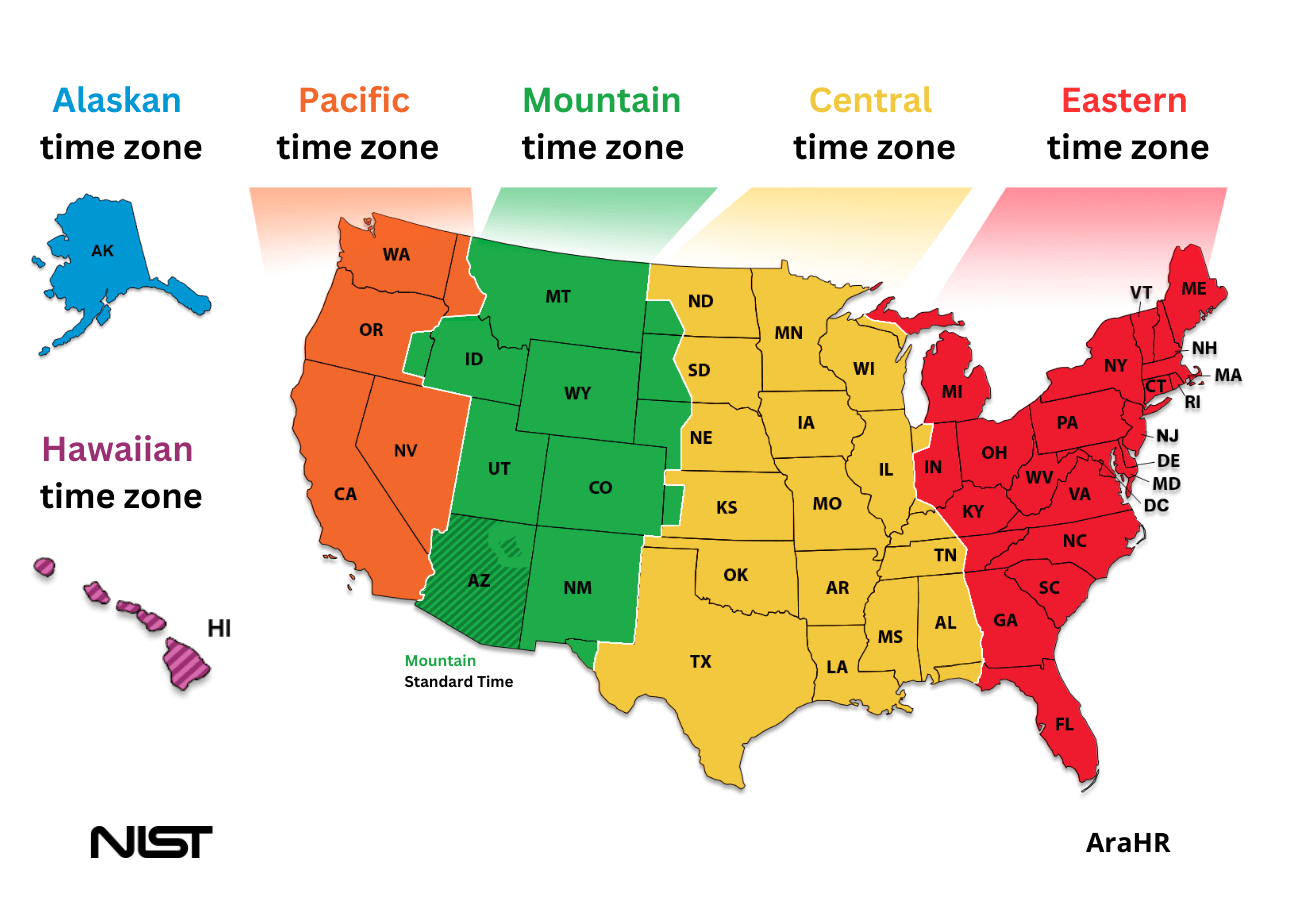
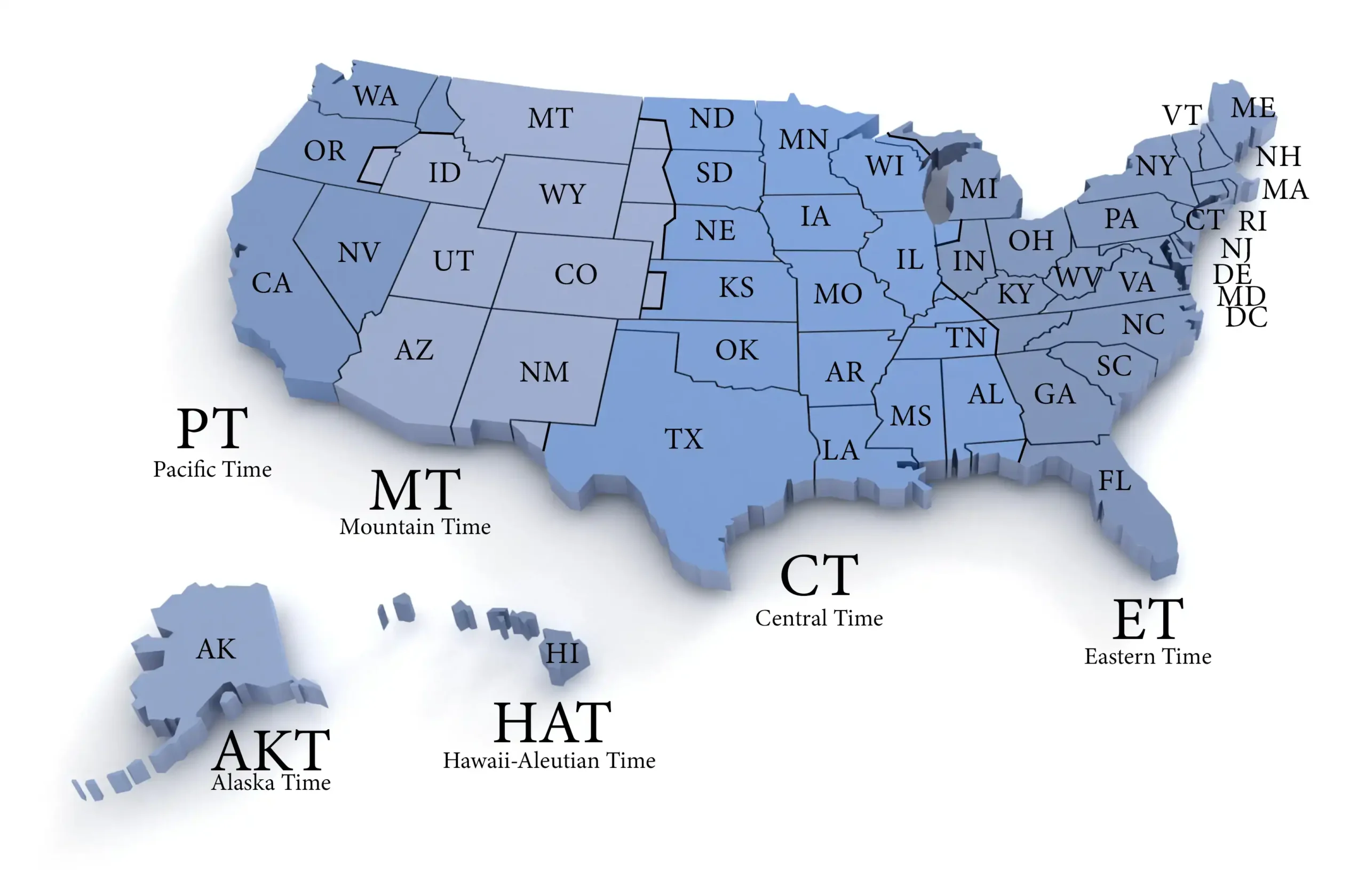
To fully grasp Las Vegas’s time zone, it helps to understand the broader context of time zones across North America. The continental United States alone is divided into six primary time zones, not including its territories, with Canada and Mexico following similar divisions. These zones are:
- Eastern Time Zone (ET): Covering the eastern seaboard and states like New York and Florida.
- Central Time Zone (CT): Spanning the central United States.
- Mountain Time Zone (MT): Encompassing states in the Rocky Mountains region.
- Pacific Time Zone (PT): Where Las Vegas resides, along with coastal states like California, Oregon, and Washington, and parts of Idaho.
- Alaska Time Zone (AKT): For the state of Alaska.
- Hawaii-Aleutian Time Zone (HAT): For Hawaii and the westernmost Aleutian Islands.
Each time zone represents a one-hour difference from its neighbor, moving westward. Therefore, Las Vegas is three hours behind New York (ET) and two hours behind Chicago (CT). This differential is crucial for travelers, particularly those flying in from different parts of the country or internationally. Adjusting to the local time can be a significant factor in how quickly one settles into their vacation or business trip, affecting everything from sleep patterns to meal times and meeting schedules.
Pacific Standard Time vs. Pacific Daylight Time
The distinction between Pacific Standard Time (PST) and Pacific Daylight Time (PDT) is important for visitors to Las Vegas. The United States observes Daylight Saving Time, which means clocks are adjusted forward by one hour in the spring and back by one hour in the fall.
- Pacific Standard Time (PST): Observed from the first Sunday in November to the second Sunday in March. During this period, Las Vegas is UTC-8 (Coordinated Universal Time minus 8 hours).
- Pacific Daylight Time (PDT): Observed from the second Sunday in March to the first Sunday in November. Clocks are moved forward an hour, making Las Vegas UTC-7.
Most of Arizona is a notable exception to Daylight Saving Time and remains on Mountain Standard Time (MST) year-round. This can be a point of confusion for travelers planning day trips from Las Vegas to Arizona attractions like the Grand Canyon, as the time difference will vary depending on the time of year. For instance, during PDT, Las Vegas is one hour behind much of Arizona. During PST, both are on the same time. Always double-check local times, especially when crossing state lines.
The Las Vegas Time Zone Experience for Travelers
The fact that Las Vegas is in the Pacific Time Zone has a profound impact on the entire travel experience. From optimizing your energy levels to synchronizing with showtimes and reservations, understanding the local clock is paramount for an enjoyable trip. Las Vegas is a city designed to keep you entertained around the clock, and its PST/PDT location influences how you interact with its vibrant local culture, food, and vast array of attractions.
Planning Your Las Vegas Itinerary
When crafting your Las Vegas itinerary, factoring in the Pacific Time Zone is essential. For those arriving from the Eastern Time Zone, the three-hour time difference can lead to significant jet lag. Early morning flights might feel like midday departures, and late-night shows can stretch into what feels like the early hours of the morning back home.

- Flight Schedules: Be mindful of departure and arrival times. A flight arriving at 3 PM PST might feel like 6 PM to someone from the east, eating into the first evening’s plans.
- Show Times and Reservations: Las Vegas is famous for its world-class entertainment, from Cirque du Soleil shows to headliner concerts. All scheduled times will be in PST/PDT. Confirming these against your internal clock is vital to avoid missing out. Similarly, restaurant reservations, spa appointments, and tour departures are all set to local time.
- Business Travel: For those on business stays, coordinating meetings with colleagues in different time zones requires careful planning. An 8 AM meeting in Las Vegas means 11 AM in New York, impacting response times and collaboration.
Smart travelers often schedule a lighter first day to allow for adjustment, especially if coming from afar. Staying hydrated, getting some natural sunlight, and trying to adapt to the local sleep schedule quickly are common tips for minimizing jet lag.
Navigating Accommodation and Attractions
The 24/7 nature of Las Vegas hotels and resorts means that even in the middle of the night, there’s typically something happening. This unique aspect is intertwined with the city’s time zone.
- Hotels and Resorts: Check-in and check-out times are always in local PST/PDT. If you arrive early after a cross-country flight, consider pre-booking an extra night or arranging for early check-in. Hotels like the Bellagio, Caesars Palace, The Venetian Resort, MGM Grand, or Wynn Las Vegas offer an array of suites and amenities that you’ll want to enjoy at their optimal times.
- Attractions: Many of Las Vegas’s iconic attractions have specific operating hours. For instance, the famous Fremont Street Experience light show, the Mirage Volcano eruptions, or the observation deck at The Strat operate on scheduled times, all dictated by the Pacific Time Zone. Even the free attractions require proper time management.
- Dining and Nightlife: While many casinos and bars operate 24/7, specific restaurants and clubs have strict opening and closing times. Planning your culinary experiences and nightlife adventures requires adherence to the local clock.
For those considering long-term stays in Las Vegas, understanding the local time becomes second nature, allowing for seamless integration into the daily rhythm of the city. Whether you’re comparing apartments or villas or simply booking a weekend getaway, the time zone is a foundational piece of information.
Beyond the Strip: Time Zone Considerations for Day Trips
Las Vegas serves as an excellent base for exploring a variety of stunning landmarks and natural wonders. However, some of these popular day trip destinations can involve crossing time zone boundaries or encountering areas with unique timekeeping rules.
- Grand Canyon: A top day trip from Las Vegas, the Grand Canyon National Park’s South Rim is primarily in Arizona. As mentioned, most of Arizona does not observe Daylight Saving Time. During PDT (spring/summer), Las Vegas is one hour behind the Grand Canyon. This means if you leave Las Vegas at 7 AM PDT, you’ll arrive at the Grand Canyon around 11 AM local time (which is effectively 10 AM PDT + 1 hour). This can affect tour timings and the amount of daylight you have for exploration. The West Rim, often visited for the Skywalk, is closer and generally remains on Pacific Time. Always confirm the local time at your specific Grand Canyon destination.
- Hoover Dam: Located on the border of Nevada and Arizona, the Hoover Dam is a unique case. The Nevada side of the dam is in the Pacific Time Zone, while the Arizona side observes Mountain Standard Time year-round. This means standing in the middle of the dam can literally put you in two different time zones! Tour times for the dam itself are usually advertised in Pacific Time.
- Other Nevada Attractions: Red Rock Canyon, Valley of Fire State Park, Lake Mead, Mount Charleston, Boulder City, Henderson, and Summerlin are all within Nevada and thus observe Pacific Time Zone, making planning straightforward.
- Death Valley National Park: Spanning parts of California and Nevada, Death Valley also adheres to the Pacific Time Zone, making it a seamless transition from Las Vegas for a day trip.
- California Destinations: For those considering longer trips to Los Angeles, San Francisco, or San Diego, or even attractions like Disneyland or Universal Studios Hollywood, these cities are also in the Pacific Time Zone, ensuring no time change is needed.
For travel guides and specific attractions, always verify opening hours and tour departure times in local Las Vegas time to avoid any miscalculations. Utilizing reliable mapping applications that automatically adjust for time zones is a smart strategy for any road trip.
Conquering Jet Lag and Maximizing Your Las Vegas Lifestyle
Jet lag can significantly impact your ability to enjoy the full Las Vegas lifestyle, especially given its reputation as a 24-hour city. Whether you’re indulging in luxury travel, sticking to a budget travel plan, or navigating a family trip, understanding and mitigating the effects of time zone changes will enhance your experiences.
- Gradual Adjustment: If possible, try to adjust your sleep schedule a few days before your trip. For example, if traveling from the east coast, try going to bed and waking up an hour earlier each day.
- Hydration and Light: Drink plenty of water and limit caffeine and alcohol on your travel day and first day in Las Vegas. Seek out natural light upon arrival, which helps reset your circadian rhythm. Take a walk on The Strip or by a hotel pool.
- Strategize Sleep: While the temptation in Las Vegas is to stay up late, try to stick to a relatively normal sleep schedule for the first night or two. Hotels offer comfortable suites perfect for catching up on rest.
- Embrace the Energy: Las Vegas is built on energy. If you find yourself waking up early due to the time change, use it to your advantage! Enjoy a peaceful morning exploring a less crowded attraction, grabbing an early breakfast, or hitting the gym at your resort before the crowds descend.
- Communication: Keep family, friends, or business associates aware of the Pacific Time Zone difference when communicating from Las Vegas. This is especially true for international calls or virtual meetings.
For tourism operators and accommodation providers, clear communication of times is critical. When browsing booking sites, reading reviews, or using comparison tools, always confirm that any specified times are local to Las Vegas. Many online platforms automatically adjust to your current time zone, but a manual check never hurts, especially for critical appointments. Whether you’re planning a trip focused on famous places, historical architecture, or the vibrant nature surrounding the city, being time-savvy is a fundamental tip for any visitor.
In conclusion, Las Vegas is firmly planted in the Pacific Time Zone, transitioning between PST and PDT with Daylight Saving Time observations. This isn’t just a technical detail; it’s a foundational piece of information that shapes how you plan, experience, and enjoy everything this dynamic destination has to offer. By understanding and accounting for the time zone, travelers can ensure a smooth arrival, seamless scheduling of activities and experiences, and ultimately, a more memorable and stress-free journey into the heart of Nevada’s entertainment capital.
LifeOutOfTheBox is a participant in the Amazon Services LLC Associates Program, an affiliate advertising program designed to provide a means for sites to earn advertising fees by advertising and linking to Amazon.com. Amazon, the Amazon logo, AmazonSupply, and the AmazonSupply logo are trademarks of Amazon.com, Inc. or its affiliates. As an Amazon Associate we earn affiliate commissions from qualifying purchases.