
Texas, a state renowned for its expansive landscapes and vibrant culture, often conjures images of scorching summers and sun-drenched plains. However, the Lone Star State also experiences a distinct, and often surprisingly chilly, winter season. For travelers planning a visit, understanding the nuances of when and where Texas gets cold is crucial for curating the perfect itinerary, whether you’re seeking outdoor adventures, cozy city breaks, or a taste of local traditions. This guide delves into the seasonal shifts, regional variations, and the typical weather patterns that define a Texan winter, ensuring your trip is met with pleasant temperatures and memorable experiences.
Understanding Texas’s Winter Climate
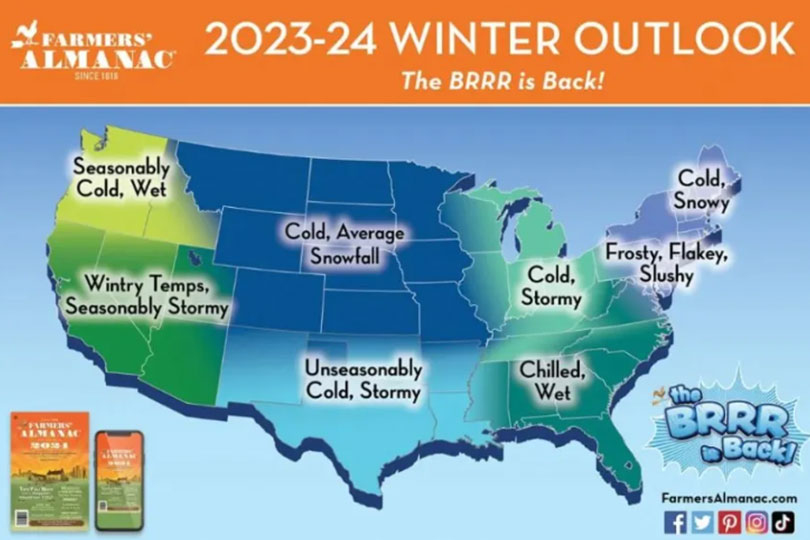
Texas is a vast state, and its climate is far from uniform. The sheer scale of Texas means that “cold” can manifest very differently from its northern borders to its southern tip.
The Arrival of Autumn and Early Winter
While the calendar might mark September 22nd or 23rd as the autumnal equinox, the true feeling of “fall” in Texas often arrives later, typically in mid-October. This is when the oppressive heat of summer begins to recede, and cooler air masses start to make their presence felt. Nights become noticeably crisper, and the daytime temperatures begin to moderate, making it an ideal time for outdoor activities across much of the state.
By November, the transition to winter is well underway. While “cold” might be a relative term, particularly in comparison to states further north, Texas can certainly experience significant temperature drops during this month. Early morning frosts become more common, and daytime highs can hover in the 50s and 60s Fahrenheit across many populated areas. For those accustomed to milder climates, this is the period when packing a sweater or light jacket becomes essential.
The Depth of Winter: December to February
The most consistent cold weather in Texas typically occurs from December through February. This is when the state is most susceptible to cold fronts originating from the Arctic. These fronts can bring sharp declines in temperature, sometimes accompanied by freezing rain or even snow, particularly in the northern and western parts of the state.
Northern Texas: Cities like Dallas and Fort Worth experience the most pronounced winter conditions. Average December highs in these regions can range from the mid-50s to low 60s Fahrenheit, with overnight lows frequently dipping into the 30s and 40s. Freezing temperatures are not uncommon, and occasional snow showers can blanket the landscape. The Texas Panhandle, including cities like Amarillo, experiences even colder temperatures, with snow being a more regular occurrence.
Central and South Texas: As you move south, the winters become considerably milder. Austin, the state capital, and San Antonio generally see average December highs in the 60s Fahrenheit, with nighttime lows typically in the 40s. While freezing temperatures can occur, they are less frequent and less prolonged than in the northern regions.
Coastal Texas: The Gulf Coast, including cities like Houston and Galveston, enjoys the mildest winters. Average daytime temperatures in December and January often remain in the 60s Fahrenheit, with nights rarely dropping below the 50s. Frost is uncommon, and snow is an exceptionally rare event.
Factors Influencing Texas’s Cold Spells
Several meteorological factors contribute to the timing and intensity of cold weather in Texas.
The Role of Arctic Air Masses

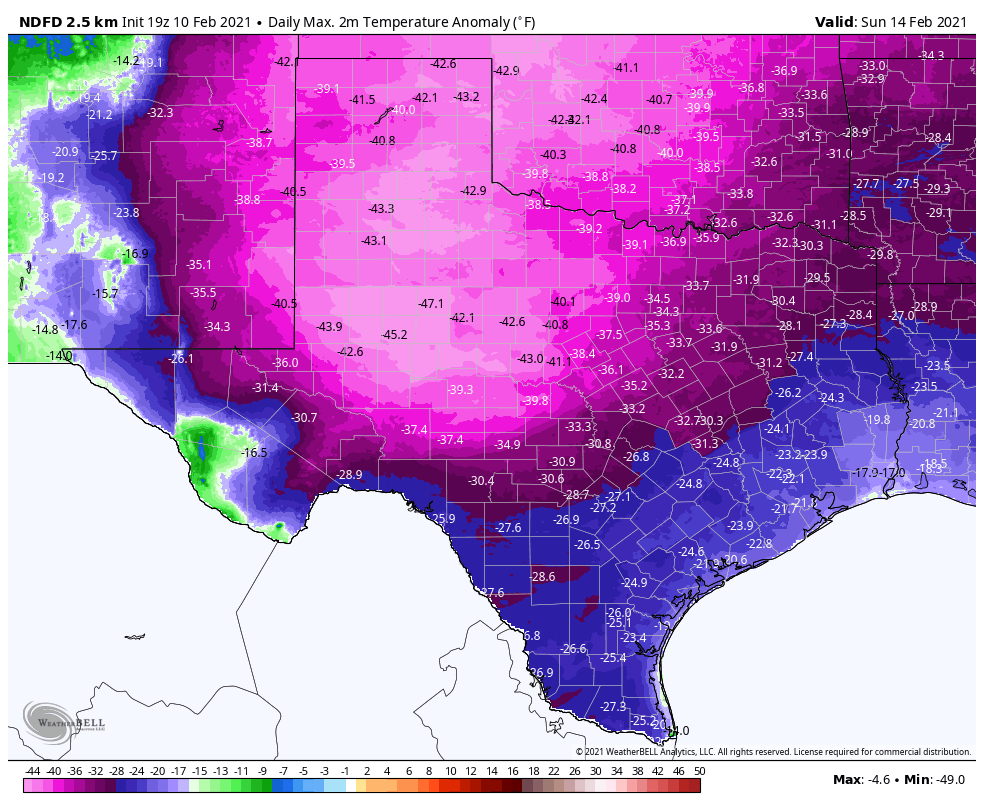
The most significant driver of cold weather in Texas is the intrusion of Arctic air masses. These frigid air masses originate in the high latitudes of Canada and Alaska and can sweep southward into the United States. When these fronts penetrate Texas, they bring with them significantly lower temperatures, drier air, and often strong, gusty winds. The frequency and strength of these fronts vary from year to year, contributing to the unpredictability of individual winters.
The impact of these cold fronts is most keenly felt in North Texas, which is more exposed to these southerly pushes of cold air. South Texas, with its proximity to the Gulf of Mexico, often acts as a buffer, moderating the impact of these fronts, although even the southern parts of the state can experience brief periods of unseasonably cold weather.
The Influence of the Gulf of Mexico
The Gulf of Mexico plays a dual role in Texas’s winter climate. On one hand, its warm waters can help moderate the temperatures along the coast, preventing the extreme cold seen in inland areas. On the other hand, when cold air masses collide with moist air from the Gulf, it can create conditions for precipitation, which, if temperatures are low enough, can manifest as freezing rain or snow. This phenomenon is particularly relevant for the eastern and northern parts of the state.
El Niño and La Niña Oscillations
The El Niño-Southern Oscillation (ENSO) phenomenon, comprising El Niño and La Niña phases, can also influence Texas winter weather patterns. During El Niño years, the jet stream tends to shift southward, increasing the likelihood of colder and wetter conditions across Texas. Conversely, La Niña years are often associated with warmer and drier conditions, though this is not a guaranteed outcome and other atmospheric factors can override these general trends.
Preparing for Cold Weather in Texas
Knowing when Texas gets cold is only half the battle; preparing for it is essential for a comfortable and enjoyable experience.
Packing Essentials for a Texan Winter
When planning a trip to Texas during the cooler months, packing appropriately is key. Even in areas that are generally mild, a sudden cold snap can occur.
- Layers are your friend: The ability to add or remove clothing is crucial. Start with a base layer of thermal wear, add a mid-layer like a fleece or sweater, and finish with an outer layer that is windproof and water-resistant.
- Outerwear: A medium-weight jacket or coat is advisable for most of Texas. For the northern parts of the state, a warmer, insulated jacket might be necessary, especially for early morning or late evening excursions.
- Accessories: Don’t forget a warm hat, gloves, and a scarf, particularly if you plan to be outdoors for extended periods. These items make a significant difference in maintaining comfort during cold spells.
- Footwear: Waterproof and insulated boots are a good choice, especially if there’s a chance of rain or snow. Comfortable walking shoes are always a good idea for exploring cities like Austin or San Antonio.
Embracing Winter Activities in Texas
Despite the cooler temperatures, winter in Texas offers unique opportunities for exploration and enjoyment.
- The Big Bend National Park: For nature enthusiasts, the vastness of Big Bend National Park offers a stunning landscape that is particularly beautiful in the cooler months. Hiking trails are more accessible without the extreme summer heat, and the clear winter skies are perfect for stargazing.
- Hill Country Charm: The Texas Hill Country, with its charming towns like Fredericksburg, becomes a cozy retreat. Enjoy wine tasting at local vineyards, explore boutique shops, and savor hearty meals at local restaurants. The rolling hills can be particularly picturesque with a dusting of frost.
- City Exploration: Major cities like Dallas, Houston, and San Antonio offer a wealth of indoor activities. Museums, art galleries, theaters, and a diverse culinary scene provide ample opportunities for entertainment without being exposed to the elements for too long. Consider visiting the Alamo in San Antonio or the Perot Museum of Nature and Science in Dallas.
- Winter Festivals and Events: Many Texas towns and cities host winter festivals, holiday markets, and light displays that are a delight to experience. Check local event listings for happenings during your visit.
Staying Informed About Weather Forecasts
Given the potential for rapid weather changes, staying informed about the latest forecasts is crucial. Monitor local news and weather reports, especially if you are traveling during the months of December, January, or February. This will allow you to adjust your plans accordingly and ensure your safety and comfort throughout your Texan adventure. Many travel apps also provide real-time weather updates for specific locations.
LifeOutOfTheBox is a participant in the Amazon Services LLC Associates Program, an affiliate advertising program designed to provide a means for sites to earn advertising fees by advertising and linking to Amazon.com. Amazon, the Amazon logo, AmazonSupply, and the AmazonSupply logo are trademarks of Amazon.com, Inc. or its affiliates. As an Amazon Associate we earn affiliate commissions from qualifying purchases.