
The Rapper’s Deep Roots in the Crescent City
The question of an artist’s origins often goes hand-in-hand with understanding their creative output. For Lil Wayne, a pivotal figure in modern hip-hop, his connection to New Orleans is not merely biographical; it’s intrinsically woven into the fabric of his music, his persona, and his enduring legacy. To explore whether Lil Wayne is from New Orleans is to delve into a rich tapestry of local culture, musical innovation, and the unique spirit of the Crescent City.
Early Life and the Ninth Ward Influence
Dwayne Michael Carter Jr., known globally as Lil Wayne, was born and raised in New Orleans. Specifically, his upbringing was rooted in the Hollygrove neighborhood, a part of the city often associated with the broader Ninth Ward. This area, while facing significant socio-economic challenges, has also been a fertile ground for artistic expression and resilience. The sounds, sights, and struggles of Hollygrove and the surrounding Ninth Ward became an indelible part of Lil Wayne‘s formative experiences.

The distinctive dialect, the rhythm of daily life, the pervasive influence of jazz and blues, and the vibrant, often complex, social landscape of New Orleans undoubtedly shaped his early artistic sensibilities. These elements are not just background noise in his music; they are foreground themes, contributing to the raw authenticity and distinctive flow that would come to define his career. The grit and determination often associated with the city’s spirit are palpable in his early work, signaling a profound connection to his birthplace.
The formative years and early aspirations
Even before his meteoric rise to fame, Lil Wayne displayed a precocious talent and an unwavering ambition. His early exposure to the music scene in New Orleans, a city with a storied history in American music, provided a unique incubator for his burgeoning skills. The local music clubs, the street cyphers, and the collaborative spirit among young artists likely played a crucial role in honing his lyrical prowess and stage presence.
The challenges of growing up in a less affluent part of New Orleans also served as a powerful motivator. The desire to transcend his circumstances and provide for his family became a driving force, fueling his relentless work ethic and his dedication to his craft. This narrative of overcoming adversity is a common thread in the stories of many artists from the city, and Lil Wayne‘s journey is a prime example.
Musical Style and New Orleans’ Cultural Imprint
New Orleans is a city that breathes music. From the traditional brass bands parading through the French Quarter to the contemporary sounds echoing from local studios, the city’s musical heritage is diverse and deeply influential. Lil Wayne‘s music, while firmly rooted in hip-hop, carries unmistakable echoes of this rich sonic landscape.
His signature flow, often described as intricate, unpredictable, and highly conversational, can be seen as a modern interpretation of the storytelling traditions found in blues and jazz. The improvisational quality of his delivery, the unexpected turns of phrase, and the way he plays with rhythm and cadence all point to a deep, perhaps even subconscious, assimilation of the musical DNA of his hometown. Furthermore, his lyrical content frequently references New Orleans landmarks, slang, and cultural touchstones, reinforcing his identity as a true son of the city.
The distinctive flow and lyrical themes
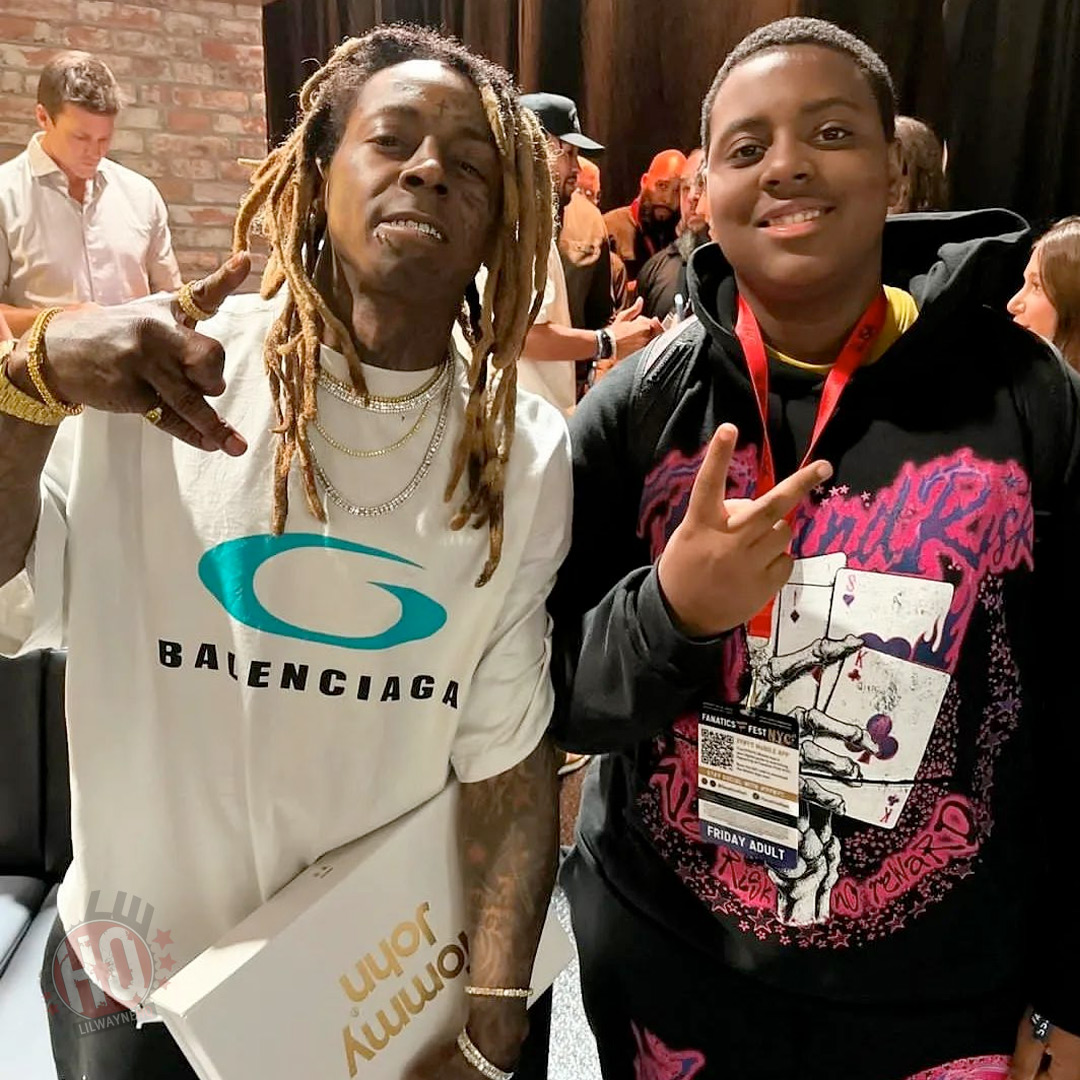
The way Lil Wayne manipulates language, his ability to weave intricate narratives, and his penchant for vivid imagery have often been lauded by critics. This lyrical dexterity can be traced back to the vibrant oral traditions of New Orleans, a city where storytelling is an art form passed down through generations. The cadences of Creole speech, the rhythmic patois of the streets, and the lyrical dexterity of local musicians have all, in some way, informed his unique vocal stylings.
His early career, particularly his work with Cash Money Records, established a sound that was distinctly Southern and, more specifically, New Orleans. The incorporation of bounce music elements, the use of local slang, and the unapologetic celebration of his origins cemented his identity as a representative voice for the city. Even as his fame grew and his music evolved, the spirit of New Orleans remained a constant, a bedrock upon which his artistic empire was built.
Landmarks and Cultural Icons: A Deep Connection
The landmarks and cultural icons of New Orleans are more than just geographical markers for Lil Wayne; they are the backdrop to his life, the inspiration for his art, and the symbols of his identity. From the iconic streets of the French Quarter to the more humble, yet equally significant, neighborhoods where he grew up, the city’s landscape is a constant presence in his work.
References to places like Canal Street, the Superdome, and specific neighborhoods are not mere name-drops; they are imbued with personal significance and cultural resonance. These references serve to ground his music in a tangible reality, connecting his personal narrative to the broader story of New Orleans. For fans, these allusions create a deeper appreciation for both the artist and the city that shaped him.
The significance of local references in his discography
The presence of New Orleans in Lil Wayne‘s discography is a testament to the enduring power of place in artistic creation. His lyrics often paint vivid pictures of life in the city, capturing its unique energy, its challenges, and its resilience. This authenticity has resonated with audiences far beyond the borders of Louisiana, introducing many to the culture and spirit of New Orleans through his music.
He has spoken openly about how the city’s unique atmosphere, its history of artistic innovation, and its vibrant street culture have directly influenced his creative process. The jazz funerals, the second-line parades, the diverse musical genres that coexist in New Orleans – all these elements have, in their own way, contributed to the rich and multifaceted sound of Lil Wayne. His connection to New Orleans is not just a matter of birth; it is a profound cultural and artistic symbiosis.
Beyond the Music: Philanthropy and Community
Lil Wayne‘s connection to New Orleans extends beyond his musical contributions. He has been a vocal advocate for the city and has engaged in various philanthropic efforts aimed at supporting its communities. This commitment underscores his deep-seated loyalty and his understanding of the importance of giving back to the place that nurtured him.
His involvement in post-Hurricane Katrina recovery efforts, for instance, highlighted his dedication to the well-being of New Orleans residents. These actions, often undertaken with a characteristic lack of fanfare, speak volumes about his genuine connection to the city and its people. It demonstrates that his roots in New Orleans are not just about where he came from, but also about where his heart and his commitment lie.
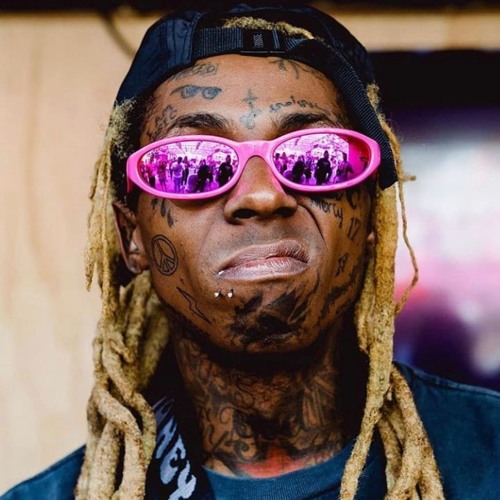
The impact of his advocacy and support
Through his actions and his public platform, Lil Wayne has often drawn attention to the needs and the spirit of New Orleans. He has used his influence to advocate for local causes, support young aspiring artists, and generally promote the unique cultural heritage of his hometown. This engagement solidifies his status not just as a musical icon, but as a cultural ambassador for New Orleans.
His story serves as an inspiration, demonstrating how an artist can remain deeply connected to their origins while achieving global recognition. The success of Lil Wayne is, in many ways, a testament to the enduring power and cultural richness of New Orleans, a city that continues to produce groundbreaking talent and shape the global cultural landscape. Therefore, to ask if Lil Wayne is from New Orleans is to confirm an undeniable truth: he is not just from New Orleans; he is New Orleans, in spirit, in sound, and in legacy.
LifeOutOfTheBox is a participant in the Amazon Services LLC Associates Program, an affiliate advertising program designed to provide a means for sites to earn advertising fees by advertising and linking to Amazon.com. Amazon, the Amazon logo, AmazonSupply, and the AmazonSupply logo are trademarks of Amazon.com, Inc. or its affiliates. As an Amazon Associate we earn affiliate commissions from qualifying purchases.