
Navigating the educational calendar in California is a crucial piece of information for families, students, and anyone planning activities around the academic year. While the exact end date can fluctuate slightly year to year and even between school districts, understanding the general framework and influencing factors is key. This guide delves into the typical high school graduation timelines in the Golden State, offering insights for those planning summer vacations, college applications, or simply seeking to understand the rhythm of academic life.
The Standard Academic Calendar
In California, the academic year for most public and private high schools typically begins in late August or early September and concludes in late May or early June. This structure aligns with a traditional two-semester system, allowing for a substantial summer break. The specific final day is determined by the school district, often based on the total number of instructional days required by the state and the district’s calendar.

Key Milestones and Dates
- Last Day of Classes: This is the official end of regular instruction. It usually falls on a weekday, often a Friday, to allow for a smooth transition into summer break.
- Graduation Ceremonies: While classes may conclude earlier, graduation ceremonies are often held a few days or even a week after the final day of instruction. These ceremonies are significant events, marking the official transition for graduating seniors. They can be scheduled on weekdays or weekends, depending on the school’s preference and venue availability.
- Final Exams: Final exams typically take place in the week leading up to the end of the semester or school year. Students often have a lighter class schedule during this period as they focus on assessments.
Factors Influencing the End Date
Several factors contribute to the precise end date of the academic year in California:
- State Mandated Instructional Days: The California Department of Education mandates a minimum number of instructional days per school year, typically around 175 days. School districts must ensure they meet this requirement.
- District Calendar Decisions: Each school district has the autonomy to set its own calendar, including start and end dates. These decisions are often made collaboratively with input from teachers, parents, and administrators. Considerations like professional development days for teachers, winter breaks, and spring breaks can influence when the academic year begins and concludes.
- Year-Round Schooling Models: While less common for traditional high schools, some districts may explore or implement year-round schooling schedules. These models often involve shorter, more frequent breaks throughout the year, rather than one long summer vacation. However, the fundamental end of a senior’s academic requirements still typically aligns with the conclusion of the final semester or academic period.
- Local Holidays and Observances: While federal and state holidays are generally accounted for, local observances or specific community needs can sometimes lead to minor adjustments in the school calendar.
Graduation: A Culmination of Academic Endeavor
Graduation is the definitive marker of high school completion in California. This momentous occasion signifies the successful fulfillment of academic requirements and the transition to the next phase of life, whether that be higher education, vocational training, or entering the workforce.
The Graduation Ceremony
The graduation ceremony itself is more than just a formality; it’s a celebration of achievement. These events are often held in school gymnasiums, auditoriums, or larger off-site venues like community centers or stadiums, depending on the size of the graduating class. Families and friends gather to witness students receive their diplomas, often adorned in traditional caps and gowns. The atmosphere is typically one of pride, excitement, and a touch of nostalgia.
Diploma Issuance
While the ceremony is a symbolic event, the official issuance of the high school diploma usually occurs shortly after the final academic requirements have been met and all grades have been finalized. Some schools may distribute diplomas on the day of graduation, while others may mail them or require students to pick them up in person from the school office in the days following.
Planning Around the End of High School
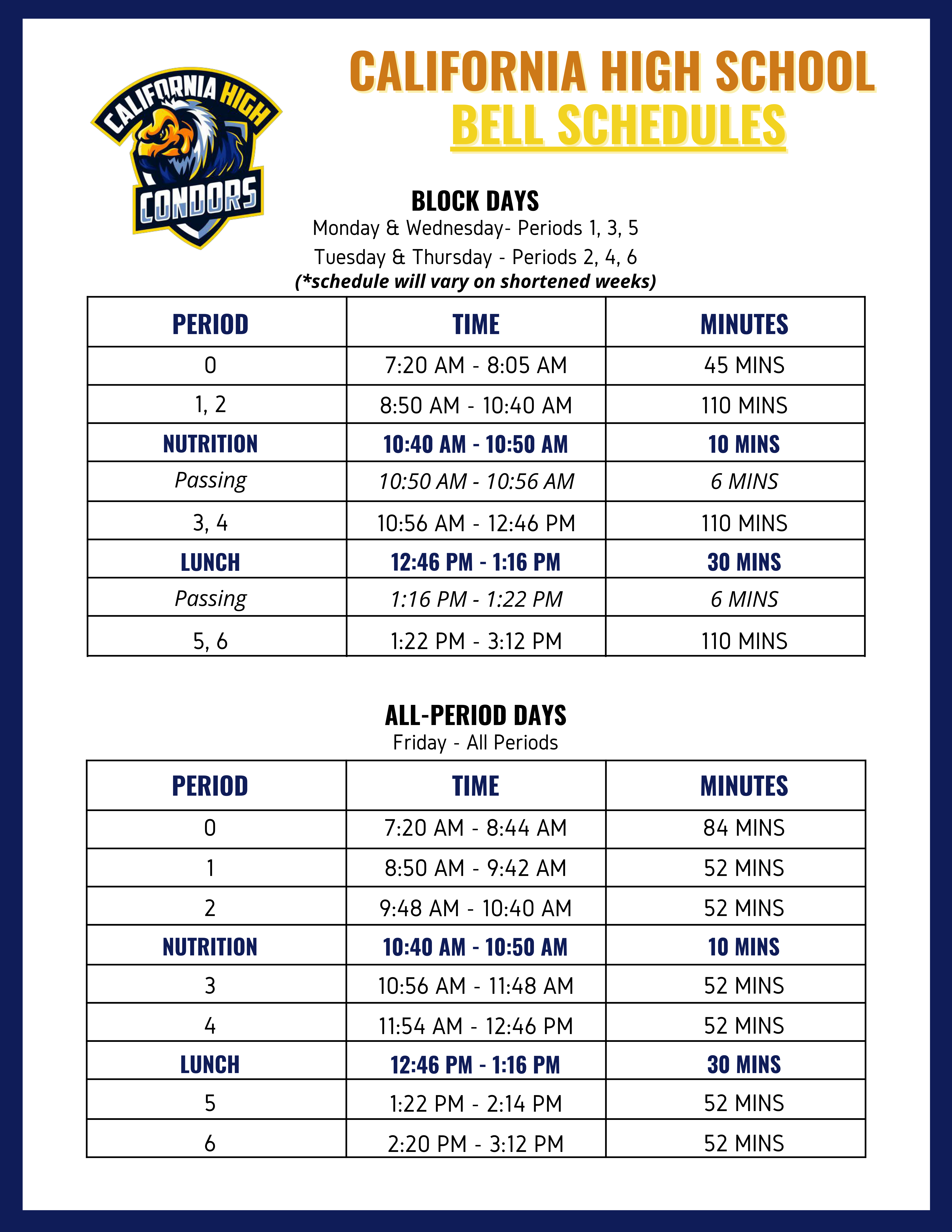
For families with graduating seniors, understanding the end-of-year timeline is critical for a variety of planning purposes.
Summer Break and Travel
The extended summer break offers a prime opportunity for families to embark on vacations. Knowing the exact end date of high school allows for booking travel arrangements with confidence, whether it’s a road trip to the Grand Canyon, a beach getaway to Santa Monica, or an international adventure. Many families prefer to travel immediately after graduation to fully enjoy the freedom before the next chapter begins.
College and University Transitions
For students heading to college or university in the fall, the end of high school marks the beginning of a crucial transition period. Many universities have orientation programs, housing move-ins, and registration deadlines that are tightly scheduled around the summer months. Knowing when high school officially concludes helps students and their families manage these important logistical steps. For instance, students applying to University of California, Berkeley or Stanford University will need to ensure all final transcripts and records are submitted promptly.
Employment and Internships
Some graduating seniors may seek employment or internships during the summer months. The end of the academic year provides a clear window for them to begin these pursuits, gaining valuable experience and earning income before starting their post-high school endeavors.
Variations and Special Cases
While the general timeline holds true for most, there are always variations and special cases to consider.
Independent Study Programs and Charter Schools
Schools that operate on alternative schedules, such as some independent study programs or charter schools, might have slightly different end dates. These institutions often offer more flexibility in their academic calendars, catering to students with unique needs or learning styles. It is always advisable to check the specific academic calendar of the school in question.
Adult Education and Alternative High Schools
For adults seeking to complete their high school education or individuals attending alternative high school programs, the end dates may also differ. These programs are often designed to accommodate working adults or those who may have had disruptions in their earlier educational journeys. Their schedules can be more varied, with some offering continuous enrollment or accelerated programs.
Community College and Concurrent Enrollment
Students who participate in concurrent enrollment programs, earning college credits while still in high school, may find that their high school end date is distinct from the completion of their college courses. College semesters often follow a slightly different calendar, and it’s important for these students to be aware of both timelines. For example, a student taking courses at Santa Monica College might have a different academic finish line than their high school graduation date.
Conclusion: A Predictable Rhythm
In California, the end of high school is a well-defined period, generally concluding in late May or early June. This predictable rhythm allows for effective planning for families, students, and educators alike. Whether you’re a parent looking to book that long-awaited family trip to Disneyland, a student preparing for the next academic adventure, or simply curious about the state’s educational cycle, understanding these timelines ensures a smoother transition and a well-orchestrated conclusion to the high school journey. Always confirm the specific end date with the individual school or district for the most accurate information.
LifeOutOfTheBox is a participant in the Amazon Services LLC Associates Program, an affiliate advertising program designed to provide a means for sites to earn advertising fees by advertising and linking to Amazon.com. Amazon, the Amazon logo, AmazonSupply, and the AmazonSupply logo are trademarks of Amazon.com, Inc. or its affiliates. As an Amazon Associate we earn affiliate commissions from qualifying purchases.