
In an increasingly interconnected world, where global travel and diverse cultural experiences are highly sought after, understanding the unique identity and policies of a destination is crucial for any traveler. One term that often arises in discussions about major metropolitan areas in the United States is “sanctuary city.” For a city as globally significant and culturally rich as Los Angeles, the question, “Is Los Angeles a Sanctuary City?” delves deep into its civic values, public safety approaches, and the very fabric of its vibrant communities. This status has profound implications not just for its residents, but also for the millions of visitors who flock to the City of Angels each year, influencing everything from local culture and experiences to the perception of safety and welcome.
This article will explore what “sanctuary city” status truly means, confirm Los Angeles’s position within this framework, and discuss how these policies intertwine with the city’s appeal as a premier travel destination, impacting local culture, tourism, accommodation, and the overall lifestyle it offers.
Defining the “Sanctuary” Status: What Does It Mean?
The term “Sanctuary City” often sparks debate and carries varied interpretations. At its core, it refers to a municipal policy adopted by cities, counties, or states in the United States that limits their cooperation with federal immigration enforcement agencies. These policies are designed to foster trust between immigrant communities and local law enforcement, ensuring that residents feel safe reporting crimes or seeking assistance without fear of deportation based solely on their immigration status. It’s a localized approach to public safety and community integration, distinct from federal immigration law.
The Core Principles of Sanctuary Cities
The fundamental principle behind a Sanctuary City is to differentiate between local law enforcement’s role in maintaining public safety and the federal government’s role in enforcing immigration laws. Key characteristics of such policies typically include:
- Non-Cooperation with ICE Detainers: Local law enforcement agencies usually decline requests from U.S. Immigration and Customs Enforcement (ICE) to hold individuals beyond their release date without a judicial warrant. This means that if someone is arrested for a local crime and ICE issues a detainer (a request to hold them for up to 48 hours for transfer to federal custody), the local agency may not honor it unless a judge has signed off on it.
- Prohibition on Inquiring About Immigration Status: Many sanctuary city policies prohibit local police officers from asking about a person’s immigration status during routine interactions, such as traffic stops or investigations, unless it is directly relevant to a criminal investigation.
- Focus on Community Trust: Proponents argue that these policies enhance public safety for everyone. When immigrants, regardless of status, are not afraid of interacting with police, they are more likely to report crimes, act as witnesses, and participate in community affairs. This helps law enforcement solve crimes and prevents communities from becoming isolated.
- Access to Public Services: In many sanctuary cities, local services like healthcare, education, and housing assistance are made available to all residents, irrespective of their immigration status, further integrating them into the community.
It’s important to clarify what a Sanctuary City is not. It does not mean the city harbors criminals or exempts individuals from federal immigration laws. It also does not grant immunity from deportation. Federal immigration authorities still operate within these cities and can carry out enforcement actions. The distinction lies in the local government’s active participation or non-cooperation.
A Brief History of Sanctuary Movements in the United States
The concept of sanctuary has roots stretching back centuries, offering refuge to those fleeing persecution. In the modern United States, the sanctuary city movement gained prominence in the 1980s. During this period, religious organizations and cities began offering refuge to Central American refugees fleeing civil wars, often in defiance of federal policies that largely denied asylum to these individuals. Cities like San Francisco were among the first to formally adopt policies limiting cooperation with federal immigration authorities.
The movement evolved over the decades, gaining new momentum and definitions, particularly in response to shifts in federal immigration enforcement strategies. Today, hundreds of jurisdictions across the United States, including major hubs like New York City, Chicago, and indeed, Los Angeles, have adopted some form of sanctuary policy, reflecting a diverse array of local values and approaches to public safety and community welfare.
Los Angeles’s Official Stance: A City of Welcome
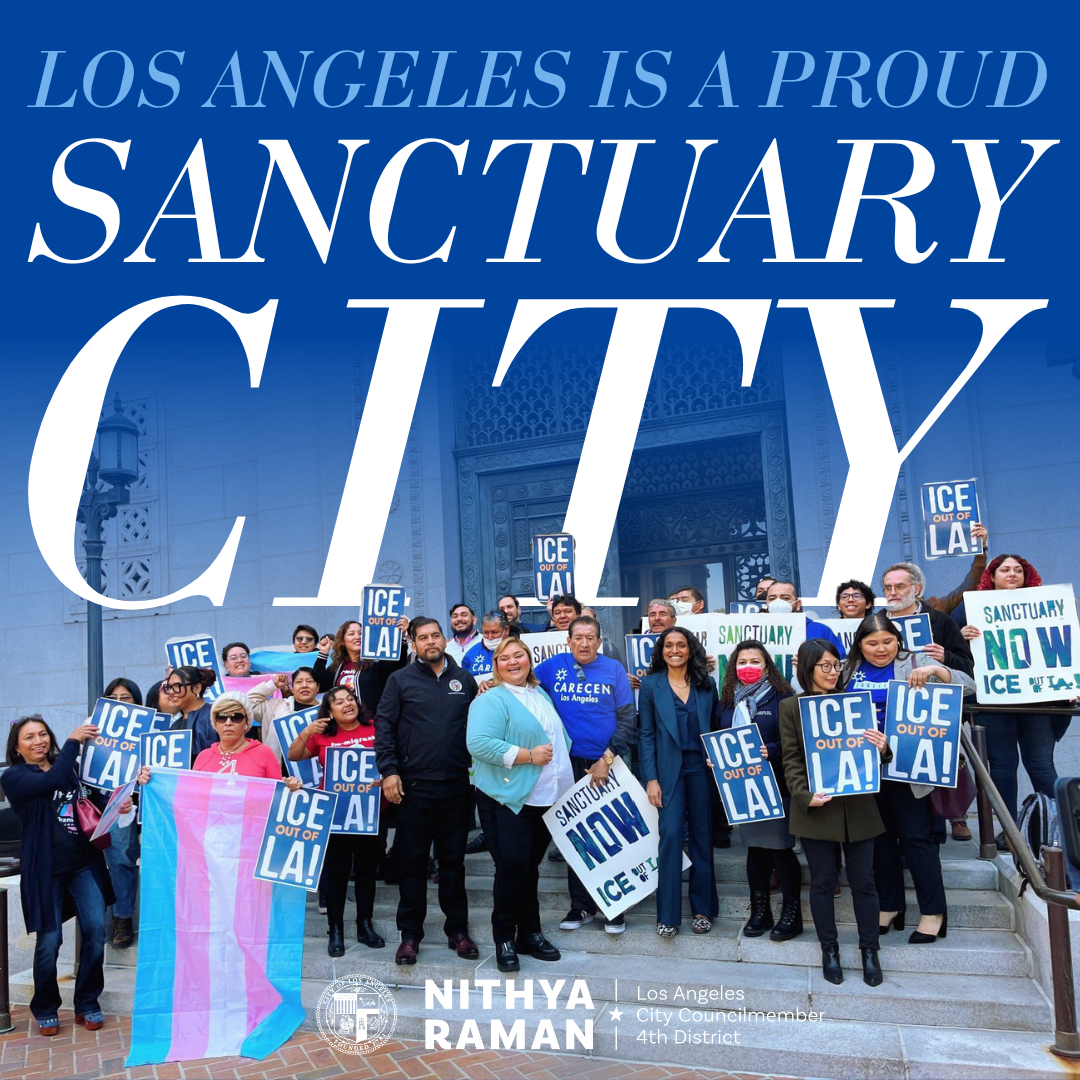
Yes, Los Angeles is officially a Sanctuary City. The city council formally declared Los Angeles a Sanctuary City in 2019, solidifying a long-standing practice of limiting cooperation with federal immigration authorities. This declaration was the culmination of decades of local policies and a broader commitment by the state of California to protect its immigrant communities.
Before the formal declaration, Los Angeles had already implemented various measures that aligned with sanctuary principles. For instance, the Los Angeles Police Department (LAPD) has for years had a Special Order that prohibits officers from initiating contact with individuals solely to determine their immigration status and limits cooperation with ICE on civil immigration detainers. The 2019 resolution, passed by the city council and signed by then-Mayor Eric Garcetti, codified these practices and sent a clear message about the city’s values and priorities.
Key Policies and Protections in Los Angeles
The Sanctuary City status in Los Angeles is backed by several key policies designed to protect immigrant residents and foster trust with local authorities. These include:
- Limited LAPD Cooperation with ICE: The LAPD does not engage in activities that would make it an extension of ICE. This means officers generally do not conduct immigration enforcement, cannot arrest individuals based solely on civil immigration warrants, and will not hold individuals past their release date without a criminal warrant. This policy is critical for encouraging victims and witnesses of crime, regardless of their immigration status, to come forward without fear.
- Access to City Services: Los Angeles aims to ensure all residents have access to essential city services, including public health clinics, libraries, and educational programs, irrespective of their immigration status. This inclusive approach strengthens the community and promotes the well-being of all Angelenos.
- Legal Aid and Support: The city often funds or supports organizations that provide legal aid and resources to immigrants, helping them navigate complex immigration laws and access legal representation. This support network is vital for many vulnerable populations within the city.
These local policies are not simply symbolic; they have tangible impacts on the daily lives of residents and contribute to the overall social environment of the city.
The California Values Act (SB 54) and State-Level Support
Los Angeles’s designation as a Sanctuary City is also reinforced by the broader state policy of California. In 2017, California passed the California Values Act, also known as SB 54, making California a “sanctuary state.” This landmark legislation significantly restricts state and local law enforcement agencies from using their resources to assist federal immigration enforcement, with certain exceptions for violent felonies.
The California Values Act prohibits state and local law enforcement from inquiring about an individual’s immigration status, detaining individuals for ICE without a judicial warrant, or participating in joint operations with federal immigration agents for the purpose of immigration enforcement. This statewide framework provides a robust layer of protection for immigrant communities across California, extending and strengthening the policies adopted by individual cities like Los Angeles. The California Department of Justice has played a key role in upholding and defending this act, further embedding sanctuary principles into the state’s legal and social fabric.
This dual layer of sanctuary protection—both at the municipal and state level—establishes Los Angeles as a leader in creating an inclusive environment for its diverse population.
The Impact on Travel, Tourism, and Lifestyle in the City of Angels
The designation of Los Angeles as a Sanctuary City is more than just a political statement; it’s an integral part of its identity that profoundly influences travel, tourism, and the unique lifestyle experienced by both residents and visitors. For a website focused on destinations, attractions, guides, hotels, and local culture, understanding this aspect is key to appreciating the full spectrum of what Los Angeles has to offer.
Fostering a Diverse and Welcoming Environment for Visitors
One of the most immediate impacts of Los Angeles’s sanctuary status is its contribution to an exceptionally diverse and welcoming environment. The city is a global melting pot, home to people from virtually every country in the world, speaking hundreds of languages. This incredible diversity is not accidental; it is nurtured by policies that embrace inclusion and protect vulnerable populations.
For travelers, this translates into an unparalleled cultural experience. From the vibrant street art of Downtown LA to the authentic international cuisines found in neighborhoods across the city, the diverse population fuels a rich tapestry of local culture, food, and activities. Tourists can explore vibrant enclaves like Little Ethiopia, Koreatown, or Boyle Heights, experiencing genuine cultural immersion often shaped by immigrant communities who feel secure and integrated into the broader city fabric. This makes Los Angeles a destination that offers truly global experiences without ever leaving its sprawling metropolis. The city’s sanctuary policies help ensure that these diverse communities thrive, enriching the experience for every visitor seeking authentic encounters and unique perspectives.
Safety, Community Trust, and the Visitor Experience
A common concern for travelers is safety and security. The “sanctuary” label, while sometimes politicized, is fundamentally rooted in a public safety strategy. By fostering trust between immigrant communities and local law enforcement, Los Angeles aims to create a safer city for everyone. When all residents, regardless of status, feel comfortable reporting crimes or cooperating with police, it leads to better crime resolution, reduces instances of unreported crime, and enhances overall public safety.
For tourists exploring iconic landmarks like the Griffith Observatory, strolling along the beaches of Santa Monica, or enjoying the glamour of Hollywood and Beverly Hills, this translates to a more secure and harmonious environment. The absence of fear among a significant portion of the population contributes to a cohesive social atmosphere. Visitors can interact with a wide range of locals, from hotel staff and restaurant servers to tour guides and shopkeepers, who are integral parts of the community and contribute positively to the visitor experience, unhindered by fear of local law enforcement. This sense of social cohesion and mutual respect helps make Los Angeles not just a city of attractions, but a truly welcoming home away from home.
The Economic and Cultural Tapestry of Los Angeles
The Sanctuary City status is inextricably linked to the economic vitality and cultural vibrancy of Los Angeles. Immigrants play a crucial role in the city’s economy, contributing labor, entrepreneurial spirit, and consumer demand. They are often the backbone of the hospitality industry, small businesses, and a variety of services that cater to tourists and residents alike.
From the boutique hotels offering unique amenities to the sprawling resorts near popular attractions like Disneyland Resort and Universal Studios Hollywood, the workforce supporting these accommodations and experiences is incredibly diverse. The city’s policies ensure that this essential workforce can live and work with a greater sense of stability, contributing to the overall quality and reliability of services that travelers expect.
Culturally, the influence is profound. The diverse perspectives and traditions brought by immigrants enrich Los Angeles’s art scene, music, festivals, and culinary landscape. Visitors can enjoy an astonishing array of authentic international cuisines, explore unique cultural centers, and experience festivals that celebrate traditions from around the globe. Attractions like The Getty Center and countless local museums showcase this blend of global influences, further cementing Los Angeles as a global cultural hub. This rich cultural tapestry, fostered by inclusive policies, offers tourists an experience that is far more vibrant and authentic than what a homogenous city could provide.
Navigating Los Angeles: Tips for Visitors and Residents
Whether you’re planning a luxury getaway, a budget-friendly family trip, or a business stay, understanding the local context of Los Angeles can enhance your experience. Its status as a Sanctuary City shapes many aspects of daily life, from community interactions to public services.
Understanding Local Laws and Community Values
For visitors, understanding Los Angeles’s commitment to being a welcoming and inclusive city can inform their interactions and deepen their appreciation for the destination. While tourists are generally unaffected by the specifics of immigration policies, being aware of these values helps them understand the city’s character.
- Respect for Diversity: Embrace the city’s incredible diversity. Engage with local cultures, try varied cuisines, and appreciate the multicultural contributions that make Los Angeles unique.
- Civic Engagement: Observe how the community functions. The policies reflect a proactive effort by city officials and residents to build a strong, integrated community.
- Safety and Trust: Rest assured that the city’s approach to public safety aims to protect all residents. Local law enforcement, like the LAPD, focuses on criminal activity, and their policies regarding immigration are designed to build trust within all communities.
For residents, especially those in immigrant communities, understanding their rights and the scope of protection offered by the city and state policies is paramount. Resources are widely available through non-profit organizations and legal aid services.
Resources and Support within the City
Both visitors and residents can benefit from knowing where to find information and support in Los Angeles:
- Official City Resources: The City of Los Angeles website provides information on city services, public safety, and community initiatives, often available in multiple languages.
- Community Organizations: Numerous non-profit organizations across Los Angeles offer support for immigrants, including legal assistance, educational programs, and social services. These organizations are key pillars in the sanctuary framework.
- Emergency Services: Regardless of immigration status, everyone in Los Angeles has the right to access emergency services like police, fire, and medical aid. The city’s sanctuary policies reinforce this principle, ensuring that seeking help will not lead to questions about immigration status.
- Tourism Information: For general travel tips, attraction details, and accommodation bookings, resources like the Los Angeles Tourism & Convention Board or comprehensive travel guides offer valuable insights into making the most of your visit.
By understanding the commitment of Los Angeles as a Sanctuary City, visitors can gain a deeper appreciation for its unique character and the values that shape its vibrant urban landscape.
Conclusion: Los Angeles – A Sanctuary and a Destination
In conclusion, the answer to “Is Los Angeles a Sanctuary City?” is a resounding yes. Through formal declarations, established LAPD policies, and bolstered by the statewide California Values Act (SB 54), Los Angeles has firmly positioned itself as a city that limits cooperation with federal immigration enforcement to foster trust and ensure public safety for all its residents. This status is not merely a political label but a fundamental aspect of the city’s identity, with tangible impacts that resonate across its diverse communities.
For travelers, Los Angeles’s sanctuary status contributes significantly to its appeal as a world-class destination. It cultivates an exceptionally diverse and welcoming environment, where various cultures thrive, offering unique local experiences, culinary adventures, and a rich cultural tapestry unlike anywhere else. It underpins a philosophy of inclusive public safety, where community trust is prioritized, creating a more harmonious and secure atmosphere for visitors to explore its famous landmarks, attractions, and neighborhoods.
From luxury hotels to budget accommodations, from family-friendly excursions to dynamic nightlife, the underlying values of a Sanctuary City contribute to the overall quality of life and the richness of experience that Los Angeles presents. It’s a city that not only invites you to discover its glitz and glamour, its natural beauty, and its historical depth but also welcomes you into a community built on principles of inclusion and mutual respect. As you plan your next trip or consider a longer stay, recognize that Los Angeles offers more than just tourist attractions; it offers a truly global, compassionate, and vibrant lifestyle, firmly rooted in its identity as a Sanctuary City.
