
The Detroit Lions, a storied franchise in the National Football League (NFL), have long been a central pillar of Detroit’s identity. Their ownership is not merely a corporate detail but a matter of immense public and fan interest, deeply intertwined with the team’s rich history, its future aspirations, and the economic vitality of the city itself. In a world where professional sports teams are often seen as global brands, the Lions remain resolutely rooted in their community, thanks to the enduring stewardship of the Ford family. This article delves into the current ownership, the legacy that underpins it, and the broader impact of this powerful franchise on the vibrant urban landscape of Detroit, especially concerning its role in local tourism and lifestyle.
The Torch Passes: A New Era of Leadership
The journey of the Detroit Lions through the 21st century has been marked by significant transitions in leadership, ensuring the team remains under the watchful eye of its long-standing family owners. These transitions represent not just changes at the helm but a continued commitment to the team’s success and its pivotal role in the heart of Michigan.
Martha Firestone Ford’s Stewardship and Transition
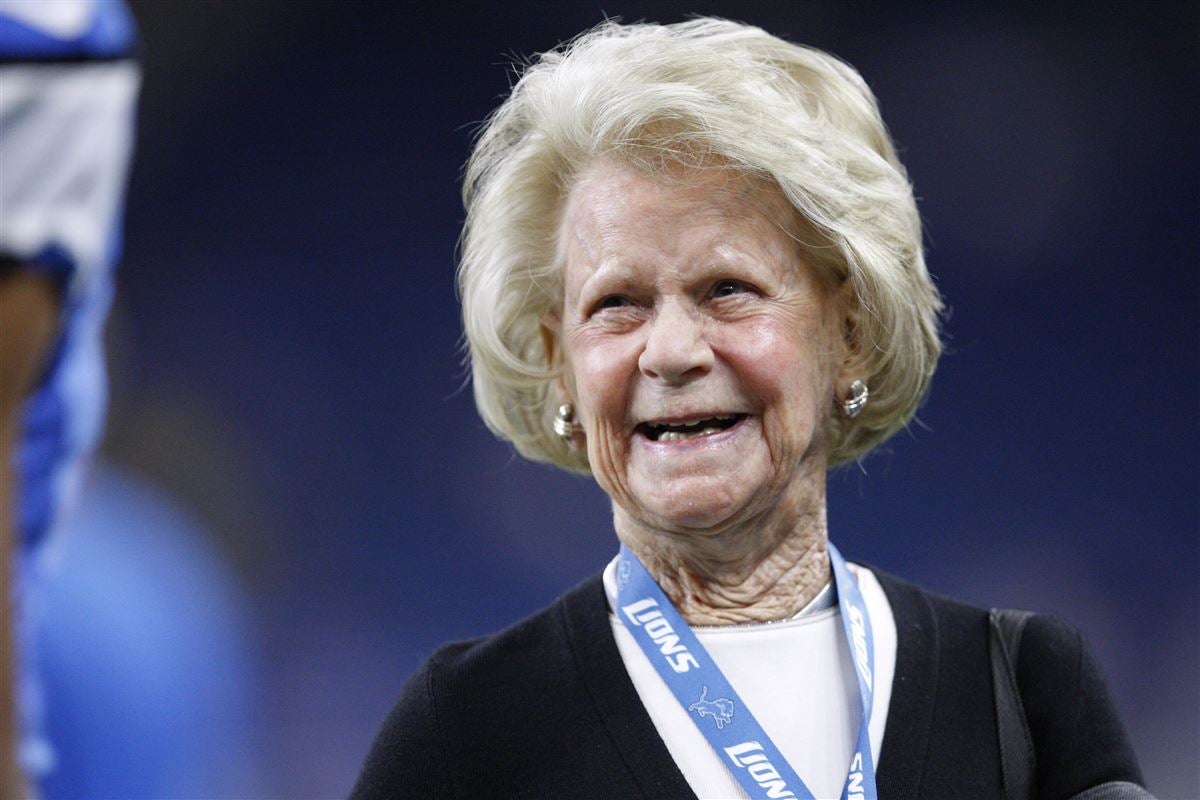
For several pivotal years, the matriarch of the Ford family, Martha Firestone Ford, steered the Detroit Lions. She inherited the team from her beloved late husband, William Clay Ford Sr., in 2014, taking on the daunting task of leading one of the NFL’s most historically significant franchises. Her tenure, though relatively brief compared to her husband’s, was characterized by a distinct commitment to change and improvement. Martha Firestone Ford was not afraid to make tough decisions, often signaling a proactive approach to management that many fans found refreshing. She made headlines in 2020 when she announced her decision to step down from her principal ownership role, a move that surprised many but was ultimately seen as a well-planned succession within the family. This transition was carefully orchestrated to ensure continuity and a seamless handover of responsibility to the next generation. Her decision underscored a profound understanding of the demands of modern NFL ownership and a desire to see the team thrive under renewed leadership, reflecting a commitment that transcended personal attachment to the position itself.
Sheila Ford Hamp: Charting a Course for Success
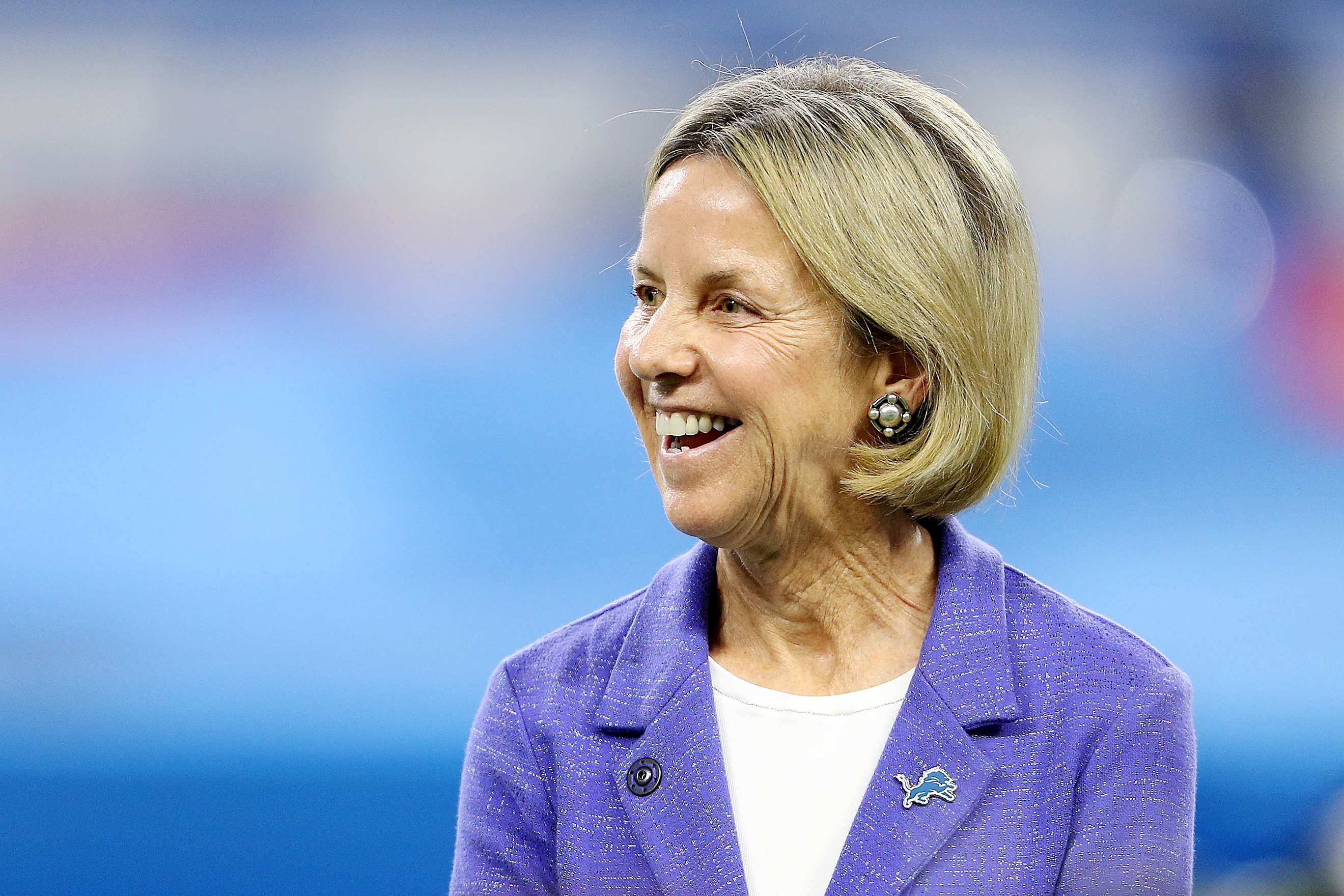
The mantle of principal owner and chairperson of the Detroit Lions officially passed to Sheila Ford Hamp on June 23, 2020. Her ascent marked a new chapter for the franchise, continuing the illustrious legacy of the Ford family while simultaneously bringing her own distinct vision and leadership style to the fore. Sheila Ford Hamp stepped into the role with a clear mandate: to instill a culture of sustained success and, most importantly, to bring a championship to Detroit—a long-sought-after goal that has eluded the team for many years. Her leadership has been characterized by a focused approach to team building, strategic investments in player talent, coaching staff, and the overall infrastructure of the organization. She has often spoken passionately about the deep connection the Lions have with their fanbase and the city, recognizing that the team is more than just a sports entity; it’s a source of immense civic pride and an integral part of Detroit’s cultural fabric. Under her guidance, there’s a palpable sense of renewed optimism and a strategic long-term plan aimed at transforming the franchise into a perennial contender.

The Enduring Legacy of the Ford Family
The Ford family’s ownership of the Detroit Lions is one of the longest and most consistent in professional sports, a testament to their deep roots in Detroit and their unwavering commitment to the team. This legacy is not just about ownership; it’s about a symbiotic relationship between an iconic industrial family, a beloved sports franchise, and the very city that has shaped and been shaped by them.
Roots in Automotive Excellence: The Ford Motor Company Connection
The vast wealth and influence of the Ford family trace back to the revolutionary vision of Henry Ford, who founded the Ford Motor Company in 1903. This industrial giant didn’t just produce automobiles; it fundamentally reshaped Detroit, the global automotive industry, and indeed, the very concept of modern manufacturing and the American dream. The company’s innovative assembly lines and commitment to affordable transportation made it a cornerstone of American industry, creating jobs, driving economic growth, and establishing Detroit as the “Motor City.” The family’s ongoing ownership of the Lions symbolizes their enduring commitment to the region and its people, a connection that transcends mere business interests. It represents a generational pledge to reinvest in the community that fostered their success, demonstrating that their influence extends far beyond car manufacturing into the cultural and sporting heartbeat of Detroit. This deep-seated connection provides stability and a sense of legacy that is rare in the transient world of professional sports ownership.
A Half-Century of Dedication: William Clay Ford Sr.’s Vision
The Ford family’s direct connection to the Detroit Lions as owners began in 1963 when William Clay Ford Sr., Henry Ford’s grandson, purchased the team for a then-significant sum of $4.5 million. He served as the sole owner for over 50 years until his passing in 2014, a remarkable tenure by any measure. His ownership was characterized by a deep personal investment in the team, its players, and its community role. While the on-field success of the Lions during his era was often challenging, William Clay Ford Sr.’s commitment never wavered. He viewed the team not just as an asset but as a vital part of Detroit’s identity, a source of shared experience and passion for its residents. His dedication ensured the Lions remained firmly entrenched in Detroit when other teams might have explored relocation. His legacy is one of unwavering loyalty and a testament to the idea that a sports team can embody the spirit of a city, fostering pride and community even through periods of struggle.
Beyond the Game: The Business and Lifestyle of NFL Ownership
Ownership of an NFL team is far more than a simple investment; it’s a unique blend of high-stakes business acumen, profound sports passion, and a significant measure of public trust. It also represents a distinctive lifestyle, marked by influence, public scrutiny, and the pursuit of unparalleled sporting glory.
The Billion-Dollar Enterprise: Understanding NFL Franchise Value
The financial landscape of the NFL is nothing short of staggering. The value of NFL franchises has soared dramatically in recent decades, with the Detroit Lions themselves now estimated to be worth billions of dollars. This exponential growth is driven by a confluence of factors, primarily lucrative media rights deals that broadcast games to millions globally, massive sponsorship agreements with major corporations, and the immense, almost unparalleled, popularity of American football. Owning an NFL team means being at the helm of a multi-faceted enterprise that generates substantial revenue from ticket sales, merchandise, concessions, and increasingly, innovative fan experiences. The financial responsibility is immense, requiring astute business management to navigate the complexities of player contracts, stadium operations, marketing, and community relations. It’s an investment that offers not just financial returns but also a unique platform for influence and community engagement, making it a coveted asset for the world’s wealthiest individuals and families.
A Lifestyle of Influence: The Responsibilities and Rewards of Ownership
For families like the Fords, owning an NFL team transcends mere investment to become an integral part of their public identity and lifestyle. It involves significant responsibilities: managing a complex organization with hundreds of employees, making critical decisions on hiring and firing coaches and general managers, overseeing player acquisitions and development, and diligently maintaining a positive public image. Owners are constantly in the spotlight, with every decision scrutinized by a passionate fanbase and national media. This high-stakes endeavor demands not only substantial financial investment but also considerable emotional commitment. The rewards, however, are equally substantial. Beyond the potential financial gains, there’s the profound satisfaction of building a championship-caliber team, the thrill of game day victories, and the unique connection with millions of devoted fans. It’s a lifestyle that blends corporate leadership with civic duty, luxury travel to away games, and the ultimate experience of watching your team compete at the highest level of professional sports. For the Ford family, it’s a testament to their dedication to Detroit and a commitment to nurturing a legacy that extends far beyond the automotive industry.
The Lions’ Roar: Impact on Detroit’s Travel and Tourism Landscape
The Detroit Lions are far more than just a football team; they are a significant economic engine and a profound source of civic pride for Detroit. Their presence deeply enriches the city’s travel and tourism sector, drawing visitors from across the nation and even internationally, eager to experience the thrill of game day and explore the revitalized urban landscape.
Ford Field: A Downtown Landmark and Economic Engine
The team’s home stadium, Ford Field, is a prominent landmark situated squarely in downtown Detroit. On game days, this architectural marvel transforms into a vibrant hub, drawing tens of thousands of passionate fans. The influx of visitors for home games creates a significant economic ripple effect, generating substantial revenue for local businesses. Restaurants surrounding the stadium, from upscale dining establishments to casual sports bars, see a surge in customers. Hotels, including luxury options like the MGM Grand Detroit and the MotorCity Casino Hotel, as well as boutique accommodations such as The Siren Hotel and the Shinola Hotel, experience heightened demand, particularly for suites and premium rooms offering views of the city skyline. This boost in accommodation bookings extends to apartments and villas available for short-term stays, catering to diverse travel preferences. Retail establishments, souvenir shops, and even local transportation services all benefit from the substantial foot traffic and spending power of game attendees. Beyond football, Ford Field also hosts major concerts, conferences, and other events, further solidifying its role as a year-round economic driver and a cornerstone of Detroit’s downtown revitalization.
Attracting Visitors: How the Lions Boost Detroit’s Tourism
The Detroit Lions’ games are not just sporting events; they are major cultural happenings that often trigger increased demand for travel and accommodation services. Fans travelling from across Michigan, the wider Midwest, and even from neighbouring Canada (like Windsor), often make a weekend out of their trip, transforming a football game into a broader tourism experience. These visitors are keen to explore Detroit’s myriad other attractions, contributing significantly to the city’s burgeoning tourism sector. Iconic landmarks like the world-renowned Detroit Institute of Arts, home to an impressive collection of art from across the globe, see increased visitation. The historic Motown Museum, where the legendary sounds of soul music were born, offers an immersive cultural experience that complements the high-energy atmosphere of a football weekend. Belle Isle Park, an urban oasis designed by Frederick Law Olmsted, provides opportunities for nature exploration and recreation. Other notable attractions include the iconic GM Renaissance Center with its stunning views and the historic Fox Theatre offering live entertainment. This synergy between sports and culture positions Detroit as an attractive destination for diverse interests, promoting extended stays and repeat visits. The team’s visibility on a national stage also serves as free marketing for the city, showcasing Detroit’s revitalization and its vibrant lifestyle to a massive audience, encouraging future travel and investment in a city undergoing an incredible renaissance.
A Future Focused on Excellence and Community
Under Sheila Ford Hamp’s dynamic leadership, the Detroit Lions are intensely focused on building a future defined by sustained success. Her commitment to investing in the team’s infrastructure, encompassing both on-field talent and off-field operational excellence, is a clear sign of the franchise’s dedication to becoming a perennial contender in the NFL. The Ford family’s long-term vision extends beyond merely winning games; it emphasizes enhancing the team’s community engagement, fostering deeper connections with its passionate fanbase, and solidifying its indispensable place in Detroit’s vibrant and unfolding future. The journey of the Detroit Lions under the Ford family’s continuous ownership is a compelling narrative of legacy, resilience, and the relentless pursuit of excellence in the challenging, yet rewarding, world of professional sports. It is a story that continues to evolve, with each passing season bringing fresh hopes, new challenges, and exciting opportunities for the team and its dedicated community in the heart of Motor City.
LifeOutOfTheBox is a participant in the Amazon Services LLC Associates Program, an affiliate advertising program designed to provide a means for sites to earn advertising fees by advertising and linking to Amazon.com. Amazon, the Amazon logo, AmazonSupply, and the AmazonSupply logo are trademarks of Amazon.com, Inc. or its affiliates. As an Amazon Associate we earn affiliate commissions from qualifying purchases.