
For many travelers planning a trip to California, the question of safety in Downtown Los Angeles is often the first concern that arises. As the urban heart of Los Angeles, this area has undergone a massive transformation over the last two decades. What was once a strictly 9-to-5 business district has evolved into a vibrant cultural hub filled with world-class museums, historic theaters, and a burgeoning culinary scene. However, like any major metropolitan center in the United States, navigating Downtown Los Angeles—commonly referred to by locals as DTLA—requires a blend of street smarts, cultural awareness, and practical planning.
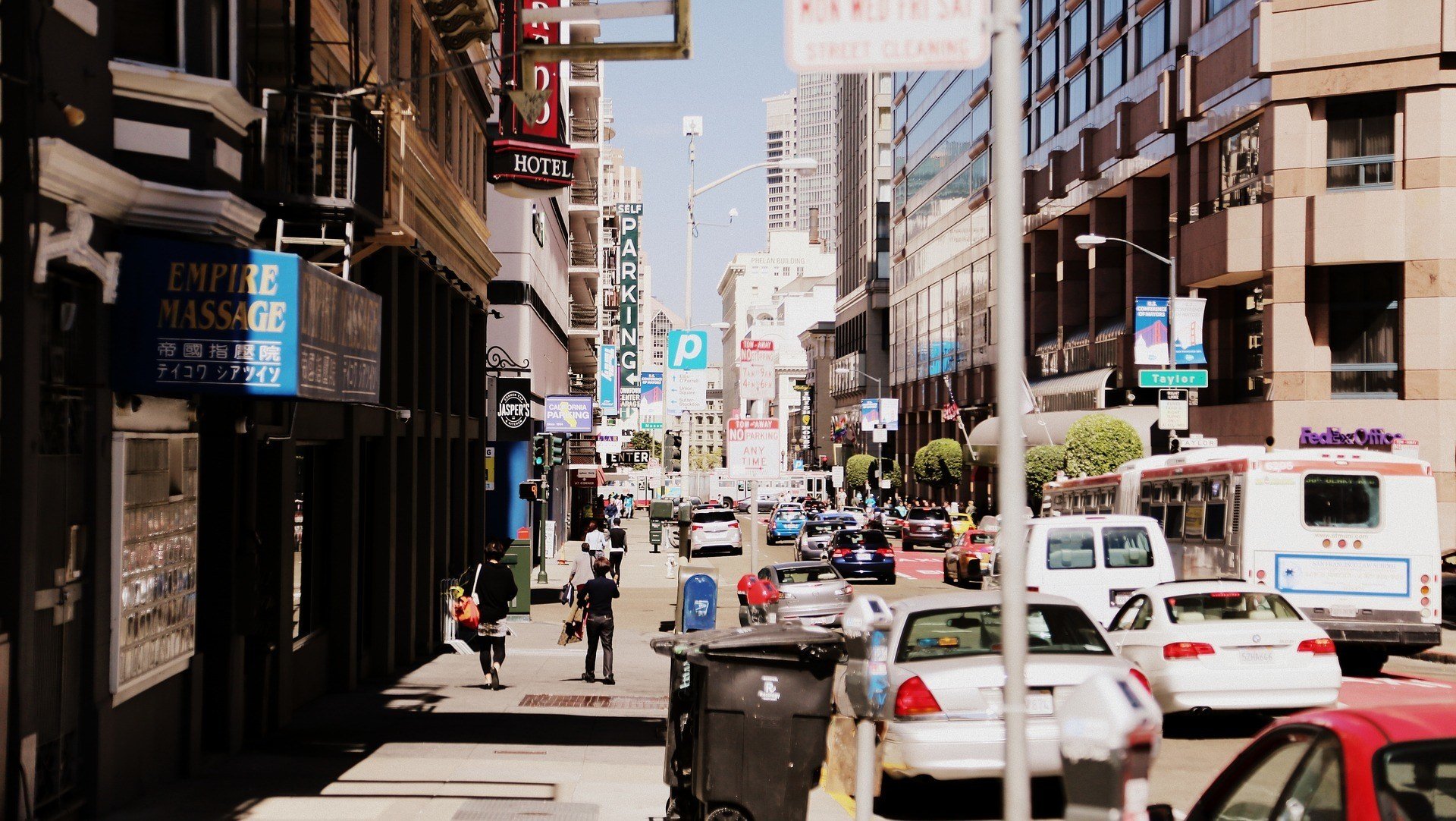
Navigating the Cultural Landscape of Downtown Los Angeles
To understand whether Downtown Los Angeles is safe, one must first understand its geography. DTLA is not a monolith; it is a collection of distinct neighborhoods, each with its own character, demographic, and safety profile. For a tourist, staying within the high-traffic, well-lit areas is the key to a positive experience.
The Historical Core and Broadway
The Historical Core is the soul of old Los Angeles. Walking down Broadway, you are surrounded by the highest concentration of historic movie palaces in the world. Landmarks such as the Bradbury Building and The Last Bookstore draw thousands of visitors daily. During daylight hours, these areas are bustling with shoppers, office workers, and tourists. The atmosphere is generally energetic and safe, provided you remain aware of your surroundings.
A must-visit for any food lover is Grand Central Market, which has been operating since 1917. It represents the multicultural fabric of the city. Just across the street, you can take a ride on Angels Flight Railway, the world’s shortest incorporated railway. In these pockets, tourism is the primary driver, and the presence of “Purple Shirt” ambassadors—private security and hospitality teams—adds an extra layer of comfort for visitors.
Little Tokyo and the Arts District
To the east of the civic center lies Little Tokyo, one of only three official Japanese-American neighborhoods in the country. This area is exceptionally pedestrian-friendly and widely considered one of the safest parts of Downtown Los Angeles. Whether you are exploring the Japanese Village Plaza or visiting the Japanese American National Museum, the area remains lively well into the evening.
Adjacent to Little Tokyo is the Arts District. Once an industrial wasteland, it is now home to high-end galleries like Hauser & Wirth and trendy craft breweries. The Arts District feels more like a modern village than a dense city center. While the streets can be quiet at night, the concentration of popular restaurants and boutiques ensures there are usually plenty of people around.
Essential Safety Tips for Modern Tourists
While the revitalization of Downtown Los Angeles is impressive, the city faces significant social challenges, most notably a large unhoused population. For a tourist, safety is often a matter of knowing which streets to walk on and which to avoid.
Understanding Skid Row and Boundary Awareness
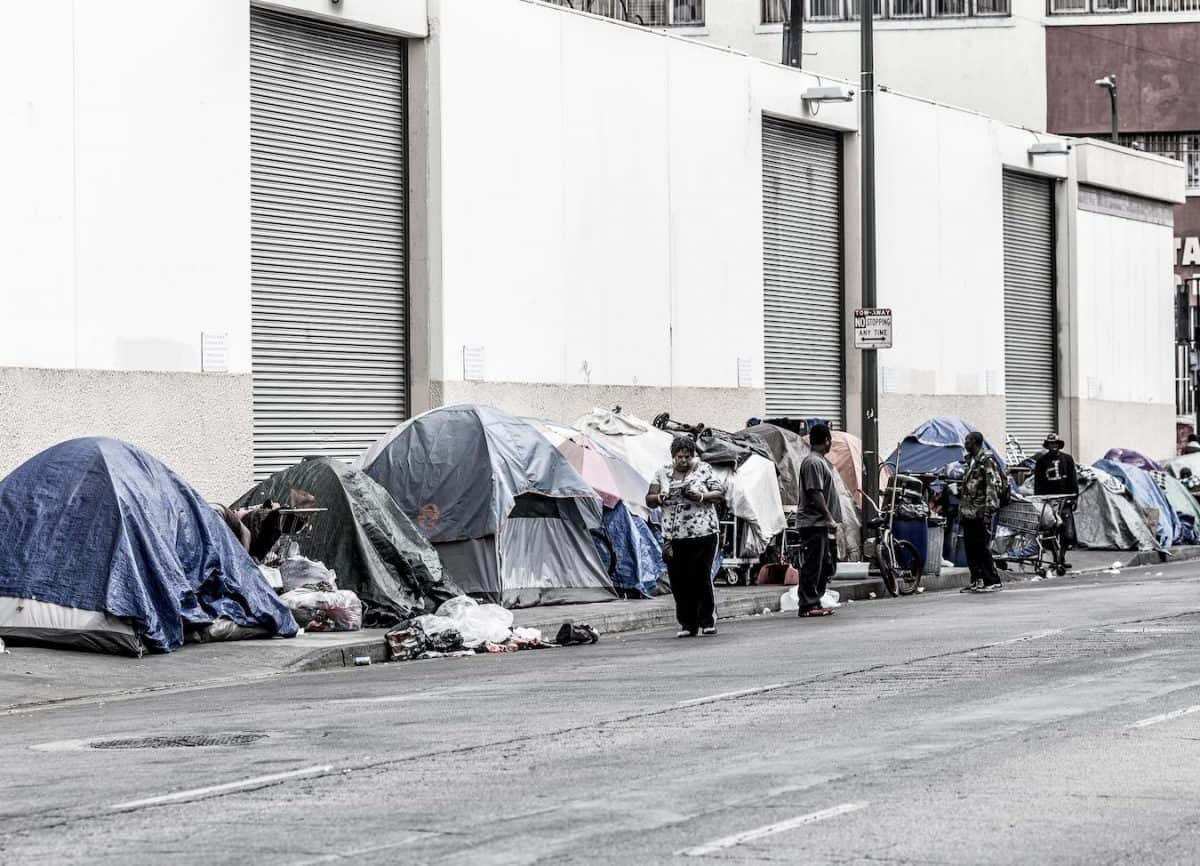
The most important piece of advice for any tourist in Downtown Los Angeles is to be aware of the boundaries of Skid Row. Located primarily between Main Street and Alameda Street, and stretching from 3rd to 7th Streets, this area contains one of the largest stable populations of homeless persons in the United States.
While the residents of Skid Row are generally more of a danger to themselves than to visitors, the environment can be overwhelming and unpredictable. Tourists can inadvertently wander into Skid Row because it is so close to popular spots like the Flower District or the Fashion District. Always use a GPS and stick to major thoroughfares like Spring Street or Grand Avenue when moving between districts.
Transportation Safety: Metro and Ridesharing
Navigating Los Angeles without a car is becoming easier, but it requires caution. Union Station is the city’s primary transit hub and is a stunning architectural landmark in its own right. From here, you can take the Metro Rail to Santa Monica, Hollywood, or Pasadena.

When using the Metro B Line or Metro D Line, it is best to travel during peak hours when the cars are full of commuters. At night, many tourists prefer using rideshare services like Uber or Lyft. This is often the safest and most efficient way to travel between Downtown Los Angeles and nearby nightlife areas like Echo Park or Silver Lake. If you are walking, stay on well-lit streets and avoid using your phone distractedly.
Exploring the Culinary and Social Scene After Dark
The safety of Downtown Los Angeles changes significantly once the sun goes down. While the “9-to-5” crowd departs, a vibrant nightlife takes over, particularly in the South Park and Bunker Hill areas.
Nightlife in South Park and L.A. Live
The South Park district is home to Crypto.com Arena (formerly known as the Staples Center) and the L.A. Live entertainment complex. This is perhaps the most “tourist-ready” part of DTLA. With constant security patrols, bright neon lights, and a steady stream of people attending Lakers games or concerts, it feels very safe even late at night.
Visitors here can enjoy the Grammy Museum or grab dinner at one of the many upscale restaurants surrounding the Microsoft Theater. The proximity to major hotels makes this a convenient home base for those who are nervous about city safety.
Sophistication on Bunker Hill
For a more refined evening, Bunker Hill offers a stark contrast to the grit of the lower-lying streets. This is the cultural crown jewel of Los Angeles, featuring the Walt Disney Concert Hall, designed by Frank Gehry, and the Museum of Contemporary Art.
Walking between the Walt Disney Concert Hall and The Broad museum is safe and visually stunning. The area is well-policed and maintains a high level of cleanliness. If you are attending a performance at the Music Center, you will find plenty of company on the sidewalks, making for a secure and pleasant urban experience.
Practical Advice for First-Time Visitors
Tourism in Downtown Los Angeles is incredibly rewarding if you follow a few basic rules of engagement. The city is a patchwork of experiences, and your safety often depends on your preparation.
Day vs. Night Dynamics
The general rule for DTLA is that the area is very safe for tourism during the day. Families can comfortably walk from Olvera Street—the birthplace of the city—to the California Science Center nearby. However, after 10:00 PM, certain streets in the Fashion District or near Pershing Square can become desolate. In any city, desolation is when safety risks increase. If a street looks empty and dark, it is better to take a detour or call a car.
Staying Informed with Local Resources
Before heading out, it is wise to check for any local events or protests. As the seat of government for Los Angeles County, the area around City Hall often hosts gatherings. While usually peaceful, they can disrupt traffic and public transit.
Additionally, use tools like the Citizen App or local news sites to stay updated on any immediate concerns. Most hotels in the area also provide maps that highlight the “tourist corridors,” which are the recommended paths for walking. If you are visiting Dodger Stadium for a game, look into the Dodger Stadium Express bus from Union Station, which is a safe and festive way to travel with other fans.
In conclusion, Downtown Los Angeles is safe for tourists who exercise common sense and stay within the established cultural and entertainment zones. The “danger” is often overstated, but the social realities of the city are visible. By focusing your time in Little Tokyo, South Park, Bunker Hill, and the Arts District, you can enjoy some of the best food, art, and history that the United States has to offer. Downtown Los Angeles is a place of incredible contrast, and for the savvy traveler, that is exactly what makes it so fascinating to explore.
LifeOutOfTheBox is a participant in the Amazon Services LLC Associates Program, an affiliate advertising program designed to provide a means for sites to earn advertising fees by advertising and linking to Amazon.com. Amazon, the Amazon logo, AmazonSupply, and the AmazonSupply logo are trademarks of Amazon.com, Inc. or its affiliates. As an Amazon Associate we earn affiliate commissions from qualifying purchases.