
When planning a getaway to the entertainment capital of the world, one of the most critical factors to consider is the climate. Las Vegas is situated in the heart of the Mojave Desert, a location that dictates a unique and often extreme weather pattern. Understanding the meteorological shifts in Nevada is essential for any traveler looking to maximize their experience, whether they are hitting the casino floors or exploring the rugged beauty of the Southwest.
The weather in this part of the United States is characterized by its aridity, abundant sunshine, and significant temperature swings between day and night. For those coming from more temperate climates, the intensity of the sun can be a surprise. This guide provides a comprehensive look at what to expect throughout the year, ensuring your Travel plans are perfectly aligned with the desert’s temperament.
Understanding the Mojave Desert Climate
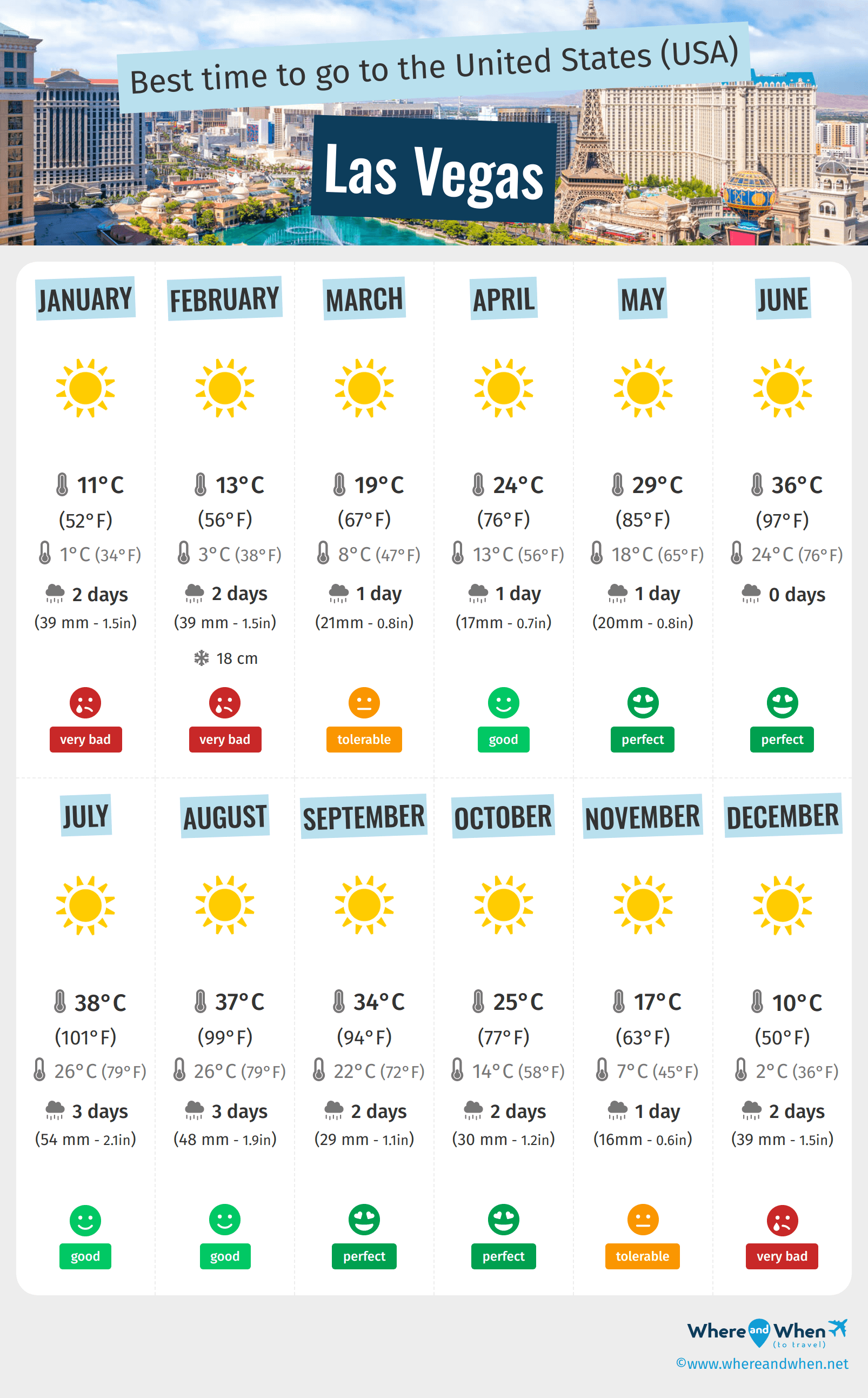
The climate of Las Vegas is classified as a subtropical hot desert climate. This means the region experiences long, very hot summers and short, mild winters. With over 300 days of sunshine per year, it is one of the sunniest places on Earth. However, the lack of humidity means that while the heat can be intense, it does not feel as oppressive as the “wet heat” found in places like Florida.
The Intense Heat of Summer
From June through August, the city becomes a literal oven. Temperatures regularly soar above 100°F (38°C), and it is not uncommon for the mercury to hit 115°F (46°C) during peak heat waves. During these months, the city’s infrastructure is designed to keep visitors indoors. Every major resort, from the Bellagio to Caesars Palace, features advanced climate control systems that offer a chilling sanctuary from the outdoor glare.
The heat in Las Vegas is a “dry heat,” which allows sweat to evaporate quickly, cooling the body more efficiently than in humid environments. However, this can also lead to rapid dehydration. Visitors often underestimate how much water they need while walking along The Strip. Even at night, summer temperatures may only drop into the 80s, creating a warm, vibrant atmosphere for evening festivities.
Mild and Pleasant Winters
In stark contrast to the scorching summers, winters in Southern Nevada are remarkably mild. From December to February, daytime highs typically hover around 55°F to 60°F (13°C to 16°C). While this might sound warm to those traveling from Chicago or New York, the desert air loses heat rapidly once the sun sets. Winter nights can drop to near freezing, making a heavy coat necessary for those enjoying the nightlife at the Fremont Street Experience.
Snow is an extremely rare occurrence in the valley itself, though the nearby Spring Mountains and Mount Charleston often receive significant snowfall, providing a scenic white backdrop to the desert landscape.
Seasonal Breakdown: When to Visit
Choosing the best time to visit Las Vegas depends largely on your planned activities. If your goal is to lounge by the pool at the MGM Grand, the hotter months are ideal. If you prefer hiking in Red Rock Canyon, the shoulder seasons are your best bet.
Spring and Autumn: The Golden Windows
Most seasoned travelers agree that March, April, May, September, and October offer the most comfortable weather. During these months, daytime temperatures range from 70°F to 85°F (21°C to 29°C). This is the perfect climate for outdoor dining at The Venetian or taking a stroll through the Linq Promenade.
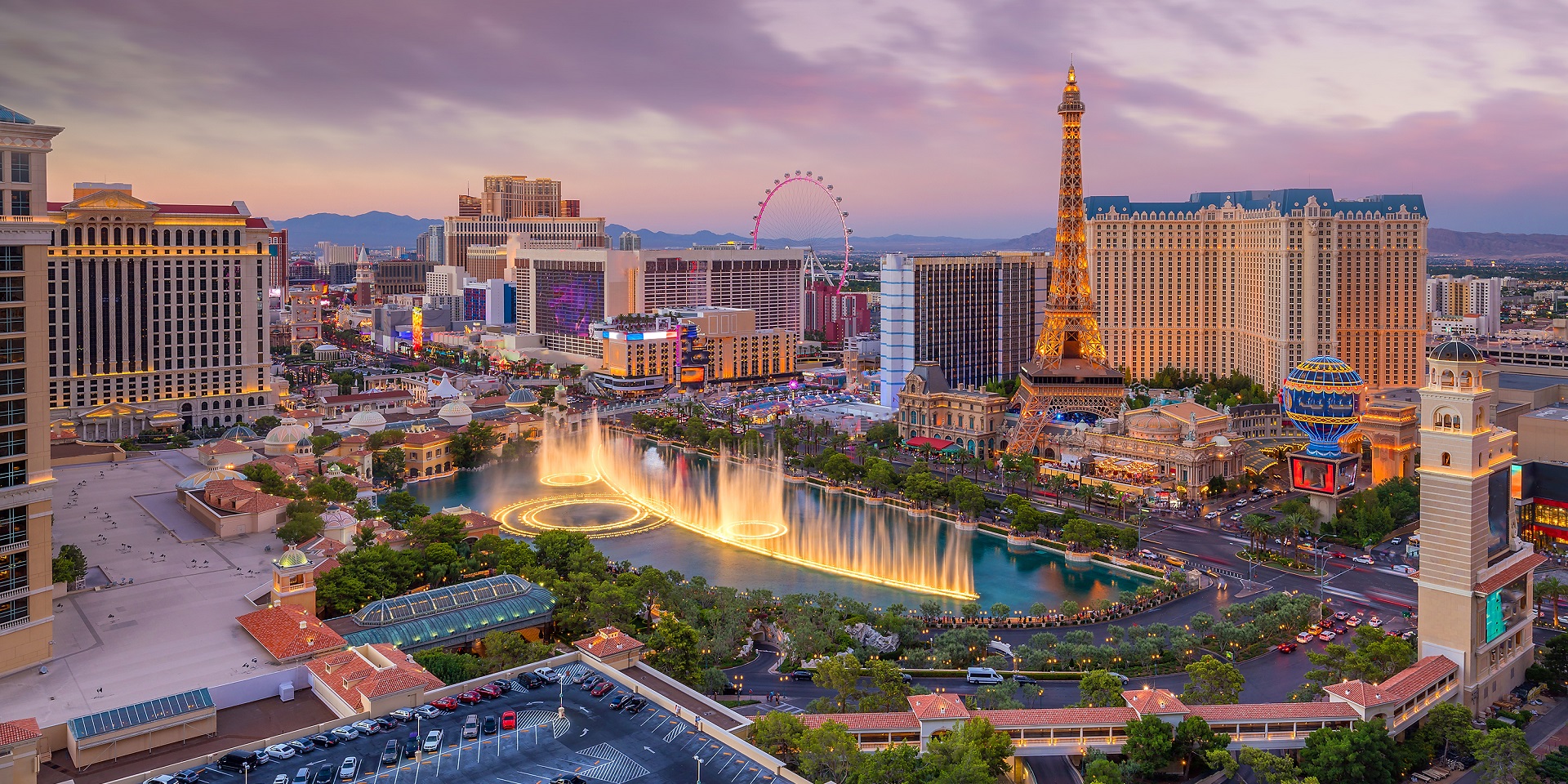
Spring is particularly beautiful as the desert flora begins to bloom. It is an excellent time for excursions to the Hoover Dam or Lake Mead, where the water temperature is starting to rise but the air is still crisp. Autumn offers a similar reprieve, with the added benefit of watching the sunset from the High Roller observation wheel without the mid-summer haze.
Summer Survival Tips
If your Travel schedule requires a mid-summer visit, preparation is key. The North Las Vegas and Henderson areas often report even higher temperatures than the city center due to the “heat island” effect of the asphalt.
- Hydrate Constantly: Drink more water than you think you need.
- Seek Shade: Use the indoor walkways and trams that connect many resorts like Luxor and Excalibur.
- Time Your Outings: If you plan to visit the Neon Museum or the Mob Museum, try to schedule these for the early morning or late evening.
Winter Festivals and Cool Breezes
Winter is a popular time for those looking to escape the brutal cold of Canada or Northern Europe. The city takes on a festive spirit in November and December. Events like the Enchant Christmas light display and the New Year’s Eve fireworks on The Strip are much more enjoyable in the cool, crisp air. However, be aware that many outdoor pools, such as those at Encore at Wynn Las Vegas, may be closed or heated only minimally during the peak of winter.
Packing Essentials for Every Season
Packing for Las Vegas requires a bit of strategy because of the contrast between the outdoor heat and the indoor air conditioning.
Staying Hydrated and Protected
Regardless of the season, the desert sun is powerful. High-quality sunscreen, UV-protected sunglasses, and a wide-brimmed hat are non-negotiable items. If you are venturing out to Valley of Fire State Park, specialized hiking gear and a portable water filtration system are recommended.
Dressing for the “Strip” vs. Nature
The transition from the 110-degree heat of the sidewalk to the 68-degree interior of The Palazzo can be a shock to the system.
- Summer Layers: Even in July, carry a light sweater or pashmina for indoor shows and casinos.
- Winter Layers: Think in terms of jackets and scarves. You might start the day in a T-shirt but will definitely need a coat by the time you reach Fremont Street.
- Footwear: Comfort is king. Whether you are walking through the Forum Shops at Caesars or trekking through Zion National Park on a day trip, supportive shoes are vital.
Weather Impacts on Major Attractions
The weather doesn’t just dictate what you wear; it dictates what you can do. Some of the most famous landmarks in the Southwest are highly dependent on the daily forecast.
Outdoor Wonders and Thermal Extremes
Excursions to the Grand Canyon are a staple of Las Vegas tourism. However, the South Rim is at a much higher elevation than the city and can be 20 degrees cooler. Conversely, a trip to Death Valley in the summer is only for the brave, as it is frequently the hottest place on the planet.
For those staying closer to the city, the Seven Magic Mountains art installation is entirely outdoors and offers no shade. If the wind picks up—a common occurrence in the desert—dust storms can occasionally reduce visibility and make outdoor sightseeing difficult.
Indoor Comforts and Controlled Environments
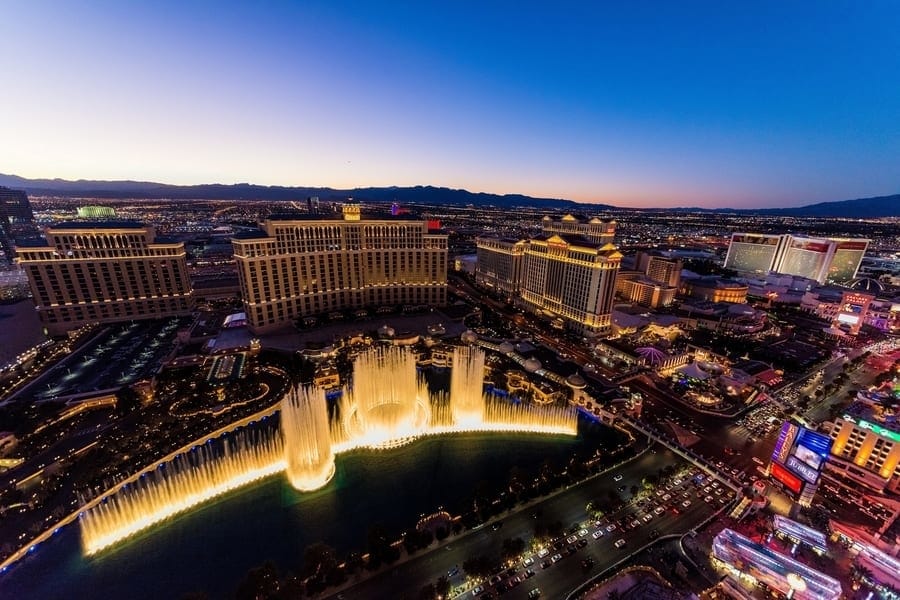
When the weather becomes too extreme, Las Vegas excels at providing indoor alternatives. The Bellagio Conservatory & Botanical Gardens is an enclosed space that changes with the seasons, offering a lush, temperature-controlled environment regardless of the heat outside. Similarly, the Shark Reef Aquarium at Mandalay Bay provides a cool escape into an underwater world.
Frequently Asked Questions About Las Vegas Weather
Many travelers have specific concerns about desert weather that go beyond just the temperature.
Does it Rain in the Desert?
Yes, but not often. Las Vegas receives about 4 inches of rain annually. Most of this occurs during the “monsoon season” from late July through September. During this time, sudden and violent thunderstorms can appear. These storms are spectacular to watch from a high-floor suite at the Stratosphere, but they can cause dangerous flash floods in low-lying areas and washes.
The Wind Factor and Humidity
Wind is a frequent guest in the Las Vegas Valley. Spring is notoriously windy, with gusts that can occasionally disrupt flights at Harry Reid International Airport. As for humidity, it rarely rises above 20%, which is why the city is a popular destination for those with respiratory issues that are aggravated by damp air.
Whether you are visiting from California, Arizona, or across the globe, the weather in Las Vegas is a defining part of the adventure. By planning your Travel according to the seasonal cycles of the Mojave Desert, you ensure that your trip is as comfortable as it is memorable. From the sun-drenched pool decks of summer to the crisp, neon-lit nights of winter, every season offers a different way to experience this desert jewel.
LifeOutOfTheBox is a participant in the Amazon Services LLC Associates Program, an affiliate advertising program designed to provide a means for sites to earn advertising fees by advertising and linking to Amazon.com. Amazon, the Amazon logo, AmazonSupply, and the AmazonSupply logo are trademarks of Amazon.com, Inc. or its affiliates. As an Amazon Associate we earn affiliate commissions from qualifying purchases.