
To ask if Louisiana is religious is to ask if the Mississippi River flows to the sea. It is a fundamental inquiry into the bedrock of a state where the sacred and the profane have spent three centuries dancing in the humid air. While statistical data from the U.S. Census Bureau and various sociological studies consistently place the state within the heart of the “Bible Belt,” the reality of Louisiana’s religious identity is far more complex, textured, and deeply woven into the local culture than a simple demographic chart might suggest.
The Catholic Foundation and the Legacy of France
To understand the religious landscape of the Pelican State, one must first look at the colonial influence of France and Spain. Unlike its Protestant neighbors, Louisiana was established under the flag of Catholic monarchs. This historical reality created a distinct cultural enclave that persists to this day, particularly in the southern parishes.
The Role of the Parish System
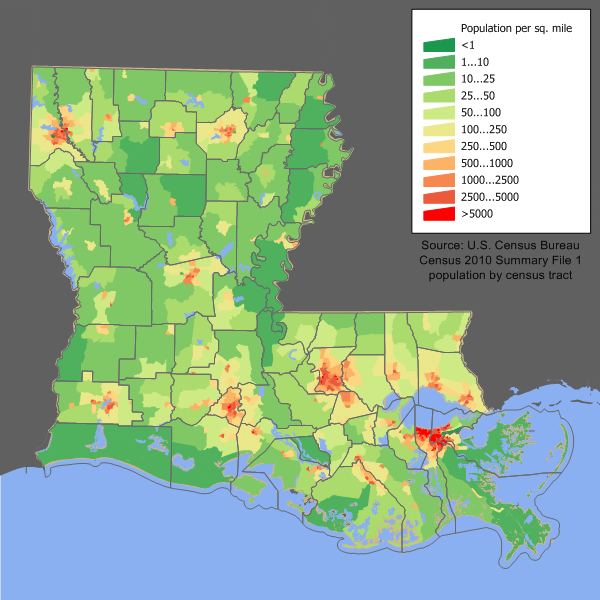
In most American states, administrative divisions are called counties. In Louisiana, they are called parishes—a direct linguistic and structural relic of the Catholic Church’s influence on colonial governance. This is not merely a bureaucratic quirk; it reflects a worldview where the church was the center of community life. Even in New Orleans, the spiritual heart of the region, the architecture of the St. Louis Cathedral serves as a testament to the enduring dominance of the Catholic faith in the public square.
Saints, Festivals, and the Calendar
Religion in Louisiana is often lived rather than just preached. The liturgical calendar dictates the rhythm of social life. Mardi Gras, while often perceived by outsiders as a secular party, is technically the final indulgence before the solemnity of Lent. This cycle of feast and fast, celebration and introspection, is the heartbeat of local culture. Residents navigate their year through All Saints Day, when families congregate in Metairie Cemetery or other historic burial grounds to clean the tombs of ancestors, blurring the lines between the living and the dead in a way that is distinctly Louisianan.
The Protestant Influence and the North-South Divide
While Southern Louisiana is famously Catholic, Northern Louisiana—often referred to as Acadiana‘s antithetical counterpart—is predominantly Protestant, reflecting the cultural tides of Mississippi and Arkansas.
The Baptist Influence in the North
In cities like Shreveport and Monroe, the religious expression shifts toward Southern Baptist, Pentecostal, and non-denominational traditions. Here, the “revival” culture is strong, and faith is frequently expressed through high-energy sermons, community-based evangelism, and a focus on personal biblical interpretation. The social fabric of North Louisiana is less centered on the parish-style festivals of the south and more on the Sunday morning service as the focal point of civic and social life.

The Intersection of Faith and Community
Regardless of denomination, the role of the church as a community center remains paramount across the entire state. Whether it is a gumbo fundraiser at a Catholic parish hall in Lafayette or a fish fry at a Baptist church in Ruston, the church acts as the primary social safety net and gathering place. In times of crisis—such as the aftermath of hurricanes—these institutions are the first to open their doors, proving that in Louisiana, being “religious” is inextricably linked to being a “neighbor.”
Syncretism, Folk Magic, and the Spiritual Fringe
Perhaps the most fascinating aspect of the religious question is the presence of traditions that defy standard categorization. Louisiana is famous for its syncretic practices, where established dogma blends with regional folklore and indigenous traditions.
Hoodoo and Voodoo
One cannot discuss the spirituality of Louisiana without mentioning Voodoo. While often sensationalized in pop culture, the practice has deep roots in the West African traditions of enslaved people brought to the state. It is not an “alternative” to religion, but rather a spiritual practice that historically coexisted with Catholicism. Many people who identified as Catholic would also seek the help of a “root worker” or practice elements of Hoodoo for protection, healing, or success. This dual-faith practice is a perfect encapsulation of the Louisiana spirit: pragmatic, inclusive, and deeply mysterious.
The Sacredness of the Land
For many Louisianans, the land itself—the Bayou Teche, the wetlands, and the prairies—holds a sanctity that transcends traditional church walls. The relationship between the people and the environment, which is as fragile as it is beautiful, carries a spiritual weight. There is a profound reverence for the nature that provides for the community, a sentiment that manifests in “Blessing of the Fleet” ceremonies in coastal towns like Morgan City, where priests pray for the safety of fishermen and the bounty of the Gulf of Mexico.
Why Louisiana’s Religion is Unique
Is Louisiana religious? Yes, but not in the monolithic way that people often imagine. Its religious identity is a collage. It is the incense-filled air of a Creole mass, the impassioned shouting of a rural tent revival, and the quiet lighting of a candle in a street-side shrine.
The Culture of Tolerance
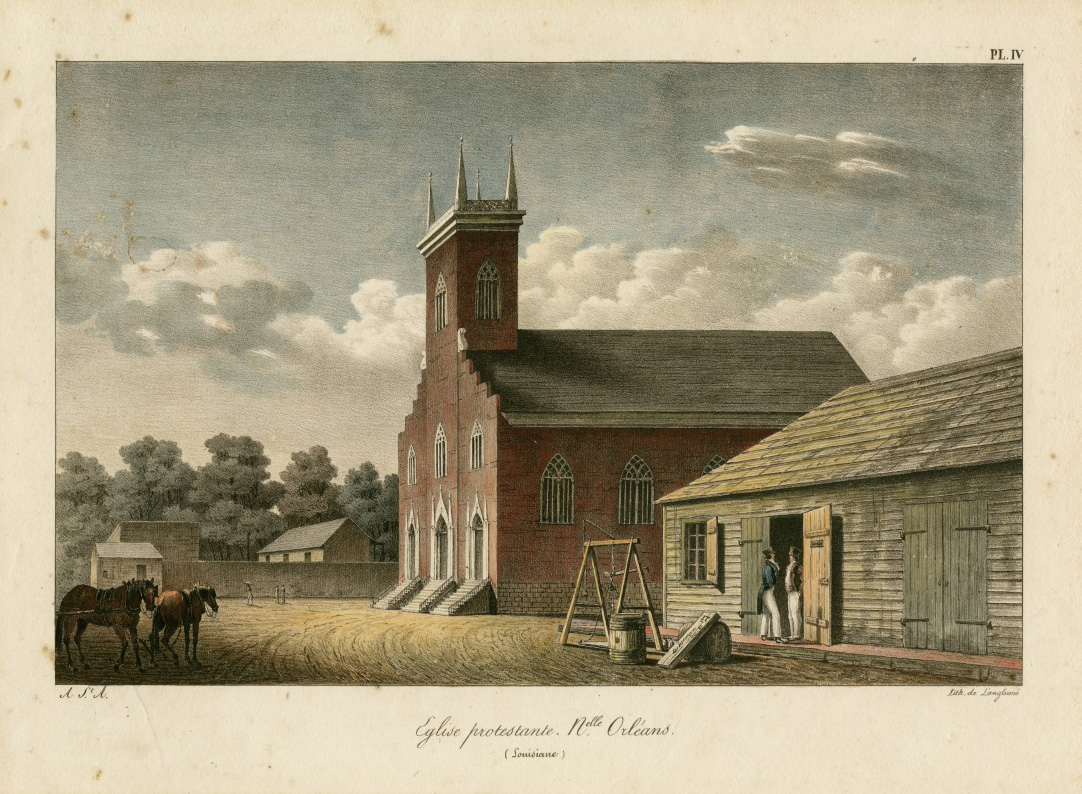
One of the most surprising aspects of Louisiana’s religious landscape is its inherent tolerance for ambiguity. Because the state is home to such a wide array of influences—African, Caribbean, French, Spanish, and American—there is a widespread acceptance of the idea that truth is multifaceted. A person might be a devout churchgoer who also believes in the healing power of an herb garden or the intercession of a saint who has no official Vatican recognition.
A Living Experience
Ultimately, the religiosity of Louisiana is a “living” religion. It is not confined to an hour on Sunday morning. It is seen in the way people speak, the way they bury their dead, the food they eat during Lent, and the way they celebrate life in the face of hardship. It is a state where the spiritual is treated as a physical reality, something that can be touched, tasted, and shared.
For the traveler, this means that to truly see Louisiana, you must go beyond the tourist traps. Visit the Old State Capitol in Baton Rouge, but also walk through the local graveyards. Attend a festival, but take note of the prayers offered before the music begins. Listen to the stories of the people, and you will find that, yes, Louisiana is profoundly religious—but it is a religion defined by mystery, celebration, and a deep, abiding connection to the land and to one another. It is a place where faith is not just a set of rules, but the very seasoning of life.
LifeOutOfTheBox is a participant in the Amazon Services LLC Associates Program, an affiliate advertising program designed to provide a means for sites to earn advertising fees by advertising and linking to Amazon.com. Amazon, the Amazon logo, AmazonSupply, and the AmazonSupply logo are trademarks of Amazon.com, Inc. or its affiliates. As an Amazon Associate we earn affiliate commissions from qualifying purchases.