
Navigating the financial landscape of business travel, corporate retreats, and digital nomad ventures across the United States requires an acute understanding of state-specific fiscal regulations. For entrepreneurs and organizations setting up temporary operations, hosting corporate events, or conducting commercial activities in the Midwest, mastering state tax compliance is paramount. When managing operations that touch the American heartland, understanding the precise timelines and compliance frameworks enforced by the Kansas Department of Revenue is essential. Whether you are orchestrating a business seminar in Wichita or launching a pop-up retail experience in Overland Park, knowing when sales taxes are due prevents costly penalties and ensures seamless operational continuity.
Understanding Kansas Sales Tax Fundamentals
Before diving into specific due dates, it is important to understand how the state administers sales tax obligations. Businesses operating within Kansas act as agents for the state, collecting the mandatory percentage on taxable goods and services at the point of transaction and subsequently remitting those funds to the government.
Who Must File and Remit?
Anyone engaged in business within the state who sells tangible personal property, taxable services, or digital goods must register for a sales tax permit. This includes traditional brick-and-mortar storefronts, hospitality providers, and remote sellers who meet specific economic thresholds within United States commerce frameworks. Once registered, the state assigns a designated filing frequency based on the volume of tax collected, which dictates your exact payment schedule.
The Significance of Filing Frequencies
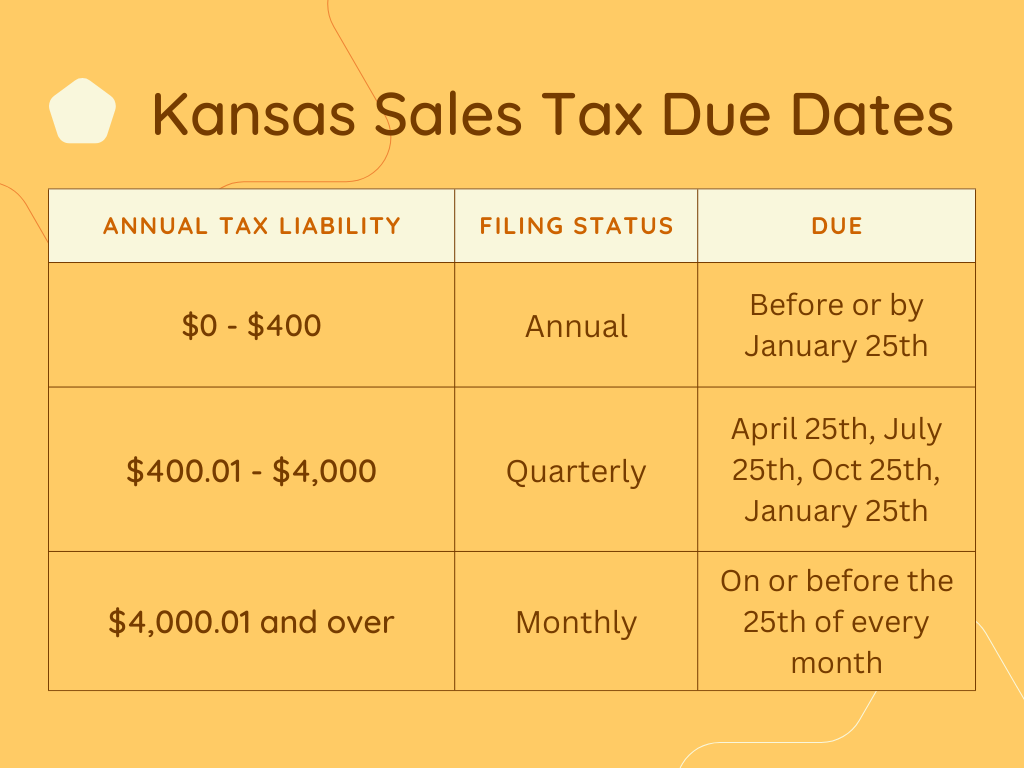
The frequency with which a business must remit collected funds is determined by the average monthly tax liability. The state typically categorizes filers into three primary schedules:
- Monthly Filers: Businesses with substantial sales volume and larger tax liabilities.
- Quarterly Filers: Businesses with moderate sales volumes.
- Annual Filers: Seasonal enterprises or those with very low tax liabilities.
Standard Filing and Payment Deadlines
Knowing the exact calendar dates for remittance is critical for maintaining good standing with state tax authorities. Missing these deadlines can trigger automatic penalties and interest charges that impact your operational budget.
Monthly Remittance Schedules
For high-volume merchants, corporations managing extensive travel and hospitality expenses, and large commercial operations, taxes are due on a monthly basis. The standard rule in Kansas dictates that monthly sales tax returns and payments are due on the 25th day of the month following the month of collection.
- Example: Taxes collected on transactions occurring during the month of January must be filed and paid no later than February 25th.
- If the 25th falls on a weekend or a legal holiday observed by the state or federal government, the deadline is automatically extended to the next business day.
Quarterly Remittance Schedules
For small to medium enterprises, boutique retail shops, and niche service providers whose tax liability falls below the monthly threshold, quarterly filing is standard. These filings cover three-month periods and are due on the 25th day of the month following the end of the calendar quarter.
- First Quarter (January – March): Due April 25th.
- Second Quarter (April – June): Due July 25th.
- Third Quarter (July – September): Due October 25th.
- Fourth Quarter (October – December): Due January 25th of the following year.

Annual Remittance Schedules
Businesses that operate seasonally—such as tourism-dependent ventures near Lake Perry or agricultural exhibitions in Topeka—may qualify for annual filing status. For these entities, the return and full payment are due on January 25th of the year immediately following the reporting period.
Special Circumstances, Extensions, and Electronic Filing
Modern tax administration emphasizes digital efficiency. Understanding how to utilize electronic portals and handle anomalous calendar events ensures your business remains compliant without unnecessary administrative friction.
The Advantage of Electronic Filing Systems
The Kansas Department of Revenue provides online portals—such as the Customer Service Center—to streamline the filing process. Utilizing electronic funds transfer (EFT) and online submission platforms not only reduces the risk of mail-delivery delays but also provides instant confirmation of receipt. Many commercial enterprises find that scheduling payments immediately after month-end closes minimizes oversight errors.
Handling Weekends and Holidays
A frequent point of confusion for out-of-state corporate planners and local business owners involves weekend deadlines. As noted, if the traditional 25th deadline lands on a Saturday, Sunday, or official holiday, your filing and payment are considered timely if submitted on the immediate next business day. However, relying on this grace period requires careful calendar management to avoid accidental defaults.
Penalties for Late Remittance
Failing to meet the statutory deadlines results in immediate financial repercussions. The state assesses penalties for late filing and late payment, alongside accumulating interest on the unpaid balance. For organizations balancing complex travel budgets and multi-state compliance, these avoidable fees can eat into profit margins. Establishing automated reminders or partnering with regional tax professionals ensures these deadlines are never overlooked.
Best Practices for Corporate Compliance and Record Keeping
Maintaining seamless financial health requires proactive administrative habits. Whether you are managing a boutique hotel near the historic districts of Abilene or organizing a statewide business tour, implementing robust tracking systems is invaluable.
Accurate Point-of-Sale Configuration
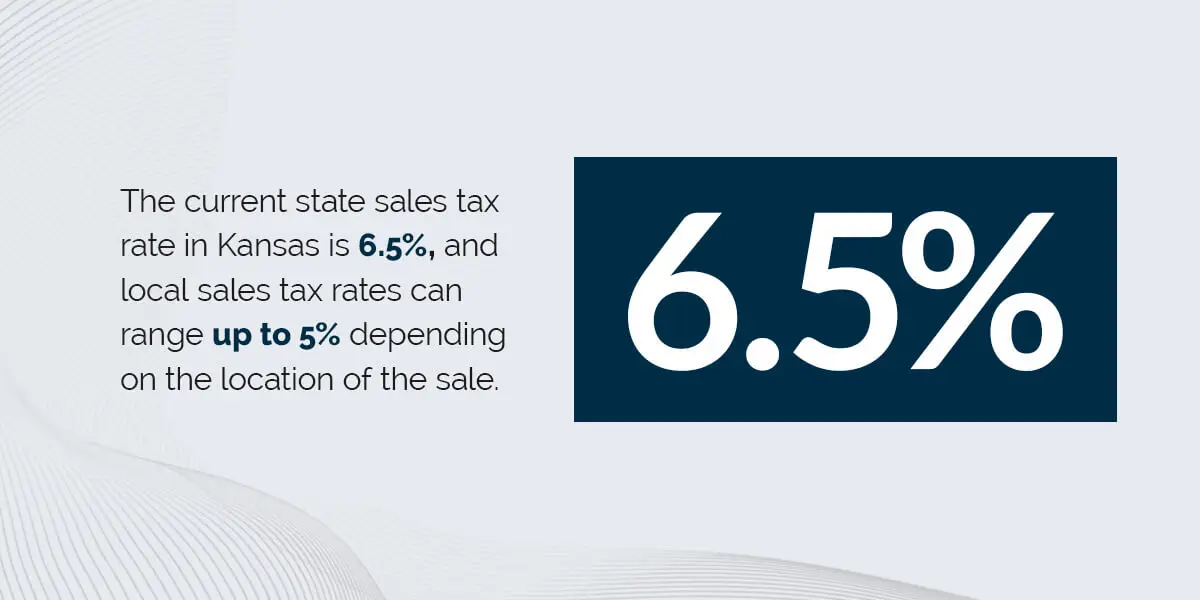
Ensure that your point-of-sale (POS) software is dynamically updated to reflect accurate local and state tax rates. Tax jurisdictions can vary significantly between counties and municipalities—such as navigating the distinct municipal rates in Lawrence versus Manhattan. Miscalculating the collected amount creates discrepancies between your reported sales and your actual remittance obligations.
Comprehensive Documentation
Retain all sales records, exemption certificates, and filing receipts for a minimum of three to five years. In the event of a state audit, having organized digital archives of your past filings and payment confirmations will facilitate a smooth, stress-free review process.
By staying informed on exact due dates, leveraging modern electronic filing tools, and maintaining rigorous internal accounting practices, your enterprise can focus entirely on delivering exceptional experiences, expanding its market presence, and thriving within the vibrant commercial ecosystem of the American Midwest.
LifeOutOfTheBox is a participant in the Amazon Services LLC Associates Program, an affiliate advertising program designed to provide a means for sites to earn advertising fees by advertising and linking to Amazon.com. Amazon, the Amazon logo, AmazonSupply, and the AmazonSupply logo are trademarks of Amazon.com, Inc. or its affiliates. As an Amazon Associate we earn affiliate commissions from qualifying purchases.