
For many travelers dreaming of a serene escape to the sun-drenched beaches and lush landscapes of the Aloha State, the question of cannabis legality often arises. Hawaii, a jewel in the Pacific Ocean, beckons visitors with its unique culture, stunning natural beauty, and unparalleled opportunities for adventure and relaxation. As cannabis laws evolve across the United States, understanding the specific regulations in your chosen destination is paramount for a smooth and enjoyable trip. While many states have moved towards full recreational legalization, Hawaii’s approach to marijuana is nuanced, presenting a complex legal landscape that prospective visitors, particularly those planning their travel, accommodation, and activities, need to navigate carefully.
This guide aims to clarify the current status of marijuana laws in Hawaii, offering essential insights for tourists. From understanding the difference between decriminalization and full legalization to practical advice on where and when cannabis can (and cannot) be used, we’ll delve into the specifics that impact your Hawaiian vacation. Whether you’re considering a stay in the vibrant city of Honolulu on Oahu, the luxurious resorts of Maui, the serene beauty of Kauai, or exploring the volcanic wonders of the Big Island, being informed about local cannabis policies is crucial for a responsible and stress-free experience. Our focus will be on ensuring you understand how Hawaii’s cannabis laws intersect with typical tourist activities, hotel stays, and general lifestyle considerations during your visit.
Understanding Hawaii’s Cannabis Laws: A Traveler’s Essential Guide
The legal status of marijuana in Hawaii can be a source of confusion, especially for those accustomed to more permissive laws in other parts of the United States or Canada. It’s crucial for anyone planning a trip to the islands to understand the specific legal framework currently in place. Hawaii has taken steps to reform its cannabis laws over the years, primarily focusing on medical use and decriminalization, but it has not yet embraced full recreational legalization.
Decriminalization vs. Full Legalization: What’s the Difference in Hawaii?
To put it simply, marijuana is not fully legal for recreational use in Hawaii. This distinction is vital for travelers. While some states have legalized recreational cannabis, allowing adults to purchase and consume it much like alcohol, Hawaii’s approach is more conservative.
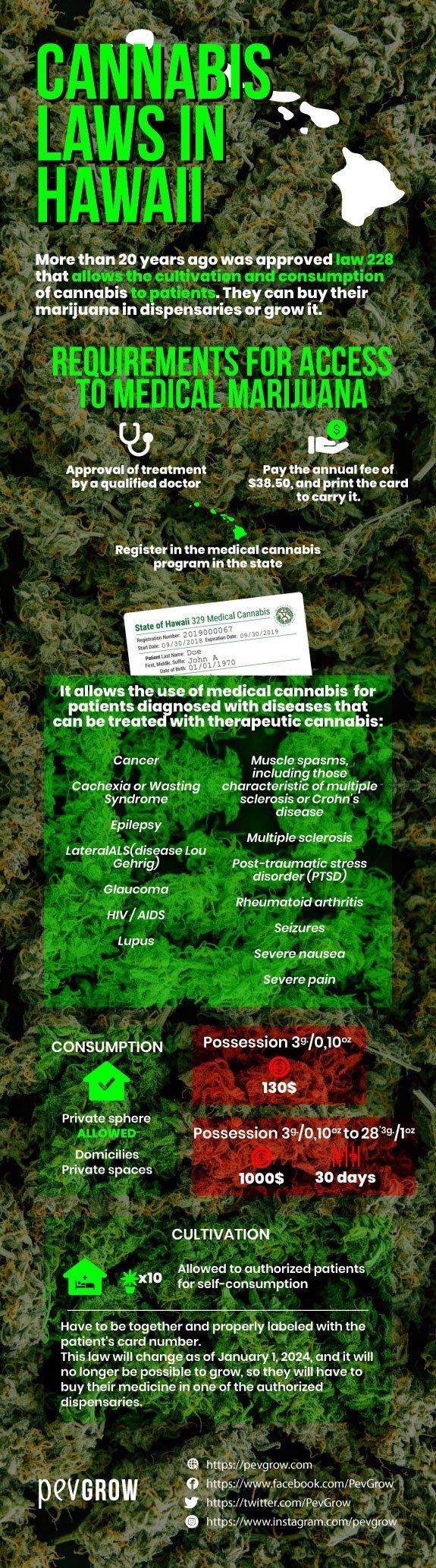
In 2019, Hawaii did pass legislation to decriminalize possession of small amounts of marijuana. This means that possessing three grams (approximately 0.10 ounces) or less of marijuana is no longer a criminal offense punishable by jail time. Instead, it is treated as a civil infraction, similar to a minor traffic violation. An individual caught with this amount would face a fine of $130. While this reduces the severity of the penalty, it’s important to understand that it is not legalization. Decriminalization simply lessens the criminal penalties for minor possession; it does not make the possession, sale, or cultivation of recreational marijuana legal. Any amount over three grams can still result in more severe penalties, including fines and jail time, depending on the quantity. This distinction is paramount for travelers, as it means there are no legal recreational dispensaries where you can purchase cannabis, and public consumption remains illegal.

Medical Cannabis in the Aloha State
Hawaii has had a medical cannabis program since 2000, making it one of the first states to do so. This program allows registered patients with specific debilitating medical conditions to legally possess and use medical marijuana. However, the system for out-of-state visitors to access medical cannabis is stringent and not as straightforward as in some other medical-legal states.
The Hawaii Medical Cannabis Registry Program, overseen by the Hawaii Department of Health, issues medical cannabis cards. For out-of-state visitors, obtaining a temporary medical card is possible, but it requires advance planning. Visitors must register through the official state program and provide documentation from their home state’s medical cannabis program, along with a valid ID. The application process can take several weeks, and there’s a fee involved. Once approved, a temporary card allows visitors to purchase medical cannabis from licensed dispensaries on the islands. However, the legal amount they can possess is limited to four ounces of usable marijuana per 15-day period, with no more than four ounces at any given time. This program is specifically designed for legitimate medical patients and should not be seen as a loophole for recreational use.
Navigating Cannabis and Your Hawaii Vacation
Understanding the law is one thing, but knowing how it practically impacts your travel experience is another. When planning your trip to Hawaii, from booking your accommodation to enjoying the local attractions, it’s essential to factor in the state’s cannabis regulations.
Where Can You (Not) Consume Cannabis in Hawaii?
Even if you are a registered medical cannabis patient in Hawaii or another state with a valid temporary card, there are strict rules about where you can consume cannabis.
- Public Places are Generally Off-Limits: Like alcohol, public consumption of cannabis is illegal in Hawaii. This includes beaches (even secluded ones), parks, sidewalks, public roads, and any place accessible to the public. Enjoying a joint on Waikiki Beach or while hiking Diamond Head could lead to significant fines.
- Federal Lands: This is a critical point for many travelers. All federal lands, including National Parks like Hawaii Volcanoes National Park, federal buildings, and even airports, are subject to federal law. Under federal law, cannabis remains illegal, regardless of state laws. Therefore, possessing or consuming cannabis in these areas is a federal offense, which carries much harsher penalties.
- Rental Properties and Hotels: This is where the website’s focus on “Hotels” and “Accommodation” becomes particularly relevant. Most hotels, resorts, apartments, and villas in Hawaii have strict non-smoking policies, which extend to cannabis. Even if they permit tobacco smoking in designated areas, cannabis smoking is almost universally prohibited. Many properties also have clauses in their booking agreements prohibiting the possession or consumption of illegal substances. If you are a medical cannabis patient, it is crucial to inquire directly with your accommodation provider about their specific policies regarding medical cannabis use, especially concerning non-smoking forms like edibles or tinctures. Failure to do so could result in fines, eviction, or even legal trouble. Vacation rental platforms like Airbnb and VRBO also have terms of service that typically defer to local laws and property owner rules, which usually prohibit drug use.
- Private Property: If you are staying at a private residence with the owner’s permission, consumption might be allowed. However, even then, the general rules about not exceeding possession limits and not engaging in public nuisance still apply.
Penalties for Possession and Use
Despite decriminalization for small amounts, violating Hawaii’s cannabis laws can still lead to significant consequences for travelers.
- Possession of over 3 grams (but less than 1 ounce): This can be a misdemeanor, punishable by up to 30 days in jail and a fine of up to $1,000.
- Possession of 1 ounce to under 1 pound: This is a felony, carrying a potential sentence of up to 5 years in prison and a fine of up to $10,000.
- Cultivation and Sale: These activities carry much more severe felony charges, with prison sentences ranging from 5 to 20 years and hefty fines.
- Public Consumption: Even a small amount smoked in public can result in a fine, and if combined with other offenses, could lead to more serious charges.
Remember, a conviction, even for a minor offense, can impact future travel plans, particularly if it involves interactions with federal authorities, or creates a criminal record that could affect international travel.
Transporting Cannabis in Hawaii
Another critical aspect for travelers, particularly those planning to island-hop, is the transportation of cannabis.
- Inter-island Travel: Moving cannabis between Hawaii’s islands, even if you are a registered medical patient, is highly discouraged and potentially illegal. While technically state-to-state travel falls under federal jurisdiction, inter-island travel within Hawaii is still subject to federal regulations at airports. The Transportation Security Administration (TSA) operates under federal law and may refer cases involving cannabis discovery to law enforcement. Even with a medical card, transporting cannabis via air is a gray area fraught with risk. It’s generally advised not to attempt it.
- Coming into Hawaii: Bringing cannabis from another state or country into Hawaii is illegal under both state and federal law. This is considered drug trafficking and carries severe penalties. Do not attempt to fly with cannabis, even if you are a medical patient with a card from your home state.
Hawaii’s Medical Marijuana Program: What Visitors Need to Know
For those who rely on cannabis for medical conditions, Hawaii’s program offers a pathway, albeit with some bureaucracy. As a destination that emphasizes wellness and healing, Hawaii does provide provisions for medical cannabis patients.
Requirements for Out-of-State Patients
As previously mentioned, out-of-state patients can apply for a temporary 329V medical cannabis card through the Hawaii Medical Cannabis Registry Program. Key requirements include:
- Being a qualifying patient in another U.S. state, district, or territory with a valid medical cannabis license/card.
- Having a debilitating medical condition recognized by both your home state and Hawaii.
- Applying online through the Hawaii Department of Health portal, submitting required documentation, and paying a fee.
- Planning ahead: the approval process can take several weeks, so apply well in advance of your travel dates.
Upon approval, you will receive a temporary digital card that allows you to purchase medical cannabis from licensed dispensaries across the islands. This temporary card is valid for 60 days and can be renewed if your stay is longer.
Where to Obtain Medical Cannabis
If you successfully obtain a temporary 329V card, you can purchase medical cannabis from licensed dispensaries located on Oahu, Maui, Kauai, and the Big Island. These dispensaries operate under strict state regulations, offering a range of products including flower, edibles, tinctures, and concentrates. It’s advisable to research dispensary locations and their operating hours on your specific island of travel. Remember, purchases are tracked, and possession limits must be adhered to. Cash is typically the preferred method of payment, as many financial institutions hesitate to process cannabis transactions.
The Future of Cannabis in the Aloha State
The conversation around cannabis legalization in Hawaii is ongoing and dynamic. Each legislative session sees new bills introduced, proposing varying degrees of cannabis reform, including full recreational legalization. Proponents highlight potential tax revenues that could benefit the state’s economy, infrastructure, and public services, aligning with the “Tourism” and “Lifestyle” aspects of the website’s themes. Such revenue could support conservation efforts, improve local communities, or enhance tourist facilities.
However, challenges remain, including concerns about public health, safety, and the potential impact on Hawaii’s family-friendly tourism image. Debates often revolve around balancing potential economic benefits with social considerations. While there is a growing movement towards full legalization, the legislative process in Hawaii is deliberate, and progress can be slow. As of early 2024, no definitive timeline for recreational legalization has been established. Travelers should therefore always consult the most current laws before their trip, as changes could occur. Staying informed through official government sources is the best practice.
Should recreational legalization eventually pass, it would undoubtedly transform the visitor experience, creating new businesses, influencing accommodation choices, and potentially attracting a different demographic of tourists. However, even with legalization, it is highly probable that strict regulations on public consumption, possession limits, and sales to minors would remain, similar to existing alcohol laws.
General Travel Tips for a Responsible Hawaii Experience
Regardless of the specifics of cannabis laws, a trip to Hawaii is an unforgettable experience defined by its unparalleled natural beauty, rich cultural heritage, and the warm spirit of aloha. To ensure your vacation is truly memorable and respectful of your hosts, keep these general tips in mind:
- Respect Local Laws and Culture: Always adhere to the laws of Hawaii, not just regarding cannabis, but across all aspects of your visit. The local culture, known as “pono” (righteousness), emphasizes balance and respect for the land and people. Understanding and respecting these local customs, from not touching sea turtles to disposing of trash properly, enhances your experience and contributes positively to the islands.
- Prioritize Safety: Hawaii offers numerous outdoor activities, from surfing on the North Shore of Oahu to hiking on Maui’s Road to Hana or exploring the Na Pali Coast of Kauai. Always prioritize your safety by being aware of ocean conditions, trail difficulties, and any warnings. Avoid engaging in risky behaviors, especially under the influence of any substance.
- Choose Accommodations Wisely: When booking your hotels, suites, resorts, apartments, or villas, consider their policies regarding smoking and substance use. Reputable establishments will clearly outline their rules, ensuring you can enjoy your stay without unexpected issues. Many resorts offer luxurious amenities that contribute to a fantastic “Lifestyle” experience, independent of cannabis use.
- Focus on Hawaii’s Natural Wonders: The true magic of Hawaii lies in its stunning landscapes, vibrant marine life, and unique geological formations. Explore the breathtaking beaches, lush rainforests, and dramatic volcanoes. Engage in activities like snorkeling, hiking, surfing, or simply relaxing by the ocean. These experiences offer a natural high that is perfectly legal and infinitely rewarding.
- Support Local Businesses: Dive into the local culture by trying traditional Hawaiian food, attending a luau, or visiting local markets. Supporting local artists, farmers, and businesses helps sustain the unique character of the islands and provides authentic experiences.
- Stay Informed: Laws can change. Before and during your trip, it’s always a good idea to check official state government websites for the most up-to-date information on cannabis laws and any other regulations that might affect your travel plans.
In conclusion, while Hawaii has embraced medical cannabis and decriminalized small amounts for recreational use, it has not fully legalized recreational marijuana. For travelers, this means exercising caution, understanding the strict rules regarding possession and consumption, and making informed decisions, especially concerning federal lands and accommodation policies. By respecting the laws and culture of the Aloha State, you can ensure a respectful, safe, and truly unforgettable Hawaiian vacation, focusing on the incredible experiences that only these islands can offer.
LifeOutOfTheBox is a participant in the Amazon Services LLC Associates Program, an affiliate advertising program designed to provide a means for sites to earn advertising fees by advertising and linking to Amazon.com. Amazon, the Amazon logo, AmazonSupply, and the AmazonSupply logo are trademarks of Amazon.com, Inc. or its affiliates. As an Amazon Associate we earn affiliate commissions from qualifying purchases.