
For many, the thought of Florida immediately conjures images of sun-drenched beaches, thrilling theme parks, and vibrant cities. It’s a premier destination for travelers seeking unforgettable experiences, whether it’s a luxurious escape, a budget-friendly adventure, or a memorable family trip. From the magical realm of Walt Disney World Resort in Orlando to the Art Deco charm of Miami Beach, the Sunshine State offers an unparalleled array of attractions and landmarks.
However, a crucial aspect of planning a trip to Florida, especially outside the peak winter months, is understanding its hurricane season. While the possibility of a tropical storm or hurricane might seem daunting, with the right information and preparation, you can still enjoy an incredible vacation. This comprehensive guide will delve into the intricacies of Florida’s hurricane season, offering insights into dates, safety measures, and how to maximize your trip even during these months. We’ll explore how this season can impact your travel plans, from accommodation choices to tourism activities, ensuring you’re well-equipped for a seamless and enjoyable Florida adventure.
Understanding Florida’s Hurricane Season: Dates and Definitions
To effectively plan your Florida vacation, it’s essential to grasp the official timeline and terminology associated with hurricane season. Knowing when to expect potential weather changes allows for informed decisions regarding booking, insurance, and overall preparedness.
The Official Calendar
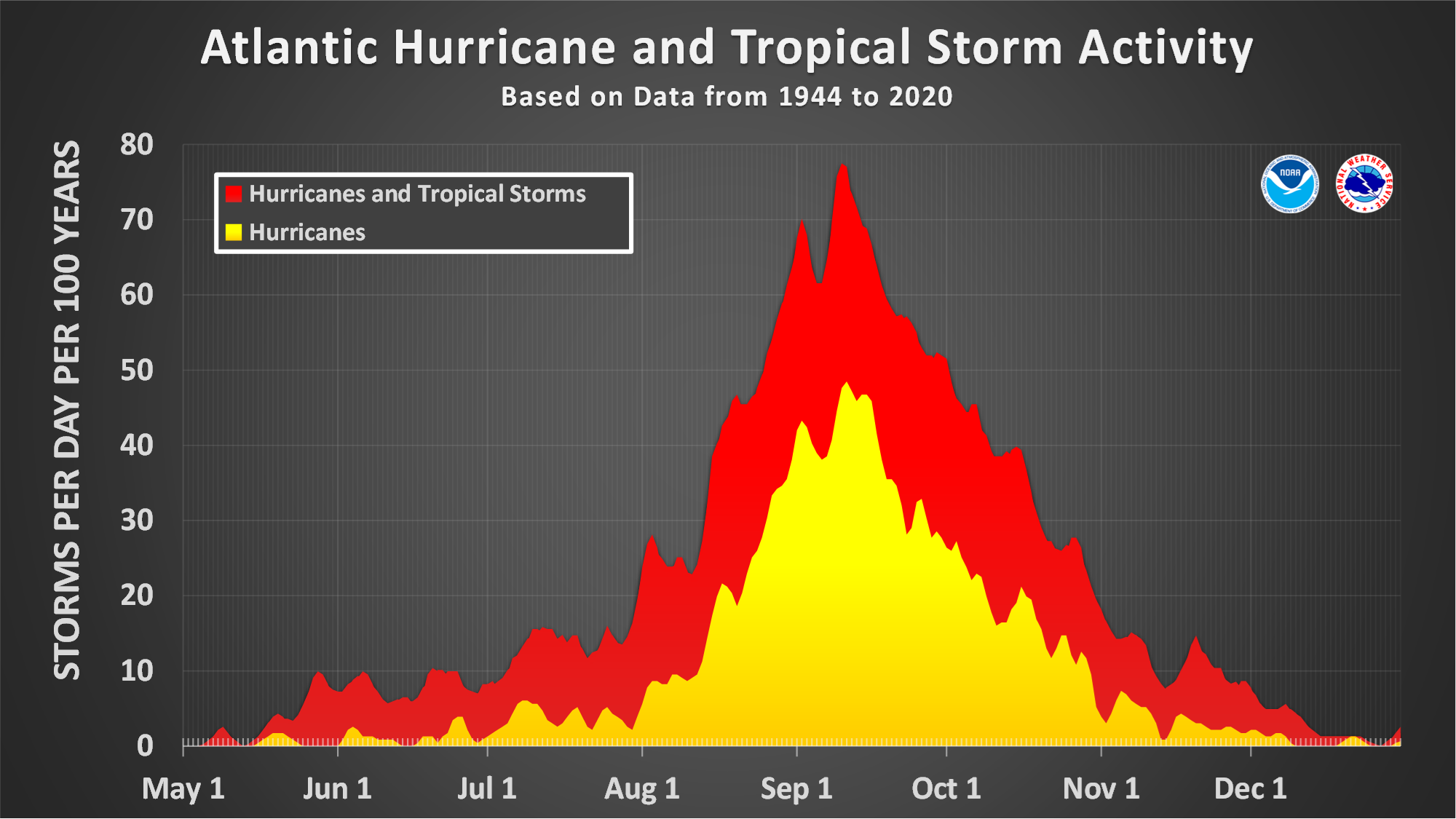
The Atlantic Hurricane Season, which impacts Florida and the rest of the United States’ East Coast, officially runs from June 1st to November 30th each year. This six-month window covers the period when conditions in the Atlantic Ocean, Gulf of Mexico, and Caribbean Sea are most conducive to the formation of tropical systems. While storms can occasionally form outside these dates, they are rare and typically less intense. For travelers, this means that any trip planned between early summer and late fall should factor in the possibility of tropical weather events.
Peak Season Unveiled
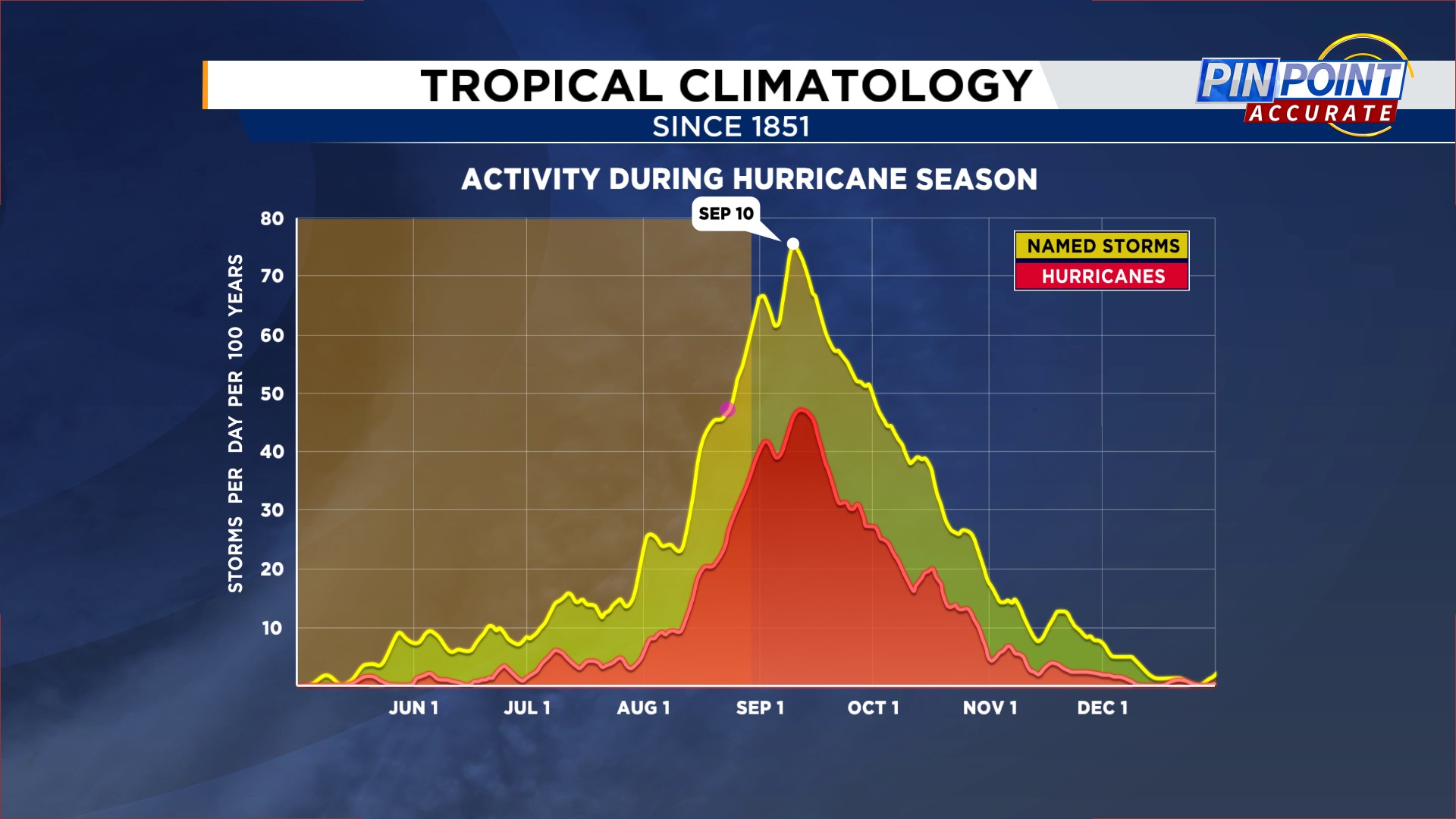
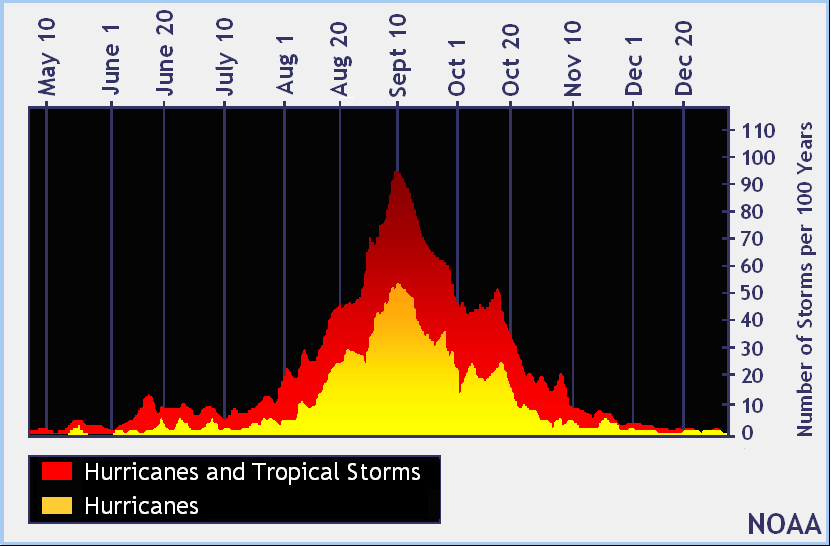
Within this official six-month window, there are specific periods that are historically more active. The peak of hurricane season in Florida typically occurs from August through October. During these months, ocean waters are at their warmest, and atmospheric conditions, such as low wind shear, are often optimal for tropical depressions to intensify into tropical storms and hurricanes.
- August: Marks the beginning of increased activity, with more frequent formation of tropical waves off the coast of Africa that can develop into powerful storms as they cross the Atlantic.
- September: Statistically the most active month for hurricane formation and intensity. This is when the odds of encountering a significant storm are highest.
- October: Activity gradually begins to taper off but can still be significant, particularly in the Caribbean and Gulf of Mexico, sometimes affecting South Florida or the Florida Panhandle.
Understanding this peak season doesn’t mean you should avoid Florida entirely during these months. Instead, it highlights the importance of enhanced vigilance and preparation, allowing you to enjoy the benefits of off-peak travel with confidence.
Beyond the Dates: What is a Hurricane?
To be truly prepared, it’s helpful to understand the terminology used by weather experts.
- Tropical Depression: An organized system of clouds and thunderstorms with a defined surface circulation and maximum sustained winds of 38 mph (61 km/h) or less.
- Tropical Storm: An organized system of strong thunderstorms with a defined surface circulation and maximum sustained winds between 39 mph (63 km/h) and 73 mph (118 km/h). At this stage, tropical systems are given names (e.g., Hurricane Ian, Hurricane Irma).
- Hurricane: A tropical cyclone with maximum sustained winds of 74 mph (119 km/h) or higher. Hurricanes are categorized on the Saffir-Simpson Hurricane Wind Scale from Category 1 to 5, with Category 5 being the most intense.
While the term “hurricane” often causes the most concern, any tropical system can bring heavy rains, strong winds, and storm surges that can disrupt travel plans. However, it’s crucial to remember that a direct hit from a major hurricane is a relatively rare event for any single location in Florida during any given season.
Navigating Travel During Hurricane Season: Planning Your Florida Escape
Traveling to Florida during hurricane season doesn’t have to be a gamble. With careful planning, smart choices, and a proactive approach, you can significantly mitigate potential risks and still have a fantastic time. This section focuses on practical tips for a worry-free Florida vacation.
Pre-Travel Preparation: Research and Insurance
Your journey to a peaceful Florida trip during hurricane season begins long before you pack your bags.
- Monitor Forecasts Diligently: Before and during your trip, make it a habit to check reliable weather forecasts from sources like the National Hurricane Center (NHC) or local news outlets. Pay attention to tropical weather outlooks, even if no storm is immediately threatening.
- Invest in Travel Insurance: This is perhaps the most critical recommendation. Travel insurance, particularly policies that include “cancel for any reason” (CFAR) or those with comprehensive trip interruption/cancellation benefits due to weather events, can be a lifesaver. Ensure you understand what your policy covers regarding hurricane-related delays, cancellations, evacuations, and medical emergencies. Purchase insurance well in advance of your trip, as policies typically don’t cover events that are already named or forecasted.
- Flexible Bookings: Whenever possible, opt for flights and accommodation with flexible cancellation or change policies. Many airlines and hotels offer more leniency during hurricane season, but it’s always best to confirm directly. This flexibility provides a crucial safety net should you need to adjust your plans.
Choosing Your Destination Wisely
While all of Florida is technically vulnerable to tropical systems, the impact can vary significantly by region. Consider the types of experiences you’re seeking and how a potential weather event might affect them.
- Inland vs. Coastal: Inland destinations like Orlando, home to Walt Disney World Resort and Universal Orlando Resort, are generally less susceptible to storm surge flooding compared to coastal areas. While they can still experience heavy winds and rain, the primary risk differs.
- Popular Coastal Havens: Miami, Fort Lauderdale, Key West, Tampa, Naples, Sarasota, and Clearwater Beach all offer stunning beaches and vibrant atmospheres. If you’re set on a coastal vacation, research the specific storm history of your chosen area and be prepared for potential beach closures or water activities interruptions. St. Augustine, with its rich history and cobblestone streets, is another popular choice, though also coastal.
- Florida Panhandle: Areas like Pensacola and Destin offer beautiful white sand beaches but are also within the hurricane belt.
The key isn’t to avoid these destinations but to approach them with heightened awareness and a solid contingency plan.
Accommodation Choices and Safety
Your choice of accommodation is vital during hurricane season. Whether you prefer hotels, resorts, apartments, or villas, consider these factors:
- Hotel Hurricane Policies: Inquire about the hotel’s specific hurricane policy before booking. Many major resorts and chains offer “hurricane guarantees” that allow for penalty-free cancellations or re-bookings if a storm threatens.
- Evacuation Plans: Understand the accommodation’s evacuation procedures. Are they equipped to shelter in place if necessary, or do they have plans for guest relocation?
- Emergency Amenities: Does the hotel have backup generators for power outages? Is there ample access to emergency supplies, water, and non-perishable food? Some luxury resorts are well-prepared for such scenarios, offering guests peace of mind.
- Location: For villas or apartments booked through services, confirm their proximity to emergency services and ensure the property is up to current building codes for storm resilience.
By asking the right questions and choosing reputable accommodation, you can ensure a safer and more comfortable stay, regardless of the weather.
Making the Most of Your Florida Trip, Even During Hurricane Season
Despite the meteorological considerations, traveling to Florida during hurricane season offers unique advantages that can enhance your lifestyle and travel experiences. From fewer crowds to attractive deals, there’s plenty to love about a summer or fall trip to the Sunshine State.
Off-Peak Advantages: Fewer Crowds and Better Deals
One of the most compelling reasons to visit Florida during hurricane season is the significant reduction in crowds and prices.
- Cost Savings: As schools resume and families conclude their summer vacations, demand for flights, hotels, and attractions decreases. This translates into more affordable accommodation rates, potentially lower airfares, and better deals on vacation packages. For budget travel enthusiasts, this can be an opportune time to experience Florida’s luxury at a fraction of the cost.
- Fewer Crowds: Imagine exploring Walt Disney World Resort or Universal Orlando Resort with shorter wait times, or enjoying the tranquility of South Beach without the shoulder-to-shoulder crowds. Many popular landmarks and destinations become more accessible and enjoyable when tourism peaks subside. This allows for a more relaxed pace, deeper engagement with local culture, and often, better service.
These advantages make off-peak travel appealing for those who prioritize value and a more serene atmosphere.
Embracing Florida’s Diverse Attractions
Florida’s appeal extends far beyond its beaches and theme parks, offering a wealth of activities suitable for any weather contingency.
- Beyond the Coasts: While coastal beauty is a hallmark, consider Florida’s impressive inland nature landmarks like Everglades National Park or the natural springs of Central Florida. These areas offer unique wildlife viewing, airboat tours, and hiking trails.
- Cultural and Historical Immersion: Explore the historic charm of St. Augustine, the nation’s oldest city, with its ancient fort and cobblestone streets. Dive into the vibrant local culture and food scene of Miami’s Little Havana or the eclectic vibe of Key West’s Duval Street. Museums, art galleries, and indoor attractions offer excellent alternatives on rainy days.
- Theme Park Delights: Orlando’s world-renowned theme parks are well-equipped to handle various weather conditions. While outdoor rides may temporarily close during heavy rain or lightning, there are numerous indoor shows, attractions, and dining options to enjoy. Many parks also offer rain checks or flexible ticket policies for inclement weather.
Embracing the full spectrum of Florida’s offerings ensures that even if a tropical system disrupts outdoor plans, your vacation remains rich with diverse experiences.
Essential Safety Tips and Resources
Staying informed and prepared is paramount for safe travel during hurricane season.
- Stay Informed and Heed Warnings: Continuously monitor official weather advisories from the National Hurricane Center (NHC) and local authorities. Pay attention to watches (conditions are possible) and warnings (conditions are expected).
- Have a Communication Plan: Ensure everyone in your travel party knows how to contact each other and a designated out-of-state contact in an emergency. Keep cell phones charged and consider a portable power bank.
- Know Your Accommodation’s Emergency Procedures: Familiarize yourself with the evacuation routes and shelter-in-place protocols specific to your hotel, resort, or villa.
- Assemble a Basic Emergency Kit: Carry essentials like bottled water, non-perishable snacks, any necessary medications, a first-aid kit, a flashlight, and extra batteries.
- Follow Local Authority Instructions: If an evacuation order is issued for your area, leave promptly. Local officials prioritize your safety.
By following these guidelines, you empower yourself to make safe and responsible decisions, allowing you to focus on enjoying your Florida vacation.
Personal Stories & Experiences: Is a Summer/Fall Florida Trip Right for You?
Ultimately, the decision to visit Florida during hurricane season depends on your personal lifestyle, risk tolerance, and priorities. Many people travel to Florida safely and happily during these months, benefiting from the reduced crowds and attractive pricing that characterize the off-peak season.
For those considering a luxury travel experience, the ability to secure prime resorts and exclusive experiences at a more favorable rate can be incredibly appealing. Families on a budget travel plan can find the reduced costs for accommodation and attractions allow them to stretch their vacation funds further, enabling a longer stay or more diverse activities. Even for business stays or extended long-term stays, the quieter atmosphere and competitive pricing can be advantageous.
However, it’s crucial to acknowledge the inherent weather risk. While direct hurricane impacts are infrequent for any specific spot, tropical storms can bring several days of heavy rain and wind, potentially disrupting outdoor plans. Travelers must weigh the benefits of fewer crowds and lower costs against the need for diligent weather monitoring and the possibility of last-minute changes to their itinerary.
If you are someone who enjoys meticulous planning, is comfortable with the idea of flexibility, and prioritizes value and a more relaxed environment, then a summer or fall trip to Florida could be an ideal choice. By adhering to the safety tips, securing adequate travel insurance, and staying informed, you can join the countless visitors who successfully navigate hurricane season and create lasting memories in the Sunshine State. The vibrant local culture, diverse landscapes, and world-class attractions await, ready to be explored with a savvy and prepared mindset.
In conclusion, while Florida’s hurricane season from June 1st to November 30th presents a unique set of considerations for travelers, it by no means necessitates postponing your dream vacation. With robust preparation, informed choices, and a commitment to safety, you can confidently immerse yourself in the wonders of Florida. Embrace the opportunity for a more intimate and often more affordable experience, knowing that you’ve taken all necessary steps to ensure a secure and unforgettable journey. Enjoy the sunshine, the vibrant tourism scene, and the unparalleled hospitality that makes Florida a cherished destination year-round.
LifeOutOfTheBox is a participant in the Amazon Services LLC Associates Program, an affiliate advertising program designed to provide a means for sites to earn advertising fees by advertising and linking to Amazon.com. Amazon, the Amazon logo, AmazonSupply, and the AmazonSupply logo are trademarks of Amazon.com, Inc. or its affiliates. As an Amazon Associate we earn affiliate commissions from qualifying purchases.