
Florida, often affectionately known as the Sunshine State, is a magnet for travelers worldwide, drawing millions with its pristine beaches, vibrant cities, and world-class attractions. From the magical realm of Walt Disney World Resort in Orlando to the sun-drenched shores of South Beach in Miami, and the unique charm of the Florida Keys, there’s an endless array of experiences to discover. However, part of understanding travel to this beautiful peninsula involves acknowledging its annual hurricane season. For those planning a trip, the question isn’t whether hurricanes can impact Florida, but when the hurricane season officially begins and how best to prepare for it.
Hurricane season in the Atlantic Basin, which includes Florida, officially runs from June 1st to November 30th each year. While this six-month window might seem daunting to prospective visitors, it’s crucial to understand that not every day within this period poses a direct threat, nor does every storm make landfall or significantly disrupt travel plans across the entire state. Many visitors enjoy wonderful, hurricane-free vacations during these months. The key lies in informed planning, flexibility, and a proactive approach to monitoring weather patterns. This comprehensive guide will delve into what travelers need to know about Florida’s hurricane season, offering insights into preparation, safety, and how to still enjoy an unforgettable trip amidst the natural rhythms of this captivating destination.

Navigating Florida’s Hurricane Season: What Travelers Need to Know
Understanding the dynamics of hurricane season is the first step towards a stress-free Florida vacation. While the season spans half the year, certain periods are statistically more active, and knowing what to expect can significantly aid in travel planning.
Understanding the Annual Cycle: Peak Season and Beyond
The Atlantic hurricane season officially starts on June 1st and concludes on November 30th. Historically, the busiest period for hurricane activity in Florida and the broader Atlantic basin is from mid-August through late October, with a distinct peak around early to mid-September. During this peak window, oceanic conditions are typically most conducive for storm formation and intensification, characterized by warmer sea surface temperatures and reduced wind shear.
Early season (June and July) storms tend to form closer to the United States mainland and the Gulf of Mexico, often developing rapidly. Late season (November) activity typically diminishes as colder air masses begin to penetrate the tropics, though powerful storms can still emerge. It’s important to remember that these are statistical trends; a hurricane can form at any time during the season. Therefore, travelers visiting Florida within this six-month window should always maintain a level of awareness, regardless of the specific month.
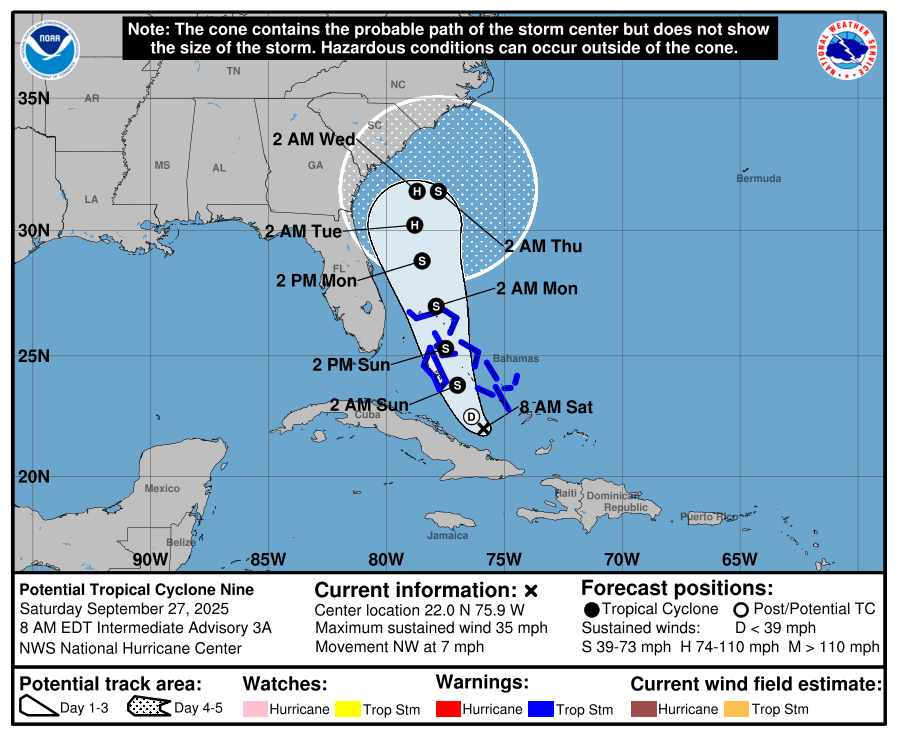
The Science Behind Florida’s Vulnerability
Florida’s geographical location makes it particularly susceptible to hurricanes. As a peninsula bordered by the Atlantic Ocean to the east and the Gulf of Mexico to the west, it lies directly in the path of many storm systems originating from off the coast of Africa (Cape Verde-type storms) or forming in the Caribbean Sea. The warm waters surrounding Florida provide ample fuel for these powerful weather systems, allowing them to strengthen as they approach the coast. Furthermore, the state’s relatively low elevation, especially in coastal areas like Miami and the Florida Keys, makes it vulnerable to storm surge, one of the most dangerous aspects of a hurricane. Understanding this scientific context helps travelers appreciate the importance of preparedness and why officials take these weather events so seriously.
Key Terminology: Watches, Warnings, and What They Mean for Your Trip
Travelers monitoring a potential storm will encounter specific terminology from official weather sources. Understanding these terms is crucial for making informed decisions:
- Tropical Depression: An organized system of clouds and thunderstorms with a defined surface circulation and maximum sustained winds of 38 mph (61 km/h) or less. While less intense, they can bring significant rainfall.
- Tropical Storm: An organized system of strong thunderstorms with a defined surface circulation and maximum sustained winds between 39 mph (63 km/h) and 73 mph (118 km/h). At this stage, storms are given names (e.g., Tropical Storm Andrea).
- Hurricane Watch: Issued when hurricane conditions (sustained winds of 74 mph or higher) are possible within a specified area within 48 hours. This means it’s time to activate your hurricane plan and monitor updates very closely. For travelers, this signals a high likelihood of travel disruptions and potential need for evacuation.
- Hurricane Warning: Issued when hurricane conditions are expected within a specified area within 36 hours. This is the most serious alert, indicating that preparations should be rushed to completion, and evacuation orders may be issued. Travel at this point is highly discouraged, and most services will begin shutting down.
Familiarity with these terms empowers travelers to interpret forecasts accurately and respond appropriately, ensuring their safety and minimizing potential disruptions to their vacation.

Protecting Your Florida Vacation: Preparation and Flexibility
Even with the possibility of hurricane activity, a fantastic Florida vacation during the summer and fall is entirely achievable. The key is thorough preparation and maintaining a flexible mindset.
Travel Insurance: Your Essential Lifeline
For any trip to Florida during hurricane season, comprehensive travel insurance is not just recommended, it’s virtually essential. Look for “cancel for any reason” (CFAR) policies if available, as standard policies often have specific clauses regarding natural disasters. Ensure your policy covers:
- Trip Cancellation/Interruption: For reimbursement if your trip is cut short or cancelled due to a hurricane or official evacuation order.
- Travel Delay: To cover unexpected costs like extra nights in a hotel or meals if your flight is delayed or cancelled.
- Emergency Medical: For any unforeseen health issues, including those that might arise from storm-related incidents.
- Baggage Delay/Loss: If your luggage is delayed or lost due to travel disruptions.
Carefully read the fine print, especially regarding “named storms” and “foreseeable events,” as policies typically won’t cover events that were already named or known when you purchased the insurance. Purchasing insurance well in advance of your travel dates, ideally before June 1st or before any storm develops, is critical.
Booking Smart: Flexible Policies and Last-Minute Planning
When booking flights and accommodation for your Florida trip during hurricane season, prioritize flexibility.
- Airlines: Choose airlines that offer flexible change policies or consider booking refundable fares, even if they cost slightly more. Many airlines waive change fees if a hurricane directly impacts your departure or arrival airport.
- Hotels & Resorts: Opt for hotels, resorts, or rental properties (like through Airbnb or VRBO) with clear and generous cancellation policies. Look for properties that offer free cancellation up to 24 or 48 hours before check-in. Popular luxury options like the Hyatt Regency Orlando or The Breakers Palm Beach often have robust contingency plans but review their specific cancellation terms.
- Last-Minute Deals: For truly flexible travelers, waiting until closer to your travel dates to book can sometimes yield excellent deals. By booking a few weeks out, you’ll have a much clearer picture of the immediate weather forecast.
Keeping an Eye on the Forecast: Reliable Resources
Constant vigilance is not required, but regular checks on reputable weather sources are advisable. Bookmark these sites:
- National Hurricane Center (NHC): This is the definitive source for hurricane forecasts and advisories in the Atlantic. Their website (nhc.noaa.gov) provides real-time updates, cone graphics, and detailed storm information.
- Local Florida News Stations: Tune into local news or check their websites for specific impacts on the region you plan to visit.
- Weather Apps: Utilize trusted weather apps that provide push notifications for severe weather alerts.
Before and during your trip, check these sources daily, especially if a storm system is developing anywhere in the Atlantic.
Accommodation Choices: Prioritizing Safety and Amenities
When selecting your accommodation, consider its hurricane preparedness.
- Inland vs. Coastal: Properties further inland, particularly in cities like Orlando which is centrally located, tend to be less susceptible to storm surge and coastal flooding. However, wind and rain can still be significant. Coastal properties like The Don CeSar in St. Pete Beach are typically built to withstand hurricanes, but guests may still face evacuation orders.
- Resort Amenities: Larger resorts often have more robust emergency plans, backup generators, and on-site facilities that can keep guests comfortable if travel is temporarily restricted. They may also have dedicated staff to assist with rebooking or information dissemination.
- Evacuation Zones: Be aware if your chosen hotel or rental property is in an official evacuation zone. Florida counties have detailed maps available online showing these zones.
Exploring Florida During Hurricane Season: Tips for a Rewarding Experience
Despite the seasonal weather considerations, Florida during the summer and fall offers unique advantages and ample opportunities for a memorable trip. With smart planning, you can minimize risks and maximize enjoyment.
Choosing Your Destination Wisely: Inland vs. Coastal Considerations
Your choice of destination can significantly influence your hurricane season experience.
- Inland Destinations: Cities like Orlando, home to Walt Disney World Resort, Universal Orlando Resort, and SeaWorld Orlando, are generally less affected by storm surge, although they can still experience heavy rain, strong winds, and potential flooding. Theme parks have well-established hurricane protocols, often closing early or entirely for safety, but reopening quickly once conditions improve.
- Coastal Destinations: Popular beach towns like Miami Beach, Fort Lauderdale, Sarasota, and the Florida Keys offer breathtaking coastal experiences but are more vulnerable to direct hurricane impacts. If you opt for a coastal trip, be extra diligent with your preparedness, understand evacuation routes, and be ready to adapt your plans.
Consider a multi-stop itinerary that includes both coastal and inland experiences, offering flexibility to shift plans if a coastal area is threatened.
Alternative Activities and Indoor Attractions
Even if a tropical storm or hurricane passes through, bringing a few days of inclement weather, Florida still offers a wealth of indoor activities.
- Museums & Galleries: Miami boasts the Pérez Art Museum Miami (PAMM) and the Phillip and Patricia Frost Museum of Science. St. Petersburg is home to The Dalí Museum.
- Shopping: From luxury boutiques in Palm Beach‘s Worth Avenue to expansive outlets like Orlando International Premium Outlets, indoor retail therapy is always an option.
- Aquariums: The Florida Aquarium in Tampa and Mote Marine Laboratory & Aquarium in Sarasota offer fascinating underwater worlds.
- Indoor Theme Park Attractions: Many rides and shows at Universal Orlando Resort and Walt Disney World Resort are indoors, providing shelter from the elements.
Embracing Local Culture and Cuisine Safely
Florida’s rich local culture and diverse culinary scene are often best experienced in towns and cities, many of which are well-equipped to handle bad weather.
- Food Tours: Explore the vibrant food scene of Little Havana in Miami or the historic district of St. Augustine.
- Live Music & Entertainment: Many hotels and venues offer live performances that can still be enjoyed even if outdoor activities are on hold.
- Cooking Classes: Immerse yourself in Florida’s fresh seafood and Latin influences through a cooking class.
Always ensure that establishments are open and operating safely by checking their websites or calling ahead.
The Silver Lining: Fewer Crowds and Potential Deals
One significant advantage of traveling to Florida during hurricane season, particularly outside the absolute peak, is the potential for fewer crowds. With school back in session and many families avoiding the peak season, popular attractions can be significantly less busy, leading to a more relaxed and enjoyable experience.
Additionally, demand for accommodation and flights may decrease, opening up opportunities for budget-friendly travel. Many hotels and resorts offer special packages and discounts during the off-peak summer and fall months, making luxury travel more accessible or allowing budget travelers to stretch their funds further. Just remember that these potential savings come with the trade-off of needing to be more diligent with weather monitoring and preparedness.
Iconic Florida Destinations and Hurricane Preparedness
Let’s look at how hurricane season might specifically impact some of Florida’s most beloved destinations.
Miami and South Florida: Coastal Beauty with a Plan
Miami and the surrounding South Florida region, including Fort Lauderdale and Palm Beach, are iconic for their beaches, nightlife, and Latin influence. These areas are front-line coastal communities.
- Preparedness: Miami-Dade County has comprehensive hurricane preparedness guides and well-defined evacuation zones. Many high-rise hotels along South Beach and Sunny Isles Beach are built to stringent hurricane codes and often have internal emergency plans.
- Considerations: Be aware of storm surge risks, especially in barrier island communities. If a storm threatens, local authorities are quick to issue evacuation orders, which must be followed. Attractions like Biscayne National Park and the Everglades National Park may close due to flooding or dangerous conditions.
Orlando’s Theme Parks: Operations During Inclement Weather
Orlando is the theme park capital of the world, drawing families to Walt Disney World Resort and Universal Orlando Resort. While inland, these parks are not immune to hurricane effects.
- Preparedness: The major theme parks have highly sophisticated weather monitoring systems and detailed hurricane policies. They prioritize guest and cast member safety above all else. Parks may close partially or entirely for the duration of a severe storm and reopen quickly once safe.
- Considerations: Heavy rains and strong winds can still affect outdoor rides and park operations. Most resorts within Walt Disney World and Universal Orlando are designated as shelters for guests during storms, providing food, water, and entertainment. Guests staying off-site should confirm their hotel’s storm plan.
The Florida Keys: Unique Challenges and Charms
The Florida Keys, stretching from Key Largo to Key West, offer a distinct island lifestyle. Their linear geography and reliance on US-1 for access present unique challenges during hurricane season.
- Preparedness: Monroe County (the Florida Keys) has strict and early evacuation orders due to the single evacuation route. Hotels and businesses are well-versed in storm preparedness.
- Considerations: Expect early evacuation orders if a storm threatens. Visitors to Key West should be prepared to leave well in advance. Road closures on US-1 are common during and after storms, impacting entry and exit. Despite this, the allure of the Keys remains strong, especially during calmer weather periods in the shoulder months.
The Gulf Coast Gems: Adapting to Nature’s Rhythms
Florida’s Gulf Coast is famed for its soft, white sand beaches and stunning sunsets, from Naples and Sarasota to Tampa and the Panhandle.
- Preparedness: Each county along the Gulf Coast has its own emergency management systems. Coastal towns like Clearwater Beach and Siesta Key are highly experienced in hurricane procedures. Busch Gardens Tampa Bay also has its own storm protocols.
- Considerations: The Gulf of Mexico can spawn rapidly intensifying storms. Coastal areas are susceptible to storm surge and heavy rainfall. Keep a close watch on forecasts specifically for the Gulf Coast if your travels take you there.
Essential Resources and Emergency Planning for Travelers
Being informed and having a personal emergency plan are crucial for any traveler visiting Florida during hurricane season.
State and Local Emergency Management Agencies
The most reliable information during a hurricane threat will come from official government sources:
- Florida Division of Emergency Management: The state’s primary agency for coordinating disaster response. Their website (floridadisaster.org) offers comprehensive guides, real-time updates, and resources.
- County Emergency Management Websites: Each Florida county has its own emergency management division, providing localized information on evacuation zones, shelters, and specific advisories for areas like Pinellas County or Lee County.
- Wireless Emergency Alerts (WEA): Ensure your mobile phone is set up to receive WEA messages, which are location-based emergency alerts from government authorities.
Familiarize yourself with the county you plan to visit and its emergency resources before you travel.
Hotel and Resort Specific Protocols
Upon checking into your accommodation, take a moment to understand their emergency procedures.
- Emergency Plans: Inquire about the hotel’s hurricane plan, including where to go in case of an evacuation, how they communicate with guests, and what services will be available if power is lost.
- Communication: Confirm how the hotel will provide updates to guests (e.g., through TV channels, intercoms, or mobile app).
- Amenities: Ask about backup power for essential services, access to food and water, and any on-site activities available if guests are confined to the property. Large resorts like those near Kennedy Space Center Visitor Complex or in areas like Amelia Island often have well-drilled procedures.
Packing Essentials for Unexpected Delays
Beyond your typical vacation packing list, consider these additions for hurricane season travel:
- Basic First Aid Kit: With any personal medications.
- Flashlight and Spare Batteries: Power outages can occur.
- Portable Phone Charger/Power Bank: To keep devices charged.
- Cash: ATMs may not work during power outages.
- Important Documents: Keep travel insurance details, booking confirmations, and identification in a waterproof bag.
- Non-Perishable Snacks and Bottled Water: A small supply can be helpful, especially if you get delayed in transit.
- Entertainment: Books, games, or downloaded movies/shows for potential downtime without electricity.
While the prospect of hurricanes can be unsettling, traveling to Florida during hurricane season is a common and often rewarding experience. By staying informed, being proactive in your planning, and maintaining flexibility, you can confidently navigate the season and enjoy all the incredible sights, sounds, and tastes that the Sunshine State has to offer. Remember, millions visit Florida safely and happily every year during these months. With the right preparation, your trip can be just as magical.
LifeOutOfTheBox is a participant in the Amazon Services LLC Associates Program, an affiliate advertising program designed to provide a means for sites to earn advertising fees by advertising and linking to Amazon.com. Amazon, the Amazon logo, AmazonSupply, and the AmazonSupply logo are trademarks of Amazon.com, Inc. or its affiliates. As an Amazon Associate we earn affiliate commissions from qualifying purchases.