
The devastating wildfires that frequently sweep across California have become a recurring and tragic phenomenon. Each year, these infernos not only threaten lives and destroy property but also cast a pall over the state’s natural beauty and impact its tourism industry. While much of the focus remains on the immediate on-the-ground efforts within the United States, a crucial question emerges regarding the role and impact of neighboring Mexico in addressing these complex environmental challenges. This exploration delves into the multifaceted ways in which Mexico, through its geography, resources, and cooperative efforts, can and does contribute to mitigating the impact of California’s wildfires, and how this cross-border relationship is vital for regional ecological health and the resilience of shared environments.

Cross-Border Environmental Dynamics
The geographical proximity of Mexico to California means that environmental issues often transcend national borders. Wildfire smoke, for instance, is a pervasive concern that can travel hundreds, if not thousands, of miles, affecting air quality and public health in both regions. Understanding these interconnected dynamics is essential to appreciating Mexico’s potential role in wildfire management.
Shared Ecosystems and Natural Resources
The border region is characterized by a shared tapestry of ecosystems, including deserts, chaparral, and mountainous terrain. These environments are susceptible to the same ignition sources and conditions that fuel wildfires. Mexico possesses vast tracts of land that share ecological similarities with California’s fire-prone areas. The management of these lands within Mexico directly influences the overall fire risk for the entire region. For example, effective forest management practices in northern Mexican states can help prevent the buildup of fuel that, when ignited, can lead to catastrophic fires.
Furthermore, natural resources such as water, which is critical for firefighting, are also part of a transboundary system. While water scarcity is a growing concern across the American Southwest and parts of Mexico, collaborative water management strategies can indirectly support firefighting efforts. Access to water sources, even those located in border regions, can be vital for aerial and ground suppression operations, underscoring the interdependence of environmental strategies.
Climate and Weather Patterns
The climate patterns that contribute to extreme fire weather in California – such as prolonged droughts, high temperatures, and strong winds – are not confined to one side of the border. These same climatic conditions often prevail in northern Mexico. Therefore, understanding and predicting these weather patterns is a joint effort. Data sharing and coordinated meteorological forecasting between the two countries can provide earlier warnings and more accurate predictions, allowing for proactive measures to be taken on both sides. This collaborative approach to weather monitoring is a silent but significant way in which Mexico contributes to California’s wildfire preparedness.
Cooperative Fire Management and Prevention Efforts
Beyond the inherent geographical and climatic connections, concrete cooperative efforts between Mexico and California are crucial for enhancing wildfire resilience. These collaborations involve resource sharing, joint training exercises, and the implementation of integrated fire management strategies.
Resource Sharing and Mutual Aid
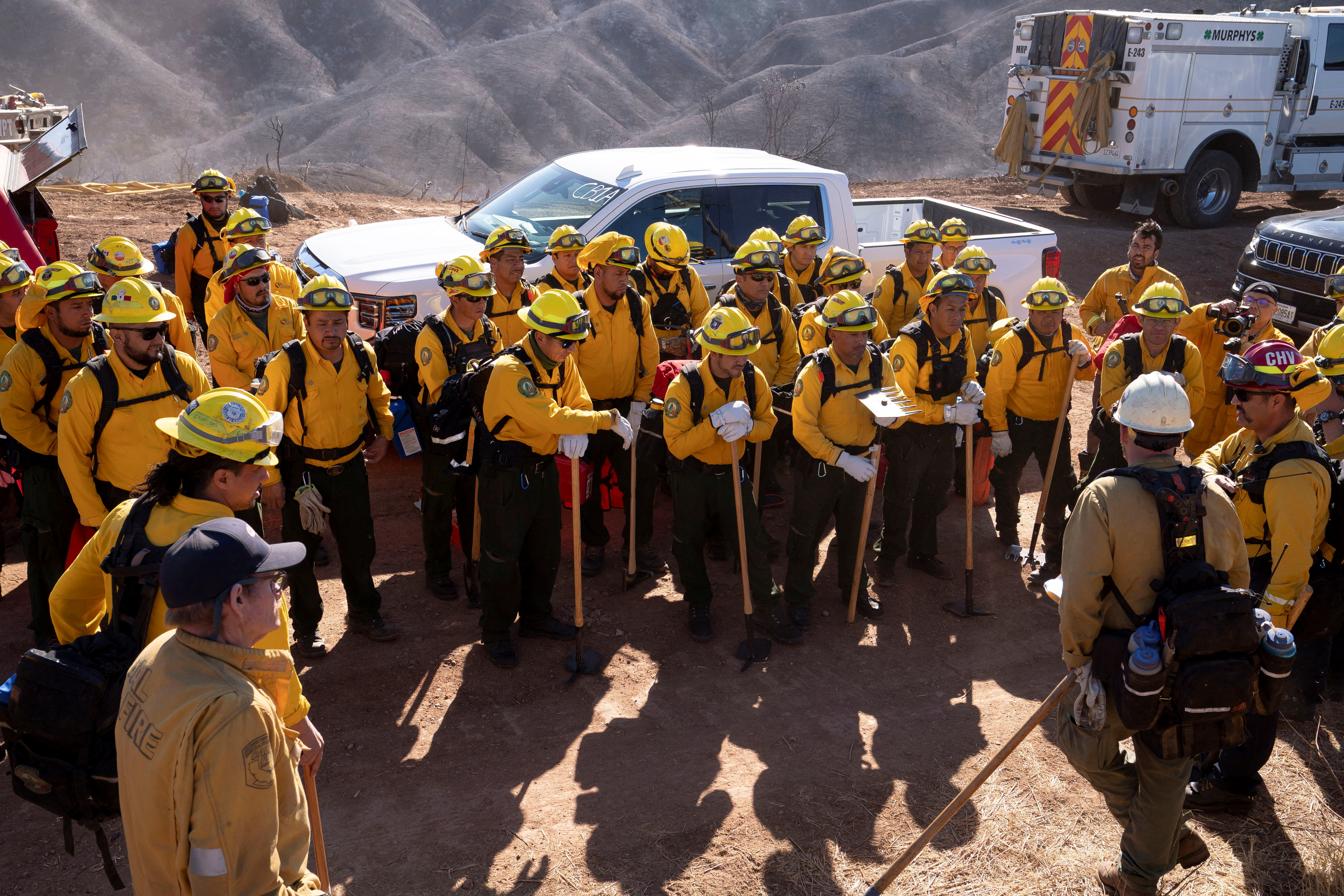
In times of severe wildfire crises, the concept of mutual aid becomes indispensable. While California has a highly developed firefighting infrastructure, the sheer scale of some fires can overwhelm even the best-resourced agencies. In such scenarios, neighboring countries can play a vital role. Mexico, through its own national firefighting services and disaster response agencies, can offer personnel and equipment. Although the deployment of Mexican firefighters to California might be less frequent than aid within the US, the potential for such assistance exists and is codified in various bilateral agreements. This could include the provision of specialized teams, air support, or logistical assistance. The principle of shared responsibility for regional environmental security means that Mexico can be a valuable partner in times of extreme need.
Joint Training and Information Exchange
Effective wildfire management relies heavily on well-trained personnel and the seamless exchange of information. Mexico and California have a vested interest in collaborating on training programs for firefighters and emergency responders. These joint exercises can familiarize teams with each other’s protocols, equipment, and command structures, ensuring greater interoperability during a crisis. Moreover, regular workshops and conferences focused on fire prevention techniques, ecological restoration, and post-fire recovery strategies facilitate the sharing of best practices and lessons learned. This continuous dialogue helps both nations adopt more effective and innovative approaches to combatting wildfires.
Border Fire Prevention Initiatives
Preventing fires from igniting in the first place is a cornerstone of effective wildfire management. Initiatives that focus on the border region are particularly important. This can include coordinated efforts to monitor and patrol remote areas, manage vegetation along the border to create defensible spaces, and conduct public awareness campaigns in border communities about fire risks and safe practices. When Mexico actively engages in these prevention strategies on its side of the border, it directly contributes to reducing the likelihood of fires that could spread into California.
The Economic and Environmental Interdependence
The impact of wildfires extends far beyond immediate destruction, influencing economies and ecological systems on both sides of the border. Understanding this interdependence highlights why Mexico’s role in wildfire mitigation is not just a matter of environmental cooperation but also economic and social stability.
Tourism and Border Economies
California and northern Mexico share significant economic ties, particularly through tourism. Wildfires can devastate the tourism industry by forcing evacuations, closing roads and attractions, and creating an unhealthy environment due to smoke. When wildfires rage in California, the negative perception of air quality and safety can deter tourists from visiting the entire region, impacting resorts, hotels, and local businesses in both countries. Conversely, effective wildfire management and prevention in Mexico contributes to the overall health and attractiveness of the border region, indirectly benefiting California’s tourism sector by maintaining a safer and more appealing environment for visitors. Destinations like Baja California and its coastal towns rely on a healthy environment to attract visitors, and cross-border fire cooperation supports this economic vitality.
Air Quality and Public Health
The smoke plumes generated by large wildfires are a significant transboundary issue. When fires burn in California, the smoke often drifts southward, impacting air quality in Mexican border cities like Tijuana. Similarly, fires originating or spreading from Mexican territory can affect air quality in Southern California. Both countries share the burden of respiratory illnesses and other health problems associated with poor air quality. Therefore, Mexico’s efforts in preventing and controlling fires on its territory directly translate to improved air quality and public health outcomes for millions of people in California. This shared concern for public well-being underscores the importance of a unified approach to environmental protection.

Conclusion: A Shared Responsibility for a Sustainable Future
The question of whether Mexico is helping California fires is not a simple yes or no. It is a complex interplay of geography, environmental stewardship, and intentional cooperation. Mexico’s role is multifaceted, encompassing the management of its own ecosystems, participation in collaborative prevention and suppression efforts, and the inherent benefits derived from shared weather patterns and ecological health.
The vast natural landscapes of Mexico are an integral part of the North American environmental system. Responsible land management and proactive fire prevention strategies within Mexico are not just domestic concerns; they are essential contributions to the regional ecological stability that directly impacts California. Furthermore, formal and informal agreements for resource sharing, joint training, and information exchange create a more robust and coordinated defense against the escalating threat of wildfires.
Ultimately, the interconnectedness of our environment dictates a shared responsibility. The fires that ignite in one nation do not respect political borders, and their consequences ripple across communities and economies in both directions. By fostering stronger bilateral cooperation, investing in joint initiatives, and recognizing the profound interdependence of our natural resources and public well-being, Mexico and California can work together to build a more resilient future, safeguarding their shared landscapes and the lives of their citizens from the destructive fury of wildfires. This partnership is not merely a matter of aid; it is a strategic imperative for the ecological and economic health of the entire border region.
LifeOutOfTheBox is a participant in the Amazon Services LLC Associates Program, an affiliate advertising program designed to provide a means for sites to earn advertising fees by advertising and linking to Amazon.com. Amazon, the Amazon logo, AmazonSupply, and the AmazonSupply logo are trademarks of Amazon.com, Inc. or its affiliates. As an Amazon Associate we earn affiliate commissions from qualifying purchases.