
Miami, often affectionately known as the “Magic City”, conjures images of sun-drenched beaches, vibrant nightlife, art deco architecture, and a melting pot of cultures. For travelers planning a visit to this captivating destination in Florida, understanding its unique character goes beyond merely knowing the best hotels or where to find the freshest ceviche. The political leanings of a city can subtly, yet profoundly, shape its lifestyle, cultural offerings, and the very atmosphere that visitors experience. So, is Miami liberal or conservative? The answer, much like the city itself, is complex, dynamic, and anything but straightforward.
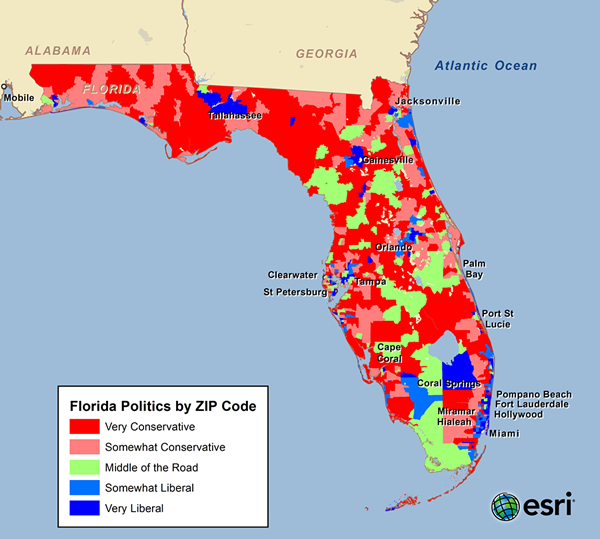
Unlike many major United States cities that lean definitively blue or red, Miami defies easy categorization. It is a city of intriguing contradictions, a “purple” patch in a state often considered a swing state, reflecting a fascinating blend of diverse ideologies, historical influences, and an ever-evolving demographic landscape. From the staunch conservatism of its older Cuban-American population to the progressive ideals of its burgeoning arts scenes and younger generations, Miami’s political identity is a tapestry woven with threads of immigrant experiences, economic aspirations, and a deep connection to its unique subtropical environment.
Understanding Miami’s Unique Political Tapestry
To truly grasp Miami’s political spectrum, one must first appreciate its unparalleled demographic makeup and historical context. It is a city forged by waves of immigration, primarily from Latin America and the Caribbean, each bringing their own perspectives, values, and political allegiances. This rich mosaic has cultivated a political environment unlike anywhere else in the United States.
The Cuban-American Influence: A Conservative Bedrock
Historically, the most significant political force in Miami-Dade County has been its large Cuban-American population. Fleeing communist rule in Cuba, early generations of exiles settled in Miami with a deep-seated distrust of socialist ideologies and a strong affinity for conservative principles. This translated into robust support for the Republican Party, which was seen as the strongest bulwark against communism and a champion of free-market capitalism. Neighborhoods like Little Havana became epicenters of this conservative sentiment, with community leaders and media outlets reinforcing these values across generations.
This demographic group’s influence is evident in the voting patterns, particularly in local and state elections, where candidates with strong anti-communist stances and pro-business platforms often find significant support. Many of Miami’s elected officials, from city commissioners to congressional representatives, have historically emerged from this conservative Cuban-American base. The legacy of their journey has instilled a profound appreciation for individual liberty, traditional family values, and a strong sense of community, all of which contribute to a conservative undercurrent in the city’s overall political ethos. This can manifest in everything from local business regulations to the types of public art and cultural events that receive funding and support, indirectly shaping the tourism and lifestyle offerings.
Beyond the Cubans: A Multifaceted Community
While the Cuban-American community remains influential, Miami’s demographics have diversified significantly over the past few decades. Waves of immigrants from other Latin American countries, including Venezuela, Colombia, Nicaragua, and Mexico, as well as Haiti and other Caribbean nations, have added new layers to the political landscape. These groups often bring varied political experiences and priorities. For instance, many Venezuelans and Nicaraguans who have fled socialist regimes tend to align with conservative viewpoints, mirroring the Cuban experience.
However, other groups, including many Colombians, Puerto Ricans, and younger generations across all ethnicities, often lean more liberal, focusing on issues like social justice, environmental protection, and LGBTQ+ rights. The influx of professionals and artists from other parts of the United States – particularly to neighborhoods like Wynwood, Brickell, and South Beach – further strengthens the progressive wing. These newcomers are often drawn to Miami’s dynamic economy, diverse culture, and appealing lifestyle, and many arrive with distinctly liberal political inclinations, pushing for policies that reflect urban progressive values. This blend creates a fascinating tension, where traditional values coexist with cutting-edge social movements. For travelers, this means finding both traditional culinary experiences in Coral Gables and avant-garde art installations in the Design District, reflecting the city’s wide spectrum.
Key Issues Shaping the Magic City’s Political Discourse
Beyond demographics, specific issues resonate deeply within Miami’s political discourse, often revealing its intricate balance of liberal and conservative perspectives. These issues not only dominate local headlines but also shape policy decisions that directly impact residents and visitors alike, influencing everything from urban planning to environmental initiatives and local tourism development.
Environmental Concerns and Coastal Resilience
One of the most unifying, yet politically charged, issues in Miami is climate change and coastal resilience. As a low-lying coastal city vulnerable to rising sea levels, increased flooding, and stronger hurricanes from the Atlantic Ocean, environmental concerns transcend traditional party lines to some extent. The threat to Miami’s economy, particularly its tourism and real estate sectors, is palpable.
While some conservative voices may downplay the severity or human causes of climate change, the tangible impacts of king tides creeping onto Ocean Drive and salt water intrusion affecting freshwater supplies force a practical, bipartisan approach to mitigation and adaptation. Local initiatives, such as raising roads, installing pumps, and investing in resilient infrastructure, often garner broad support. This focus on environmental protection, while driven by necessity, aligns with many liberal agendas, making it an area where Miami often appears more progressive out of self-preservation. Visitors might notice these efforts in action, from elevated walkways to public awareness campaigns about protecting the Biscayne Bay.
Economic Development and Social Equity
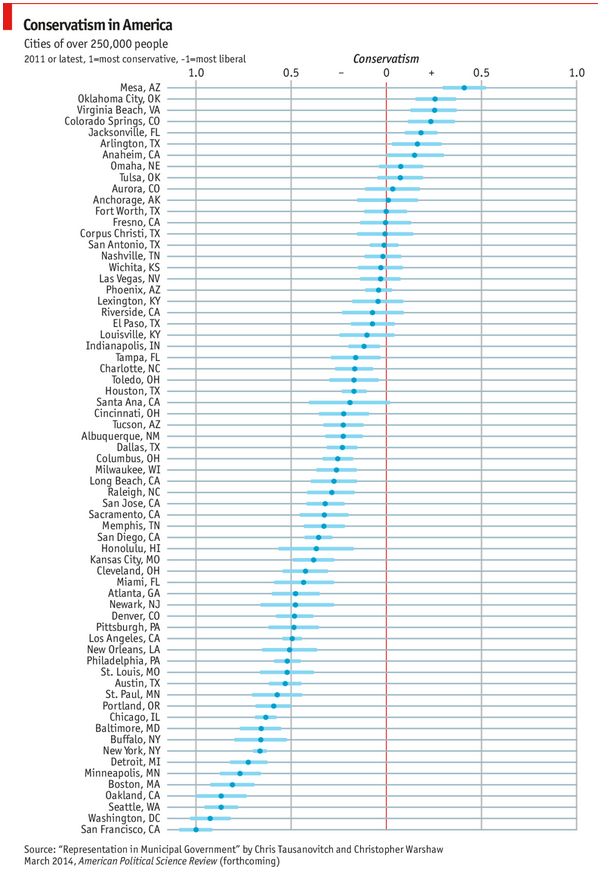
Miami’s economy thrives on tourism, international trade through PortMiami, and a rapidly growing tech and finance sector, particularly in Brickell and Downtown Miami. This pursuit of economic growth often aligns with conservative principles of deregulation, lower taxes, and business-friendly policies. The city actively courts foreign investment and promotes its status as a gateway to Latin America, fostering an environment where entrepreneurship is highly valued.
However, rapid development also brings challenges, such as affordable housing crises, income inequality, and gentrification, issues that often mobilize liberal activists. Debates frequently arise over balancing economic prosperity with social equity, ensuring that the benefits of growth are shared across all communities, not just the wealthy enclaves like Bal Harbour Shops or Aventura Mall. These discussions shape city planning, public transportation projects, and social services, demonstrating the ongoing tension between pro-business conservative impulses and socially conscious liberal demands. For instance, while luxury resorts like the Fontainebleau Miami Beach continue to attract high-end visitors, there’s also a growing emphasis on community-based tourism and supporting local businesses in areas like Little Havana.
The Cultural and Lifestyle Reflection of Miami’s Political Identity
The political leanings of a city are not just reflected in ballot boxes but also in its cultural output, its daily life, and the overall vibe it exudes. For visitors, this manifests in the types of attractions, events, and experiences available. Miami’s hybrid political identity contributes to its distinct and diverse lifestyle.
Arts, Culture, and Progressive Vibes
Miami has, in recent decades, transformed into a global arts and culture hub, largely driven by progressive visions. Events like Art Basel Miami Beach attract an international, often liberal, crowd, fostering a vibrant scene of contemporary art, design, and fashion. Neighborhoods like Wynwood, with its iconic street art and galleries, and the Design District, known for its high-end fashion and art installations, embody a distinctly liberal, experimental, and inclusive cultural spirit. Museums like the Pérez Art Museum Miami and the Frost Science Museum often host exhibitions that encourage critical thinking and engage with diverse perspectives.
The culinary scene is equally diverse, from farm-to-table restaurants emphasizing sustainability to eclectic fusion eateries, reflecting a progressive palate and lifestyle choices. South Beach remains a global LGBTQ+ friendly destination, known for its open-mindedness and acceptance. These aspects of Miami’s identity clearly lean liberal, attracting a younger, more diverse demographic seeking innovation, creativity, and social openness. This makes Miami an exciting destination for those looking for cutting-edge experiences and a cosmopolitan atmosphere.
Conservative Undercurrents and Traditional Values
Despite its progressive facade in certain areas, Miami’s conservative undercurrents are equally present and visible. Traditional family values, often rooted in Catholic and other religious traditions prevalent in Latin American cultures, continue to hold sway. You’ll find strong, family-oriented communities in areas like Coral Gables and Doral, where traditional holidays and cultural celebrations are deeply cherished.
The strong emphasis on personal responsibility, hard work, and entrepreneurship, often celebrated in the local business community, resonates with conservative ideals. Landmark institutions like the Freedom Tower, a symbol of hope for Cuban exiles, serve as reminders of the city’s conservative anti-communist roots. Visitors interested in history and more traditional cultural experiences can explore sites like Vizcaya Museum & Gardens or attend events like the Calle Ocho Music Festival, which celebrate the rich heritage of its immigrant communities while often upholding many conservative social values. Even high-end luxury resorts like the Faena Hotel Miami Beach often cater to an affluent clientele that might hold a mix of conservative and liberal economic views.
What Does This Mean for Travelers and Residents?
For those considering a trip to Miami or even a longer stay, understanding this political duality enriches the experience. It means that Miami offers a vast spectrum of experiences and perspectives, catering to a wide array of preferences.
Navigating the Diverse Landscape as a Visitor
Travelers will find that different parts of Miami lean more heavily in one direction or another. If you’re seeking a vibrant, progressive, and artsy atmosphere, areas like Wynwood, South Beach, and parts of Downtown Miami will likely appeal. Here you’ll find experimental cuisine, cutting-edge fashion, and a palpable sense of social openness. The nightlife along Lincoln Road Mall and the vibrant events at venues across the city tend to cater to a more liberal-minded crowd.
Conversely, if you prefer a more traditional, family-oriented, and perhaps quieter experience, neighborhoods like Coral Gables or Coconut Grove might be more to your liking, offering historic architecture, lush parks, and a more settled pace of life. Little Havana provides an immersive cultural experience rooted in conservative Cuban-American traditions, complete with authentic food and a strong sense of heritage. Even at Miami International Airport, you’ll encounter a diverse mix of people, reflective of the city’s global appeal.
Future Outlook: A Shifting Political Horizon
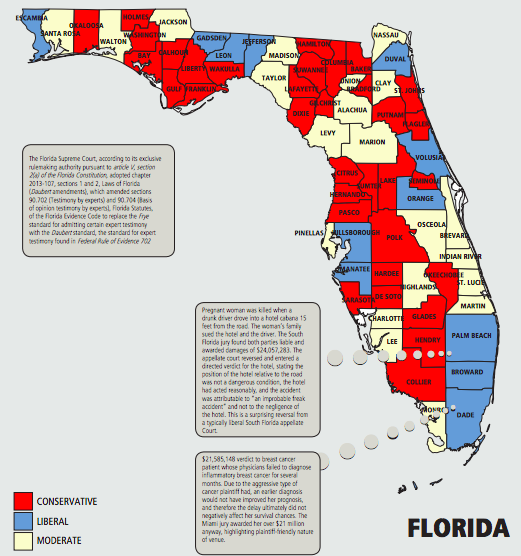
The political landscape of Miami is not static. Younger Cuban-Americans, often more integrated into American mainstream culture and exposed to diverse viewpoints, are showing increasingly liberal tendencies compared to their elders. The continuous influx of new residents from other U.S. cities and countries, combined with growing awareness of global issues like climate change, suggests a gradual shift. While Miami-Dade County consistently votes Democrat in presidential elections, local politics remain fiercely contested, often resulting in a blend of leadership that reflects the city’s purple hue.
In conclusion, labeling Miami as purely liberal or conservative is an oversimplification. It is a city that thrives on its contradictions and balances its diverse political currents, making it a truly unique destination. For any traveler or potential resident, embracing this complexity means appreciating the vibrant tapestry of cultures, ideologies, and lifestyles that make the Magic City one of the most intriguing places in the United States. Whether you’re drawn to its progressive art scene, its traditional Latin American heritage, or its forward-thinking environmental initiatives, Miami offers a rich, multi-faceted experience shaped by its profoundly mixed political identity.
LifeOutOfTheBox is a participant in the Amazon Services LLC Associates Program, an affiliate advertising program designed to provide a means for sites to earn advertising fees by advertising and linking to Amazon.com. Amazon, the Amazon logo, AmazonSupply, and the AmazonSupply logo are trademarks of Amazon.com, Inc. or its affiliates. As an Amazon Associate we earn affiliate commissions from qualifying purchases.