
In the dynamic world of travel and accommodation, discerning travelers are constantly seeking options that offer more than just a place to sleep. Among the myriad choices, from cozy boutique hotels to expansive resorts and self-catering apartments, suite hotels have carved out a significant niche, promising an elevated experience that blends comfort, convenience, and functionality. But what exactly defines a suite hotel, and why are they increasingly becoming the preferred choice for a diverse range of guests?
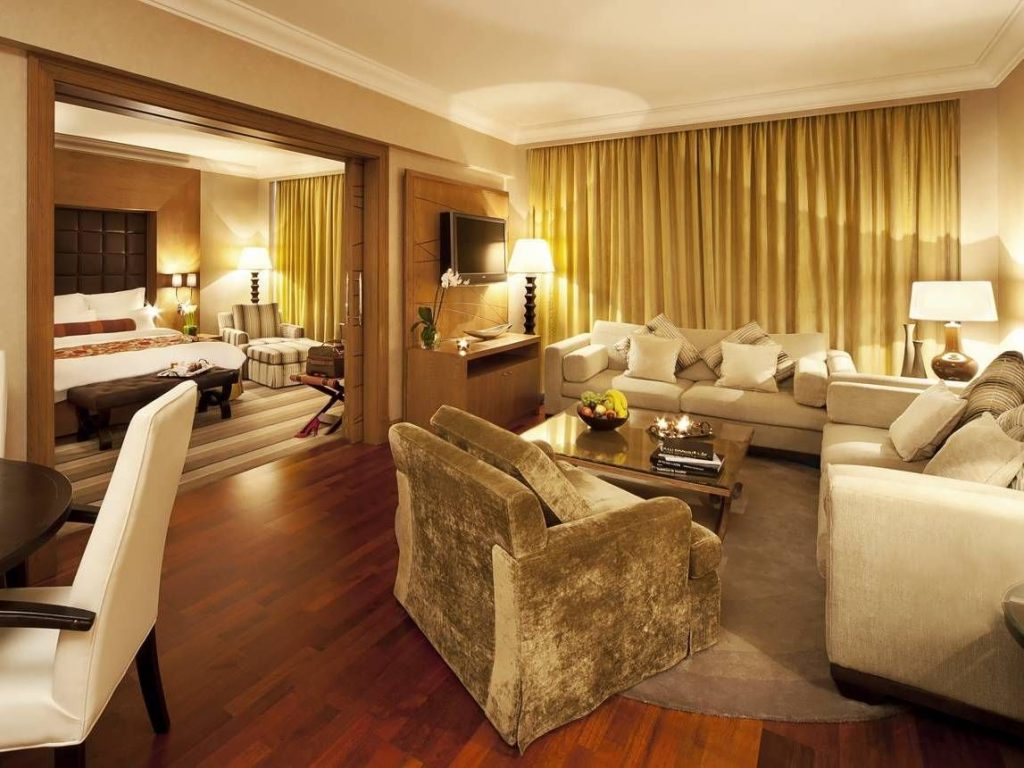
A suite hotel, at its core, is an accommodation establishment where every guest room offered is a “suite.” Unlike traditional hotel rooms that typically feature a single combined living and sleeping area, a suite invariably comprises at least two distinct spaces: a separate sleeping area (bedroom) and a living area (lounge or sitting room). This fundamental design principle is what sets suite hotels apart, providing guests with enhanced space, privacy, and amenities that cater to a broader spectrum of needs, whether for business, family trips, or extended stays.
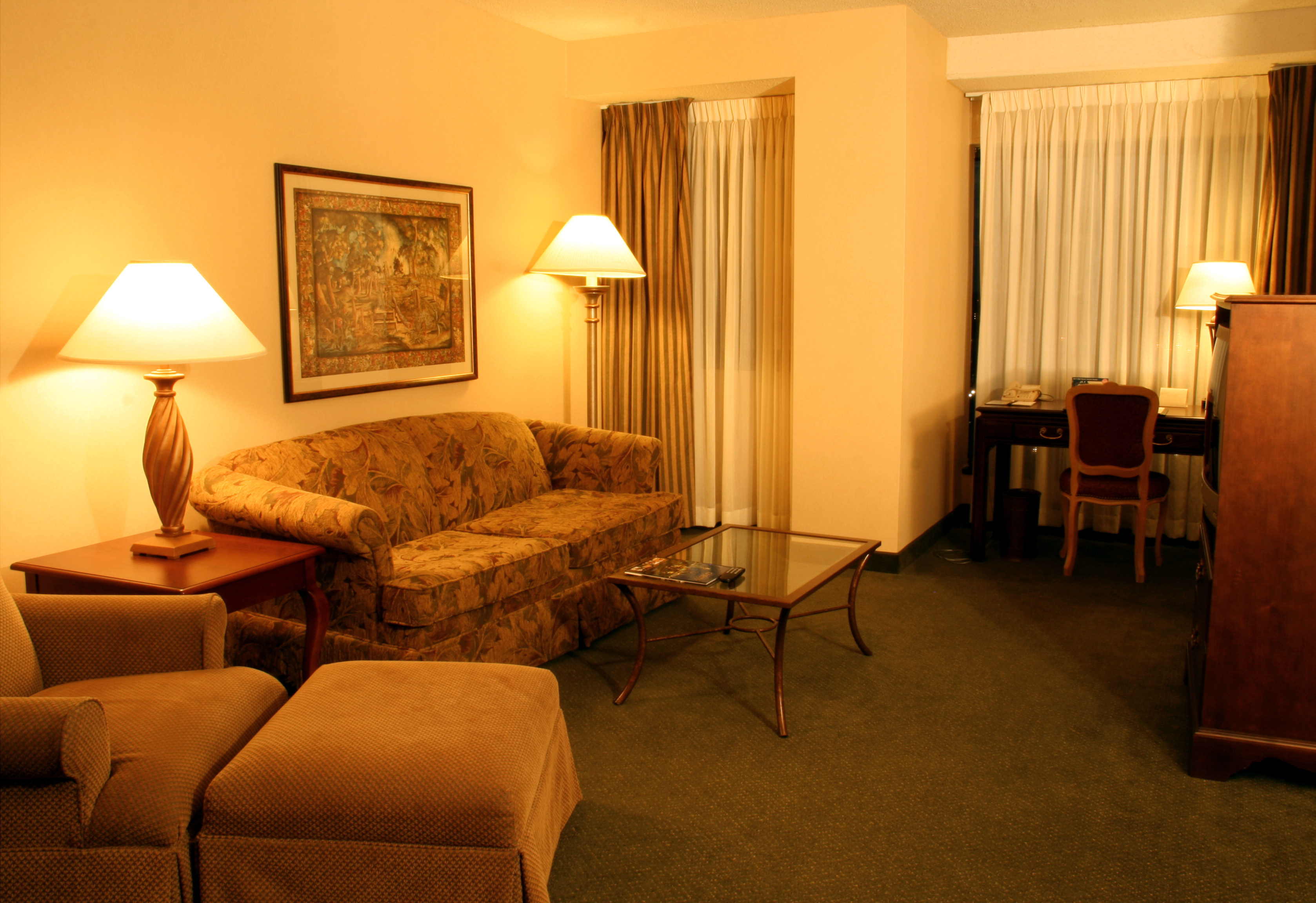
The concept of a suite hotel aligns perfectly with the evolving demands of modern tourism and lifestyle. As travelers seek more value, flexibility, and a home-away-from-home feeling, suite hotels deliver by offering features that often include kitchenettes or full kitchens, dedicated workspaces, and a more residential atmosphere. This comprehensive approach to hospitality caters to those who desire not just a bed, but an entire living environment, making it a compelling option in cities like New York City, London, or Dubai, where space is a premium and extended stays are common.
Defining the Suite Hotel Experience
The allure of a suite hotel lies in its inherent promise of more: more space, more comfort, and more functionality. Understanding what constitutes a suite and the advantages it brings is key to appreciating this unique accommodation type.
More Than Just a Room: Anatomy of a Suite
While the general definition of a suite includes separate sleeping and living areas, the specific configuration and amenities can vary significantly. This diversity allows suite hotels to cater to a wide array of budgets and preferences.
- Junior Suites: Often the entry-level suite, a junior suite typically combines a sleeping area with an integrated, albeit distinct, lounge space, sometimes separated by a partial wall or clever furniture arrangement. They are larger than standard rooms and offer a noticeable upgrade in comfort and utility. Many junior suites might feature a comfortable sofa, a coffee table, and perhaps a small dining or work desk, ideal for solo travelers or couples seeking a bit more room to spread out.
- Executive Suites: These usually feature a fully separate bedroom and living room, providing a clear division between rest and activity. Executive suites are highly favored by business travelers who need a professional space for meetings or work, distinct from their personal sleeping quarters. The living area often includes more substantial seating, a larger workspace, and sometimes a guest bathroom.
- One-Bedroom and Two-Bedroom Suites: Designed with greater privacy and capacity in mind, these suites offer one or two fully enclosed bedrooms, each typically with its own bathroom, alongside a communal living room and often a kitchen or kitchenette. They are perfect for families, groups of friends, or colleagues traveling together, as they provide ample space for everyone to relax without feeling cramped. Imagine a family trip to Orlando with separate rooms for parents and children, or a group exploring the historical sites of Rome with a shared living area for planning the day’s adventures.
- Extended Stay Suites: Many suite hotels specialize in long-term stays, and their suites are specifically outfitted for this purpose. These commonly feature full kitchens equipped with refrigerators, microwaves, stovetops, and even dishwashers, along with ample storage space. Brands like Residence Inn by Marriott or Homewood Suites by Hilton are prime examples, offering laundry facilities, complimentary breakfast, and evening socials to foster a sense of community for guests staying for weeks or even months.
- Presidential and Specialty Suites: At the pinnacle of luxury, these suites offer expansive layouts, multiple bedrooms, lavish decor, and often include features like private dining rooms, multiple bathrooms, jacuzzis, and breathtaking panoramic views. Located in prestigious destinations such as Paris overlooking the Eiffel Tower, these suites cater to high-end luxury travel, offering an unparalleled level of opulence and exclusivity.
The Distinct Advantages of Choosing a Suite
The benefits of opting for a suite hotel extend far beyond just extra square footage. They encompass a holistic improvement in the travel experience:
- Enhanced Space and Comfort: The most immediate advantage is the generous space. Guests can spread out, unpack comfortably, and enjoy distinct areas for sleeping, working, dining, and relaxing. This greatly reduces the feeling of being confined, a common complaint in standard hotel rooms, especially during longer trips or inclement weather.
- Increased Privacy and Quiet: Separate rooms mean more privacy for couples or families. One person can sleep while another reads or watches television without disturbance. For business travelers, it means a quiet space to take calls or work, away from the sleeping area.
- Home-like Amenities: The inclusion of kitchenettes or full kitchens is a game-changer. Guests can prepare their own meals, reducing dining costs and offering healthier options, particularly beneficial for those with dietary restrictions or families with young children. This also allows for greater flexibility in scheduling meals, aligning more with a home routine.
- Cost-Effectiveness for Groups and Families: While a suite might appear more expensive upfront than a standard room, it often proves more economical for families or groups. Instead of booking two separate rooms, one larger suite can comfortably accommodate everyone, effectively lowering the per-person cost.
- Versatility for Various Travel Types: From a romantic getaway where a separate living area enhances the luxury, to a business trip requiring a functional workspace, or a family vacation needing space for children’s play and a convenient kitchen, suites adapt to diverse needs effortlessly.
- Enhanced Guest Services: Many suite hotels, especially those catering to extended stays, often provide additional services such as complimentary breakfast buffets, evening receptions with snacks and drinks, grocery delivery services, and on-site laundry facilities, further augmenting the value proposition.
Who Benefits Most from Suite Hotels?
The unique design and comprehensive amenities of suite hotels make them particularly appealing to specific traveler demographics and types of trips.
Families and Group Travelers
For families with children, a suite hotel can transform a potentially stressful trip into a much more enjoyable experience. The separate bedroom allows parents to have their own private space and unwind after the kids are asleep, without having to tiptoe around or go to bed early. The living area provides a communal space for family gatherings, games, or watching movies.
Furthermore, a kitchenette is invaluable for families. Parents can prepare quick breakfasts, pack lunches for outings to attractions like Disneyland in California, or simply store snacks and drinks. This flexibility not only saves money but also caters to children’s unpredictable eating schedules and preferences, alleviating the constant pressure of dining out. Group travelers, whether friends on a leisure trip or colleagues attending a conference, also appreciate the ability to share a common space while retaining individual privacy. This fosters camaraderie without sacrificing personal comfort.
Business Travelers and Extended Stays
Business travelers often find themselves on the road for extended periods or needing to balance work and relaxation within their accommodation. Suite hotels are perfectly suited for this. A dedicated workspace in the living area means they can set up their laptop, take video calls, and conduct business in a professional environment, separate from where they sleep. This clear delineation helps maintain productivity and a healthy work-life balance even when away from home.
For those on extended stays, whether for corporate projects, relocations, or medical treatment, the full amenities of a suite hotel become indispensable. Having a full kitchen, laundry facilities, and ample storage space significantly enhances the quality of life, making long durations away from home feel less disruptive and more comfortable. Hotels like Marriott Executive Apartments or Staybridge Suites by IHG specialize in catering to this segment, building communities around their properties and offering services designed for longer tenures.
The Pursuit of Comfort and Value
Beyond specific demographics, suite hotels appeal to anyone seeking a higher degree of comfort, space, and value from their travel accommodation. Travelers who prioritize a relaxed environment, appreciate the ability to self-cater, or simply enjoy the luxury of having extra room to breathe, will find suite hotels to be a superior choice.
Even budget-conscious travelers can find immense value. By preparing some meals in the suite’s kitchen, they can significantly reduce restaurant expenses, which can quickly add up, especially in expensive cities like Singapore or Tokyo. The added living space also makes the room feel less like a temporary stop and more like a temporary home, enhancing the overall travel experience without necessarily breaking the bank. For those indulging in luxury travel, the expansive and lavish presidential suites offer an unparalleled level of sophistication and personalized service, showcasing the versatility of the suite hotel concept across the entire spectrum of hospitality.
Navigating the World of Suite Accommodation
With the growing popularity of suite hotels, travelers now have a wealth of options. Knowing how to choose the right one and understanding the market leaders can greatly simplify the booking process.
Popular Suite Hotel Brands and Their Offerings
Many major hotel chains have recognized the demand for suite-style accommodation and have developed dedicated brands that specialize in this format. These brands often offer consistent experiences and amenities across their properties, making it easier for travelers to know what to expect.
- Embassy Suites by Hilton: A pioneer in the all-suite concept, Embassy Suites offers spacious two-room suites, complimentary cooked-to-order breakfast, and evening reception with drinks and snacks. Their atriums are often vibrant social hubs.
- Residence Inn by Marriott: Focused on extended stays, Residence Inn properties feature studios, one- and two-bedroom suites with fully equipped kitchens. They provide complimentary breakfast, grocery delivery service, and social events.
- Homewood Suites by Hilton: Similar to Residence Inn, Homewood Suites also caters to extended stays with spacious suites featuring full kitchens. Guests enjoy complimentary hot breakfast, evening social, and free Wi-Fi.
- Staybridge Suites by IHG: Another strong contender in the extended-stay segment, Staybridge Suites offers studio, one-bedroom, and two-bedroom suites with full kitchens, complimentary breakfast, and evening socials, aiming to foster a sense of community.
- Hyatt House: Part of the Hyatt portfolio, Hyatt House offers apartment-style suites with fully equipped kitchens, spacious living areas, and separate bedrooms. They also include complimentary breakfast and H Bar services for light meals and drinks.
- Element by Westin (Marriott): Focusing on eco-friendly practices and wellness, Element by Westin offers spacious studio and one-bedroom suites with modular kitchens, spa-inspired bathrooms, and often features like saline pools and bike rentals.
Beyond these dedicated brands, many full-service hotels under banners like Marriott, Hilton, or Hyatt also offer a selection of suites alongside their standard rooms, providing options for guests seeking an upgrade within a traditional hotel setting.
Key Considerations When Booking Your Suite
Choosing the perfect suite hotel requires thoughtful consideration of several factors to ensure it aligns with your travel needs and expectations.
- Location: As with any hotel, location is paramount. Is it close to the landmarks you want to visit, your business meeting venue, or public transportation? A suite hotel near Times Square in New York City offers a very different experience than one in a quieter suburban area.
- Amenities: Carefully review the specific amenities offered within the suite and throughout the hotel. Do you need a full kitchen or just a kitchenette? Is complimentary breakfast important? Are there laundry facilities, a fitness center, or a pool? For business stays, check for high-speed internet and dedicated workspace.
- Suite Type and Configuration: Understand the different suite types available and choose one that best fits your group size and privacy requirements. A family of four might prefer a two-bedroom suite, while a couple might find a junior suite perfectly adequate. Pay attention to bedding configurations as well.
- Reviews and Booking Platforms: Leverage online reviews on platforms like TripAdvisor or Google to gauge other travelers’ experiences. Look for feedback on cleanliness, service, noise levels, and the accuracy of descriptions. Always check multiple comparison websites to find the best rates and deals.
- Brand Loyalty and Rewards: If you frequently travel, consider booking with a brand whose loyalty program you belong to. Accumulating points can lead to free stays or upgrades, enhancing the value of your bookings.
- Price and Value: While suites are generally more expensive than standard rooms, consider the overall value proposition. Factor in potential savings from cooking your own meals, complimentary services, and the comfort of extra space. Sometimes, the added cost is well worth the improved experience, especially for longer durations.
The Evolving Role of Suite Hotels in Modern Travel
The concept of suite hotels is not static; it continues to evolve in response to global travel trends and changing guest preferences. Their integration into the broader tourism landscape and their adaptability to various lifestyles highlight their enduring relevance.
Integration with Destinations and Lifestyle
Suite hotels play a crucial role in enhancing the experience of specific destinations. For example, a suite hotel near a major convention center in Chicago or Las Vegas can become a hub for business travelers, offering convenience and a conducive environment for both work and networking. Similarly, properties located near family-friendly attractions in Anaheim or theme parks in Orlando provide the necessary space and amenities for families to fully enjoy their vacation.
From a lifestyle perspective, suite hotels cater to everything from budget travel by allowing guests to save on dining, to luxury travel through their opulent presidential suites. They support local culture by encouraging guests to explore local markets for ingredients to cook in their suites, rather than solely relying on hotel restaurants. This also contributes to a more sustainable form of tourism, reducing waste and supporting local economies. The flexibility offered by suite hotels aligns with the desire for personalized travel experiences, allowing guests to live more authentically, even when away from home.
Future Trends in Suite Hospitality
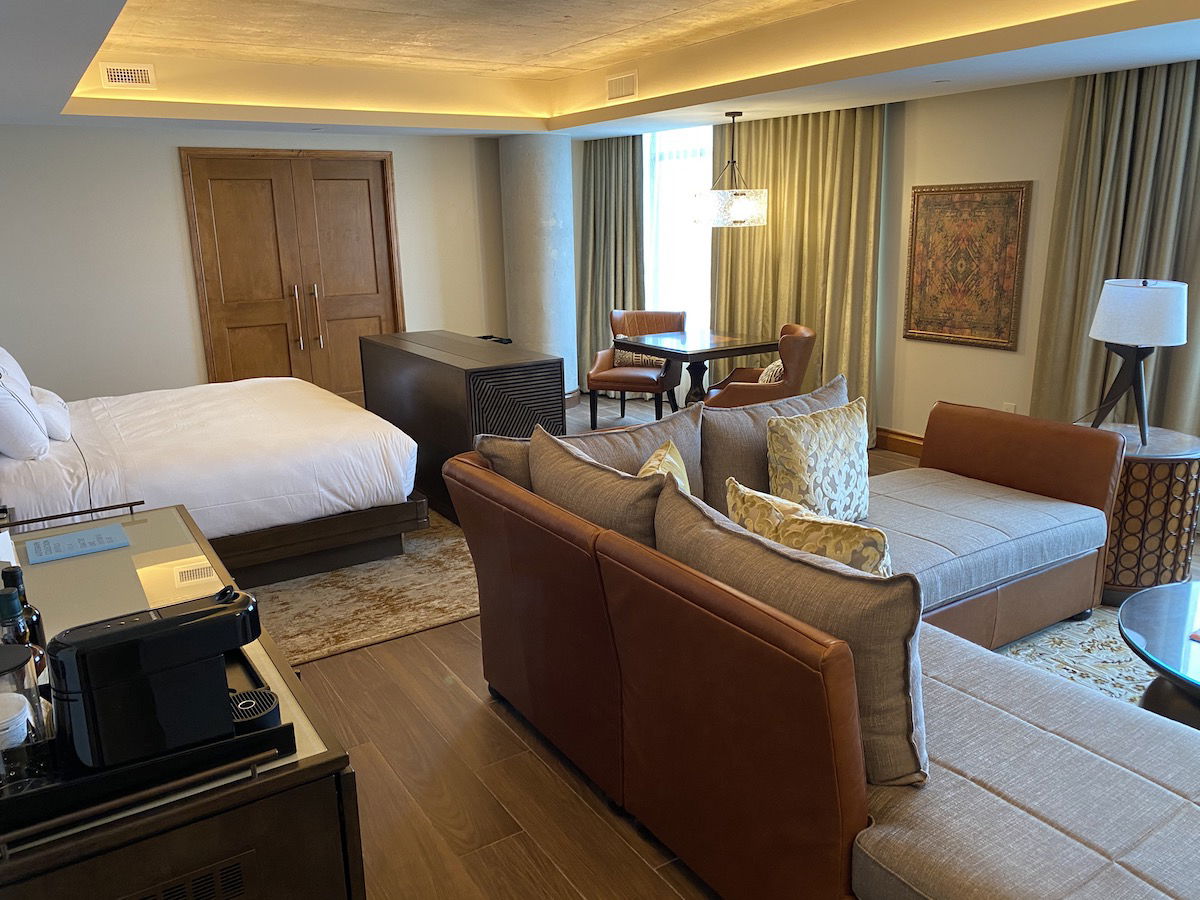
The future of suite hotels looks promising, driven by several key trends:
- Technological Integration: Expect more smart home features within suites, from voice-controlled assistants to integrated entertainment systems and smart kitchen appliances, enhancing convenience and personalization.
- Wellness Focus: As wellness travel grows, suites will increasingly incorporate elements like dedicated yoga spaces, healthier snack options, and perhaps even in-room fitness equipment or access to advanced wellness facilities. Brands like Element by Westin are already leading in this area.
- Sustainable Practices: A greater emphasis on eco-friendly design, sustainable operations, and locally sourced amenities will become standard, appealing to environmentally conscious travelers.
- Flexible Design: As the lines between work and leisure blur, suite designs will likely become even more flexible, allowing for easy transformation of spaces from a workspace to a dining area or a relaxation zone.
- Hyper-Personalization: Utilizing data and AI, suite hotels will aim to offer even more tailored experiences, from pre-stocking kitchens with preferred groceries to customizing room configurations based on past preferences.
In conclusion, suite hotels represent a sophisticated evolution in the hospitality industry, offering a compelling blend of space, comfort, and functionality that resonates with the modern traveler. Whether for a short business trip, a lengthy relocation, or a memorable family vacation exploring the historic landmarks of Europe or the vibrant cities of Asia, the suite hotel provides a versatile and enriching accommodation solution, cementing its status as a cornerstone of contemporary travel. By understanding their unique offerings and advantages, travelers can make informed choices that elevate their journeys, turning a simple stay into a truly exceptional experience.
LifeOutOfTheBox is a participant in the Amazon Services LLC Associates Program, an affiliate advertising program designed to provide a means for sites to earn advertising fees by advertising and linking to Amazon.com. Amazon, the Amazon logo, AmazonSupply, and the AmazonSupply logo are trademarks of Amazon.com, Inc. or its affiliates. As an Amazon Associate we earn affiliate commissions from qualifying purchases.