
When planning a trip to the vibrant and sun-drenched metropolis of Miami, a crucial question often arises for savvy travelers: “Is Miami tap water safe to drink?” This concern, while perhaps stemming from general travel advisories or a desire for caution, is a valid one for anyone looking to explore the city’s diverse offerings, from its iconic beaches and Art Deco architecture to its world-class dining and bustling nightlife. Understanding the quality and safety of local water sources can significantly enhance your travel experience, allowing you to hydrate confidently, save money, and minimize your environmental footprint.
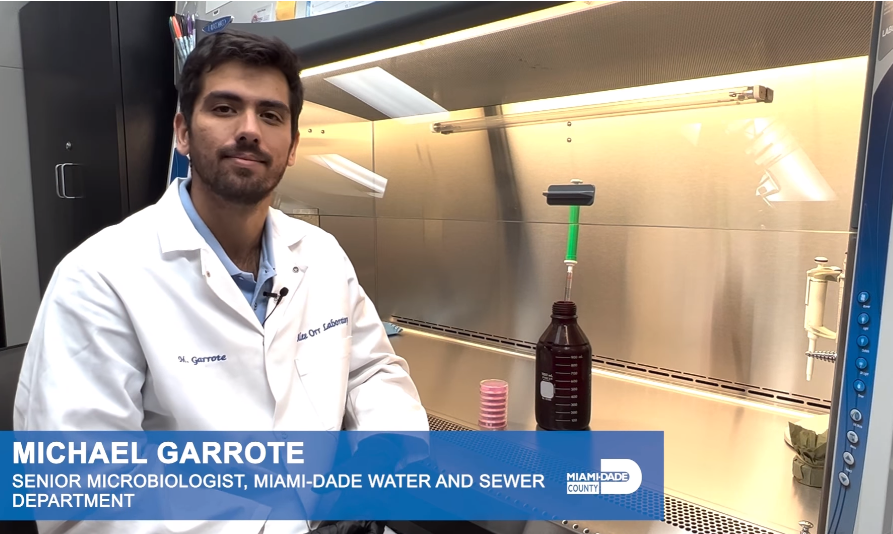
The United States, in general, boasts some of the safest and most rigorously regulated public water systems in the world. Miami is no exception. The city’s water supply is managed by the Miami-Dade Water and Sewer Department, a publicly owned utility responsible for delivering potable water to millions of residents and visitors across Miami-Dade County. Their commitment to public health is reflected in continuous monitoring, advanced treatment processes, and adherence to strict federal and state standards.
Understanding Miami’s Water Supply
To answer the question of whether Miami tap water is safe to drink, it’s essential to delve into where the water comes from, how it’s treated, and the regulatory framework governing its quality. This knowledge empowers you to make informed decisions about your hydration choices while enjoying the many attractions Miami has to offer.
Sources of Miami’s Water
Miami‘s primary water source is the Miami River, a vital artery flowing through the heart of the county, and the vast underground aquifer known as the Floridan Aquifer. The Floridan Aquifer is a massive karst system that stretches across several southeastern states and is a critical source of fresh water for much of Florida. Utilizing this natural reservoir ensures a consistent and ample supply for the region’s growing population and its thriving tourism industry.
The Miami-Dade Water and Sewer Department employs sophisticated intake systems to draw water from these sources. These systems are designed to capture water efficiently while minimizing the introduction of sediment and debris. The strategic location of these intake points is crucial for ensuring the best possible raw water quality before it enters the treatment process.
The Water Treatment Process
Once the raw water is collected, it undergoes a multi-stage treatment process at the department’s state-of-the-art water treatment plants. This process is designed to remove impurities, neutralize harmful contaminants, and ensure that the water meets all public health standards. The typical stages involved include:
- Coagulation and Flocculation: Chemicals are added to the water to cause small suspended particles to clump together, forming larger, heavier flocs.
- Sedimentation: The flocs settle to the bottom of large tanks, removing them from the water.
- Filtration: The water is passed through layers of sand, gravel, and charcoal to remove any remaining suspended particles and microorganisms.
- Disinfection: A disinfectant, usually chlorine or chloramine, is added to kill any remaining bacteria or viruses that could pose a health risk. This step is critical for ensuring the safety of the water supply.
- pH Adjustment: The pH of the water is adjusted to prevent corrosion of pipes and to make it palatable.
These treatment processes are not only extensive but also continuously monitored. Advanced laboratory testing is conducted at various stages to ensure that the water quality is consistently maintained at optimal levels. The department publishes regular water quality reports, which are readily accessible to the public, providing detailed information about the testing and results.
Regulatory Oversight
The safety of public drinking water in the United States is governed by the Environmental Protection Agency (EPA) under the Safe Drinking Water Act. This federal law sets national standards for drinking water quality and requires public water systems to monitor and report their water quality to the public. In Florida, the Florida Department of Environmental Protection (FDEP) oversees the implementation and enforcement of these regulations, often with even stricter requirements than the federal mandates.
The Miami-Dade Water and Sewer Department is subject to rigorous inspections and audits by both the EPA and the FDEP. They must comply with stringent maximum contaminant levels (MCLs) for a wide range of potential contaminants, from heavy metals and pesticides to bacteria and viruses. The department’s proactive approach to water quality management, including investments in advanced treatment technologies and robust monitoring programs, ensures that Miami tap water consistently meets or exceeds these regulatory standards.
Health and Safety of Miami Tap Water
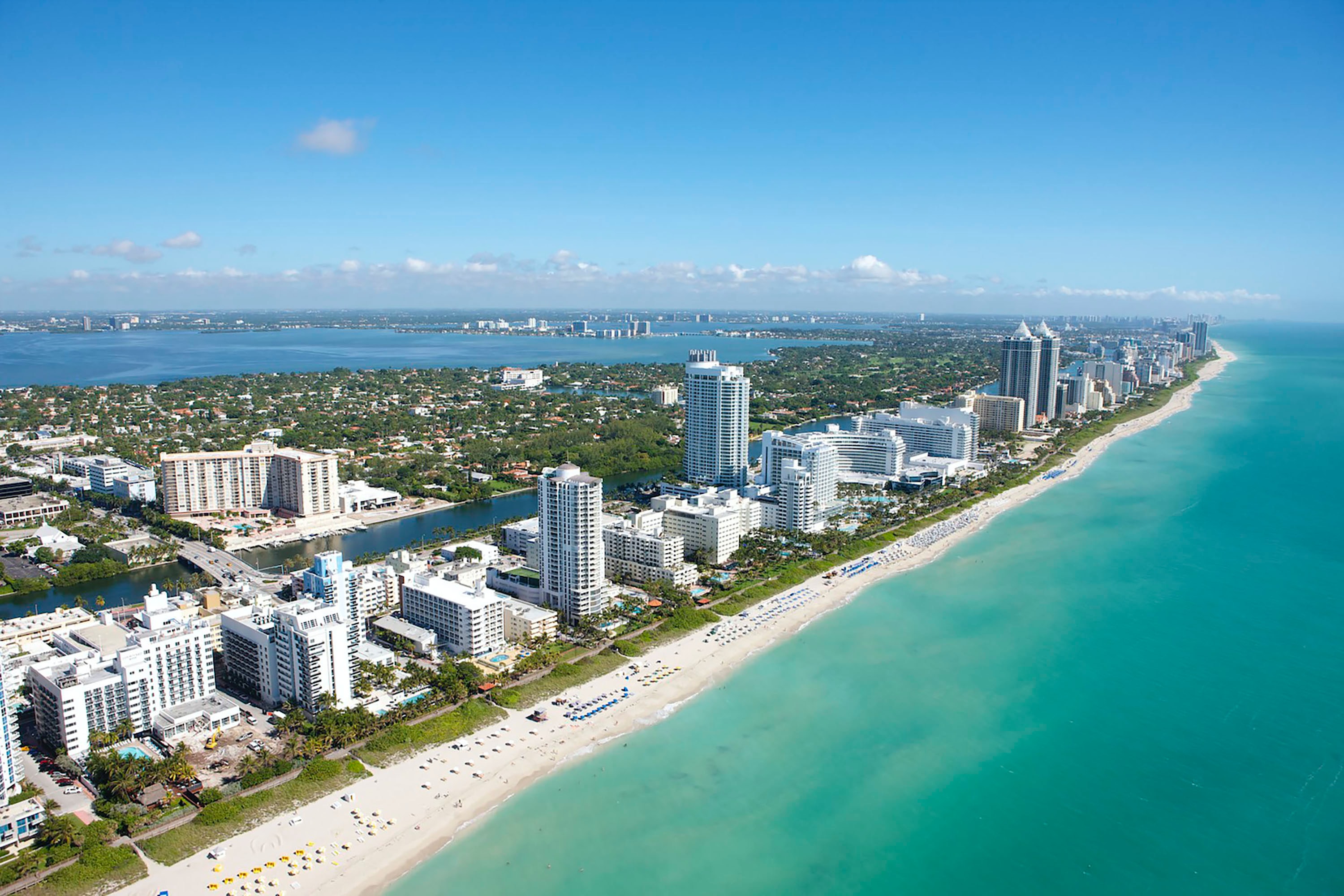
Given the rigorous treatment processes and strict regulatory oversight, Miami tap water is indeed safe to drink for most people, including tourists and residents. However, like any public water system, there can be occasional localized issues or specific considerations that travelers should be aware of.
Common Concerns and Reassurances
One common traveler concern revolves around taste and odor. While the water is safe, the presence of chlorine used for disinfection can sometimes impart a slight taste or smell. This is a normal byproduct of the disinfection process and is not indicative of unsafe water. For those sensitive to the taste, using a water filter or allowing the water to sit in an open container for a short period can help dissipate the chlorine.
Another consideration for some travelers might be concerns about lead. While the Miami-Dade Water and Sewer Department works diligently to maintain infrastructure, older buildings in Miami might have lead pipes or fixtures that could potentially leach lead into the water, especially if water has been standing for extended periods. The department actively works to mitigate this risk through corrosion control measures. However, if you are staying in an older rental or hotel and are particularly concerned, running the tap for a minute before filling your glass, especially after a period of non-use, can flush out any accumulated lead. Most modern hotels and resorts, particularly those catering to tourists like the numerous establishments along Miami Beach, are aware of these concerns and often have updated plumbing or water filtration systems in place.
Travelers with Specific Health Conditions
For individuals with compromised immune systems or specific health sensitivities, it’s always prudent to consult with their healthcare provider before traveling about any specific water consumption recommendations. While generally safe, some individuals might prefer bottled water as an extra precaution. However, for the vast majority of travelers, Miami tap water is a safe and healthy hydration option.
Hydration Tips and Sustainable Choices in Miami
Making the conscious choice to drink tap water in Miami not only benefits your health and budget but also contributes to environmental sustainability. This approach aligns perfectly with the growing trend of conscious travel, where visitors seek to minimize their impact while immersing themselves in local culture and experiences.
Saving Money and Reducing Waste
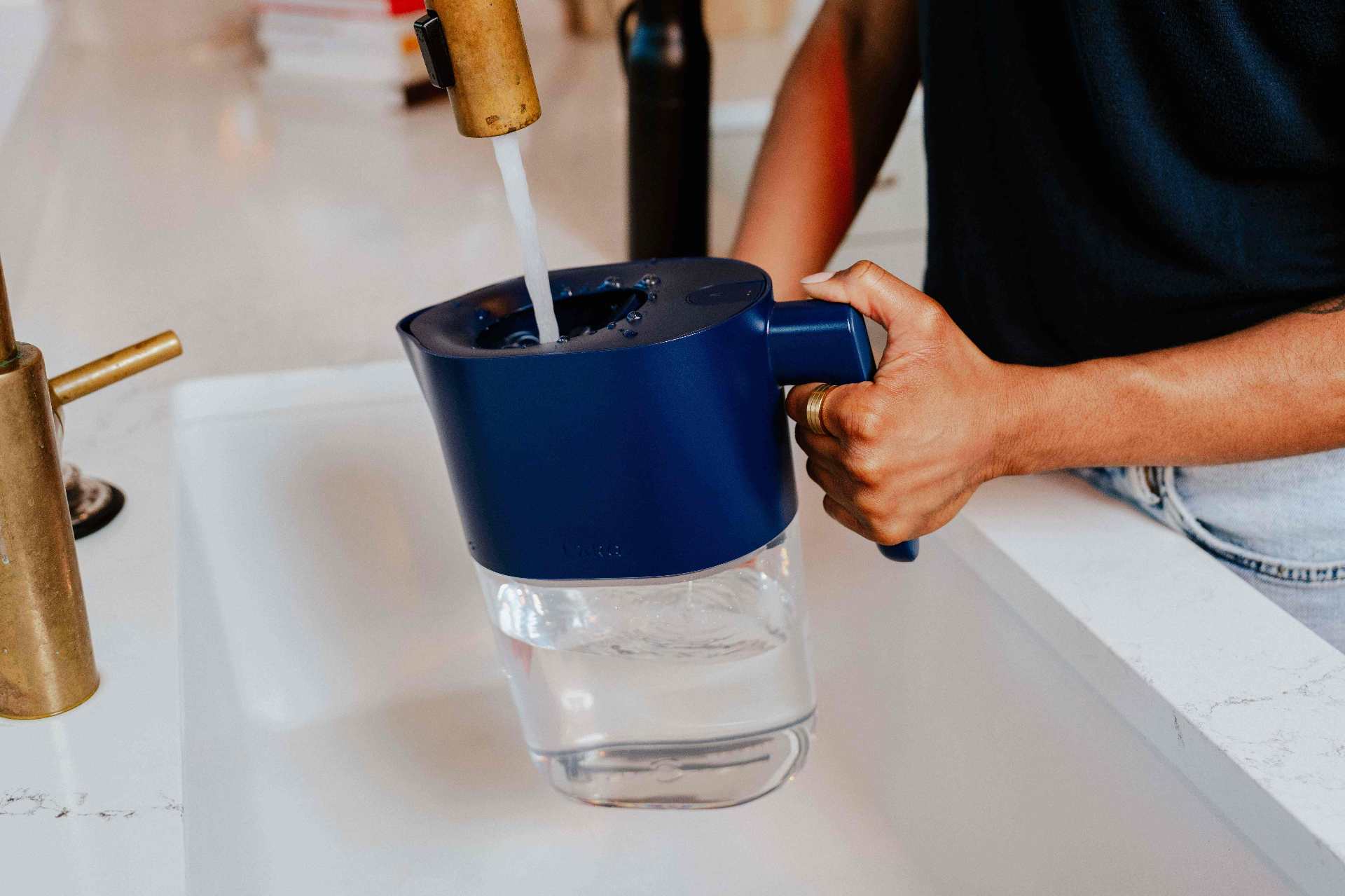
The cost of bottled water can add up quickly, especially when you’re exploring attractions like Vizcaya Museum and Gardens or enjoying a day at South Beach. By refilling a reusable water bottle from your hotel tap, a public fountain, or even a restaurant’s filtered water dispenser, you can save a significant amount of money during your stay.
Beyond the financial savings, choosing tap water dramatically reduces plastic waste. The environmental impact of single-use plastic bottles is substantial, contributing to pollution and landfill burdens. By opting for tap water, you are actively participating in a more sustainable tourism model, a practice increasingly valued by responsible travelers visiting destinations like Miami, known for its delicate coastal ecosystems. Many eco-conscious hotels and accommodations in Miami actively encourage guests to use reusable bottles and provide accessible refilling stations.
Staying Hydrated During Miami Adventures
Miami‘s warm, subtropical climate means staying hydrated is paramount, whether you’re lounging on the beach, exploring the vibrant street art of Wynwood or the Art Deco Historic District, or embarking on a boat tour through the Miami waterways. Carrying a reusable water bottle is an essential travel companion. Most hotels offer in-room refrigerators where you can keep your bottle cool. Additionally, many tourist attractions, public parks, and even some restaurants have water fountains or offer filtered water refills, making it easy to top up throughout the day.
For those who prefer their water chilled or infused, a simple trick is to freeze some of your water in your bottle overnight. This will keep your water cool for hours, a welcome relief during a hot Miami afternoon exploring the shops of Bayside Marketplace or visiting the Phillip and Patricia Frost Museum of Science.
In conclusion, for the vast majority of visitors and residents, Miami tap water is a safe, reliable, and convenient source of hydration. The Miami-Dade Water and Sewer Department employs rigorous treatment processes and adheres to strict regulatory standards, ensuring that the water reaching your faucet is clean and healthy. By embracing tap water, you not only ensure your own well-being but also contribute to a more sustainable and enjoyable travel experience in the beautiful city of Miami.
LifeOutOfTheBox is a participant in the Amazon Services LLC Associates Program, an affiliate advertising program designed to provide a means for sites to earn advertising fees by advertising and linking to Amazon.com. Amazon, the Amazon logo, AmazonSupply, and the AmazonSupply logo are trademarks of Amazon.com, Inc. or its affiliates. As an Amazon Associate we earn affiliate commissions from qualifying purchases.