
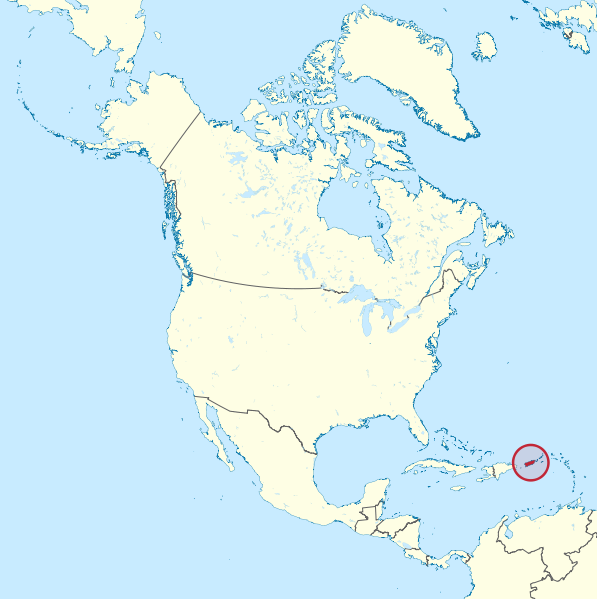
The question of “What Is Puerto Rico To America?” is one that has sparked debate and curiosity for decades. More than just a tropical paradise, Puerto Rico holds a unique and multifaceted position within the United States. It’s a territory with a complex relationship, marked by shared citizenship, distinct governance, and a vibrant cultural identity that enriches the American tapestry. For travelers, Puerto Rico offers an unparalleled blend of Caribbean allure and American familiarity, making it an accessible yet exotic escape. This exploration delves into the essence of Puerto Rico‘s identity, its allure as a travel destination, and what it truly signifies for the United States.
A Land of Rich History and Enduring Culture
Puerto Rico’s history is a captivating narrative of indigenous roots, colonial legacies, and evolving political status. Originally inhabited by the Taíno people, the island was claimed by Christopher Columbus in 1493, ushering in centuries of Spanish rule. This period left an indelible mark on the island’s language, architecture, and traditions. The iconic Old San Juan, with its colorful colonial buildings and imposing fortifications like Castillo San Felipe del Morro, stands as a testament to this era.
The Taíno Heritage
The Taíno were the first known inhabitants of Puerto Rico, a seafaring people who established a sophisticated society long before the arrival of Europeans. Their legacy can be seen in archaeological sites, place names, and even in the very spirit of Puerto Rican culture. While much of their material culture was lost during the Spanish conquest, their influence persists, a vital thread in the island’s identity. Exploring sites like the Caguana Indigenous Ceremonial Park offers a glimpse into their ancestral world.
Spanish Colonial Influence
For over 400 years, Spain governed Puerto Rico, shaping its infrastructure, religion, and social customs. The Spanish influence is most evident in the architectural marvels of Old San Juan, a UNESCO World Heritage site. Cobblestone streets wind past vibrant plazas and magnificent cathedrals, inviting visitors to step back in time. The imposing fortresses, such as Castillo San Cristóbal, were built to defend the island against various European powers, highlighting its strategic importance in the Caribbean. Beyond architecture, Spanish is the primary language, and Catholicism remains a dominant religious force, deeply woven into the fabric of daily life.
The Transition to American Rule
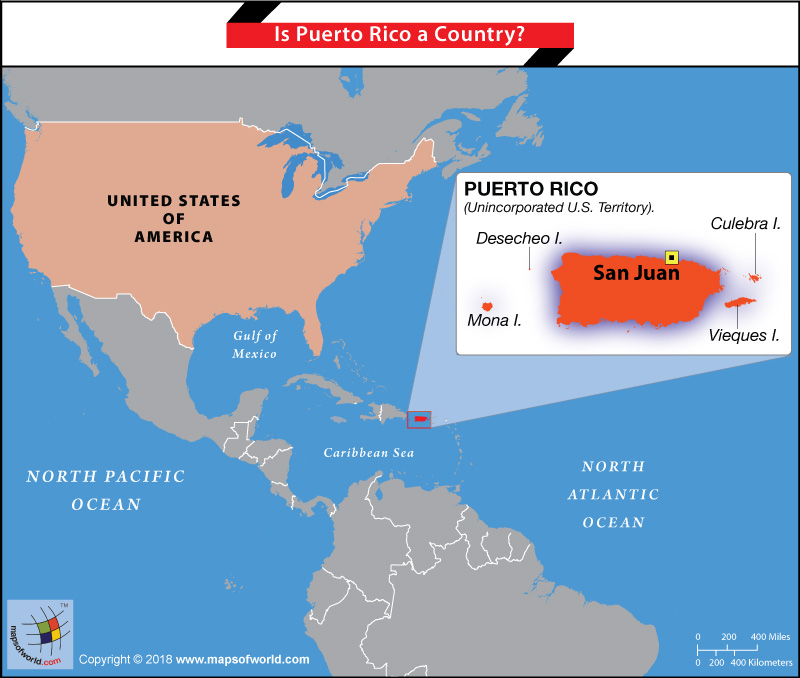
In 1898, as a result of the Spanish-American War, Puerto Rico was ceded to the United States. This marked a significant turning point, ushering in a new era of political and economic transformation. While Puerto Ricans became U.S. citizens in 1917, the island’s status as an unincorporated territory means it does not have the same representation or voting rights as a state. This unique political arrangement continues to be a subject of ongoing discussion and debate regarding Puerto Rico’s future.
Puerto Rico: A Premier Travel Destination
Beyond its historical and political significance, Puerto Rico is a bona fide travel paradise, drawing millions of visitors annually with its diverse landscapes, vibrant culture, and world-class attractions. Whether you’re seeking adventure, relaxation, or cultural immersion, the island delivers an unforgettable experience.
Beaches and Natural Wonders
Puerto Rico’s coastline is adorned with breathtaking beaches, each offering a unique charm. From the bustling shores of Condado and Isla Verde near San Juan, perfect for sunbathing and watersports, to the tranquil, palm-fringed stretches of the west coast like Flamenco Beach on Culebra island, consistently ranked among the world’s best, there’s a stretch of sand for every preference. The island’s natural beauty extends far beyond its beaches. The El Yunque National Forest, the only tropical rainforest in the U.S. National Forest System, offers hiking trails leading to cascading waterfalls and panoramic vistas. Bioluminescent bays, such as Mosquito Bay in Vieques, provide a magical nighttime experience, where the water glows with an ethereal light.
Cultural Immersion and Local Experiences
Puerto Rico’s vibrant culture is a sensory feast. The rhythmic beats of salsa and reggae music fill the air, especially in the lively districts of Old San Juan and Ponce. Food is a central element of Puerto Rican life, with its cuisine a delicious fusion of Taíno, Spanish, African, and American influences. Must-try dishes include mofongo (mashed plantains with garlic and pork or seafood), lechón (roast suckling pig), and tembleque (coconut pudding). Exploring local markets and food stalls is an essential part of the experience. Festivals and celebrations, such as the San Sebastián Street Festival, showcase the island’s deep-rooted traditions and joyful spirit.
Accommodations for Every Traveler
The island boasts a wide array of accommodations to suit every budget and travel style. Luxury resorts, such as the Dorado Beach, a Ritz-Carlton Reserve, offer opulent suites and world-class amenities for those seeking an indulgent escape. For a more intimate experience, charming boutique hotels dot Old San Juan, providing a blend of historical ambiance and modern comfort. Budget-conscious travelers will find numerous guesthouses and apartments, particularly outside the main tourist hubs. Apartment rentals and villas are also popular for families or longer stays, offering more space and flexibility. The availability of familiar American hotel chains alongside unique local establishments makes finding the perfect place to stay straightforward for U.S. visitors.
The American Connection: Citizenship and Identity
The most significant aspect of Puerto Rico’s relationship with the United States is the citizenship of its people. Born Puerto Ricans are U.S. citizens, a status that grants them the right to live and work on the mainland without visa restrictions. This shared citizenship creates deep familial and social ties between the island and the mainland.
Rights and Responsibilities
While Puerto Ricans are U.S. citizens, their political rights on the island differ from those of residents in the states. They cannot vote in U.S. presidential elections, nor do they have voting representation in Congress. This has led to ongoing discussions about statehood, independence, and enhanced commonwealth status. Despite these political distinctions, Puerto Ricans serve in the U.S. military and contribute to the American economy.
Economic Ties and Opportunities
Puerto Rico’s economy is closely intertwined with the United States. The U.S. dollar is the official currency, and American businesses have a significant presence on the island. The tourism sector, in particular, is a major driver of economic activity, attracting visitors from the mainland who are drawn to its familiar currency, language, and accessible travel regulations. Government aid and federal programs also play a role in the Puerto Rican economy.
Conclusion: A Vibrant Part of the American Fabric
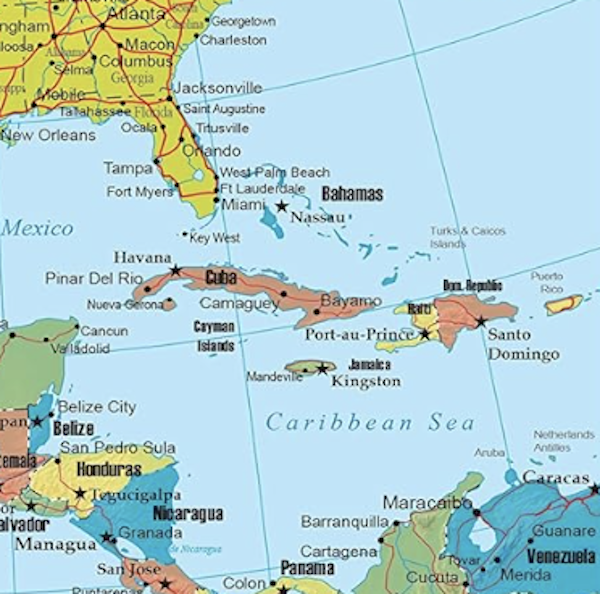
So, what is Puerto Rico to America? It is a territory of profound historical significance, a breathtaking travel destination, and a place whose people are intrinsically linked to the United States through citizenship. It is a land that offers a unique blend of distinct cultural heritage and American familiarity, a place where ancient traditions meet modern aspirations. For travelers, it represents an accessible gateway to a rich Caribbean experience, offering everything from world-class resorts and pristine beaches to vibrant city life and lush natural landscapes. Puerto Rico is not just a dot on the map; it is a living, breathing entity, a vital and vibrant part of the larger American fabric, deserving of recognition, respect, and a deeper understanding. Its ongoing journey as a territory continues to shape its identity and its relationship with the United States, making it a subject of enduring interest and importance.
LifeOutOfTheBox is a participant in the Amazon Services LLC Associates Program, an affiliate advertising program designed to provide a means for sites to earn advertising fees by advertising and linking to Amazon.com. Amazon, the Amazon logo, AmazonSupply, and the AmazonSupply logo are trademarks of Amazon.com, Inc. or its affiliates. As an Amazon Associate we earn affiliate commissions from qualifying purchases.