
When planning a trip to the vibrant coastal metropolis of Miami, travelers often find themselves preoccupied with logistics: which South Beach hotel to book, how to navigate the nightlife in Brickell, or the best way to explore the nearby Everglades National Park. Amidst the excitement of itinerary planning, a fundamental question often arises: is the tap water safe to drink? For visitors accustomed to different water quality standards or those who prefer a sustainable approach to travel, understanding the local utility landscape is essential.
The Infrastructure and Regulation of Miami-Dade Water
The water supply in Miami-Dade County is managed by a sophisticated public utility system that adheres to rigorous federal and state mandates. Understanding how your water travels from the source to your hotel tap helps demystify the quality behind the glass.

Source Water and Purification Processes
The vast majority of the drinking water in Florida is sourced from the Biscayne Aquifer, a massive underground reservoir of freshwater. This natural source is exceptionally prolific, but it requires extensive treatment before it can be distributed to homes, businesses, and luxury resorts like The Ritz-Carlton.
The Miami-Dade Water and Sewer Department employs a multi-stage treatment process, including coagulation, sedimentation, filtration, and disinfection. These steps are designed to remove particulates and neutralize pathogens, ensuring that the water meets or exceeds the standards set by the United States Environmental Protection Agency.
Regulatory Compliance and Testing
The water quality in this region is subject to the Safe Drinking Water Act. This means that local utilities must perform thousands of tests annually to monitor for contaminants ranging from heavy metals to biological agents. For a tourist staying in Downtown Miami, this translates to a reliable supply of potable water. These utilities are required to release an annual Water Quality Report, or Consumer Confidence Report, which is publicly available and outlines the specific findings of their testing protocols.
Taste, Texture, and the “Miami Flavor”
While regulatory safety is one metric, the sensory experience of drinking tap water is another. Many visitors notice that the water in Southern Florida tastes distinct from water in the Pacific Northwest or New England.
Mineral Content and Hardness
One of the primary characteristics of the water sourced from the Biscayne Aquifer is its mineral density. Because the aquifer sits beneath limestone, the water is naturally “hard.” This means it contains higher levels of dissolved calcium and magnesium. While this is perfectly safe—and perhaps even beneficial for those looking for mineral intake—it can result in a taste profile that some visitors find “heavy” or slightly metallic.
The Influence of Chlorine
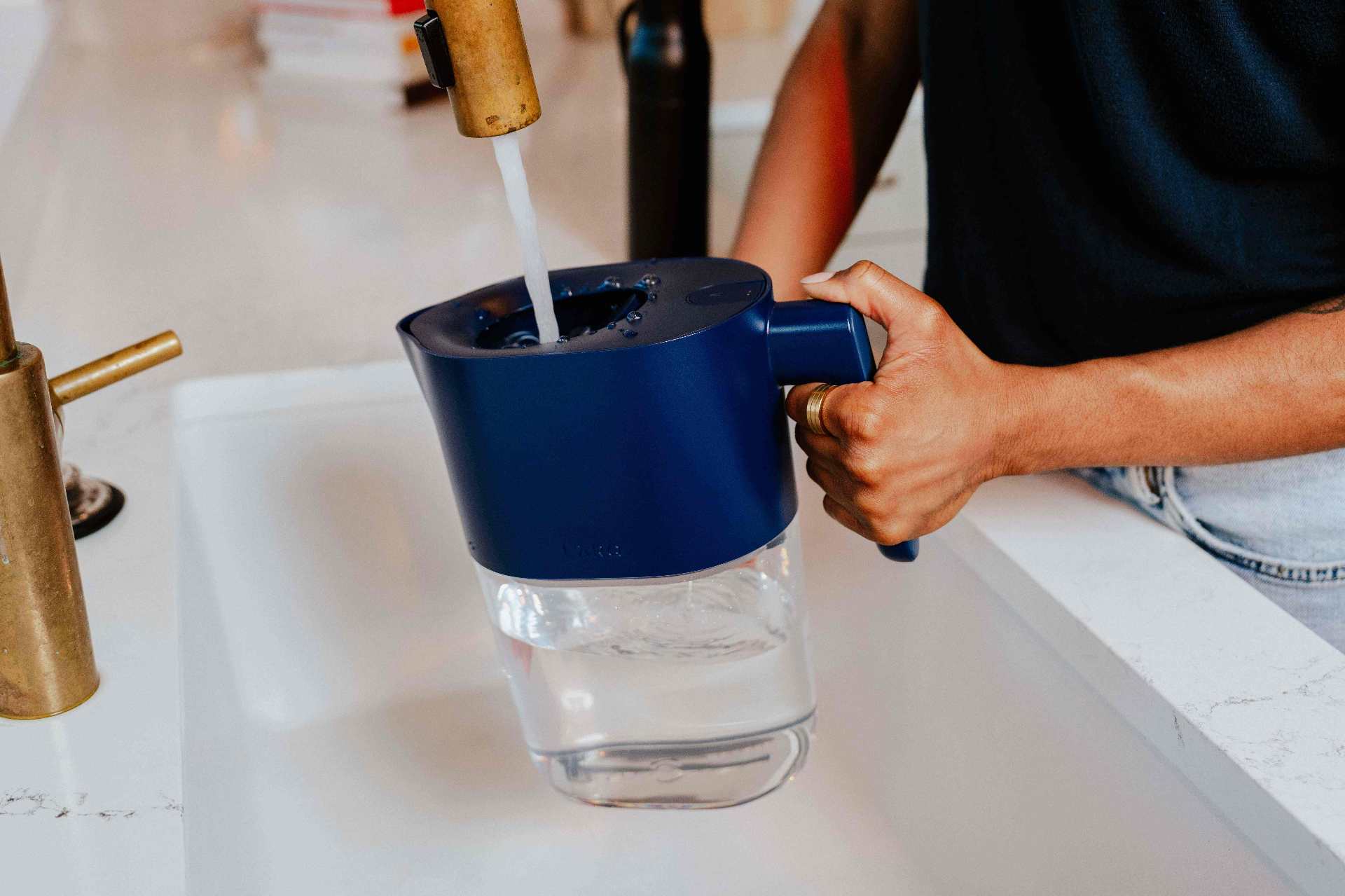
Like many large-scale water systems in the United States, Miami uses chlorine or chloramines to ensure water remains free of bacteria as it travels through miles of pipes to reach your room at the Fontainebleau Miami Beach. On hot days, or in older buildings, you might detect a faint swimming-pool scent. This is a common byproduct of the disinfection process and does not indicate a health risk. If you find the taste off-putting, chilling the water in a refrigerator or using a simple carbon-filter pitcher is often enough to remove the chlorine smell entirely.
Best Practices for the Sustainable Traveler
Adopting a sustainable mindset while traveling through Florida is a noble goal. Relying on the public tap water supply is the most effective way to reduce your plastic footprint while visiting major attractions like Vizcaya Museum and Gardens.
Using Reusable Bottles
The convenience of plastic bottled water is often marketed heavily in tourism hubs, but the environmental impact on local waterways and the Atlantic Ocean is significant. Bringing a high-quality, insulated reusable bottle is a traveler’s best friend. Most modern accommodations and public venues in Miami are equipped with bottle-filling stations. By opting for tap water, you are not only saving money but also contributing to the preservation of the local ecosystem you came to enjoy.
When to Consider Filtration
While the water is safe, there are nuances based on your specific location. Older infrastructure in historic districts like Little Havana may occasionally experience issues related to plumbing pipes rather than the municipal supply itself. If you are staying in an older, renovated boutique hotel, you might notice the water looks cloudy for a few seconds when you first turn on the faucet. This is usually just trapped air or minor sediment that clears quickly. If you are particularly sensitive to taste, a travel-sized filtered straw or bottle attachment can provide peace of mind regardless of where you stay, from Coconut Grove to Wynwood.
Hydration in a Subtropical Climate
Finally, remember that Miami is a hot, humid environment. You will naturally lose more water through perspiration while walking around Ocean Drive or visiting the Art Deco District. Hydration is paramount to enjoying your trip without succumbing to fatigue or heat exhaustion. Whether you are drinking tap water, filtered water, or enjoying a refreshing Cuban coffee, the most important thing is consistent intake.
In summary, the drinking water in Miami is strictly monitored, heavily regulated, and perfectly safe for consumption. While the hard mineral content and disinfection methods may result in a flavor profile that differs from what you drink at home, it poses no danger to your health. By bringing a reusable bottle and staying mindful of your hydration needs, you can navigate your Florida vacation with confidence and contribute to a more sustainable travel experience. Whether you are lounging by the pool at a Loews Miami Beach Hotel or exploring the hidden gems of the city, the local water supply is ready to keep you refreshed.
LifeOutOfTheBox is a participant in the Amazon Services LLC Associates Program, an affiliate advertising program designed to provide a means for sites to earn advertising fees by advertising and linking to Amazon.com. Amazon, the Amazon logo, AmazonSupply, and the AmazonSupply logo are trademarks of Amazon.com, Inc. or its affiliates. As an Amazon Associate we earn affiliate commissions from qualifying purchases.