
When travelers look at a map of the Big Island of Hawaii, they often find themselves drawn to the sun-drenched beaches of the Kona coast. However, for those seeking the raw, untamed spirit of the Pacific, the gaze must shift toward the eastern reaches of the island. Pahoa sits tucked away in the Puna District, a region defined by its volcanic legacy, lush rainforests, and a distinct, laid-back atmosphere that feels worlds away from the polished resort corridors of the west.
Understanding where Pahoa is located requires looking at the southeastern slope of the Kilauea volcano. This small town serves as the commercial hub for a sprawling, rural community that occupies a landscape perpetually reshaped by the earth’s internal fire.

The Geography of the Puna District
The Puna District is geologically distinct from the rest of the island. While other areas may boast white sand beaches and predictable resort weather, Pahoa is situated on land that is geologically young. The topography here is characterized by solidified lava flows, thick tropical vegetation, and a climate that receives significantly more rainfall than the leeward side of the island.
Proximity to Hilo and the Coast
Pahoa is located roughly 20 miles south of Hilo, the island’s primary city and gateway to the eastern coast. A drive from Hilo takes you through the verdant canopy of Hawaiian Paradise Park and past sprawling macadamia nut farms. Because of its location in the Puna District, the town acts as a central point for those accessing the dramatic coastline of the Pacific Ocean.
Volcanic Activity and Land Evolution
The most defining aspect of Pahoa’s location is its proximity to Kilauea, one of the most active volcanoes on the planet. For decades, the residents of Pahoa have lived in harmony with the volatile nature of the Big Island. The 2018 lower East Rift Zone eruption significantly altered the geography surrounding Pahoa, creating new land masses and reshaping the roads that connect this town to the coastal communities of Kapoho and Kalapana.
Navigating to Pahoa and Surrounding Landmarks
Accessing Pahoa is an experience in itself. The main thoroughfare, Highway 130, is the lifeline for the community. As you travel down this road, the environment shifts from suburban Hilo to a dense, jungle-like setting that eventually breaks into expansive vistas of cooling basalt.
The Historic Pahoa Village
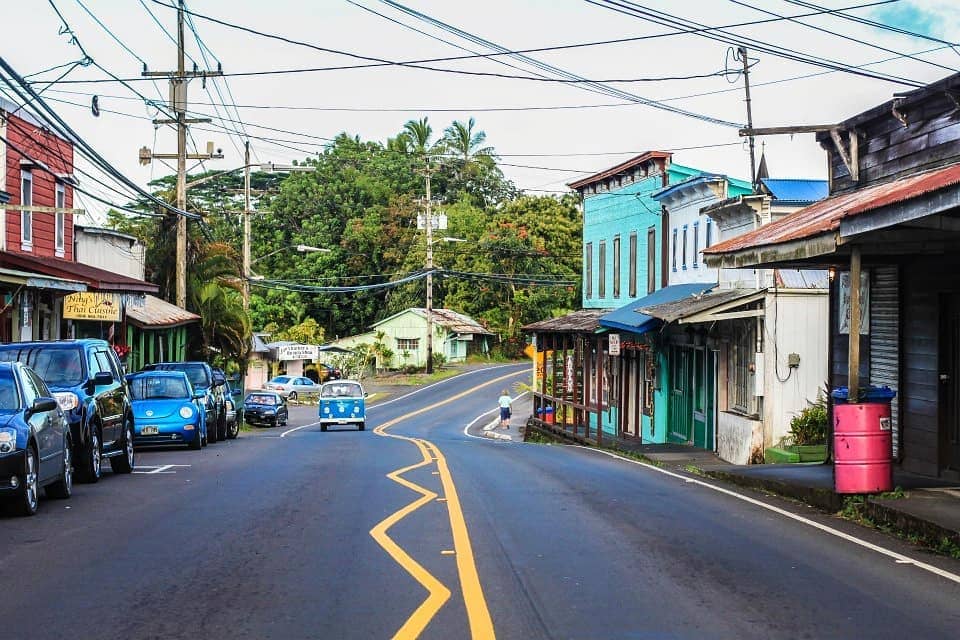
The town center, often referred to as Pahoa Village, maintains a rustic, turn-of-the-century architecture. Wooden boardwalks and historic storefronts give Pahoa an authentic character that is difficult to replicate. It is here that you find the heart of the Puna District, with local markets, quirky cafes, and artisan shops that celebrate the creative community drawn to the area’s magnetic energy.
Nearby Attractions
Because Pahoa is strategically located, it serves as an excellent base for exploring some of the most unique sites on the Big Island:
- Hawaii Volcanoes National Park: While the main entrance is located further south, Pahoa sits on the same volcanic rift, providing a deeper understanding of the park’s geological significance.
- Kehena Black Sand Beach: A stunning example of nature’s power, this beach is a short drive from Pahoa and offers an intimate look at the rugged coastline.
- Lava Tree State Monument: Located just minutes from the town, this area preserves the remnants of an ancient forest encased in lava, illustrating the history of the Puna District.
The Cultural Significance of the Puna Location
The location of Pahoa is not just defined by its physical coordinates but by the culture that has sprouted from its soil. Pahoa is known for being a melting pot of cultures, attracting artists, farmers, and those seeking an alternative lifestyle. The Puna District is widely regarded as an epicenter for sustainable living, organic farming, and a deep respect for the Hawaiian land.
Community Resilience
The residents of Pahoa are defined by their resilience. Living on a geologically active rift means that the landscape is never truly static. This awareness of the earth’s power has fostered a strong, tight-knit community that prioritizes mutual aid and connection to the environment. When visiting, one quickly realizes that the “location” of Pahoa is a place of profound transformation, where the physical geography constantly reminds inhabitants of the fragility and beauty of life.
The Shift in Tourism
While Kona remains the tourist hub, Pahoa attracts the “explorer” segment of travelers. These are individuals who prioritize authenticity over luxury, preferring to spend their time hiking through the Puna District or learning about geothermal energy from locals rather than lounging by a pool. For those traveling to the Big Island, adding Pahoa to the itinerary provides a necessary contrast to the curated experience of the resorts.
Why Visit This Unique Corner of the Island?
Choosing to visit Pahoa is a conscious decision to step outside of one’s comfort zone. The location is remote, the weather is humid, and the terrain is rough, but the rewards are unparalleled. You are stepping onto a land that is still being born.
Embracing the Local Rhythm
To appreciate the location of Pahoa, one must slow down. This is not a place for fast-paced itineraries. It is a place where you can spend an entire afternoon in the Pahoa Village talking to residents who have lived in the Puna District for decades. You can visit the local farmers’ markets to taste tropical fruits that grow in the volcanic soil and learn about the unique biodiversity of the Big Island.

A Gateway to Adventure
Whether you are planning a trip to see the steam vents of Hawaii Volcanoes National Park or hoping to discover hidden spots like Kehena Black Sand Beach, Pahoa acts as the perfect home base. It is the bridge between the convenience of Hilo and the untamed wilderness of the East Rift Zone.
As you navigate the Big Island, take the time to venture into the Puna District. Finding where Pahoa is located is easy—it is on the map, of course—but discovering what Pahoa truly is requires an open mind and a willingness to embrace the raw, volcanic spirit that makes Hawaii a destination unlike any other in the Pacific Ocean. From the historic streets of the town to the quiet, cooled lava fields that stretch toward the coast, Pahoa remains a testament to the enduring, creative power of nature.
LifeOutOfTheBox is a participant in the Amazon Services LLC Associates Program, an affiliate advertising program designed to provide a means for sites to earn advertising fees by advertising and linking to Amazon.com. Amazon, the Amazon logo, AmazonSupply, and the AmazonSupply logo are trademarks of Amazon.com, Inc. or its affiliates. As an Amazon Associate we earn affiliate commissions from qualifying purchases.