
For many, the mention of MIT immediately conjures images of groundbreaking research, brilliant minds, and, invariably, the city of Boston. While the two are intrinsically linked in the public consciousness, the precise geographical relationship often remains a point of mild confusion for travelers and newcomers alike. The Massachusetts Institute of Technology (MIT) is indeed a global beacon of innovation and academic excellence, and its proximity to one of America’s most historic cities makes it a compelling destination for those interested in science, architecture, and urban exploration. This article will clarify MIT’s true location, delve into its significance as a travel destination, and guide you through exploring its vibrant surroundings, offering insights for an enriching journey through the Greater Boston Area.
Unraveling the Location: Cambridge vs. Boston
The question “Is MIT in Boston?” is a common one, and the answer is both straightforward and nuanced. Understanding the distinct identities of these two cities, despite their close ties, is key to appreciating the region’s unique geography and culture.
The Geographic Truth
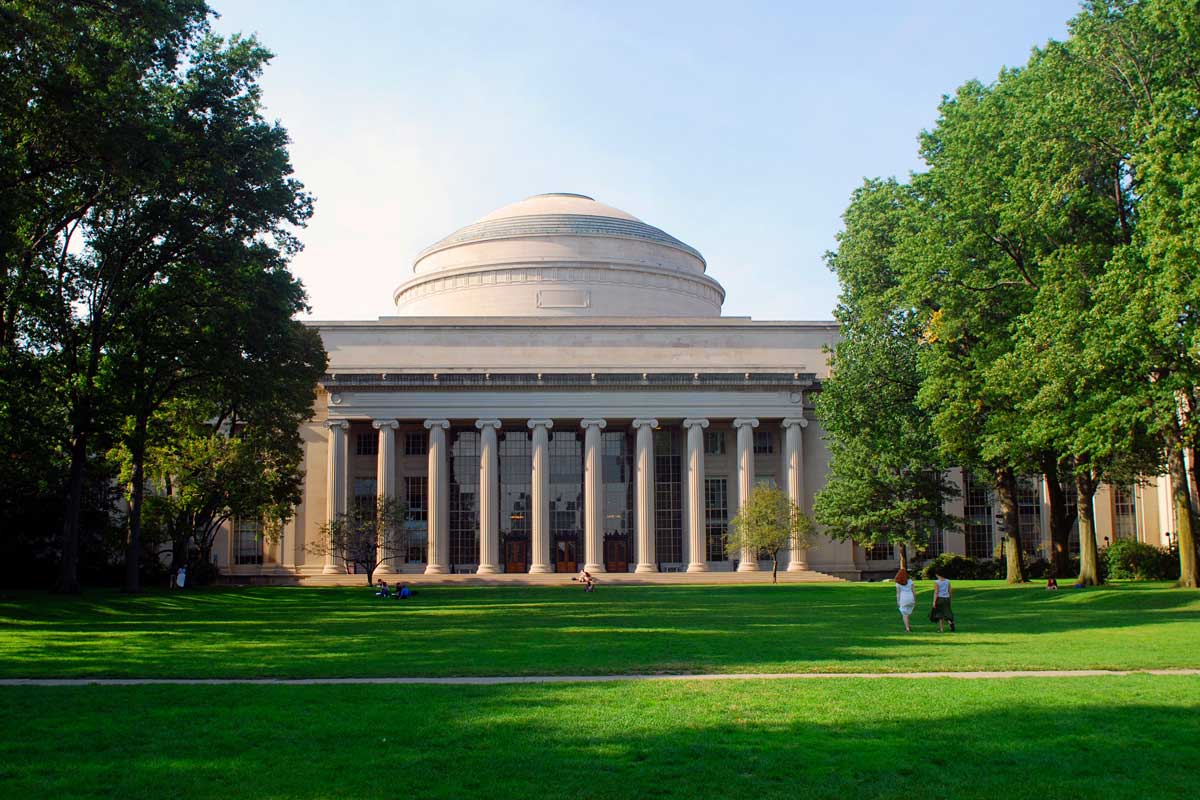
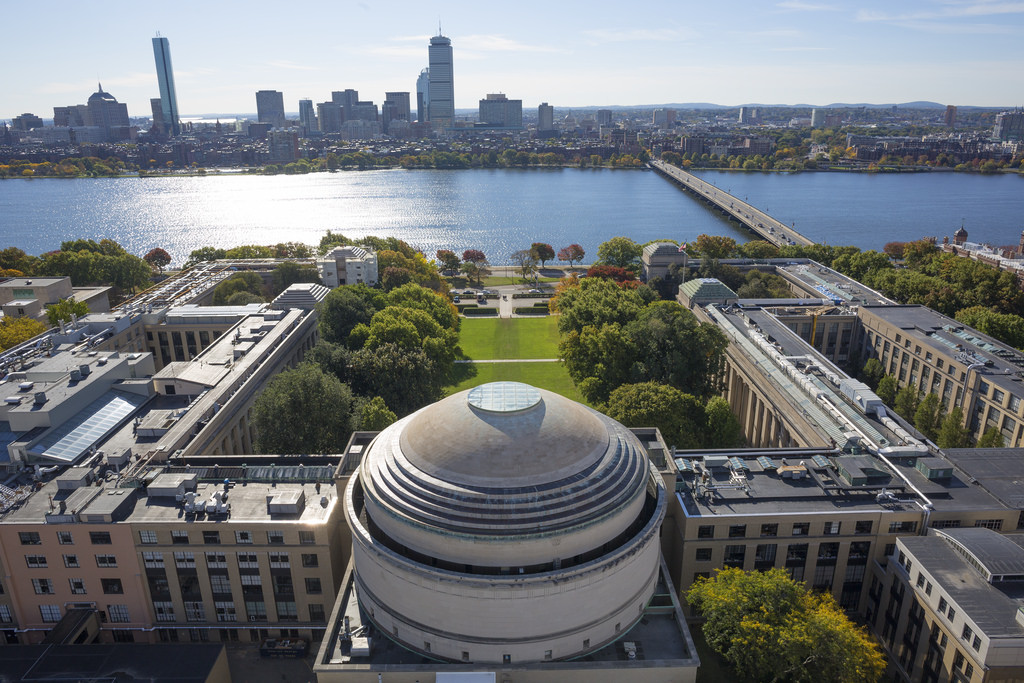
Strictly speaking, MIT is not located in Boston. Its sprawling 168-acre campus is situated across the Charles River in the city of Cambridge, Massachusetts. Cambridge is a distinct municipality, brimming with its own rich history, vibrant neighborhoods, and, of course, other world-renowned academic institutions like Harvard University. The two cities are separated only by the Charles River, making them feel like a single metropolitan entity to many. However, for administrative, cultural, and even historical purposes, they maintain their independent identities. This distinction is important for navigation and understanding the local dynamics, particularly for visitors planning to explore both areas. The perception of MIT being “in Boston” largely stems from its close proximity and the seamless flow of daily life between the two cities, facilitated by excellent public transportation.
The Perceived Connection
The misconception that MIT resides within Boston is understandable. For decades, Boston has been the central hub for commerce, tourism, and transportation in the region. Visitors flying into Logan International Airport typically arrive in Boston and use it as their base. Furthermore, many MIT students, faculty, and staff commute from or reside in Boston neighborhoods, blurring the lines of geographical separation. The intellectual and economic synergy between MIT and Boston’s burgeoning tech and biotech industries further reinforces this perceived unity. They function as a singular, dynamic ecosystem, drawing talent and investment globally. From a traveler’s perspective, whether you’re staying in Boston or Cambridge, MIT is easily accessible and forms an integral part of any comprehensive itinerary focusing on the region’s intellectual and cultural prowess.
Navigating the Charles River Divide
The Charles River serves as a natural and symbolic boundary between Boston and Cambridge. Numerous bridges span its waters, connecting the two cities and making transit remarkably easy. For visitors, crossing the Charles River via the Longfellow Bridge (often called the “salt-and-pepper bridge” due to its distinctive towers) or the Harvard Bridge (also known as the MIT Bridge) offers picturesque views of both city skylines. The MBTA (Massachusetts Bay Transportation Authority) subway system, affectionately known as “the T,” provides seamless connections. The Red Line, in particular, is a crucial artery, with several stops conveniently located along the MIT campus in Cambridge, making it simple to hop from downtown Boston directly to the heart of the institute. This ease of movement means that while MIT is technically in Cambridge, experiencing it as part of a Boston trip is not only feasible but highly recommended.
MIT as a Premier Travel Destination
Beyond its academic reputation, MIT offers a wealth of attractions that make it a fascinating travel destination in its own right. Its campus is a living museum of architectural innovation, public art, and a testament to human ingenuity.
Architectural Marvels and Campus Exploration
MIT’s campus is an architectural playground, showcasing a diverse range of styles from classical to cutting-edge. The iconic Great Dome atop Building 10, part of the original campus designed by Welles Bosworth, anchors the academic core, reminiscent of the Pantheon. In stark contrast, buildings like the Stata Center, designed by Pritzker Prize-winning architect Frank Gehry, stand out with their deconstructivist forms and vibrant colors, resembling a collection of precariously stacked boxes. The Green Building by I.M. Pei, MIT’s tallest structure, offers brutalist grandeur, while the Chapel by Eero Saarinen is a serene cylindrical brick structure known for its unique interior lighting. Self-guided walking tours are available, allowing visitors to appreciate these structures and the stories behind them, offering a glimpse into how environment influences innovation. Exploring the various departments and labs, even from the exterior, provides a sense of the dynamic academic work happening within these walls.
Innovation and Academic Prowess
While you might not be attending lectures, the spirit of innovation at MIT is palpable and inspiring. Many departments have public-facing exhibits or open areas that offer insights into their work. The MIT Museum, for example, which is moving to a new, larger facility in Kendall Square, provides an accessible window into the institute’s cutting-edge research in robotics, artificial intelligence, and holography. It’s an interactive experience that appeals to all ages, showcasing MIT’s contributions to science and technology. Even just walking through the bustling hallways during a break can give a sense of the intellectual energy that defines MIT. Observing students and faculty, one can easily grasp the profound impact this institution has on global progress and innovation, making it a compelling stop for anyone interested in the future of technology and human advancement.
Public Art and Green Spaces
Beyond its buildings and labs, MIT is also a significant repository of public art. The campus is dotted with sculptures, installations, and murals by renowned artists, seamlessly integrated into the landscape. Pieces by Alexander Calder, Henry Moore, and Louise Nevelson add to the aesthetic appeal and provide moments of contemplation amidst the academic rigor. The Kresge Oval and other green spaces offer tranquil areas for relaxation or study, often hosting outdoor events or simply providing a pleasant environment for a stroll. These artistic and natural elements contribute significantly to the campus’s character, making it more than just a collection of buildings but a thoughtfully designed environment that fosters creativity and well-being. The juxtaposition of world-class art with groundbreaking scientific inquiry creates a truly unique atmosphere that is both stimulating and aesthetically pleasing.
Exploring the MIT Neighborhood and Beyond
MIT’s location in Cambridge places it at the nexus of several vibrant neighborhoods, each offering distinct attractions that complement a visit to the institute.
Kendall Square: A Hub of Activity
Directly adjacent to the MIT campus lies Kendall Square, often referred to as “the most innovative square mile on the planet.” This dynamic district is a global epicenter for biotechnology, pharmaceuticals, and technology companies, housing offices for giants like Google and Microsoft, alongside numerous startups. For visitors, Kendall Square offers an array of excellent restaurants, cafes, and bars, catering to the diverse workforce and academic community. It’s a fantastic spot for lunch or dinner, boasting everything from casual eateries to upscale dining. The square also features public spaces and parks that host events, farmers’ markets, and outdoor concerts, particularly during warmer months. The lively atmosphere provides a clear sense of the innovation ecosystem that MIT helps to foster, making it an essential extension of any campus visit.
Connecting to Boston’s Core Attractions
The ease of access between Cambridge and Boston means that MIT is just a short subway ride away from Boston’s most famous attractions. From the MIT Red Line stops, visitors can quickly reach downtown Boston to walk the historic Freedom Trail, explore Boston Common and the Public Garden, or immerse themselves in the chic boutiques and brownstones of Back Bay and Copley Square. Sports enthusiasts can easily head to Fenway Park for a Red Sox game, while art lovers can visit the Museum of Fine Arts. This seamless integration allows travelers to combine their interest in cutting-edge science and technology with a deep dive into America’s foundational history and vibrant urban culture, providing a comprehensive travel experience.
Cultural Immersion in Cambridge
While Boston offers historical grandeur, Cambridge provides its own distinct cultural flavor. Beyond MIT, the city is home to Harvard University, another institution with a stunning campus and several museums open to the public, including the Harvard University Herbaria and the Harvard Museum of Natural History. Harvard Square itself is a bustling commercial and cultural center with bookstores, theaters, and a lively street scene. Exploring the various neighborhoods of Cambridge, from the historic charm of Old Cambridge to the bohemian vibe of Central Square, reveals a city rich in literary history, independent businesses, and diverse culinary options. This allows travelers to experience the intellectual vigor and independent spirit that defines Cambridge, offering a contrasting yet complementary experience to Boston.
Planning Your Visit to MIT and the Greater Boston Area
To make the most of your travel experience, a bit of planning can ensure a smooth and enjoyable visit to MIT and the surrounding areas.
Getting There: Public Transport and Accessibility
The easiest way to reach MIT from Boston or Logan International Airport is by using the MBTA public transportation system. The Red Line subway has three stops directly along the MIT campus: Kendall/MIT, Central Square, and Harvard Square. From Logan Airport, you can take the Silver Line bus to South Station and then transfer to the Red Line inbound towards Alewife. If driving, parking can be challenging and expensive in both Cambridge and Boston, making public transport the preferred option. Many parts of the campus are pedestrian-friendly, and cycling is also a popular way to get around.
Best Times to Visit
The Greater Boston Area offers a unique charm in every season. Spring (April-May) is beautiful, with blooming flowers and comfortable temperatures, perfect for walking tours. Summer (June-August) is vibrant with outdoor events, though it can be warm and humid. Fall (September-October) is arguably the most popular time, thanks to the stunning foliage and crisp weather, but also sees higher tourist numbers. Winter (November-March) can be cold and snowy, but offers a different, often quieter, perspective on the cities, with festive decorations around the holidays. Visiting during the academic year (September-May) will allow you to experience the campus at its most bustling, but school breaks might offer more tranquil exploration opportunities.

Essential Travel Tips
When planning your visit, comfortable walking shoes are a must, as both MIT and the surrounding cities are best explored on foot. Consider purchasing an MBTA CharlieCard for easy and discounted public transit fares. Many MIT buildings have publicly accessible lobbies and courtyards, but be respectful of ongoing academic activities. Check the MIT website for current visitor guidelines, self-guided tour maps, and exhibition schedules for the MIT Museum. Don’t hesitate to venture beyond the campus to explore Cambridge’s unique neighborhoods and Boston’s historical treasures. A visit to MIT is not just about seeing a university; it’s about experiencing a hub of innovation nestled within a historically rich and culturally diverse region, offering a truly unique travel experience in the United States.
LifeOutOfTheBox is a participant in the Amazon Services LLC Associates Program, an affiliate advertising program designed to provide a means for sites to earn advertising fees by advertising and linking to Amazon.com. Amazon, the Amazon logo, AmazonSupply, and the AmazonSupply logo are trademarks of Amazon.com, Inc. or its affiliates. As an Amazon Associate we earn affiliate commissions from qualifying purchases.