
Navigating the complexities of divorce is a profound journey, marking a significant transition in one’s life and redefining their personal landscape. For individuals in California, understanding the legal framework is not just about procedural compliance; it’s about strategically planning for a new lifestyle, securing your future, and embarking on a fresh chapter with clarity and confidence. This comprehensive guide offers insightful, professional direction through the process, framing each legal step as a vital component in shaping your renewed existence.
Understanding the California Divorce Landscape
Divorce, legally termed “dissolution of marriage” in California, is a formal process that concludes a marriage. It’s a moment of significant recalibration, necessitating a clear understanding of the state’s specific requirements to ensure a smooth and equitable transition to your next lifestyle phase.
Residency Requirements: A Foundation for Your New Chapter
Before you can file for divorce in California, certain residency conditions must be met. This isn’t merely a bureaucratic hurdle; it establishes the legitimate jurisdiction for your case, providing a stable foundation for the legal proceedings that will redefine your living situation. To file, one spouse must have resided in California for at least six months and in the specific county where the petition is filed for at least three months immediately prior to filing. For instance, if you live in Los Angeles, you must have been a resident of Los Angeles County for three months. These requirements ensure that the state has a vested interest in your case and that your new lifestyle chapter begins on firm legal ground.
Grounds for Divorce: Navigating No-Fault Realities
California is a “no-fault” divorce state. This means that to dissolve a marriage, neither spouse needs to prove that the other was at fault for the breakdown of the relationship. Instead, the legal system acknowledges that some partnerships simply reach an irreconcilable point, making continued marriage untenable. The two primary grounds for divorce are “irreconcilable differences” – indicating that the marriage has broken down beyond repair – or “incurable insanity.” This no-fault approach simplifies the process, reducing potential contention and allowing individuals to focus on practical matters like property division and child custody, rather than dwelling on blame. It’s a pragmatic approach designed to facilitate a quicker, less emotionally charged path toward redefining your independent lifestyle.
Key Steps in the California Divorce Process
The path to divorce in California involves a series of structured legal steps, each designed to systematically address the dissolution of the marriage and lay the groundwork for your distinct future. Approaching these steps methodically is crucial for a well-managed transition.
Filing the Petition: Initiating Your Lifestyle Transition
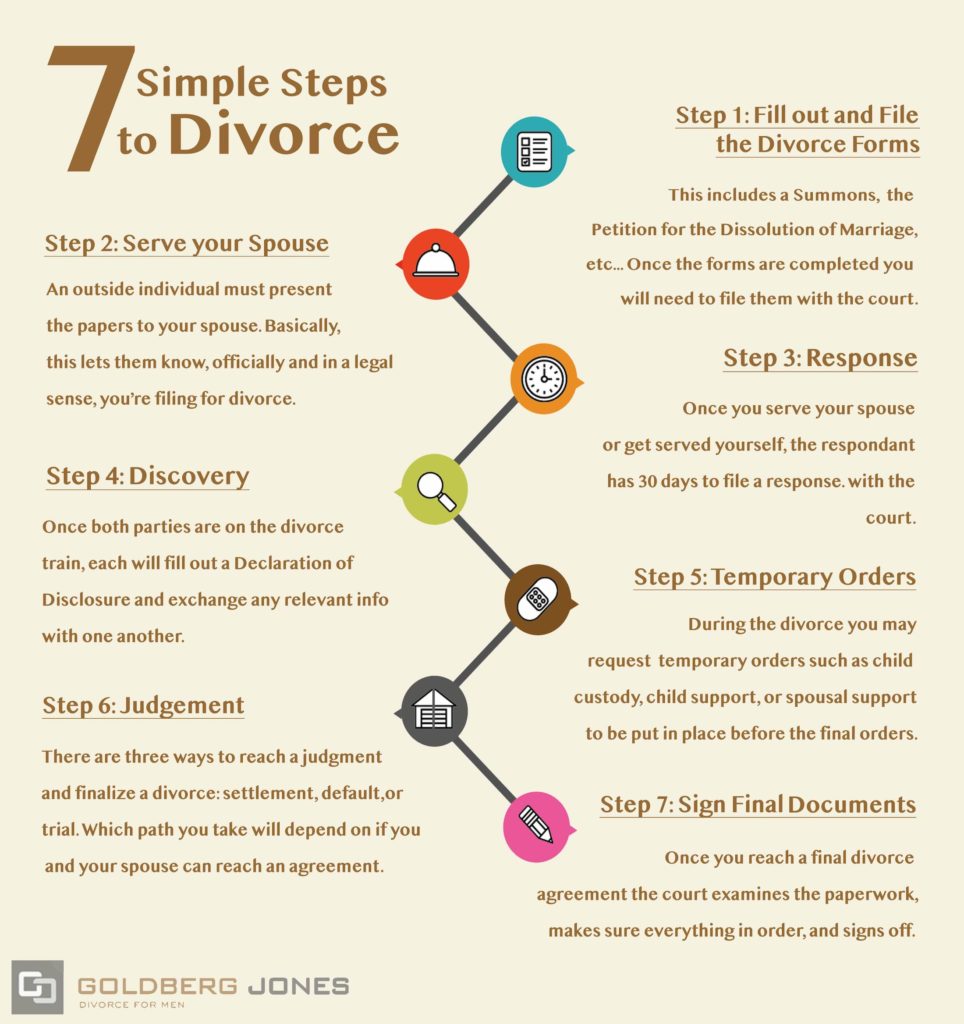
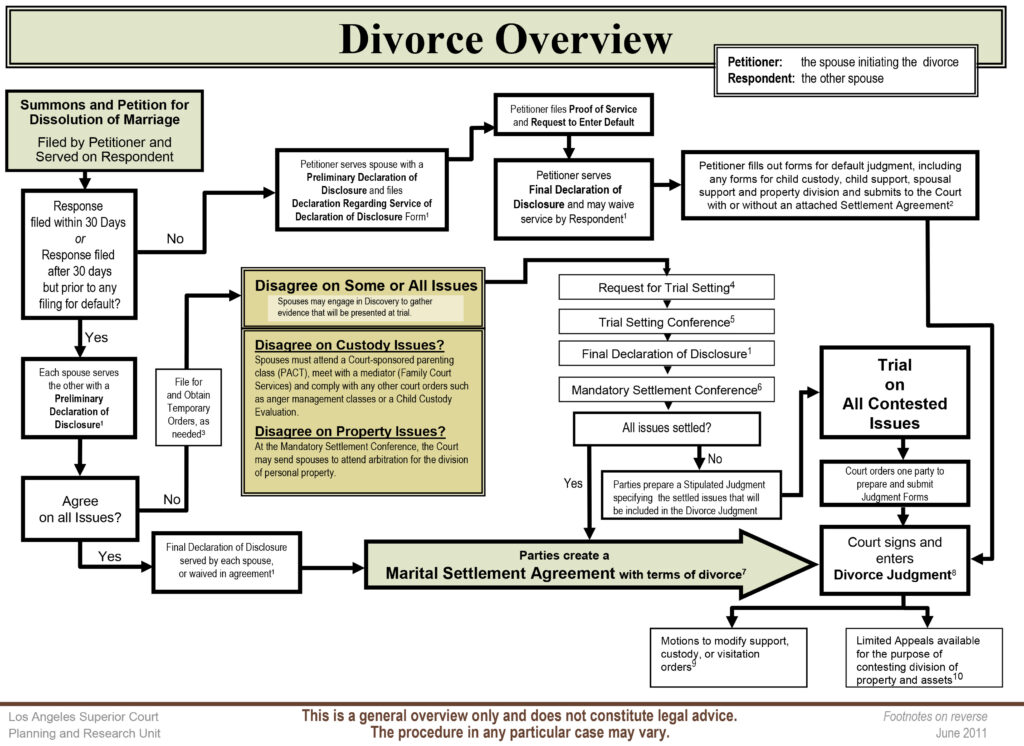
The first official action is to file a Petition for Dissolution of Marriage (Form FL-100) with the family court in your county. This document formally requests the court to end your marriage and outlines initial requests regarding child custody, visitation, spousal support, child support, and property division. Filing this petition is a definitive act, a public declaration that you are ready to transition to a new lifestyle. It sets in motion the legal timeline and initiates the formal separation of your formerly shared life. The filing spouse is known as the Petitioner.
Service of Process: Ensuring a Smooth Path Forward
Once the petition is filed, it must be legally “served” to the other spouse, who is then referred to as the Respondent. Service of process ensures that the Respondent is formally notified of the divorce proceedings and has an opportunity to respond. This critical step must be performed by someone other than the Petitioner, typically a professional process server, sheriff, or any adult not involved in the case. After being served, the Respondent has 30 days to file a Response (Form FL-120). Proper service prevents future legal challenges and ensures that both parties are formally engaged in shaping their post-marital lifestyles.
Financial Disclosures: Laying the Groundwork for a Balanced Future
A cornerstone of any California divorce is the exchange of comprehensive financial disclosures. Both spouses are required to fully disclose all assets, debts, income, and expenses. This includes completing forms such as the Declaration of Disclosure (Form FL-140), Schedule of Assets and Debts (Form FL-142), and Income and Expense Declaration (Form FL-150). This transparent exchange is vital for ensuring an equitable division of community property and establishing fair support orders. It’s a detailed, often meticulous, process that provides both parties with a clear financial picture, empowering them to make informed decisions about their independent economic futures and the lifestyle they wish to build. Understanding your financial standing is paramount to crafting a sustainable and balanced life after marriage.
Addressing Critical Lifestyle Elements: Property, Support, and Children
Divorce necessitates the untangling of interwoven lives, particularly concerning shared assets, financial interdependence, and the well-being of any children. California law provides clear guidelines for addressing these critical components, each playing a significant role in shaping your independent lifestyle.
Community Property: Dividing Your Shared Lifestyle Assets
California is a community property state. This means that, with few exceptions, any assets (e.g., real estate, bank accounts, retirement funds, businesses) and debts acquired by either spouse during the marriage are considered jointly owned, regardless of whose name is on the title. Upon divorce, community property is subject to an equal 50/50 division. Separate property, typically acquired before marriage, after separation, or by gift/inheritance, remains the sole property of that spouse. The division of community property is often one of the most significant aspects of a divorce, directly impacting each individual’s future financial independence and capacity to maintain or establish a desired lifestyle. This process requires thorough documentation and often complex negotiations to ensure a fair distribution, allowing both parties to move forward with distinct financial foundations. For example, dividing a home in San Francisco or shared investments can significantly alter one’s post-divorce options.
Spousal Support: Bridging the Financial Gap for New Beginnings
Spousal support, also known as alimony, is financial assistance paid by one spouse to the other for a specific period after divorce. Its purpose is to help the receiving spouse become self-supporting and maintain a reasonable standard of living akin to what they enjoyed during the marriage, especially if there was a significant disparity in income or earning capacity. The court considers various factors when determining spousal support, including the length of the marriage, the earning capacity of each spouse, the marital standard of living, and the health and age of both parties. For marriages lasting less than 10 years, support is generally granted for half the length of the marriage. For longer marriages, the court retains jurisdiction indefinitely. Spousal support is a critical component in enabling both individuals to transition financially and build sustainable independent lifestyles post-divorce.
Child Custody and Support: Prioritizing Your Children’s Well-being
For divorcing parents, the paramount concern is always the well-being of their children. California courts prioritize arrangements that are in the “best interests of the child.” This involves two main components: legal custody (which parent makes decisions about the child’s health, education, and welfare) and physical custody (where the child lives). Both can be sole or joint. The courts encourage parents to work together to create a parenting plan that fosters a stable and loving environment for their children. Child support is calculated based on a statewide guideline formula that considers both parents’ incomes, the amount of time each parent spends with the children, and other factors like health insurance costs. Establishing clear custody and support arrangements is essential not only for the children’s stability but also for parents to confidently establish their individual post-divorce lifestyles, knowing their children’s needs are securely met. Whether you reside in San Diego or Sacramento, these principles apply statewide.
Reaching Resolution: Settled vs. Litigated Divorces
The ultimate goal of the divorce process is to reach a final resolution on all issues. This can occur either through mutual agreement (settlement) or through court intervention (litigation). The path chosen significantly impacts the emotional and financial cost, as well as the degree of control you have over shaping your future lifestyle.
Negotiating a Settlement: Crafting Your Future Lifestyle Agreement
Many divorces in California are resolved through settlement, where spouses negotiate the terms of their divorce outside of court. This can involve direct discussions, mediation, or collaborative law. Mediation involves a neutral third party who helps facilitate communication and agreement. Collaborative law involves both spouses and their attorneys committing to resolve issues without court intervention. Reaching a settlement empowers both parties to make decisions that best fit their unique circumstances and future lifestyle aspirations, rather than having a judge impose solutions. This path often leads to more creative, mutually satisfactory outcomes and preserves relationships, especially important when co-parenting. A settlement agreement typically covers all aspects, from property division to custody, outlining the blueprint for each spouse’s independent life.
The Litigation Path: When Court Intervention Shapes Your New Reality
If spouses cannot agree on the terms of their divorce, the case will proceed to litigation. This involves presenting arguments and evidence to a judge, who will then make final decisions on all outstanding issues. Litigation is generally more adversarial, time-consuming, and expensive than settlement. While it provides a definitive resolution, it relinquishes control over the final outcome to the court. For those living in areas like Oakland or Fresno, navigating local court procedures can be a complex undertaking. While sometimes necessary, especially in cases involving domestic violence, significant power imbalances, or complex financial disputes, the litigation path often results in less personalized solutions for shaping one’s new lifestyle.
Embracing Your Post-Divorce Lifestyle in California
The final steps of a divorce solidify your new legal status and allow you to fully embrace the independent lifestyle you’ve worked to establish. This culmination marks not an ending, but a new beginning.
Legal Finalization: The Decree of Dissolution
Once all issues are resolved, either through settlement or litigation, the court will issue a Judgment for Dissolution of Marriage (or a “divorce decree”). This document legally terminates your marriage and contains all the final orders regarding property division, support, and child custody. In California, there is a mandatory six-month waiting period from the date the Respondent was served (or appeared in court, whichever is first) until the marriage can officially be terminated. While the divorce may be “final” earlier for property and support issues, the marital status itself cannot be legally dissolved until this period passes. This legal finalization is the moment your new, independent lifestyle becomes fully recognized by law.
Rebuilding and Redefining: Life After Divorce
Beyond the legalities, divorce is a profound personal journey. It’s an opportunity to rebuild, redefine, and embark on a lifestyle that truly reflects your individual aspirations and values. California’s diverse landscape offers myriad opportunities for personal growth, whether through exploring its vibrant cities like San Jose, enjoying its stunning natural beauty, or engaging with its rich cultural scene. This period post-divorce is about embracing self-discovery, fostering new connections, and creating a life that is authentically yours. While the legal process provides the framework for this transition, the true essence of life after divorce lies in your resilience, your vision, and your commitment to crafting a fulfilling new chapter.
LifeOutOfTheBox is a participant in the Amazon Services LLC Associates Program, an affiliate advertising program designed to provide a means for sites to earn advertising fees by advertising and linking to Amazon.com. Amazon, the Amazon logo, AmazonSupply, and the AmazonSupply logo are trademarks of Amazon.com, Inc. or its affiliates. As an Amazon Associate we earn affiliate commissions from qualifying purchases.